
UK homes often seek compact companions. You’re looking for a small spaniel that fits your lifestyle without demanding excessive care. This guide compares the smallest spaniel breeds, examining their energy levels and grooming needs to help you choose the best low-maintenance option for your home, whether it’s a flat or a house. We also consider suitability for children and first-time owners.
Leading Low-Maintenance Small Spaniel Breeds
You’re looking for a spaniel that fits your UK lifestyle without demanding constant attention, and several fantastic breeds offer just that. Understanding their unique traits will help you pick the perfect companion.
Cavalier King Charles Spaniel: The quintvital lapdog
Known for their sweet disposition, Cavaliers are truly affectionate. They thrive on companionship, making them ideal for individuals or families seeking a devoted, gentle pet who enjoys cuddles and short strolls.
English Toy Spaniel: A heritage breed for quiet homes
This dignified spaniel is a calm and quiet companion. They possess a gentle nature, making them perfectly suited for peaceful homes and owners who appreciate a less boisterous canine friend.
Their compact size and moderate exercise requirements mean they adapt well to smaller living spaces, including flats. You’ll find their grooming needs are manageable, requiring regular brushing to keep their silky coat free from tangles. Their reserved temperament makes them less prone to excessive barking, a definite plus for close-knit communities.
Tibetan Spaniel: Low-shedding and independent nature
These intelligent dogs offer a unique blend of independence and affection. Their low-shedding coat is a bonus for allergy sufferers, and they enjoy observing their surroundings from a comfortable perch.
Tibetan Spaniels are surprisingly sturdy for their size and enjoy moderate walks, but are equally content lounging indoors. You will appreciate their relatively easy grooming routine, which consists of weekly brushing to maintain their double coat. Their somewhat independent spirit means they aren’t overly clingy, making them a good choice if you’re not always home.
Papillon: High intelligence with minimal grooming needs
Possessing a lively spirit and keen intelligence, Papillons are remarkably trainable. Their delicate appearance belies a robust personality, and their single coat requires surprisingly little fuss.
These elegant dogs are full of energy and love to engage in mentally stimulating activities. You’ll discover they excel in obedience and agility, making them a joy to train. Their fine, single coat means shedding is minimal, and a quick brush a few times a week keeps them looking their best, making them an excellent choice for first-time owners.
## Grooming Requirements for Small Spaniel Dogs
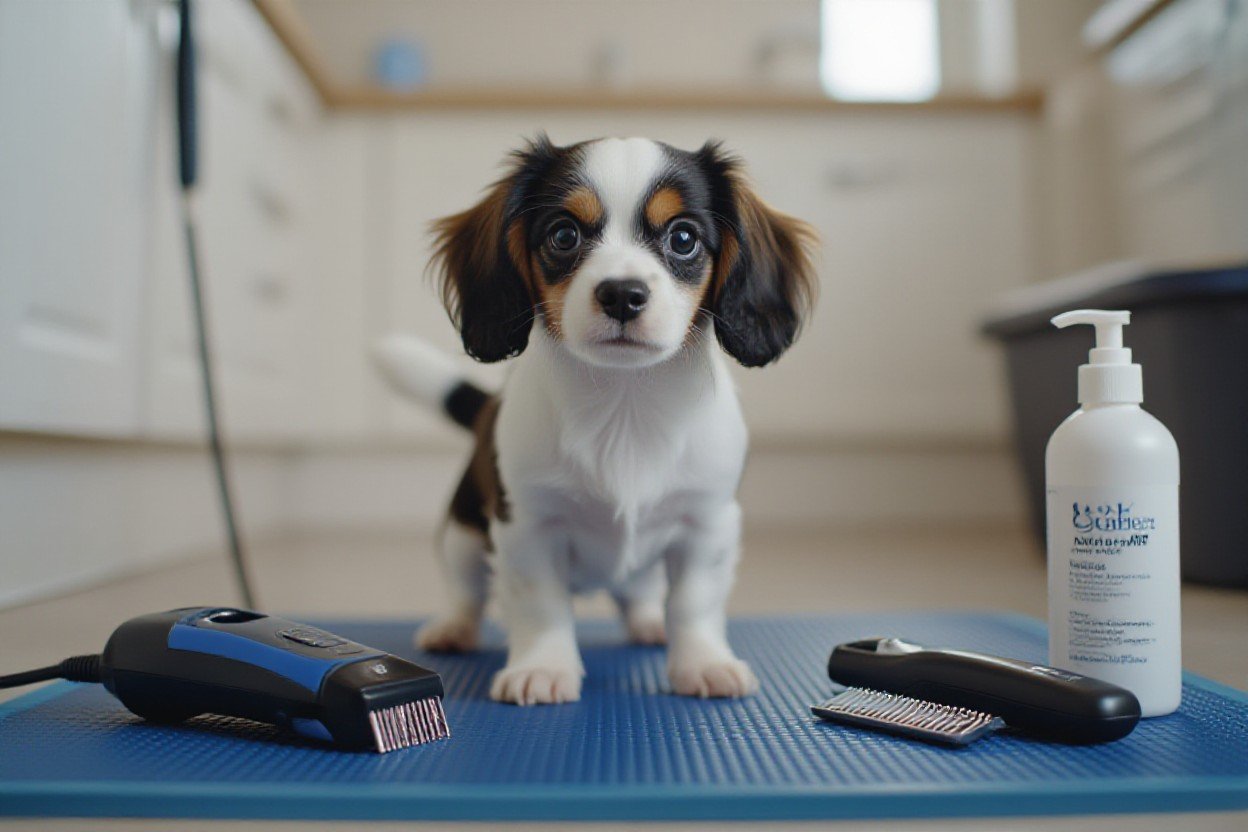
Owners considering a small spaniel for their UK home will appreciate understanding their grooming needs. While these breeds are generally low-maintenance, a consistent routine prevents matting and maintains coat health. Your chosen spaniel’s specific coat type, whether silky and feathered or slightly wavier, will dictate the frequency and type of care required.
### Essential coat care routines for busy owners
Regular brushing is your primary tool for keeping a small spaniel’s coat tangle-free. A quick daily brush, especially around ears and legs, prevents knots from forming. You should also check their eyes and ears weekly for any signs of irritation or buildup.
### Managing seasonal shedding and hygiene
Seasonal shedding will occur, though typically manageable with regular grooming. You can minimise loose hair in your home by increasing brushing frequency during these periods. Bathing your spaniel every 4-6 weeks, or as needed, keeps their coat clean and healthy.
Maintaining your spaniel’s hygiene extends beyond just their coat. You must regularly trim their nails to prevent discomfort and potential paw issues. Dental health is also key; daily brushing with dog-specific toothpaste helps prevent plaque buildup and gum disease, contributing to their overall well-being.

Exercise and Stimulation in Restricted Spaces
Meeting your small spaniel’s exercise needs, even in a smaller UK home, is entirely achievable with the right approach. You might assume a spaniel requires vast fields to burn off energy, but many smaller breeds, particularly those less driven by traditional working instincts, adapt wonderfully to urban living. Consider how a Cavalier King Charles Spaniel, known for its gentle nature, or a Sussex Spaniel, with its more sedate pace, will fit into your daily routine. Some breeds, like the working cocker, possess higher energy levels, so if you’re considering a working cocker spaniel, what other breeds might suit instead is a question worth exploring for apartment dwellers.
Daily walking and activity benchmarks
Your small spaniel will benefit from two shorter walks daily, totalling 30-45 minutes. Supplement this with short play sessions indoors or in a secure garden. Adjust the intensity based on your spaniel’s age and specific breed energy levels.
Mental enrichment strategies for indoor settings
Keeping your spaniel’s mind engaged is as important as physical exercise, especially in restricted spaces. Puzzle toys, snuffle mats, and scent games provide excellent mental workouts, preventing boredom and destructive behaviours.
Providing engaging activities indoors prevents boredom and keeps your spaniel happy and stimulated. You can hide treats around the house, encouraging them to use their natural scenting abilities, or teach new tricks that challenge their cognitive skills. Rotating toys keeps things fresh and exciting, ensuring your spaniel remains interested in their indoor activities. These strategies are particularly effective for breeds that might not require extensive outdoor excursions but still possess an intelligent and curious nature.

Health and Longevity in Small Spaniel Breeds
Caring for a small spaniel means understanding their potential health needs to ensure a long and happy life together. These delightful companions, while generally robust, do have specific considerations that prospective owners should be aware of. You’ll find that proactive care and regular veterinary check-ups are key to managing their well-being, especially when considering breeds that are good with children and suitable for first-time owners. For more insights into finding the perfect family companion, you might want to explore discussions like Which spaniel breed is best for children and how to ensure….
Common hereditary conditions and preventative care
Many small spaniel breeds have predispositions to certain genetic conditions. Regular screening by reputable breeders helps reduce the incidence of these issues. Discussing family history with your vet can guide preventative strategies.
Weight management and nutritional balance
Preventing obesity is paramount for small spaniels, impacting their joints and overall health. Providing a balanced diet specifically formulated for small breeds helps maintain an ideal weight. Always measure food portions accurately.
Keeping your small spaniel at a healthy weight extends beyond just avoiding overfeeding; it involves selecting the right type of food. Look for high-quality dog food that lists meat as the primary ingredient and avoids excessive fillers. Regular, measured meals, rather than free-feeding, will help you control calorie intake effectively. Consistent exercise, tailored to their energy levels, also plays a significant role in burning off calories and maintaining muscle tone.
Selecting the Right Breed for Your Lifestyle
Deciding on a small spaniel involves more than just their adorable looks; you need to consider how their needs align with your daily routine and living situation. You will want to evaluate factors like your home environment, whether you have children, and your experience level with dogs. Making an informed choice now will ensure years of joyful companionship.
Comparing energy levels across the spaniel group
All spaniels require some exercise, but their energy demands vary significantly. You will find that some breeds are content with moderate walks, while others need much more vigorous activity to stay happy and healthy.
Small Spaniel Breed Comparison
| Breed | Energy Level | Grooming Needs | Best for Flats | Good with Children | First-Time Owner Friendly |
| :——————– | :———– | :————- | :————- | :—————– | :———————— |
| Cavalier King Charles | Moderate | Moderate | Yes | Excellent | Yes |
| English Toy Spaniel | Low | Moderate | Yes | Good | Yes |
| Cocker Spaniel | High | High | No | Good | No |
Identifying ethical breeders and rescue organizations in the UK
Locating a responsible source for your new spaniel is paramount to ensuring their health and temperament. You should always prioritize breeders who prioritize the welfare of their dogs over profit.
You can begin your search by looking for breeders registered with the Kennel Club Assured Breeder Scheme, which sets high standards for dog health and welfare. Reputable rescue organizations, such as breed-specific rescues, offer wonderful dogs seeking forever homes and often provide comprehensive background information and support. Ask about health testing for genetic conditions common in spaniels, view the parents, and observe the living conditions of the puppies.
Summing up
Considering all points, you now have a clearer picture of small spaniel breeds suitable for UK homes. You’ve seen comparisons of the smallest breeds, their energy levels, and grooming needs. You understand which breeds thrive in flats versus houses, and their compatibility with children and first-time owners. My recommendation provides a strong starting point for finding your ideal low-maintenance companion.