
Just a few targeted activities can transform your dog’s mental and physical health; you can introduce puzzle toys, scent games, food‑dispensing challenges, and simple DIY agility to reduce boredom and reinforce skills. This guide gives practical setup steps, safety tips, and progression ideas so you can tailor enrichment to your dog’s age, preferences, and energy level.
Understanding Dog Enrichment
Definition of Dog Enrichment
Dog enrichment consists of activities and environmental modifications that satisfy natural behaviors-cognitive, olfactory, social and physical-so your dog stays engaged. Examples include puzzle toys that require 5-20 minutes to solve, scent trails that mimic foraging, rotated toys to prevent habituation, and short training sessions that build problem-solving. You can structure enrichment into daily blocks (two 10-20 minute sessions) and swap items weekly to maintain novelty.
Importance of Mental Stimulation
Mental stimulation reduces boredom-driven behaviors like chewing, excessive barking and digging by giving your dog purposeful tasks; a focused 15-30 minute nose-work or puzzle session can tire a dog as effectively as a 30-minute walk. You should match task difficulty to ability-too easy leads to boredom, too hard causes frustration-so gradually increase challenge and vary rewards to keep engagement high.
Mental work also improves trainability and impulse control: dogs that practice short, frequent cognitive tasks show faster recall and fewer off-leash issues in real-world trials. For working breeds you may need 1-2 hours of problem-solving or structured play daily; for seniors, brief scent games (5-10 minutes, several times a day) maintain cognitive function without physical strain.
Relationship Between Enrichment and Well-Being
Enrichment directly supports behavioral and physiological health by lowering stress behaviors, improving sleep patterns and enhancing appetite regulation-activities like scavenger feeders slow eating and promote satiety. In shelters, simple scent or puzzle programs often lead to calmer kennels and more positive adopter interactions, because dogs present more focused, manageable behavior.
Long-term, consistent enrichment promotes resilience: it fosters neural plasticity, reduces learned helplessness and aids rehabilitation after trauma or confinement. You can track benefits by noting fewer repetitive behaviors, quicker response in training sessions and steadier weight-adjust intensity and frequency to age, breed and medical needs for optimal outcomes.
The Science Behind Enrichment
Psychological Benefits
Consistent enrichment changes neural pathways so your dog becomes better at problem-solving and emotional regulation; for example, 10-15 minutes of puzzle play or scent work daily reduces signs of stress and hypervigilance, while engaging the olfactory system-dogs have roughly 300 million scent receptors-giving your pet a reliable outlet for natural behaviors and improving attention span in just days to weeks.
Behavioral Improvements
You’ll often see reductions in destructive chewing, excessive barking, and attention-seeking once you add targeted activities: puzzle feeders curb fast-eating and resource guarding, scent games provide purposeful focus, and short, structured sessions can lower separation-related behaviors within weeks.
Mechanistically, enrichment increases cognitive load and rewards appropriate choices, so your dog learns impulse control through practice; for example, five 3-5 minute scent discrimination rounds daily builds persistence and obedience better than a single long session, and pairing tasks with clear cues accelerates transfer to real-world behaviors.
Effects on Physical Health
Regular mental and low-impact physical enrichment helps maintain healthy weight and joint mobility-aim for 20-60 minutes of combined activity daily depending on breed and age-and can reduce obesity-related risks by increasing voluntary movement and metabolism without stressing vulnerable joints.
Practically, use puzzle feeders to slow eating and lower gastric stress, scent trails to encourage gentle walking for senior dogs, and rotate toys to vary movement patterns; these strategies reduce repetitive strain and support cardiovascular health while keeping your dog mentally engaged.
Types of Enrichment
You should rotate enrichment across distinct categories so your dog gets varied mental and physical challenges; aim for 10-30 minutes per session and alternate high-focus tasks with active play to avoid fatigue.
- Food-based (puzzle feeders, slow bowls)
- Treat-dispensing toys (Kong, ball dispensers)
- Scent games (snuffle mats, hide-and-seek scents)
- Interactive training (short cue sessions, trick work)
- Environmental (novel textures, view changes, safe chews)
| Puzzle Feeders | Kongs, twist puzzles – 10-20 min |
| Treat-Dispensing Toys | Bob-A-Lot, treat balls – adjust fill rate |
| Scent Games | Snuffle mats, scent trails – nose work drills |
| Interactive Training | 5-15 min cue sessions – builds focus |
| Environmental Enrichment | Window access, rotated substrates, safe chews |
Puzzle Feeders
You can use puzzle feeders to stretch mealtime into a focused 10-20 minute task that reduces gulping and increases foraging behavior; try graduated difficulty (level 1-4) and swap feeder types weekly to keep novelty high.
Treat-Dispensing Toys
You’ll find treat-dispensing toys useful for independent play sessions: fill with kibble or small treats, control portion sizes, and vary the toy’s resistance to match your dog’s skill level.
To progress difficulty, freeze pureed food inside a Kong for longer engagement, add pebbled kibble layers, or use weighted dispensers that require nudging; track session length (target 10-25 minutes) and rotate toys so your dog doesn’t master one solution too quickly.
Scent Games
You should start scent games with simple find-it exercises using three to five scent hides, increasing complexity by adding distractions, distance, or time delays; many dogs show measurable behavioral calm after regular nose work sessions.
Expand scent work by teaching specific odor discrimination, using scent pots or buried treats in low-visibility areas, and combining scent searches with brief recalls; indoor options and structured rain-day plans are covered in Brain Games for Rainy Days: Top 10 Indoor Enrichment …, which provides step-by-step progressions and equipment suggestions.
After you rotate these options and log what your dog enjoys, you can build a weekly enrichment plan that balances challenge, movement, and rest.
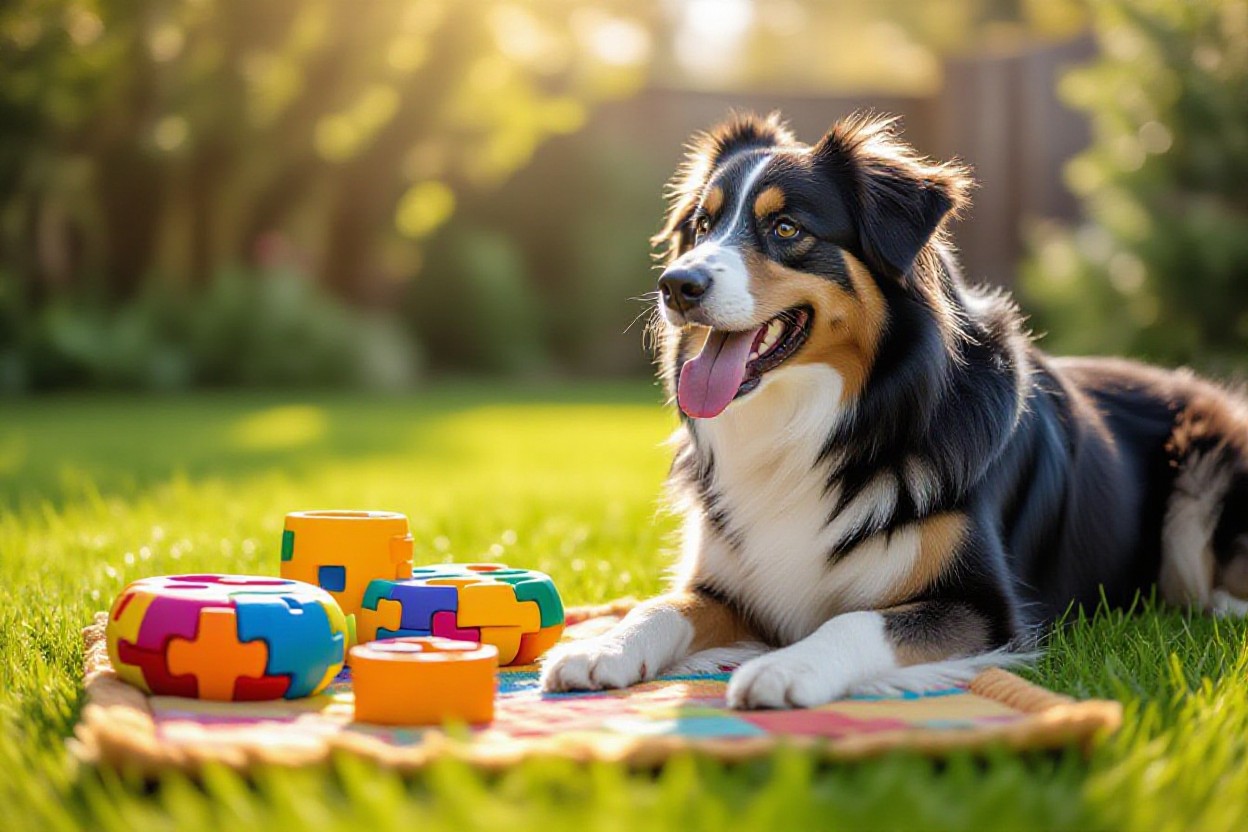
Training Drills as Enrichment
Types of Training Drills
Short, structured drills like impulse-control sits, targeting, platform stays, recall with distraction, and shaping new behaviors give your dog mental challenge and clear goals; keep drills to 3-7 minutes each with 2-5 repetitions per session and rotate drills so novelty remains high. Assume that you run drills in 5-minute blocks three times daily to sustain engagement and avoid burnout.
- Impulse-control sits
- Targeting and nose-touch
- Platform stays
- Recall with gradual distractions
- Shaping tricks (spin, roll, paw)
| Impulse-control sit | 2-4 min; 5-8 reps; reward for delaying movement |
| Targeting | 3-5 min; 10-12 reps; builds focus and body awareness |
| Platform stays | 5-7 min; increase duration by 10-15 sec each rep |
| Recall with distraction | Short distances first; 80-90% success before increasing distance |
| Shaping tricks | Runs of 4-6 minutes; break behavior into 3-6 small steps |
Incorporating Commands into Play
You can weave commands into games so practice feels like fun: use “sit” before tug, require “drop” during fetch, or ask for a quick “watch me” before releasing to chase; aim for 2-3 commands per play session and reward intermittently so engagement stays high.
For example, during a 10-minute fetch you might request “sit” before each throw, alternate 60-80% reinforcement with high-value rewards on unpredictable intervals, and end play immediately when your dog ignores a cue so the game itself becomes the incentive to comply.
The Benefits of Positive Reinforcement
Positive reinforcement accelerates learning by linking desired behavior with immediate, meaningful rewards; brief praise plus a treat within one second increases correct responses, and short daily sessions (5-10 minutes, 2-4 times) build consistency without stress.
Marking the exact moment of success with a clicker or consistent word, then following with a valued reward, improves precision-many dogs show measurable improvement in response rate within 7-14 training sessions when reinforcement is consistent and clear.
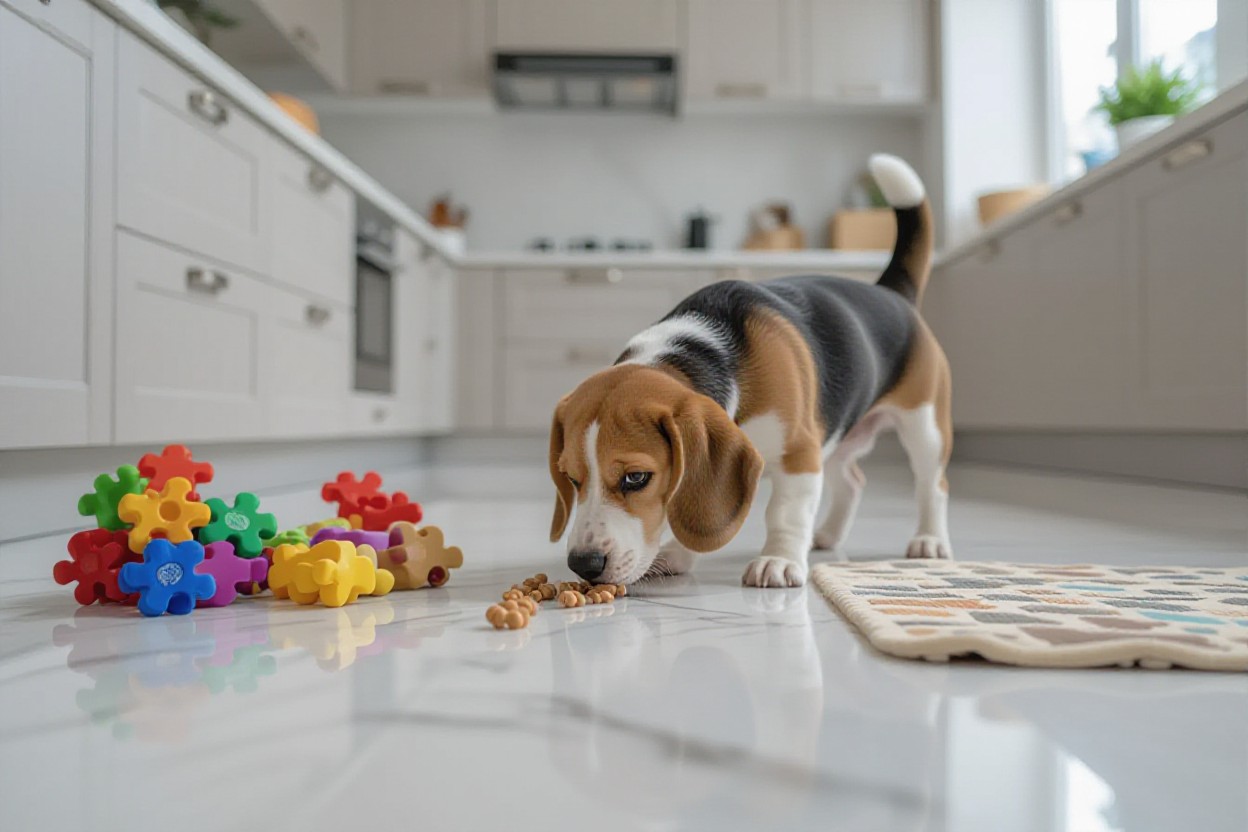
Play Routines
Interactive Play with Owners
Start with 10-15 minute sessions of tug, fetch, or scent work, two to three times daily. Use variable rewards and the Enrichment Toys For Dogs to alternate high-value treats with toys. You should switch games every 5 minutes to prevent boredom; for example, 5 minutes of fetch, 5 minutes of nosework, 5 minutes of tug to boost focus and reduce excess energy.
Group Play with Other Dogs
Begin with supervised, short sessions of 15-30 minutes with 2-4 compatible dogs; check vaccination status and temperament before joining. Rotate play types-chase, cooperative tug, loose-frisbee-to provide social and physical outlets, and intervene if play becomes one-sided or overly aggressive.
When organizing group play, pick neutral territory like a fenced park to minimize territorial responses and introduce dogs one at a time with 5-10 minutes of parallel play before free interaction. Smaller breeds often do better in pairs or trios, while some working breeds prefer higher-intensity groups; for dogs with resource-guarding histories, use separate enrichment stations and short, handler-led introductions.
Structured Playtime vs. Free Play
Use structured play-training drills, timed scent tasks, or puzzle rotations-for 10-20 minute blocks to build skills and impulse control; alternate with free play sessions of 20-40 minutes for self-directed socialization and energy release. You should plan a weekly mix, such as structured mornings and free afternoons.
Implement structure when teaching cues (sit, leave it, recall) and progressively increase difficulty using a timer or rep counts; monitor free play for signs of overstimulation and intervene with a calm cue or brief timeout when needed. Puppies need shorter bursts (5-10 minutes structured, 10-15 minutes free), while healthy adult dogs typically handle longer, varied sessions.
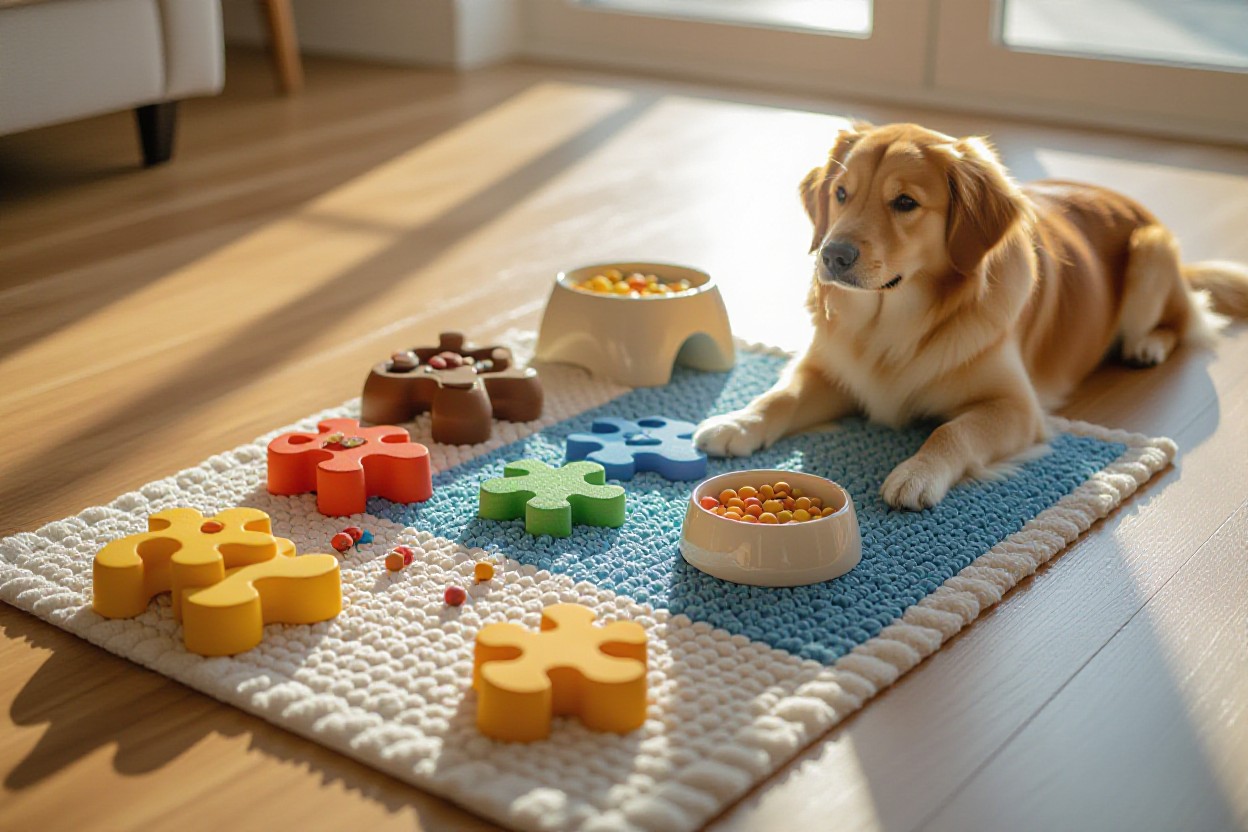
Why Dog Enrichment Matters
Impact on Mental Health
Enrichment lowers stress and reduces repetitive behaviors by giving your dog focused tasks-aim for 20-40 minutes of mental work daily. Scent games, puzzle feeders and short training sessions stimulate problem-solving and have been linked in behavioral studies to reduced cortisol and improved learning rates in shelter and working dogs.
Mitigating Boredom and Anxiety
Short enrichment routines curb boredom-driven destruction and vocalizing; for many dogs, 10-15 minutes with a food puzzle before you leave reduces separation-related chewing. Rotate 3-5 toy types weekly and pair puzzles with a calm cue so your dog predicts a comforting routine.
Use layered strategies: begin with a 5-10 minute nose-work “find it” session, follow with a 10-minute frozen Kong or chew, then a brief calming cue and reward. For anxious dogs, gradually increase alone time while providing interactive feeders and a worn shirt-case reports and trainer programs show stepwise exposure plus enrichment reduces panic-type behaviors over 4-8 weeks.
Enhancing the Human-Dog Bond
Interactive enrichment-training games, cooperative puzzles and scent work-builds trust and responsiveness; 10-15 minutes of focused joint activity daily improves cue reliability and attention. Mutual problem-solving also increases positive body language and voluntary eye contact during everyday moments.
Make enrichment a shared practice: teach the “find it” game starting with 3 easy hides and progressing to 20, use clicker-timed rewards during puzzle solving, and reward calm behavior during loading or crate routines. You’ll see stronger recall, reduced leash reactivity and more consistent engagement within weeks when you combine training with fun challenges.
Budget-Friendly Enrichment Options
Homemade Scent Trails
You can make scent trails with 5-15 small treats placed at 1-2 meter intervals, starting with a strong-smelling bait (cotton ball dipped in low-sodium chicken broth works). Set an indoor trail of 3-6 hiding spots or a longer 10-30 foot outdoor route, then gradually increase difficulty by hiding treats under rugs or behind furniture. Expect 5-20 minutes of focused search per session and always supervise to prevent scavenging of unsafe items.
DIY Toys for Dogs
Simple, low-cost toys include a braided T‑shirt tug (three 12-18″ strips), a muffin‑tin puzzle (6‑cup tin with treats hidden under 3 tennis balls), and a sock + plastic water bottle (remove cap and label first). Most builds take 2-10 minutes and cost $0-$5, and they reliably provide 5-30 minutes of play depending on your dog’s drive.
When making DIY toys, prioritize safety: use tightly woven fabrics, double‑stitch knots, and avoid small parts under about 2 cm that could be swallowed. For a braided fleece tug, cut three 1″ strips at 18″ lengths, tie a knot, braid tightly, then knot the end. For a bottle puzzle, drill 6-8 holes 5-8 mm wide so treats occasionally fall out-test with kibble first. Inspect toys after each use and retire any with loose stitching or exposed plastic.
Rotating Toys to Keep Things Fresh
Keep a stash of 6-10 toys and rotate them every 2-4 days: store half away in a labeled bin and swap sets to restore novelty. Reintroducing toys after 7-14 days often boosts interest, and using a mix of chew, puzzle, and fetch items preserves different skills. Dogs typically show longer engagement with “new” toys, so schedule rotations around walks or training sessions for maximum payoff.
Track engagement by noting which toys your dog plays with for over 5 minutes across three days; those become rotation anchors. Alternate a high‑value puzzle or chew with two low‑value toys to extend overall playtime. One practical routine: morning walk, 15-20 minute puzzle from the active set, then return that toy to the bin for 10-14 days-patterns like this often increase focused play and reduce boredom‑related behaviors.
Frequency and Duration of Enrichment
Daily Routine Suggestions
Structure short, predictable enrichment blocks: 5-10 minutes of morning sniff work, 10-15 minutes of interactive play mid-day, and a 10-20 minute puzzle toy or scent session before bed. Rotate activities daily and swap toys every 3-7 days to keep novelty. For at-home project ideas you can build, see Canine DIY Enrichment.
How Long Should Enrichment Sessions Last?
Keep mental sessions brief but frequent: 3-5 minutes for puppies and seniors, 8-15 minutes for most adults, and up to 20-30 minutes for high-drive breeds; aim for 2-4 short sessions daily instead of one long session to reduce cognitive fatigue. Pause when focus drops and vary intensity across the day.
Intensity matters as much as duration: begin new games at an easy level and increase complexity incrementally-start with 3-5 hiding spots, then expand to 8-12, or add 5-10 second waits before reward. If your dog maintains focused work for multiple sessions, you can lengthen one session by 5-10 minutes but balance with physical outlets (15-30 minute walk or play) to prevent overstimulation; track engagement across a week and adjust based on sustained interest.
Signs Your Dog Needs More Enrichment
If your dog chews furniture, paces longer than 10 minutes, vocalizes frequently, repeats circling or licking, or shows weight gain despite proper feeding, those are signs you should increase stimulation. Aim to add 30-90 minutes of combined mental and physical enrichment daily, tailored to your dog’s age and breed.
Measure problem behaviors before changing routines: log unwanted incidents for 7-14 days-if destructive episodes occur more than twice weekly, escalate enrichment by adding targeted scent games, two 15-minute training drills, and one longer walk or run daily; rotate rewards and challenge levels every 3-7 days. If behaviors persist or escalate to aggression, consult a certified behaviorist for a tailored plan.
Recognizing Overstimulation
Signs of Overstimulation in Dogs
Panting, excessive drooling, lip-licking, yawning, trembling, stiff body posture, rapid pacing, repeated spinning, whale eye, sudden avoidance or snapping and abrupt loss of focus are common signals; many dogs escalate within 10-15 minutes of high-arousal play. You should watch for body tension and broken play patterns-if your dog shifts from engaged to avoidant or shows escalated mouthing, they’re likely past their comfort threshold.
Strategies to Prevent Overstimulation
Keep intense sessions short-5-15 minutes for high-energy games-then switch to low-arousal enrichment like scent work or a calm chew. You can alternate 3-4 minute bursts of fetch with 5-10 minutes of sniffing, use consistent verbal calm cues, provide an accessible quiet zone, and avoid stacking high-arousal activities back-to-back, especially with multi-dog households.
For practical implementation, time your sessions and use gradual increases: start with a single 5-minute high-arousal play period and add 1-2 minutes only if your dog stays relaxed. Rotate puzzle difficulty every 2-3 days to keep engagement without overstimulation, and give a 30-60 second pause whenever you notice lip-licking, whale eye, or sudden stillness to let physiology settle before resuming.
Adjusting Activities Based on Your Dog’s Needs
Tailor enrichment to age, breed, and health: puppies do best with multiple 3-5 minute focus games spread through the day, adult working breeds often need 20-30 minutes of combined mental and physical work daily, and seniors benefit from scent games and low-impact puzzles. You should scale puzzle complexity and physical intensity to your dog’s endurance and recovery signs.
Use simple metrics to adjust: if your dog solves a puzzle in under 2 minutes, increase the challenge; if they lose interest or pant heavily, reduce difficulty and session length. Keep a one-week log of activity type, duration, and post-session behavior to spot patterns-this lets you fine-tune enrichment schedules and consult your veterinarian if tolerance seems unusually low.
Tailoring Enrichment to Your Dog
Considering Age and Breed
Puppies under 12 months benefit from short, frequent sessions (5-10 minutes) to protect growth plates, while adult working breeds like border collies or kelpies often need 60-120 minutes of combined physical and mental work daily. Senior dogs (7+ years) do better with low-impact scent work and short training drills to preserve cognition. You can match toys-soft, light toys for puppies, durable puzzles for power chewers, and low-effort nose games for brachycephalic breeds.
Assessing Energy Levels
Track your dog over a week using a simple 0-10 activity scale: 1-3 low (prefers naps), 4-7 moderate (regular walks, some play), 8-10 high (initiates play, destructive if bored). Count voluntary play bids and recovery time after a 10-minute trot; frequent bids and <5-minute recovery typically indicate higher energy. Use these metrics to pick intensity and session length.
For more precision, run short trials: give a 10-minute puzzle or 15-minute fetch and log enthusiasm, fatigue, and focus for three days. If your dog loses interest within 3-5 minutes repeatedly, reduce complexity or increase novelty; if they sustain high drive for 30+ minutes, scale up to structured work like scent trails or agility sessions. Case example: a 2-year-old husky scored 9 on the scale and required 90-120 minutes daily split between run and nose work to avoid hyperactivity.
Customizing Activities for Individual Dogs
Rotate 3-5 activities weekly and tailor difficulty: start a novice with two-piece puzzles and basic scent hides, then progress by increasing scent complexity or using multi-step toys. If your dog has joint issues, swap high-impact fetch for wobble boards or stationary puzzle feeders. You should size rewards and toy durability to their bite strength and motivation-use kibble for light motivators, high-value treats for low-drive dogs.
Implement gradual progression: chart engagement for two weeks, then increase challenge by ~10-20% each week-longer hide times, smaller food pieces, or faster puzzle timers. Use case adjustments: Bella, a 10-year-old golden retriever, shifted from 40-minute fetch sessions to nose work and slow retrieve games; within three weeks her gait steadied and appetite improved. Keep notes so you can replicate what consistently works for your dog.
Enrichment for Urban Dogs
Challenges of City Living
Traffic, constant foot noise and limited green areas mean your dog gets fewer spontaneous sniffing opportunities; apartments under 50 m² often force you to compress play and training into short windows. You’ll need to manage leash-only walks, busy sidewalks and sudden stimuli that trigger reactivity-so plan predictable enrichment, short training bursts (5-10 minutes), and controlled outings to reduce stress and keep energy channeled.
Finding Space for Enrichment Activities
You can create effective enrichment in very small footprints: a 1-2 m² corner can host a snuffle mat, puzzle toy rotation and short training sessions. Use vertical space-shelves for scent boxes or window perches-and schedule 3-4 five- to ten-minute play/sniff sessions daily to replace longer rural runs.
Practical examples: put a snuffle mat on the landing during laundry time, hide 8-12 treats around a balcony for a 5-7 minute search, or run stair recall drills (3-5 reps) to burn energy safely; portable playpens (1.2-1.5 m diameter) let you set up a temporary activity zone without permanent clutter.
Creating a Comfortable Home Environment
You should design a predictable, low-stress core area: a dedicated bed, a quiet corner away from the street and consistent routines for feeding and rest. Aim for ambient noise reduction (thick curtains or white noise) and a cozy retreat your dog recognizes as safe after enrichment sessions or city outings.
More tips: add a raised bed or window perch for lookout time, rotate bedding textures seasonally, use pheromone diffusers during fireworks or loud construction, and schedule a 20-30 minute calm-down routine after walks to reinforce the home as a restorative space.
Seasonal Enrichment Activities
Summer Enrichment Ideas
You can cool down enrichment by freezing low-sodium chicken or peanut-butter stuffed KONGs, offering 10-20 minute water play sessions in a shallow kiddie pool, and running scent-trails with 4-6 scent stations placed in shaded areas. Schedule high-energy games before 9 AM or after 7 PM to avoid peak heat, rotate 3-5 toys daily to prevent boredom, and use non-slip mats for splash play to protect joints and paws on hot surfaces.
Winter Enrichment Strategies
You should focus on indoor scent work, puzzle feeders, and short training bursts of 5-15 minutes to keep mental stimulation high when it’s cold outside. Provide a snuffle mat, hide kibble in 6-8 muffin-tin cups, and offer cozy rest spots with insulated bedding; for brief outdoor outings keep sessions under 10-20 minutes in sub-freezing conditions and use protective booties or jackets for short-coated or very young dogs.
Small, short-haired, senior, or very young dogs often show cold stress sooner – commonly below about 45°F (7°C) – so you ought to tailor exposure by breed and condition. Rotate winter-safe treats (frozen yogurt bites) with active indoor games like stair recall for 5-10 minutes to burn energy, and inspect paws after walks for ice buildup or salt; wipe pads and apply paw balm to prevent cracking and chemical irritation.
Adapting Activities to Weather Conditions
You should adjust intensity and surface choices: avoid asphalt when air temps exceed 85°F since pavement can run 10-20°F hotter, shorten sessions during wind or rain, and swap outdoor fetch for indoor tug or a 6-box shell game when conditions are poor. Keep fresh water available, monitor your dog’s breathing and gait, and aim for multiple short sessions (2-3 times daily) rather than one long outing in extreme weather.
Use an infrared surface thermometer or the seven-second hand test to check ground heat before walks, and plan activities around local forecasts (heat index or wind chill). For rainy days set up covered scavenger hunts or towel-based scent games; on heat advisories freeze low-sodium broth into cubes for puzzle feeders and prioritize shaded, hydrated play. Adjust toy difficulty down if sessions move indoors to keep motivation high without overtaxing your dog.
The Role of Socialization in Enrichment
Importance of Social Experiences
During the 3-14 week sensitive period and beyond, you should expose your dog to varied people, animals and environments; studies link early, diverse exposure to lower fear and better coping later. Aim for short daily interactions-20-30 minutes of supervised play or novel encounters-and include men, children, noisy surfaces and moving objects so your dog builds predictable responses instead of avoidance.
Group Activities and Classes
Signing your dog up for puppy socialization, agility, scent-work or basic obedience gives structured enrichment and real-world practice; many reputable classes run 6-8 weeks with 6-12 dogs per session, mixing social time with skill drills to boost confidence and impulse control.
Choose classes led by positive-reinforcement trainers (CPDT-KA, CBCC-KA or equivalent); a good session is 45-60 minutes with roughly 10 minutes free play, 20 minutes skill-building and 10-15 minutes controlled greetings. Expect beginner course fees typically $100-200 for a multiweek block-factor trainer-to-dog ratio and whether the class offers progressive levels.
Introducing New Dogs and People
Introduce dogs and people slowly: start on neutral ground, keep both dogs on loose leashes 10-20 feet apart, and allow parallel walking before face-to-face contact; reward calm behavior with high-value treats and limit initial greetings to brief, supervised sniffing to prevent escalation.
Use a stepwise plan: begin at 15-20 ft and walk parallel for 5-10 minutes, then decrease distance in 3-5 ft increments while watching tail carriage, lip licking and body tension; intervene or increase distance if you see stiffening, growling or prolonged staring. For rescue or reactive dogs, extend each stage across days or weeks and consider a behavior professional for guided introductions.
Summing up
Drawing together the ideas on puzzle toys, scent games, and DIY enrichments, you can create daily opportunities that stimulate your dog’s mind, reduce boredom, and improve behavior. By rotating activities, observing preferences, and gradually increasing challenge, you ensure enrichment stays engaging and safe, helping your dog thrive physically, mentally, and emotionally in your home.