

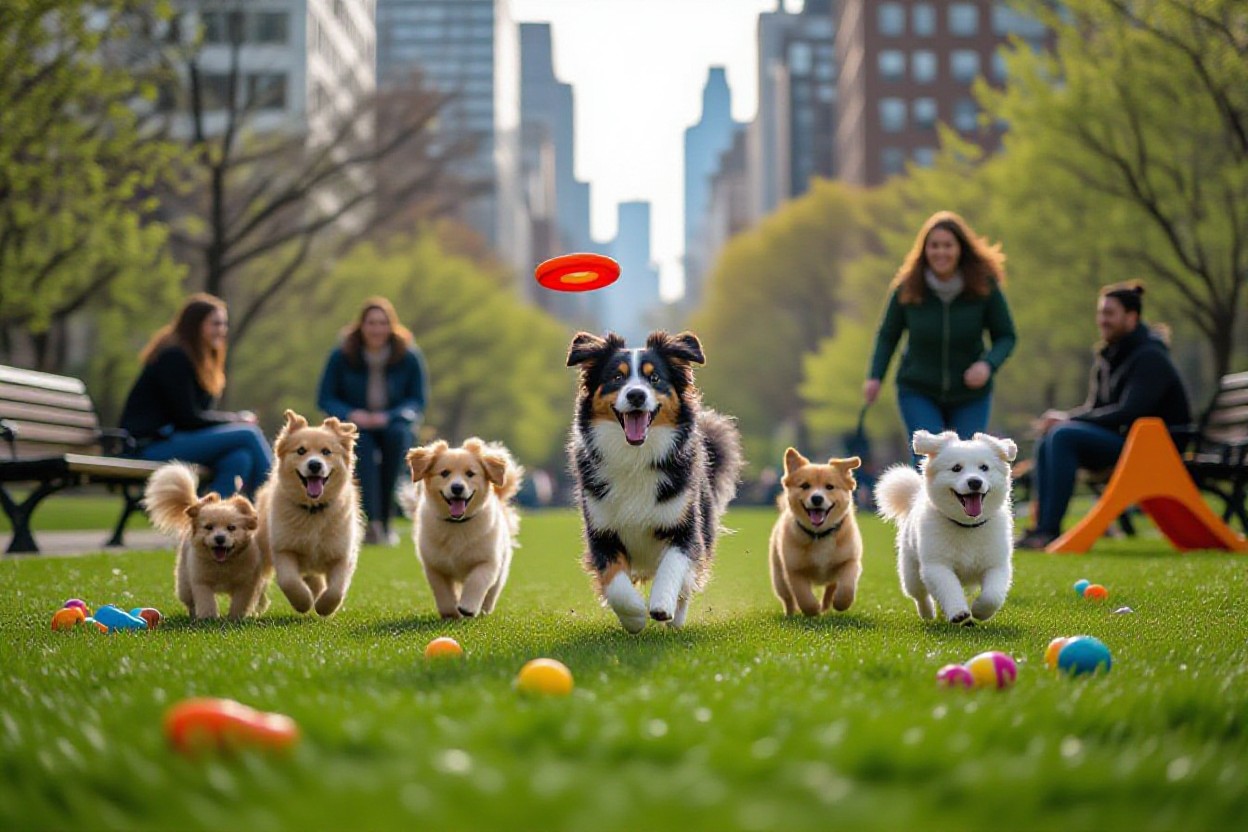
You can keep your city dog fit and stimulated by combining structured walks, interactive play, and puzzle feeders with short training sessions; balance is key to prevent overexertion and stress. Watch for hot pavement, traffic, and toxic plants that can harm your pet, and prioritize safe routes and supervision. These routines produce better behavior, reduced anxiety, and healthier weight in your dog.
Key Takeaways:
- Establish a consistent daily routine combining brisk walks, play sessions, and short training blocks.
- Use high-intensity intervals (stair climbs, short runs, tug) to burn energy when space or time is limited.
- Rotate puzzle feeders, chew toys, and foraging mats to keep mealtimes mentally engaging.
- Teach scent work, hide-and-seek, and quick obedience drills to provide cognitive challenge anywhere.
- Leverage urban resources-dog parks, pet-friendly businesses, and supervised playdates-for socialization.
- Create indoor/outdoor mini-agility courses and structured leash-walk exploration to simulate variety.
- Prioritize safety: choose low-traffic routes, monitor heat/hydration, and desensitize to crowds and noise.
Understanding the Urban Environment
The Impact of City Living on Dogs
You’ll notice constant stimuli-traffic, sirens, crowded sidewalks-drive chronic low-level stress: typical urban noise often sits between 65-85 dB, which can exacerbate anxiety and hearing sensitivity. Shorter, more fragmented walks (many urban outings run 15-30 minutes) mean you must increase mental enrichment at home. Brachycephalic breeds and dogs with respiratory issues are particularly affected by air pollution and heat-island effects, so adjust activity and monitor for coughing or excessive panting.
Common Challenges Faced by Urban Dog Owners
You deal with limited off-leash space, tight apartment layouts, and busy streets that make exercise and safe socialization harder. Potty logistics force frequent outings or indoor solutions; many buildings restrict where dogs can relieve themselves. Additionally, high pedestrian density increases encounters with distractions, yielding more training needs. Traffic, glass, and crowded intersections are immediate safety hazards you must manage during every walk.
For example, when your neighborhood has one small dog park serving thousands of residents, peak hours get crowded and stressful; you then face dog-dog reactivity, leash frustration, and sanitation concerns. Practical responses include structured scheduling (walks at off-peak times), rotating short high-quality sessions (interval games, scent work), and using controlled exposures to build confidence. Training tools-front-clip harnesses, long lines, and portable water bowls-help mitigate hazards, while consistent routines reduce separation-related behaviors and apartment destruction.
Benefits of Urban Dog Ownership
You gain easy access to services and social opportunities: group training classes, doggy daycare, groomers, and pet stores are often within walking distance. Urban life offers frequent human and canine interactions that can accelerate socialization when managed properly. Many owners find improved social connection and routine-driven wellness from daily walks and neighborhood meetups.
More specifically, you can leverage local infrastructure: weekend puppy socials at parks, weekday training clubs, and numerous behaviorists offering city-focused programs. Convenience translates to earlier intervention-you’re more likely to spot and address behavioral issues quickly thanks to nearby professionals. Also, urban amenities like indoor play centers and scent-work classes give you alternatives when weather or space limits outdoor activity, letting you maintain your dog’s physical and mental fitness year-round.
The Importance of Exercise and Mental Stimulation
Physical Health Benefits
You should aim for at least 30-60 minutes of activity daily for most dogs, with high-energy breeds often needing up to 2 hours; regular movement supports cardiovascular fitness, muscle tone, and helps manage weight, lowering the risk of obesity and diabetes. Puppies and large-breed adolescents require controlled, low-impact play to protect growth plates, and structured exercise can reduce joint degeneration in senior dogs when combined with vet guidance.
Mental Health and Wellbeing
Short, varied mental tasks-nose work, 5-10 minute training drills, puzzle feeders-can reduce stress and boredom and often tire your dog as much as a long walk; for example, 10-15 minutes of scent work can produce deep cognitive fatigue. If you want ideas, see What are ways to provide good mental stimulation indoors?
You should rotate enrichment types: alternate food puzzles, stationary scent trails, and obedience games across the day to prevent habituation. Use variable reward schedules (high-value treats intermittently) and keep training sessions short-three to five 5-minute blocks daily-so engagement stays high. For anxious dogs, pair enrichment with predictable cues and gradual exposure; measurable improvement often appears within 2-4 weeks when sessions are consistent.
The Role of Play in Dog Development
Play teaches bite inhibition, social cues, and impulse control; short, frequent sessions (multiple 5-15 minute bouts) build skills faster than one long session. You should supervise roughhousing: unsupervised rough play can escalate into injury or fear-based reactions, and puppies require gentler interactions until their musculoskeletal system matures.
Use structured play-tug with clear “drop” commands, controlled fetch with pause rules, and supervised playdates-to reinforce obedience under arousal. Socialization windows matter: expose puppies to varied, positive experiences before 16 weeks, and for large breeds avoid repetitive high-impact play until at least 12 months. Track progress with simple metrics (less mouthing, longer calm periods) to adjust intensity and type of play.
Challenges of Urban Dog Life
Busy Schedules and Time Constraints
Your workday and commute often eat into the minutes your dog needs: with many urban commutes running 30-60 minutes round-trip, you may only manage a single 10-20 minute walk. For medium-to-large breeds that thrive on 60-90 minutes of activity daily, that gap leads to weight gain, separation anxiety, and destructive behavior. Use mid-day dog walkers, doggy daycare, or short high-intensity play sessions to chunk exercise into achievable blocks.
Limited Space for Exercise
Living in a 300-600 sq ft apartment without a yard forces you to convert small areas into activity zones: plan 4-6 short sessions of 8-12 minutes (totaling 40-60 minutes) using stair fetch, tug, or scent puzzles to burn energy. Vertical enrichment like window watching and elevated platforms helps, and lack of space can cause pent-up energy and joint stress if not offset with structured activity.
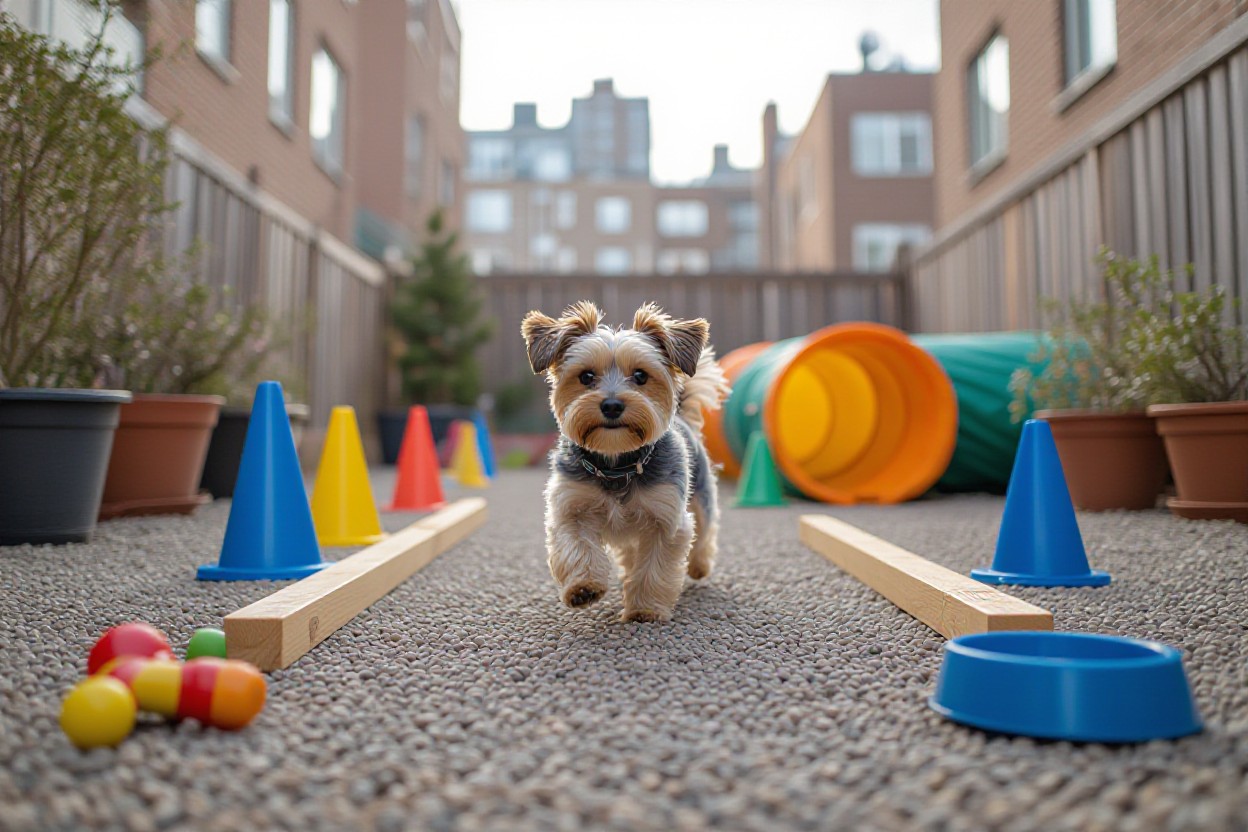
Practical solutions include a dog treadmill, indoor agility (weave poles, low jumps), and daily nosework circuits using 6-10 hidden treats to stimulate your dog mentally and physically; for example, a 5-year-old Labrador in a 550 sq ft apartment improved manners after a 6-week plan of three 20-minute high-intensity play sessions plus 15 minutes of scent work daily. Always follow city leash laws and never leave dogs unattended on balconies-heat, falls, and entanglement are real hazards.
Noise Pollution and Its Effects
City soundscapes-traffic, sirens, and fireworks-regularly hit 70-85 dB, and sudden blasts can spike above 100 dB, triggering stress and startle responses in dogs with much more sensitive hearing than yours. You may notice pacing, trembling, or disrupted sleep; those signs often indicate chronic stress and heightened reactivity, which degrade quality of life if unaddressed.
Address noise by pairing desensitization and counterconditioning with environmental changes: play background white noise or music at safe levels, use sound-absorbing bedding, and run 10-15 minute gradual sound-exposure sessions daily for 4-8 weeks, increasing intensity slowly. For severe cases consult your veterinarian about short-term anxiolytics or behavioral plans-combined approaches typically produce the best reduction in noise-related fear.
Creative Solutions for Exercise in Limited Spaces
Indoor Enrichment Activities
You can convert short bursts into real workouts using stair sprints (5-10 reps), tug games, and food puzzles like a KONG or snuffle mat; combine three 10-15 minute sessions daily to hit 30-45 minutes of activity. Use a non-slip rug and avoid slippery floors because slipping can cause ACL or joint injuries. Rotate puzzles weekly and try scent trails down a hallway with 8-12 hidden treats to keep your dog mentally engaged.
Utilizing Local Parks and Open Spaces
Plan visits at off-peak times (7-9 AM or after 7 PM) and mix 5-10 minutes of focused sniffing with 2-5 minute brisk intervals to boost cardio; aim for 20-30 minutes per outing, 3-5 times weekly. Bring water and waste bags, and follow posted leash rules since off-leash near roads is dangerous. Use benches, low walls, and steps for short agility drills and recall practice at 10-20 feet.
Scout parks using city maps or apps to find trails, fenced play areas, and flat grassy stretches under 1 mile from your building; many urban greenways run 0.5-2 miles and are ideal for interval walking. Try a 200-400 foot scent trail by hiding 6-10 treats along a path, or use picnic-table step-ups for 30-second strength rounds. If a pond is present, check for blue‑green algae advisories before allowing water play, and avoid wildlife-heavy areas during nesting season to reduce conflict.
Finding Safe Off-Leash Areas
Start by using park directories or apps to locate fenced areas with double-gated entries, clear rules, and posted size limits; prioritize parks that require vaccinations and have separate small-dog sections. Introduce your dog in short 5-10 minute visits, watch body language closely, and avoid unfenced spaces near traffic because they pose significant risk.
When evaluating a dog park, inspect for hazards like holes, broken glass, or gaps under fences and note if the area is 0.25-2 acres-smaller plots suit timid or toy breeds, larger ones let high-energy dogs sprint. Bring high-value treats and practice a 3‑step intro: leash walk around perimeter, brief off-leash greeting (30-60 seconds), then supervised play for 5-15 minutes; repeat this for the first 3 visits to gauge fit. If you see mounting, stiff posture, or >2 minutes of pinned ears, step in and separate dogs immediately to prevent escalation.
Time Management for Dog Owners
Scheduling Timed Walks
You can set predictable walk windows-morning, mid-afternoon, evening-blocking 20-30 minutes each to stabilize energy and bathroom routines; many dogs thrive on 2-3 timed outings daily. Use calendar alerts or a smart speaker to trigger departures, and avoid exercising dogs during peak heat by shifting walks to cooler hours-high temperatures raise heatstroke risk for brachycephalic and senior dogs.
Incorporating Dog Time into Daily Routines
Pair dog activities with your daily tasks: do 10 minutes of leash-walking while getting coffee, run a 5-minute recall drill between chores, or place a puzzle feeder near your workstation so your dog gets stimulation while you work. Small, regular interactions add up and reduce restless behavior.
Try a sample day: 20-minute morning walk + 10-minute training, midday 10-15 minutes of puzzle play or a quick fetch session, and a 30-minute evening outing. You can automate reminders in your phone or shared family calendar, swap midday walks with a neighbor, or book a 30-60 minute dog-walker once weekly. For enrichment ideas that mesh with tight schedules see Playful Minds, Happy Paws: the Secret to a Joyful Pet Life.
Effective Time Use in Busy Life
When time is scarce, prioritize high-quality interaction: a focused 15-minute high-drive game or training session can be as effective as a long, unfocused outing. Combine errands with walks, schedule doggie daycare 1-2 days a week, or use mid-day dog walkers to maintain consistency without overloading your day.
For shift workers or packed schedules, batch dog duties: consolidate feeding, grooming, and short training into two concentrated slots; reserve longer exercise for days off or hire a walker for 30-60 minute midday outings. Use interactive feeders and Kong-style toys during busy stretches to prevent destructive boredom, and track results-if barking, chewing, or house-soiling rises, reallocate at least one additional 15-30 minute active session per day.
Structured Social Walks
Organizing Group Walks with Other Dog Owners
Set a consistent schedule-weekend mornings or weekday evenings-and limit groups to about 4-8 dogs so you can manage behavior; pick a 30-60 minute loop with clear start/end points and water stops. Coordinate energy levels (puppy vs. mellow adult), require up-to-date vaccinations, and assign one leader to enforce leash rules and pace. Bring collapsible bowls, waste bags, and cell numbers for everyone; avoid high-traffic intersections and busy road crossings where accidents spike.
The Benefits of Socialization
Regular, structured interactions lower reactivity, reduce separation anxiety, and improve recall and impulse control; dogs exposed to new dogs and people at least once weekly often show measurable reductions in leash lunging and barking. Early socialization windows (about 3-14 weeks) matter for puppies, while consistent adult exposure helps prevent fear-based aggression and builds positive expectations in urban environments.
Watch body language closely: a healthy group walk typically includes short, calm sniffing (about 1-3 minutes per greeting), relaxed play bows, and self-regulation-if snarling or stiff postures appear, separate dogs immediately. Introduce new dogs on neutral ground, keep initial meetings brief, and use high-value treats to reinforce calm behavior; vaccination and parasite prevention (rabies, DHPP, bordetella) are non-negotiable to avoid disease transmission in group settings.
Finding Dog Walking Groups or Classes
Search local Meetup, Facebook community pages, Nextdoor, or ask trainers and shelters for recommendations; organized walks often run weekly, cost $10-$25 per session, and keep group sizes to 6-12 dogs under a certified leader. Check whether leaders require proof of vaccinations, leash etiquette, and basic obedience-those are signs of a safe, reliable group for urban dogs.
Vet options by observing a session first: note the handler-to-dog ratio, whether a trainer holds credentials like CPDT-KA, and how conflicts are managed. Confirm insurance, emergency plans, and permit compliance for parks-groups led by experienced pros typically cap attendance at 8 dogs, use structured routes, and provide progress updates so you can track social gains and safety.
Mental Stimulation Ideas
Interactive Toys and Puzzles
You can rotate a mix of Kongs, puzzle feeders and snuffle mats to keep your dog engaged; rotate toys every 48-72 hours to prevent boredom and extend interest. Try a Kong stuffed with a few kibble pieces and frozen pumpkin, or a level-2 puzzle that requires sliding or lifting panels. Choose toys sized for your dog and avoid items with small parts that could be a choking hazard.
Scent Work and Tracking Activities
You’ll tap into your dog’s strongest sense by hiding treats or scented objects around the house or yard for 10-15 minute sessions; dogs can have up to 300 million olfactory receptors, so short, focused searches are highly rewarding. Use simple hide-and-seek with three to five locations, then increase complexity by adding scent articles or longer trails. Always supervise outdoor tracking and avoid toxic baits like chocolate or xylitol.
To progress, start with a basic “find it” game: hide five small treats in visible spots, then move to covered hides and scent boxes. You can lay a short trail with a dragged scent strip for 10-30 meters, increasing length as your dog improves. Enroll in an AKC Scent Work class or follow online modules that break skills into stages-article discrimination, box search, and exterior search-so you have measurable milestones and can safely increase difficulty.
Basic Training and Commands for Mental Engagement
You should run multiple short training sessions-5 minutes, 3-5 times daily-teaching commands like “sit,” “stay,” “target,” “leave it,” and “recall” to build focus and impulse control. Use high-value treats and variable reinforcement (treat most times, then random) to maintain motivation. Keep sessions upbeat and stop before your dog loses interest; avoid forcing prolonged holds that create stress.
Once basic cues are reliable, proof them in real-world settings: practice “recall” near mild distractions, then near stronger ones, gradually increasing distance and duration. Chain behaviors (sit → wait → recall) to create useful sequences for walks and urban outings. Track progress with simple metrics-number of successful repetitions out of 10, or percentage of correct recalls at 10 m-and adjust difficulty weekly to keep your dog challenged without overload.
Dog Parks: Pros and Cons
Dog Park Pros and Cons
| Pros | Cons |
|---|---|
| Off‑leash exercise that burns energy faster than leash walks | Risk of fights when dogs misread signals or resources |
| Socialization with many dogs and people builds confidence | Disease transmission (kennel cough, parasites) in crowded spaces |
| Behavioral enrichment through varied play and stimuli | Loss of recall/control when dogs rely on park freedom |
| Free, convenient access to run and chase games | Crowding & wait times at popular hours reduce quality play |
| Real‑world training opportunities for recall, greetings, and impulse control | Injuries from rough play or terrain (holes, uneven ground) |
| Owner community for advice, playdates, and watchful eyes | Stress for shy/reactive dogs exposed to too much stimulation |
| Separate areas in many parks for small vs. large dogs | Size mismatches still occur despite designated sections |
| Exposure to varied stimuli (bikes, joggers, children) improves adaptability | Weather hazards-heatstroke in summer, ice risks in winter |
The Benefits of Dog Parks for Social Interaction
You can use dog parks to accelerate your dog’s social learning: puppies often learn bite inhibition and appropriate play signals within their first 3-6 months, while adult dogs refine body‑language cues through repeated interactions. Many owners report improved greet etiquette and reduced separation stress after regular, supervised play sessions.
Safety Considerations in Dog Parks
You should verify vaccinations and parasite control before entry, supervise every minute, and avoid bringing unvaccinated puppies because infectious diseases spread easily in communal areas; also watch for early signs of escalation-stiff body, pinned ears, or intense staring.
Check fencing integrity and gate design to prevent escapes, and confirm park rules about age or size restrictions-many urban parks keep separate small-dog enclosures of 0.2-1 acre. Bring fresh water and a bowl to reduce dogs drinking from shared puddles, and avoid peak times when parks get crowded; if your dog shows repeated stress signals, rotate to quieter hours or skip the park. Vaccinations to prioritize include rabies, distemper/parvo, and bordetella, plus up‑to‑date fecal checks and flea/tick prevention. In case of bites, document injuries, exchange owner contact info, and seek veterinary care for any puncture wounds-soft‑tissue infections can escalate within 24-48 hours.
Park Etiquette for Responsible Dog Owners
You must always pick up waste immediately, keep your dog within sight and voice, and avoid bringing high‑value toys or food that trigger resource guarding; following posted rules and limiting time when busy shows respect to others and reduces confrontations.
Introduce new dogs slowly-let them sniff while leashed briefly at the gate before release-and step in early if play becomes overly intense. If you bring treats, use them for training rather than sharing; avoid using retractable leashes inside fenced areas, and always control children near dogs. When fights happen, call owners for help, use loud distraction (air horn or clap), and never put your hands between fighting jaws; if multiple people are present, use the wheelbarrow method (two handlers lift hind legs) to safely separate. Reporting hazards-broken fences, deep holes, or aggressive repeat offenders-to park management helps keep the space safer for everyone.
Incorporating Technology into Dog Care
Wearable Devices and Activity Trackers
You can use trackers like FitBark, Whistle or lightweight accelerometer tags to log steps, rest, distance and estimated calories, helping you set daily goals and monitor recovery after injury. Many devices give sleep and activity graphs and sync to your phone; they can help you detect early signs of decreased activity, but they are not a substitute for veterinary diagnosis and may misclassify behaviors in short bursts.
GPS Collars for Tracking Exercise and Safety
GPS collars such as Fi, Tractive or Garmin provide real‑time location, route history and geofence alerts so you can track walks and react if your dog bolts. Battery life typically ranges from about 2 days in continuous-tracking mode to weeks or even months in power-saving settings, so you must balance update frequency with runtime to keep reliable coverage.
In practice, expect outdoor accuracy around 5-10 meters under clear sky, but urban canyons and tunnels increase error and latency; most units require a cellular subscription costing roughly $3-$15/month. Set tight geofences for parks, enable SOS/location sharing with caregivers, and check battery and signal before off-leash sessions to avoid false security when coverage drops.
Apps for Monitoring Dog Activity and Health
Apps paired with trackers (Whistle, FitBark, Tractive, PetDesk) consolidate activity, sleep and health reminders, let you set weight-loss or step goals, and share reports with your vet. Notifications flag anomalies and trends, and multi-dog support helps households manage schedules; use app alerts to adjust routines or seek veterinary advice when activity patterns shift significantly.
To get practical value, calibrate the app with your dog’s weight, age and typical week of activity, then use 7-14 day baselines to detect meaningful changes-watch for drops >20% in active minutes or consistent night-time rest changes. Export trend reports for vet consultations and combine app insights with your observations to fine-tune exercise, diet and recovery plans.
Breed-Specific Considerations
Understanding Energy Levels by Breed
For high-drive breeds like Border Collies and Australian Shepherds, expect 1-2+ hours of vigorous activity daily, often split between runs, agility, and focused training; smaller terriers may get by on several 15-30 minute high-intensity bursts plus puzzle toys. You should match your routine to breed history-scent work for hounds, regular fetch and structured tasks for retrievers-and plan 2-3 varied sessions per day for energetic dogs to prevent boredom and destructive behavior.
Age-Related Activities and Needs
Puppies need short, frequent play: follow the common guideline of roughly 5 minutes of structured exercise per month of age, twice daily, avoiding long runs to protect growth plates; adults benefit from steady 30-90 minute routines depending on breed; seniors respond best to low-impact, shorter sessions focused on mobility and mental stimulation.
As your dog ages, shift intensity toward balance, range-of-motion and cognitive activities: controlled walks, underwater treadmill or swimming, and scent puzzles help preserve muscle and joint function while limiting joint wear. You should reduce high-impact activities, provide ramps instead of stairs, and consult your vet about weight management and targeted physiotherapy-studies show that maintaining an ideal weight can decrease osteoarthritis progression and improve mobility in older dogs.
Addressing Breed-Specific Predispositions
Some breeds carry predictable risks-German Shepherds and Labradors have higher rates of hip dysplasia, deep-chested dogs like Great Danes face increased risk of gastric torsion (bloat), and brachycephalic breeds can suffer respiratory distress in heat or during intense exercise. You should tailor activity (low-impact strength work, paced walks, and enrichment) and feeding/exercise timing to mitigate those risks.
Practical measures you can apply include pre-exercise warm-ups, strength-building balance work for hip-prone breeds, avoiding vigorous activity for at least 60 minutes after meals in deep-chested dogs, and using harnesses rather than neck collars for breeds predisposed to tracheal issues. Additionally, implement breed-appropriate enrichment-scent trails for hounds, puzzle feeders for Labs-to satisfy instincts while reducing injury risk, and pursue diagnostic screening (OFA radiographs, cardiac checks) when indicated by breed history.
Building a Routine for Urban Dogs
Creating a Daily Exercise Schedule
You should aim for predictable blocks: for most dogs, two walks totaling 30-90 minutes daily, adjusted by breed-high-drive breeds often need 60-120 minutes. Try a brisk 20-30 minute morning session for focus and a longer evening session with play or training. Use consistent times and cues so your dog knows when activity will come; consistency helps reduce anxiety and unwanted behaviors. Watch for signs of overexertion and traffic hazards near busy streets.
Incorporating Variety to Prevent Boredom
Rotate activity types across the week-scent walks, interval fetch, 10-15 minute training bursts, puzzle toys, and controlled socialization-to keep your dog engaged and reduce destructive behaviors. Short, focused sessions can be as tiring as longer walks; for ideas, consult 15 Non-Food Enrichment Activities for Dogs from a … and schedule 3-5 different activities weekly to maintain novelty.
Vary surfaces and routes: alternate park trails, quiet sidewalks, and grassy sniffing zones, and swap indoor enrichment like tug or scent games on rainy days. Aim to change at least one element each day-duration, intensity, location, or task-so your dog encounters new challenges; for example, pair a 20-minute sniff walk with a 10-minute obedience circuit three times a week to boost mental and physical fatigue.
Adjusting Routines Based on Weather and Season
Modify timing and intensity with the seasons: in summer, walk early or late to avoid heat and hot pavement; in winter, shorten outings and add indoor enrichment. Use layered gear for cold and reflective gear for low light. Pay attention to heatstroke risks, icy hazards, and salted sidewalks, and substitute safe indoor alternatives on dangerous days.
Set concrete thresholds: avoid pavement if you cannot hold your palm on it for 5 seconds; when temperatures drop below 20°F (-6°C), limit exposure and use a coat/booties for short walks. On hot days, schedule activity before 8:00 AM or after 8:00 PM, bring water for both of you, and prefer shaded routes-these steps reduce injury risk and keep your routine consistent year-round.
Community Resources for Urban Dog Owners
Local Dog Training Classes
You can join targeted classes-puppy socialization (8-16 weeks), basic obedience, agility, or reactive-dog workshops-that typically run 4-8 weeks with class sizes of 6-12 dogs. Look for certified instructors (CPDT-KA, IAABC) and options for private sessions when your dog needs focused work; avoid dominance-based methods and trainers who use punitive tools. Many urban trainers offer evening classes and weekend STARTs to fit your schedule.
Pet-Friendly Establishments in the City
Many cafes, beer gardens, and retail stores welcome dogs on patios or leashed indoors and offer water bowls, treats, and limited canine menus-check each venue’s rules and bring proof of vaccination if asked. You’ll find pet policies vary: some places limit size or require leashes, while select hotels and apartment buildings levy pet fees per stay or month.
Use apps like BringFido and Yelp filters to map dog-friendly spots and call ahead about size limits, off-leash allowances, and health requirements. Expect common pet fees of approximately $25-$75 per night at city hotels and occasional breed or weight limits at boutique rentals. Also verify service-animal laws before challenging an access claim, and pack basics-water, waste bags, and a towel-so your dog stays comfortable and places remain welcoming.
Online Communities and Support Networks
You’ll find active Facebook groups, Nextdoor threads, and subreddits (r/dogs, r/puppy101) where local owners share sitters, trainers, and lost-and-found alerts; many groups grow to thousands of members. Use Meetup to join weekly walks or breed-specific meetups, and always treat medical advice from forums as supplementary-consult your veterinarian for health issues.
Leverage online platforms to vet providers: read reviews, request certifications, and ask for references before hiring walkers or trainers. Virtual options include Zoom coaching and structured courses (AKC resources, Fenzi-style online classes) that let you continue training between in-person sessions. For urgent community help-lost dogs, foster needs, or emergency boarding-post concise details, photos, and location; local groups often mobilize quickly when you include clear contact info and up-to-date vaccination proof.
Travel Tips for the Urban Dog Owner
- transportation
- public transit
- rideshares
- carriers
- leash laws
Recognizing how each option affects your dog’s stress, safety, and comfort helps you pick the best route.
Dog-Friendly Transportation Options
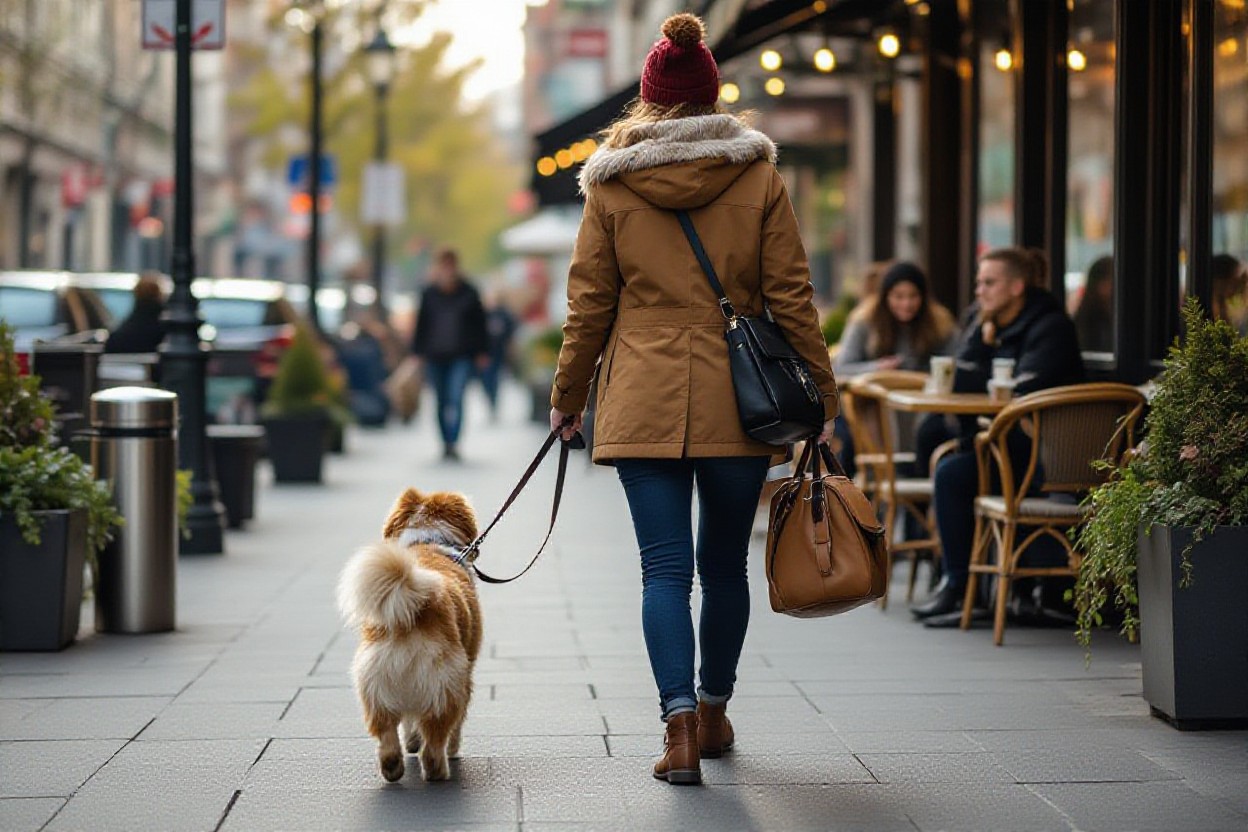
You can often use public transit with a small dog in a carrier or a leashed, well-behaved pet where local rules permit; rideshares typically require driver consent and don’t count service animals, while taxis may be more flexible. Use a secure harness or crate and a pet seatbelt in private vehicles to reduce injury risk and keep your dog calm on busy streets.
Tips for Traveling with Your Dog in the City
Plan routes that avoid peak hours, bring portable water and a collapsible bowl, and schedule short potty breaks every 1-2 hours; carrying wipes and a mat helps you manage unexpected stops. Keep identification current and pack a recent photo of your dog for quicker recovery if you get separated.
- route planning
- hydration
- identification
- breaks
Perceiving how crowd density and surface temperatures affect your dog will guide better timing and gear choices.
When you travel, use micro-schedules: aim for a 10-15 minute calm-walk before entering busy hubs to lower arousal, and select quieter streets or bike lanes as sidesteps; many owners find a fitted harness with a short lead gives better control than retractables in traffic. If you’ll be on transit, check system rules in advance-some agencies enforce carrier-only policies or size limits-and keep emergency contacts and vet details on your phone so you can act fast if your dog shows signs of overheating, anxiety, or injury.
- micro-schedules
- harness
- transit rules
- emergency contacts
Perceiving subtle behavioral changes during travel helps you intervene before a minor issue becomes serious.
Finding Accommodation that Welcomes Dogs
Filter listings on booking platforms for pet-friendly properties, check for size or breed restrictions, and verify any nightly or cleaning fees; contact hosts or hotels directly to confirm sleeping arrangements and on-site rules.
When you book, ask specific questions: whether there are designated relief areas, nearby green space, and if there’s a refundable pet deposit or extra cleaning charge-many urban hotels charge a pet fee or deposit ranging widely, so get exact numbers in writing. You should also confirm emergency vet options within 10-15 minutes of the property and clarify behavior policies to avoid unexpected fines or eviction during your stay.
Final Words
Hence you can balance brisk walks, structured play, puzzle feeders, indoor agility, and short training sessions to keep your dog physically fit and mentally engaged in an urban environment. Tailor activities to your dog’s age and energy, maintain consistent routines, and use positive reinforcement to build focus. With variety and planning, you help your dog thrive and reduce stress-related behaviors.
FAQ
Q: How much daily exercise does my urban dog need?
A: Exercise needs depend on age, breed, health and temperament; many adult dogs benefit from 30-90 minutes of activity a day split into multiple sessions. Combine brisk walks, play sessions, and focused training to cover physical and mental needs. Puppies and senior dogs require shorter, more frequent outings tailored to their energy and recovery. Track your dog’s behavior-calmer at home, good sleep, and stable weight are signs their routine is adequate; persistent boredom, destructive behavior or excess vocalization indicate you should increase or vary activity.
Q: What are effective exercise options for dogs living in small apartments?
A: Short, frequent sessions and high-intensity indoor games work well in limited space. Use stair sprints, tug, flirt-pole sessions, short recall games in a hallway, and structured training drills to burn energy quickly. Rotate interactive puzzle feeders and snuffle mats to extend engagement, and create mini-obstacle courses with cushions and boxes for agility practice. If possible, schedule multiple outdoor visits to parks or dog runs to add variety and social exposure.
Q: How can I provide mental stimulation during urban walks?
A: Turn walks into enrichment by slowing down and encouraging sniffing, using food rewards for scent-tracking drills, and practicing impulse-control cues at curbs and crossings. Stop at safe spots for short training sessions (sit, stay, name recall), play shell games with treats on benches, and incorporate novel surfaces and objects to explore. Changing routes frequently and allowing unscripted exploration makes ordinary walks more mentally tiring than brisk, repetitive routes.
Q: Which toys and puzzles are best for city dogs?
A: Choose durable, appropriately sized items: treat-dispensing toys (Kong, puzzle balls), snuffle mats, multi-level puzzle feeders, sturdy chew toys, and flirt poles for chase play. Rotate toys every few days to keep novelty high. For strong chewers select heavy-duty rubber or rope gear and supervise use; for anxious dogs try calming toys or weighted blankets. Match complexity to your dog’s skill level and gradually raise difficulty to maintain engagement.
Q: How can I keep a high-energy breed satisfied without a backyard?
A: Combine frequent high-intensity bursts (interval runs, stair workouts) with sustained low-intensity activities (long sniffing walks, nose work). Enroll in dog sports or classes-agility, rally, flyball-or use doggy daycare for supervised play. Add job-like tasks at home: advanced obedience sequences, scent-detection training, or puzzle feeders filled with meals. A predictable daily schedule and mental challenges reduce hyperactivity and impulse-driven behaviors.
Q: What are safe ways for my dog to socialize in an urban environment?
A: Follow local leash laws and use supervised options: structured small-group playdates, dog-sport classes, doggy daycare, and off-leash hours at reputable fenced parks. Observe body language and introduce dogs gradually on neutral ground. Prefer smaller, quieter parks for nervous dogs and busy dog runs only after assessing temperament. Carry waste bags and treat strangers’ dogs politely by asking owners before interactions to reduce conflicts.
Q: What urban hazards should I watch for and how do I mitigate them?
A: Common dangers include traffic, hot pavement, broken glass, spilled toxins and aggressive animals. Mitigate risks with reflective gear and LED collars for night walks, water and cooling breaks on hot days, booties or paw checks after outings, and firm control near streets. Keep vaccinations and parasite prevention current, use secure harnesses and up-to-date ID tags or microchips, and avoid discarded food, antifreeze, and human medications. Carry a basic first-aid kit and your veterinarian’s emergency contact for quick responses.