

Smart collars and GPS trackers give you real-time location and activity data so you can monitor your dog’s health and recover them if lost; geofencing and live tracking significantly increase recovery odds, yet battery failures, network outages, and privacy risks can leave your pet vulnerable. Evaluate range, subscription costs, and durability, and read hands-on reviews like Fi Series 3 Dog Collar Pros And Cons: Tried & Tested to decide if it’s worth it for your needs.
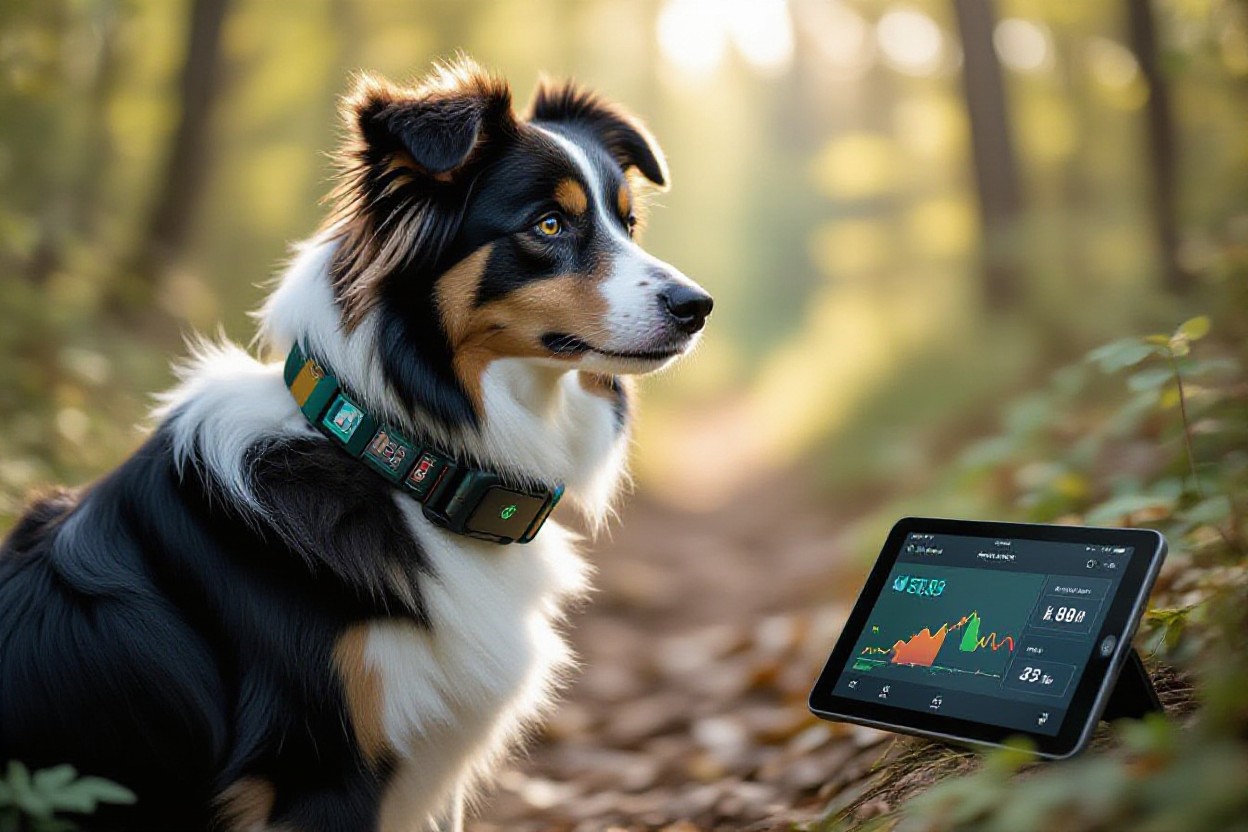
Key Takeaways:
- GPS collars provide fast location tracking and geofencing alerts that reduce search time if a dog bolts.
- Accuracy varies by model, environment, and cellular/GPS coverage; urban canyons and dense woods can degrade performance.
- Battery life ranges from a day to several weeks; frequent real-time tracking shortens runtime and requires regular charging.
- Many smart collars add activity, sleep, and health metrics useful for monitoring weight, behavior changes, or recovery.
- Subscription fees, data privacy policies, and lost-device replacement options add ongoing cost and considerations.
- Fit, durability, and water resistance determine comfort and longevity; choose models sized and rated for your dog’s activity level.
- Worth it if you need reliable location tracking, behavior monitoring, or peace of mind; casual owners may find limited benefit relative to cost.
Understanding the Rising Interest in Smart Collars and GPS Trackers
Owner Motivations for Safety
Many owners turn to smart collars because traditional ID methods don’t cover every scenario: with roughly 10 million pets lost annually in the U.S., you want tools that work when collars slip off or microchip databases are out of date. You’re often dealing with situations where every minute counts – a dog fleeing into traffic or disappearing into dense brush – so features like real‑time location and two‑way communication become practical lifesavers rather than luxury add‑ons.
Practical examples drive adoption: hunters and search‑and‑rescue handlers use rugged GPS collars that report position every few seconds, while urban dog owners prefer slimmer units with geofencing to get instant alerts if your dog breaches a virtual boundary. You’ll also see stairs in demand for activity and health monitoring; vets and trainers can use the data to spot sudden drops in activity that may signal injury or illness.
The Need for Tracking Solutions
Signal type and coverage matter for real needs: cellular GPS trackers typically provide real‑time location across towns and highways, while Bluetooth or RF trackers only work within tens to a few hundred meters – useful for backyard escapes but ineffective if your dog bolts across town. GPS accuracy usually ranges from about 5 to 20 meters depending on model and environment, so you should match device specs to the scenarios you worry about most.
Battery life and reporting frequency are tradeoffs you’ll face: many trackers extend to several days by reporting location every 5-15 minutes, but if you need second‑by‑second tracking during a hunt or in heavy traffic, expect battery life measured in hours. You should also weigh subscription costs for cellular plans; some services run <$5/month while premium networks and additional features can push the price above $15/month.
Deployment examples highlight gaps: shelters and municipal animal control often recover pets that have microchips but lack real‑time locators, resulting in long search times; equipping at‑risk dogs with GPS collars has repeatedly shortened search windows from hours to minutes in documented field recoveries, showing the practical value when speed matters most.
The Desire for Peace of Mind
Beyond safety, many owners buy smart collars for the steady reassurance they provide: geofencing alerts, live tracking, and activity summaries let you check your dog’s status from your phone while at work or on vacation. You’ll find that frequent, low‑effort updates reduce anxiety-knowing your dog is safely at the dog park or keeping pace on a trail lowers the impulse to call neighbors or drive back home constantly.
Integrations with vet apps and behavior logs also add value: when your tracker documents a pattern of restless nights or declining steps, you can present objective data to your veterinarian rather than relying on memory. That data has practical outcomes-earlier interventions, fewer emergency visits, and more tailored training plans-so the upfront cost can produce measurable benefits over time.
Case examples reflect this: busy professionals report spending 30-60% less time worrying about escapes after adding geofence alerts, and breeders monitoring multiple dogs cite clearer insights into heat cycles and fitness that helped prevent health complications, demonstrating how peace of mind often translates into better day‑to‑day care.
Overview of Available Technology
Smart Collars: Features and Functionality
You’ll find two main form factors: integrated smart collars that replace a traditional collar, and small attachable tags that clip to any collar. Common features include GPS/GNSS positioning, Bluetooth for short-range pairing, LED safety lights, two-way audio, temperature sensors, and activity tracking via accelerometers. Many models also offer remote training options such as vibration and tone; some include static stimulation-which carries safety and ethical concerns and should be evaluated carefully.
Battery life and pricing vary widely: basic Bluetooth tags can last months on coin cells, GPS/LTE units typically range from 12 hours in continuous “live” mode to several weeks in low-power modes. Device prices run roughly $50-$300 and most GPS-enabled units require a cellular subscription, commonly between $3-$15/month. You’ll see brands aimed at pet owners (Fi, Whistle, Tractive) and work/hunting dogs (Garmin) that prioritize different tradeoffs-durability and range for field use, or long battery and comfort for daily pet wear.
GPS Trackers: How They Work
GPS trackers use satellite GNSS positioning (GPS, often paired with GLONASS/Galileo) to compute a location fix, then send that fix to your phone via cellular networks (LTE/3G/2G) or relay it through a companion device. In open sky you can expect typical accuracy of roughly 5-30 meters, but that degrades under heavy canopy, inside buildings, or in urban canyons. Trackers offer adjustable update intervals-anything from 1 second (“live” mode) to several minutes-to balance timeliness against battery life.
Manufacturers mix technologies to improve coverage: assisted GPS (A‑GPS) and cell-tower triangulation help get quicker fixes or fallback positions when satellites are unavailable, while Bluetooth or UWB provide precise short-range locating at home. Expect additional features like geofencing (instant alerts when your dog crosses a virtual boundary), breadcrumb trails, and location history-features that almost always require a paid subscription and can be disabled if you need longer battery life.
Be aware of limitations: GPS is unreliable indoors and can be thrown off by multipath reflections, so overreliance on GPS for immediate recovery is risky if the tracker’s battery dies or the dog is in dense brush. For working dogs, many handlers pair GPS with VHF/radio collars and handheld receivers-VHF doesn’t rely on cellular networks and can be effective several kilometers away with line of sight, making it a valuable backup in remote terrain.
Activity Monitors: Tracking Health and Fitness
Activity monitors use multi-axis accelerometers (and sometimes gyroscopes and heart-rate sensors) to quantify steps, rest vs active time, distance estimates, and sleep patterns. Manufacturers typically normalize targets to your dog’s weight, age, and breed profile so you get actionable goals-many recommend 30-60 minutes of moderate activity per day for average adult dogs. The biggest value is trend detection: a sustained >20% drop in daily activity or changes in nighttime rest often flags injury, arthritis flare, or illness before you notice.
Integration with veterinary portals and apps is common: you can export activity logs, share trends with your vet, or set automated alerts for low activity or abnormal vitals. Battery life here tends to be generous-several weeks to months-because activity monitors sample less frequently than GPS units. Still, fit matters: a loose collar or tag flipping under dense fur will reduce data quality and produce false positives or missed events.
Accuracy varies by metric-step counts and gross activity correlate fairly well with direct observation, while calorie burn and fine gait abnormalities are harder to estimate reliably. Algorithms improve over time as companies refine models on larger datasets, but you should treat activity data as a directional tool for monitoring trends rather than an exact clinical measure.
Types of Smart Collars and GPS Devices
- GPS
- smart collar
- geofencing
- virtual fence
- tracking
| Device type | Typical features / notes |
| Basic GPS trackers (tags) | Location pings via GPS, compact form, battery life typically 24 hours-14 days, inexpensive but limited sensors. |
| Advanced smart collars | Integrated collar units with activity monitoring, two-way communication, temperature sensors, and accuracy often within 5-30 meters. |
| GSM / LTE collars | Use cellular networks for live updates and broader coverage; expect subscription fees (~$3-$15/month) and near-real-time tracking in covered areas. |
| Satellite collars | Designed for wide-open or remote areas (hunting or working dogs); offer global coverage but are bulkier and costlier, both hardware and service. |
| Bluetooth / short-range tags | Best for tight-range recovery (home, yard); extremely long battery life but unreliable for off-property escapes. |
Basic GPS Trackers vs. Advanced Smart Collars
You get quick, raw location with a basic GPS tracker: many models send a coordinate every 10-60 seconds and conserve battery by reducing ping frequency when stationary; practical battery ranges are usually from a day up to two weeks depending on settings. In contrast, advanced smart collars combine tracking with activity metrics, health sensors, and integration into apps that summarize daily behavior-some devices (e.g., activity-focused collars) claim multi-week battery life under conservative update schedules.
Performance differences matter: basic trackers will often have lower cost and simpler setup, while advanced collars will offer geofencing, automatic alerts, and richer telemetry (heart-rate proxies, temperature warnings). Latency can range from near-real-time (seconds) on LTE devices to minutes on low-power GPS; choose based on whether you need instant retrieval or long-term monitoring.
- Frequency of location updates (seconds vs minutes)
- Battery life vs. update rate trade-off
- Subscription costs for cellular/satellite service
- Durability and waterproof rating for your dog’s activities
- Additional sensors or remote features you actually use
Comparison table
| Factor | What it affects |
| Update rate | Speed of location fixes and battery drain |
| Connectivity type | Coverage area (Bluetooth < small, LTE/GSM < regional, satellite < global) |
| On-device sensors | Health and behavior insights vs. pure location |
| Subscription model | Ongoing cost and cloud features (map history, alerts) |
Virtual Fences: Setting Boundaries for Dogs
Virtual fences use geofencing to create a digital boundary you draw in the app-many systems let you set radii from 10 meters up to several kilometers or use polygon tools for irregular lots. For typical suburban yards you can expect reliable alerts if your dog crosses the line, but GPS drift (commonly 5-30 meters) can cause false alarms in dense tree cover or between tall buildings.
Some collars combine GPS with inertial sensors to reduce false triggers: when the collar detects both a boundary crossing and a running motion pattern, alerts are more accurate. Be aware of limitations: virtual fences do not physically stop your dog, so you should pair them with training and a secondary containment method for high-risk escape artists; otherwise you risk a false sense of security that could lead to dangerous situations near roads.
Additional points: many apps log boundary breaches with timestamps and location snapshots, which you can use to refine fence placement and timing to reduce nuisance alerts.
Integration with Other Pet Technology
Modern smart collars often integrate with pet cameras, smart feeders, and home automation platforms-so when your collar sends an escape alert you can automatically trigger a camera recording, send push notifications, or run routines through IFTTT/Alexa. Real implementations show practical benefits: pairing a collar with a wide-angle yard camera cuts response time because you can see which gate the dog used before you arrive.
APIs and cloud integrations vary: some manufacturers expose open APIs for developers, while others keep features app-locked; if you plan to automate responses (camera snapshot, smart lock control, or sprinkler deterring), verify compatibility beforehand and account for potential subscription dependencies that enable cloud-based automations.
Integration with veterinary platforms or activity-history export can also help you and your vet track long-term trends and spot early signs of mobility or health issues.
This gives you a practical checklist to evaluate devices.
Benefits of Using Smart Collars and GPS Trackers
Location Tracking and Real-Time Monitoring
When you need to locate a dog that’s wandered off, GPS collars give you live positioning with typical consumer accuracy of about 3-10 meters in open sky, while Bluetooth-only tags are limited to roughly 30-100 feet of range. You’ll see most LTE-based trackers update location every 5-60 seconds depending on settings; that rapid refresh plus geofencing means you can get an alert and be on-site within minutes rather than hours.
Because signal quality varies, expect degraded performance in dense forest, deep canyons, or inner-city “urban canyons” where buildings block satellites or cell towers. You should plan for that by combining real-time tracking with features like breadcrumb history (showing the last several minutes of movement) and the ability to trigger audible/LED cues on the collar to help you spot your dog at night.
Health and Activity Monitoring Features
Smart collars track steps, active minutes, distance and often estimate calories burned, giving you objective data to tailor exercise for weight management – for example, increasing daily activity if your dog’s weekly active minutes fall below recommended targets. Many devices also monitor resting heart rate and respiration patterns; typical resting heart rates vary by size (small dogs often 100-140 bpm, large dogs 60-100 bpm), so you can flag deviations that may warrant a vet check.
Beyond basic activity, some collars log sleep/rest cycles and identify long-term trends such as gradual declines in activity that can indicate orthopedic pain or early disease. Manufacturers commonly provide dashboards and weekly trend reports so you can compare baseline weeks to current behavior and share concise data with your veterinarian.
More advanced units include fall or seizure detection and temperature alerts; if a collar records sustained spikes in heart rate or rapid panting, it can push an immediate notification so you can act quickly – early intervention may prevent emergency escalation.
Stress Tracking: Understanding Your Dog’s Emotions
Stress-tracking collars use heart-rate variability, respiration, and accelerometer patterns to infer anxiety events like separation anxiety or storm phobia. When you get a stress alert, you’ll know not just that your dog is moving but that their physiological state has changed, which lets you intervene with calming measures, remote voice commands, or timed enrichment.
Practical applications include detecting repeated stress spikes during specific triggers (e.g., fireworks season) so you can plan counter-conditioning or medication consultation with your vet. Some systems tag the exact time and context of stress events, making it easier to correlate with environmental causes and measure whether interventions reduce frequency over weeks.
More granular data-such as a sudden drop in HRV combined with increased pacing-can differentiate acute panic from normal excitement, and many owners find that early alerts reduce the duration of anxiety episodes, improving quality of life for both dog and household.
Prevention of Lost-Dog Situations
Geofencing and instant alerts change the equation when a dog leaves a safe area: you’ll receive a push notification the moment the boundary is crossed and can start the search immediately, often cutting search windows from hours to minutes. Community-enabled apps and “find my dog” networks also let nearby users assist, increasing the likelihood of recovery in populated areas.
Supplemental features like LED strobes, two-way audio, and audible beeps make nighttime or dense-cover retrieval easier; additionally, breadcrumb trails and history playback show the dog’s recent path, letting you predict where they might head next rather than chasing random signals. Keep in mind that battery drain and cellular dead zones are the main risks to continuous prevention, so you should monitor battery level and plan collar placement accordingly.
More safeguards include automatic last-known-location storage and low-battery alerts that give you time to retrieve or recharge the collar before it goes offline; combining GPS tracking with microchipping and visible ID tags provides layered protection that significantly raises recovery odds.
Potential Drawbacks of Smart Collars and GPS Trackers
Cost Analysis: Are They Worth the Investment?
Upfront device prices typically range from about $50 to $300+, while most full-featured GPS collars require a cellular subscription that runs roughly $5-$20 per month. If you buy a $150 collar and pay $8/month, your first-year outlay is roughly $246 and your ongoing annual cost is about $96, so the three-year total approaches $438 – a number that matters if you own multiple dogs or budget tightly.
Beyond the obvious purchase and subscription fees, expect add-on costs: replacement straps or waterproof housings ($10-$60), expedited shipping for lost-dog recovery, and potential higher data fees if you use continuous live-tracking frequently. If your dog bolts often, hunts in remote terrain, or you live in an area with poor microchip-scanning access, the investment can pay off quickly; if your dog is low-risk and always supervised, the recurring fees may outweigh the benefit.
Reliability and Accuracy of Tracking
GPS accuracy varies widely by environment and hardware: in open sky you can often get 3-10 meter accuracy, but in dense forest, deep valleys, or urban “canyons” that error can grow to 30-100+ meters. Devices that combine GPS with other GNSS systems (GLONASS, Galileo) and a strong antenna typically perform better, yet performance still depends on line-of-sight to satellites and the collar’s antenna placement on the dog.
Cellular-based trackers add another failure mode – coverage gaps and network handoffs introduce latency and occasional dropouts, so geofence alerts can be delayed by tens of seconds to several minutes in real conditions. Bluetooth-only tags will keep you close but won’t help once the dog is out of range, and some “hybrid” systems switch modes automatically, which can produce inconsistent location updates.
More detailed testing shows that multi-tech collars (GNSS + LTE + local radio) give the best practical results in remote areas, while urban users should prioritize devices with reliable cellular roaming and fast update intervals; still, no tracker removes the need for physical ID and microchipping as a backup if the collar fails or is removed.
Battery Life Considerations
Battery life is a frequent trade-off: aggressive live-tracking modes can drain a collar in 6-24 hours, whereas conservative settings (periodic pings, sleep modes) can extend runtime to 3-14 days depending on the model. Charging times commonly fall between 1-3 hours, so rapid recovery is possible but you’ll need a charging routine if you rely on continuous tracking.
Environmental factors and feature use alter those numbers dramatically: frequent location pings, LTE uploads, and cold temperatures all shorten runtime, and manufacturers’ “up to” specs often assume ideal conditions. If you’re away on multiday hikes or in winter, a collar that lasted a week on a table can die in a day on a dog in sub-freezing weather – short battery life can leave you without tracking when you need it most.
To get realistic expectations, check independent battery tests and plan for contingencies: carry a portable charger, use geofence-only modes to conserve power, or choose models with replaceable batteries if you need long-term, high-availability tracking in remote or cold environments.
Privacy and Data Security Concerns
Trackers collect sensitive information: exact location history, activity patterns, and sometimes health metrics. Many vendors store that data in the cloud and may share aggregated or even raw data with partners unless you opt out. If a vendor lacks strong protections – encryption in transit and at rest, secure authentication – your dog’s location and routines could be exposed.
A compromised account or insecure API can enable persistent stalking of your schedule or targeted theft. Legal protections such as GDPR and CCPA can help if you live in covered jurisdictions, but policies vary widely, so you should inspect retention periods, third-party sharing, and deletion procedures before you commit.
More information: prioritize vendors that offer two-factor authentication, documented encryption practices, and clear data-deletion options, and ask whether they perform third-party security audits (SOC2) or publish a privacy whitepaper; those signals reduce the risk of unauthorized tracking and data misuse.
Who Benefits Most from Smart Collars and GPS Technology
Urban Dog Owners: A Special Case
In dense city environments you deal with hazards that rural owners seldom face: fast-moving traffic, crowded sidewalks, and a higher risk of pet theft. GPS performance drops in “urban canyons” where buildings block satellites, so expect real-world accuracy in the range of about 5-20 meters depending on the model; devices that combine GPS with Wi‑Fi and cell-tower triangulation tend to perform best downtown. Geofencing set to keep your dog within a 50-200 meter zone around your apartment or a dog run can cut search time dramatically by sending near-instant alerts when your dog leaves the area.
Charging and subscription logistics matter more in the city because you’ll likely want frequent, near-real-time updates-this pushes battery life toward the lower end of manufacturer claims. If you regularly take your dog on public transit or to busy parks, choose a collar with reliable LTE coverage and a robust clasp or theft-resistant design, and verify the provider’s coverage map for the neighborhoods you frequent before buying.
Dogs with Anxiety Issues
If your dog struggles with separation anxiety or noise phobias, a smart collar can act as both an early-warning system and a remote intervention tool. Activity and restlessness monitoring will alert you when pacing or elevated movement patterns begin, and features like two-way audio or vibration calming can let you soothe the dog immediately rather than arriving minutes later to find a full-blown panic episode.
Heart-rate and body-movement sensors available on higher-end models provide richer data than basic activity trackers, so you can spot trends (for example, repeated spikes during thunderstorms) and share quantified evidence with a trainer or vet. Combining timed training interventions with data from the collar often speeds up behavior modification because you can act at the first sign of agitation rather than after the episode escalates.
More advanced integrations let you set automated responses-such as sending a calming playlist, triggering a vibration pattern, or notifying a dog walker-when the system detects sustained stress, which reduces the window during which your dog is at risk of harming themselves or escaping.
Frequent Travelers: Keeping Track on the Go
When you take your dog across state lines or to foreign countries, the main considerations are coverage, roaming costs, and how the collar performs in unfamiliar terrain. Some providers offer international roaming SIMs or global plans that maintain mapping and live-tracking across borders; others are regional only. Expect subscription fees in the ballpark of $5-$15/month for typical consumer plans, and check whether the device shows coverage maps for the countries you visit before relying on it abroad.
Battery life again becomes a limiting factor when you’re away from home chargers-continuous live tracking can drain a unit in under 24 hours on some models, while power-saving modes can extend life to several days by reducing ping frequency. For frequent flights and road trips, pick a collar with flexible tracking intervals, durable construction for luggage and outdoor use, and clear offline behavior (for example, storing the last-known location if cellular connectivity drops).
More info: offline fallbacks like Bluetooth range, last‑seen GPS breadcrumbs, and map-history exports are especially useful when you enter areas with spotty service; having those features can mean the difference between a quick retrieval and a time-consuming search in an unfamiliar place.
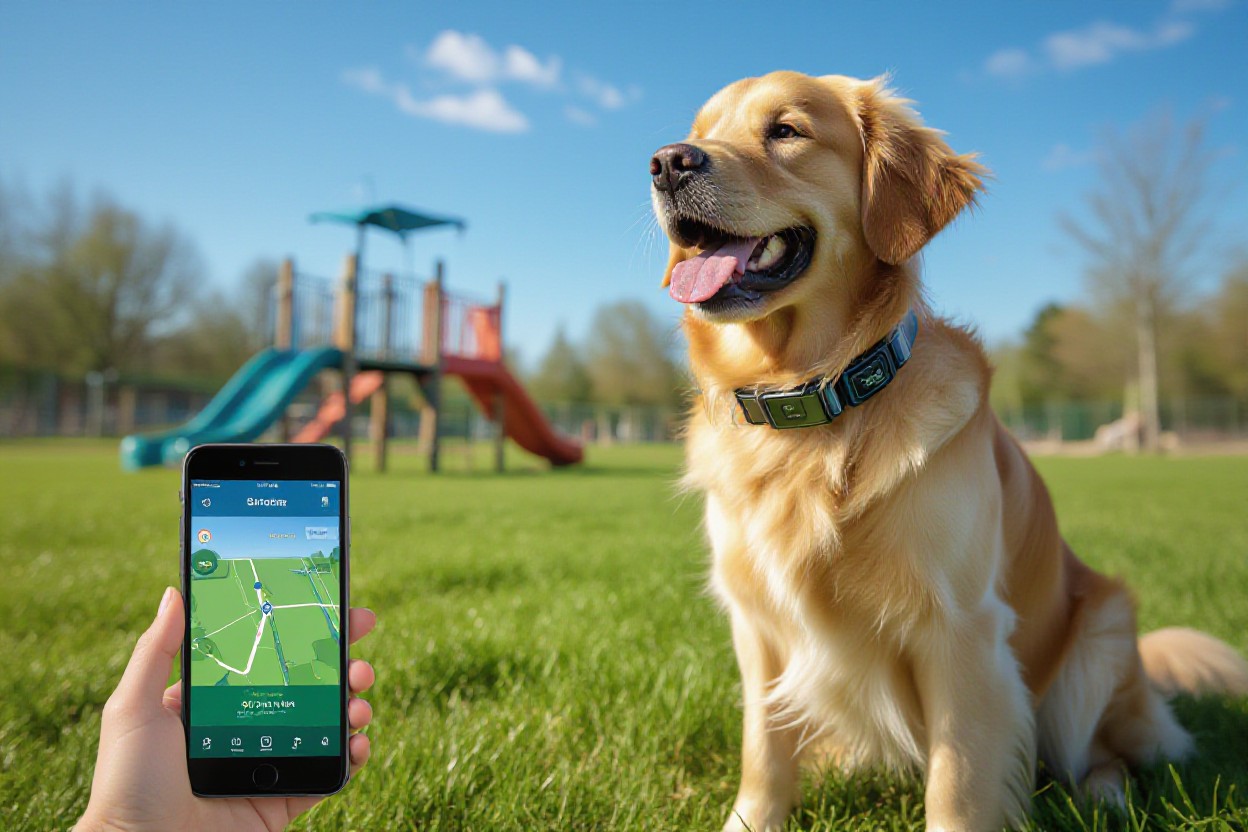
Key Features to Look for in Smart Collars and GPS Trackers
- Real-time GPS tracking with update frequency options (1-30 seconds) and typical accuracy ranges of 5-20 meters depending on device and environment.
- Geofencing that lets you set virtual boundaries and receive instant alerts when your dog exits a zone; look for customizable radii down to 10-20 meters for tight control.
- Battery life and power modes – active tracking often gives 12-48 hours, while low-power or standby modes can stretch to 7-30 days; some units use replaceable cells vs rechargeable packs.
- Connectivity: LTE-M/NB-IoT vs standard GSM and local Bluetooth fallback (10-100 m) for short-range recovery and offline logging.
- Durability & weather resistance with ratings like IP67/IP68 or MIL-STD-810G for dust/water and shock protection – important if your dog swims or explores rough terrain.
- Size & weight suitable for your dog’s breed – many collars keep weight under 100 g for small breeds; check strap width and attachment security.
- Activity and health monitoring (steps, rest, unusual behavior alerts) with baseline metrics and trends you can export or review in-app.
- Safety features such as built-in LED lights, audible alerts, SOS buttons, and remote stimulation options (vibration, tone; avoid static shock unless you explicitly accept the risk).
- Subscription cost & data plan transparency – expect typical monthly fees of $4-$12 for cellular tracking; confirm what features are gated behind paid tiers.
- App features & sharing including live map layers (satellite/street), location history playback, multi-user access, and precise accuracy/signal indicators.
- Fail-safes: offline logging, last-known-location timestamps, and fall-back Bluetooth or RF beacons to aid searches when cellular fails.
- Charging options: USB-C, magnetic pogo pins, or replaceable batteries – consider recharge time and ease of use for regular maintenance.
Battery Life and Charging Options
Battery longevity is where you’ll feel trade-offs most clearly: continuous high-frequency tracking (1-5 second updates) can drain most collars in 12-24 hours, whereas switching to 10-30 second updates or an interval mode often pushes the runtime to 24-72 hours, and standby modes can stretch to 7-30 days on some models. If you run evening off-leash sessions every day, opt for a unit that advertises at least 24 hours of heavy-use runtime or supports quick top-ups.
Charging method affects real-world use: magnetic pogo-pin or USB-C chargers usually fully recharge a collar in 1-3 hours, while units with user-replaceable CR123A or AA cells can be returned to service immediately if you carry spares. Cold conditions reduce effective capacity – expect a 20-50% drop below 0°C – so plan for shorter intervals and check the in-app battery percentage frequently to avoid a dead device when you need it most.
Durability and Weather Resistance
Materials and sealing define whether a collar survives swims, mud, and bumps: look for IP67/IP68 ratings for immersion and dust protection and models that cite MIL-STD-810G style testing for shock and drop resistance. Hard polycarbonate housings with reinforced mounting points resist impact, while silicone or rubberized edges reduce antenna damage from rough play.
Chemicals and saltwater are common failure modes – salt accelerates corrosion on contacts and exposed metal, and cheap port covers let moisture in after repeated use. If your dog swims in the ocean or rolls in wet underbrush, choose a collar with sealed charging ports and replaceable O-rings rather than one that relies on exposed connectors.
Maintenance matters: rinse collars with fresh water after salt exposure, dry thoroughly before charging, and inspect seals and charging contacts monthly; regular firmware updates from reputable brands also fix sensor calibration and improve resilience to environmental noise.
User Interface and Usability of Apps
App clarity determines how fast you can react: prefer apps that display location accuracy in meters, last-fix timestamps, and signal strength bars so you can judge whether a reported point is reliable. Good apps let you toggle map layers (satellite vs street), replay location history at selectable speeds, and set multi-tier alerts (escape, re-entry, high-speed run) with minimum fuss.
Shared access and multi-dog management are practical time-savers – the best apps let you invite family or sitters with adjustable permissions, export CSV history, and create named profiles per dog. Expect some premium features (extended history, faster refresh rates) to require a subscription; verify trial periods and cancellation policies before committing.
Onboarding quality varies: choose an ecosystem with clear setup wizards, offline map caching for areas with weak cellular, and explicit indicators when the unit drops to Bluetooth-only or loses GPS fixes, because confusing UIs delay response during an escape.
This combination of hardware specs, environmental resilience, and app usability ultimately determines whether the collar helps you recover your dog quickly or leaves you with gaps when you need it most.
Integration with Veterinary Care
Data Sharing between Owners and Vets
You can export activity and GPS logs from most pet-tracking apps as CSV or PDF reports, or grant read-only access to your veterinarian through platforms like Whistle and FitBark that offer vet-facing tools. Typical reports include time-stamped location points, daily distance, activity epochs (rest vs. active), and, when supported, heart-rate or respiration summaries; many devices sample GPS at intervals of 1-5 minutes and activity in 1-60 second epochs, which helps create a usable clinical picture without overwhelming file sizes.
When you share data, vets can overlay the collar output with clinical notes to assess trends before and after treatment – for example, postoperative recovery or adjustments to analgesics. Be aware of privacy settings and data-retention policies in the app you use, and avoid making emergency decisions solely from raw location points: spikes in activity or sudden prolonged inactivity should prompt immediate contact with your clinic rather than a wait-and-see approach.
How Vets Can Utilize Tracking Data
Vets use collar data mainly for trend analysis: comparing a 7-14 day baseline to current readings to detect declines in mobility, increases in nocturnal pacing, or reduced overall play that may signal pain, disease progression, or behavioral stress. For instance, a steady downward slope in daily active minutes combined with owner reports of limping can justify radiographs or adjustments to an anti-inflammatory regimen.
Behavioral and location data also guide interventions: frequent geofence breaches and repeated escape routes can change the management plan from training-only to environmental modification or surgical options in severe cases. Clinic workflows typically accept emailed summaries or CSVs, and some practices import reports into the medical record for longitudinal review, improving decision-making when weighing diagnostics or medication changes.
Limitations matter: GPS signal loss under heavy canopy or in urban canyons and collar rotation that records false movement can produce misleading outliers, so vets always correlate device output with a physical exam and owner observations. If you see unexpected sustained tachycardia, prolonged inactivity over 24 hours, or repeated seizure-like bursts on the trace, contact your vet immediately – these are actionable findings that tracking can help surface but not fully diagnose.
Importance of Regular Health Check-ups
Even with continuous monitoring, you should maintain routine veterinary exams: annual visits are appropriate for most adult dogs, while seniors and dogs with chronic conditions should be seen every 6 months. Trackers are an adjunct for early detection and remote monitoring, not a replacement for palpation, auscultation, and diagnostic testing that only a clinic can provide.
Vets perform tests that collars cannot: blood panels (including SDMA for early kidney disease), urinalysis, dental assessment, and imaging when indicated – all of which can detect disease before activity changes become obvious. Combining a tracker-derived activity trend with lab abnormalities increases the likelihood of catching issues early and tailoring treatment more precisely.
Bring 7-14 day summaries or screenshots to appointments and discuss any alarm thresholds you’ve set; that context helps your vet interpret spikes, dips, and location incidents and supports shared decisions about diagnostics or medication adjustments. Do not skip scheduled exams because your tracker shows “normal” activity – a physical exam can reveal silent problems that data alone cannot.
User Experiences and Testimonials
Success Stories
Several owners report near-immediate recoveries when a collar has reliable connectivity: one account describes tracking a Labrador roughly 2.5 miles into thick woods and reaching the dog in about 18 minutes after following live location pings and an active geofence alert. You’ll see similar results when the device combines LTE or satellite links with real-time updates-those setups turn what would be hours-long searches into single-digit-minute recoveries in open terrain.
Another practical example comes from a hunter whose hound crossed a county road; the collar’s live-tracking and speed alerts let the owner intercept the dog before traffic exposure escalated. In suburban cases you’ll often recover a bolting dog within 10-30 minutes if the collar maintains a clear signal and the app shows breadcrumb trails that narrow down routes and last-known direction.
Challenges Faced by Pet Owners
You will encounter several recurring problems: short battery life during frequent live-tracking modes (expect roughly 6-12 hours on aggressive 1-2 minute update settings vs. 24-72 hours on conservative schedules), monthly subscription fees typically between $3-$15, and gaps in coverage where LTE or GPS signal is weak-rural valleys and dense urban canyons are common dead zones. Those limitations directly affect your ability to locate a lost dog fast.
Durability and fit also matter: owners report strap failures, water-resistance limits, and skin chafing when collars are too heavy or worn continuously. You should be aware of a false sense of security risk-relying solely on the collar can reduce the emphasis you place on good recall training and visual ID, which remain crucial backups if the device fails.
More details on trade-offs: increasing update frequency from 15-minute to 1-minute intervals can drop battery life from days to under a day, so you must balance responsiveness against uptime. If you commonly hike or go off-grid, plan for backup ID (tags, microchip) and consider carrying a portable charger or a secondary low-power tracker for extended trips.
Expert Opinions on Effectiveness
Veterinarians and behaviorists consistently tell you that GPS collars are valuable tools but do not replace training. Experts note they’re most effective when paired with solid recall work and environmental management; vets also advise checking for skin irritation and ensuring device weight is appropriate-many trackers weigh between 30-150 g, which can be significant for small breeds.
Technology specialists emphasize realistic accuracy expectations: under open sky many units deliver 1-10 meter accuracy, but urban canyons, dense canopy, and multi-path interference can expand that error to tens of meters. You should look for combined satellite + cellular receivers and verified performance specs if pinpoint location matters for your use case.
More expert guidance: professionals recommend testing your collar in typical locations before relying on it, verifying battery life under your chosen update profile, and keeping visual ID and microchip data current so you have multiple recovery paths if connectivity, hardware, or service plans fail.
Assessing Brand Reliability and Product Quality
Researching Brands and Reviews
When you evaluate brands, scan multiple sources: manufacturer specs, independent lab tests, user reviews on Amazon, Reddit threads, and dedicated pet-tech forums. Pay special attention to patterns – for example, if dozens of users report battery capacity dropping from weeks to days after six months, that’s more meaningful than a single poor review. Brands such as Fi, Garmin, Tractive, and Whistle frequently come up in comparisons; Fi often touts multi-week to multi-month battery life in real-world use, while Tractive and Whistle commonly trade longer cloud features and lower upfront costs for shorter battery runtimes.
Also verify update cadence and app stability: you want a maker that issues firmware patches every few months rather than one that abandons software after launch. Check whether reviewers mention consistent GPS accuracy (typical consumer-grade units range from about 5-50 meters depending on environment) and whether the app’s geofence alerts are reliable in urban canyons or dense woods. Prioritize brands with transparent testing data, clear return windows (14-30 days), and an active user community that shares troubleshooting tips and firmware workarounds.
Understanding Warranties and Customer Support
Warranty terms vary widely but many mainstream collars carry a 1-2 year limited warranty that covers manufacturing defects-rarely does that include battery degradation from normal use. You should read the fine print to see if water damage, chew damage, or battery capacity loss are excluded. For instance, some companies will refuse claims if the collar got wet beyond its IP rating or if battery cycles exceed a threshold, forcing you to pay for out-of-warranty replacements.
Customer support channels and responsiveness matter as much as the warranty itself. Look for brands that offer live chat or phone support and public service-level timelines (24-72 hour response). Independent review aggregates often reveal whether RMAs are handled quickly or whether customers wait weeks for replacements. If you rely on the device for a hunting or working dog, a vendor that provides loaner units or expedited replacements can be worth the premium.
More information: confirm whether the warranty requires proof of purchase and whether shipping for returns is covered; some firms charge you to ship a defective unit back and then reimburse, while others absorb shipping. Also check whether software features (maps, cellular service) are tied to your account and what happens to service if the company discontinues the product.
Long-Term Value vs. Short-Term Gains
Calculate total cost of ownership rather than just the sticker price: devices typically range from about $80-$400, and subscriptions run roughly $3-$15/month depending on location and feature set. For example, a $200 collar with an $8/month plan costs $296 over three years (device + 36 months of service), so you should ask whether the extra features of a premium model justify the higher annualized spend.
Consider durability and repairability: collars with replaceable batteries, modular straps, and replaceable GPS modules will often outlast sealed units and produce a lower effective cost per year. Conversely, saving up front on a cheap tracker that reports erratically or has a dead battery after six months can lead to replacement and higher lifetime expenses.
More information: factor in secondary costs like lost-device replacement, accessory swaps, and regional cellular coverage gaps that might force you to upgrade models or add antennas-those add-ons can push total real-world cost well above initial estimates, so amortize purchases over a realistic ownership horizon (2-4 years) when comparing value.
Tips for Transitioning Your Dog to Wear Smart Collars
- Start with a lightweight demo: let your dog sniff the Smart Collars device and reward calm interest.
- Use short, frequent sessions – 5-10 minutes initially – and increase over 7-14 days as tolerance builds.
- Prioritize fit: measure neck circumference and allow a 2-finger gap; many GPS units weigh between 2-8 oz so aim for under 3-5% of body weight.
- Disable audible alerts and vibration for the first 48 hours unless you plan to condition your dog to those signals.
- Check skin and coat daily for skin chafing, pressure sores, or hot spots during the first week.
Gradual Introduction Techniques
You can begin by placing the powered-off unit near your dog’s bed or food bowl for 24-48 hours so your dog associates the device with normal routines; next attach the collar (or dummy unit of equal weight) for 5-10 minutes while offering treats, then remove it. A practical schedule is Day 1: 5-10 minutes, Day 2: 15-30 minutes, Day 3: 1-2 hours, Day 5: half-day supervised, Day 7-14: full day, with walks included each step to pair the collar with positive activity.
When you introduce live GPS features, keep the device in passive mode (no beeps/vibration) for the first 48-72 hours to avoid startling. If your dog shows immediate stress (whining, frantic pawing), step back one stage in the schedule and repeat that duration until the stressed behaviors subside for 24 hours straight.
Ensuring Comfort and Fit
Measure neck circumference at the widest point and leave a 1-2 finger (about 2-3 cm) space between collar and skin; that simple check prevents rubbing and maintains sensor contact. Many manufacturers recommend keeping collar weight under 3-5% of your dog’s body weight; for reference, typical lightweight GPS units are about 2-4 oz, while rugged outdoor models can be 6-8 oz.
Position the collar so it sits on the lower half of the neck away from the windpipe; breeds with thin skin or fine coats (like Whippets) often need padding or a soft cover to avoid irritation. If your dog’s conformation makes a collar sit awkwardly, consider mounting the unit on a harness or using a dedicated harness-style tracker designed for deep-chested breeds.
Inspect the skin twice daily during the first 72 hours and then once daily for the next two weeks; if you see redness, hair loss, or persistent rubbing, loosen the strap, add a soft liner, or switch to a harness-mounted option to eliminate the cause of friction.
Monitoring Adjustment Period
Watch behavior and app data side-by-side: if your dog is pawing at the collar, shaking its head, or avoiding usual activities for more than 24-48 hours, intervene by removing the unit and restarting the gradual protocol. Use the device’s activity logs and battery readouts to spot anomalies – a sudden drop in battery during pairing or repeated signal loss in the first 48 hours is common, but sustained issues indicate either a defective unit or poor fit.
Supervise the first several walks with the Smart Collars active and keep geofence alerts on but non-invasive (no automatic corrections) so you can evaluate how your dog moves with the device; many owners report full tolerance within 7-14 days when following short, consistent introductions and positive reinforcement.
Document reactions, adjustments made, and any skin checks daily for one to two weeks so you can show vet or manufacturer support clear evidence if medical or warranty help is needed. The shorter, supervised trial periods and daily skin checks will cut the risk of irritation and help you know when the device is working as intended.
Future Trends in Smart Dog Technology
Innovations on the Horizon
You’ll see next-generation hardware pushing accuracy and coverage: multi-band GNSS modules (L1/L5) and assisted GNSS combinations are closing typical open-sky accuracy to the 1-3 meter range in consumer collars, while simultaneous use of GPS, GLONASS and Galileo mitigates signal loss under tree cover. Low-power wide-area cellular standards (LTE-M, NB-IoT) are becoming standard for longer battery life, and emerging LEO satellite IoT constellations (e.g., Swarm-style services) promise coverage in remote areas – positive: this can keep your dog locatable where cell towers don’t reach.
Energy and form-factor innovations are also advancing: thin-film solar panels and kinetic harvesters could realistically double field life for active dogs, and solid-state battery chemistries aim to reduce size while extending run-time to the range manufacturers are targeting of 30-90+ days in low-power modes. At the same time, sensor suites are getting richer – inertial measurement units, temperature sensors, and miniature PPG/ECG sensors – enabling continuous vitals monitoring while designers balance weight to keep collars under recommended thresholds (generally <3-5% of a dog's body weight).
Potential for Enhanced Features
You can expect smarter on-collar interactivity beyond basic location: built-in haptics, two-way audio, and automated treat-dispensing are being prototyped to improve recall and calm anxious dogs during recovery from a bolt. Geofence systems will evolve from static rings to context-aware zones that adjust boundaries based on time of day, leash status, or historical roaming patterns, reducing false alerts and giving you more usable control when you’re not nearby.
More detail matters: vendors are designing cloud-vet integrations that turn long-term activity and heart-rate trends into actionable alerts – for example, flagging a sustained 20% rise in resting heart rate or a 30% drop in nightly activity compared with a 30-day baseline, so you can bring these objective trends to your veterinarian. Subscription services will increasingly bundle predictive health scores, multi-device household management, and automated battery/firmware management to simplify ownership.
The Role of AI and Machine Learning
Machine learning is already improving behavior classification and alert quality; models trained on thousands of labeled hours of canine activity can distinguish running, digging, and fighting with accuracies that often exceed older threshold-based systems, which means you’ll get fewer false run-alerts and more meaningful notifications. Edge AI deployments process events on-device to cut latency and reduce uplink costs, while cloud models aggregate anonymized data to refine patterns across breeds and environments.
One important limitation to keep in mind is dataset bias: if an ML model was trained primarily on medium-sized breeds, it may misclassify behaviors for very small or giant breeds, and over-reliance on automated alerts can give a false sense of security – AI can miss sudden medical crises. Manufacturers are moving toward federated learning and stronger encryption to protect location and health data while improving model robustness, but you should still verify alerts and maintain manual checks when your dog’s safety is involved.
Legal and Ethical Considerations
Regulations on Tracking Pets
In the EU, location data are treated as personal data under the GDPR when they can be linked to an identifiable person (Article 4), so manufacturers and service providers handling your dog’s GPS logs must have a lawful basis, provide clear privacy notices, and notify supervisory authorities of breaches within 72 hours. In practice that means you should check whether the tracker vendor is explicit about data controllers, retention periods, and international transfers – noncompliance can lead to fines up to €20 million or 4% of global turnover.
In the United States there’s no single federal privacy law that covers pet-tracking data; instead, state laws like the California Consumer Privacy Act (CCPA) may grant consumers rights over personal information, and device radios must meet FCC certification and spectrum rules. Also watch for import or radio restrictions in some countries (for example, CE marking requirements in the EU), and be aware that animal-welfare organizations or local shelters may need documented owner consent before enabling or sharing live-tracking features.
Ethical Implications of Data Collection
Aggregated GPS logs can disclose daily routines, recurring locations, and even the layout of your home and yard; incidents like the 2018 Strava heatmap exposure show how location visualizations can reveal sensitive activity patterns. Research by de Montjoye et al. found that four spatio‑temporal points can uniquely identify about 95% of individuals, which illustrates how supposedly “anonymized” pet-location records can be re-identified when combined with other datasets.
Manufacturers often tout data-sharing for “service improvement” or research, and that can produce positive outcomes – for example, aggregated movement data have been used to track disease spread in wildlife and study leash-free park usage – but you should weigh benefits against risks. Prefer devices that perform more processing on-device or offer opt-in sharing; otherwise you may be authorizing long-term profiling of both your pet and your household.
Additional ethical concerns arise when trackers intersect with power and safety issues: if an abuser gains access to your account, GPS data can be weaponized against you and your pet. For that reason, demand features like role-based access, temporary sharing codes, and strong authentication from vendors, and avoid systems that broadcast continuous public feeds without explicit, revocable consent.
Respecting Pet Privacy
You should limit your pet’s data footprint by choosing trackers that let you set retention limits (for example, keep raw location logs no longer than 30 days unless you need them for an active search), disable continuous public sharing, and require multi-factor authentication for account access. Look for vendors with documented security certifications such as SOC 2 or ISO 27001, explicit data-deletion policies, and clear procedures for breach notification.
If you work with rescues, trainers, or boarding facilities, get written consent before enabling live tracking and anonymize location information when posting lost/found reports. When transferring ownership of a tracker or selling a device, perform a factory reset, remove the device from your account, and request deletion of your stored data from the provider to prevent unintended future access.
Practical steps you can implement immediately include using a unique password per device account, enabling two-factor authentication, checking and revoking third-party app permissions quarterly, and insisting on end-to-end encryption where available; these measures reduce the likelihood that your dog’s location data will be exposed or misused.
Summing up
So if you let your dog off-leash regularly, live in a rural area, or want continuous health and activity feedback, a smart collar or GPS tracker delivers measurable benefits: real‑time location, geofence alerts, activity monitoring, and training support that let you respond faster and manage your dog’s wellbeing more effectively. You should weigh those benefits against device comfort, battery life, subscription costs, and location accuracy when assessing value for your particular needs.
For many owners, the added peace of mind and actionable data make these devices worth the investment, but they are not a one-size-fits-all solution; you should prioritize models with proven accuracy, durable build, reliable battery performance, and transparent privacy practices, and match features to your lifestyle and risk level to get the best return on cost and effort.
FAQ
Q: What are smart collars and GPS trackers for dogs, and how do they work?
A: Smart collars and GPS trackers combine location technologies (GPS, GLONASS) with short-range radios (Bluetooth, RF) and cellular connectivity to report a dog’s position to a phone or web app. GPS provides coordinates that are sent via a built-in SIM or paired smartphone to the cloud; Bluetooth or RF can offer precise proximity tracking at short range. Many devices also include accelerometers for activity and sleep monitoring, temperature sensors, and built-in lights or buzzers. The system typically shows live location, location history, and can set virtual fences (geofences) that trigger alerts when breached.
Q: Are GPS collars accurate enough to find a lost dog?
A: GPS collars are generally accurate to within a few meters in open sky conditions but accuracy worsens near tall buildings, dense tree cover, or indoors where satellite signals are blocked. Real-time tracking with frequent updates improves the chance of quickly locating a moving dog, while slower update intervals may only provide the last-known location. For close-range searches, devices with combined Bluetooth or directional RF can help pinpoint the dog when GPS signal is weak. Despite good accuracy outdoors, GPS should be used alongside ID tags and microchips for the best chance of recovery.
Q: How long do batteries last and what factors affect battery life?
A: Battery life ranges widely: small, feature-light GPS tags can last days to weeks, while full-featured smart collars with continuous tracking and cellular connections may last 12-48 hours on a single charge. Factors affecting battery life include update frequency (higher frequency drains faster), use of cellular data, signal strength, onboard sensors (LEDs, buzzers), temperature extremes, and whether the device also monitors activity continuously. Many devices offer power-saving modes, scheduled tracking windows, or motion-activated updates to extend runtime. Always check manufacturer specs and plan for charging or spare devices for long outings.
Q: Do GPS collars require a subscription, and what does it cover?
A: Most GPS collars that use cellular networks require a subscription to cover SIM/data costs and cloud services. Subscriptions typically provide live location streaming, historical location logs, push notifications, mapping integration, and sometimes premium features like multi-device management or enhanced customer support. Prices vary from a few dollars per month to more for annual plans; some brands offer pay-as-you-go or family plans. Verify contract terms, whether the SIM is locked to the manufacturer, and cancellation policies before purchase.
Q: Can smart collars help with training and monitoring my dog’s health?
A: Yes-many smart collars track activity levels, rest patterns, and sometimes behaviors like scratching or excessive barking, which can highlight changes in health or stress. Activity baselines can guide exercise recommendations and alert owners to declines in mobility or unusual restlessness. Some collars include training aids such as vibration modes, sound cues, or remote-controlled stimulation, which can assist in recall and boundary training when used responsibly. Data is a supplement to, not a replacement for, regular vet care; share concerning trends with your veterinarian for diagnosis and treatment.
Q: What privacy and safety issues should I be aware of?
A: Location-enabled devices collect sensitive movement data that can be vulnerable if accounts or manufacturer servers are breached. Check whether the vendor encrypts data in transit and at rest, what data is retained, and whether sharing or third-party access is allowed. Account security practices-strong passwords, two-factor authentication-reduce risk. Physical safety issues include strap strength and fit (a poorly fitted collar can slip off or cause chafing) and ensuring the device is waterproof and robust for your dog’s activities.
Q: How do I choose the right GPS collar for my dog?
A: Match the collar to your dog’s size, activity level, and primary use cases: lightweight, low-profile units for small or active dogs; rugged, longer-battery units for hunting or remote adventures. Evaluate accuracy, update frequency, battery life, waterproof rating, and whether a subscription is required. Look for adjustable, comfortable attachment methods and easy-to-read apps with useful alerts. Read owner reviews for real-world reliability and check manufacturer warranty, return policy, and customer support reputation before buying.