
You can train a Cocker Spaniel as a beginner, but your approach matters: they are intelligent yet sensitive, respond best to gentle, consistent positive reinforcement, and are eager to please. If you use harsh methods or inconsistent routines there is a real risk of fearfulness or reactivity, so set realistic goals, prioritize early socialization, short rewarding sessions, and expect steady progress rather than instant obedience.
Key Takeaways:
- Highly intelligent and quick to learn when training is gentle and consistent.
- Emotionally sensitive-avoid harsh corrections and rely on positive reinforcement and short, calm sessions.
- Good for first-time owners if you set realistic expectations: commit to daily practice, early socialization, and patient consistency.
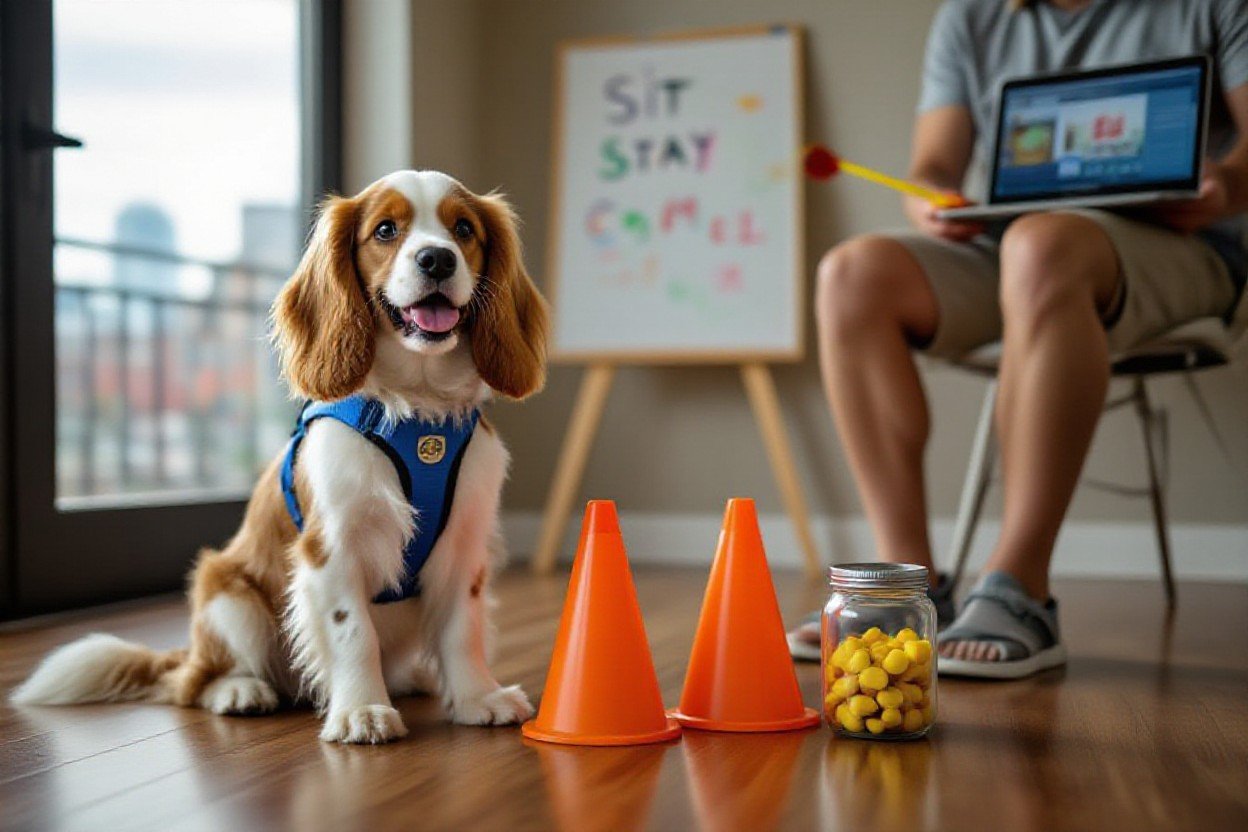
Cocker Spaniel Intelligence Explained
You’ll notice Cocker Spaniels blend sharp problem-solving with high emotional sensitivity, so your best results come from gentle, reward-based methods and short, varied sessions. Often they learn cues quickly when training is fun and consistent, but avoid harsh corrections because they can cause fear or shutdown. For practical strategies and real-owner tips, see Are Cocker Spaniels easy to train?
Understanding Canine Intelligence
You should think in terms of working, instinctive, and social intelligence; Cockers excel at social problem-solving and responding to people. Try 5-10 minute focused sessions, 2-3 times daily, and you’ll often get reliable basic cues in 1-3 weeks with consistent practice. Their sensitivity means your tone, timing, and reward value matter more than sheer repetition.
Breed-Specific Traits
You’ll work with a breed bred for flushing and companionship, so expect a strong nose, bursts of prey interest, and a need for human interaction; early recall and leash work are important. If you don’t provide mental outlets they can develop separation anxiety or nuisance behaviors, so fold enrichment into your routine and start socialization young.
For more practical application, begin recall on a long line and reward every successful return for the first two weeks, then fade treats slowly as reliability increases. Use nosework games, short training bursts during walks, and handling exercises tied to grooming so your Cocker accepts ear checks and clipping; these steps reduce stress and turn inherent traits into training strengths.

Willingness to Please vs Distractions
Factors Affecting Training
Your Cocker’s training success hinges on age, prior socialization, and how you handle their sensitivity; puppies under 6 months typically manage 5-10 minute sessions while adults handle 15-20. Gentle praise and high-value treats beat harsh corrections, and consistent routines prevent confusion. Short, frequent sessions-three to six times daily-raise retention. Socialization with varied people and environments reduces reactivity. Perceiving subtle stress signals like yawning, lip-licking, or a tucked tail helps you stop and reset.
- Sensitivity
- Socialization
- Age/attention span
- Consistency
- Distractions
Overcoming Distractions
You can reclaim focus by teaching a simple cue-say “watch me”-and rewarding immediate eye contact; controlled studies and trainers report up to 80% faster focus gain when paired with high-value treats. Begin in a quiet room, then add graduated distractions: first low-level noise, then another person at distance, then other dogs. Use 2-3 minute drills, increase challenge by 10-20% each session, and switch to intermittent rewards to maintain reliability.
Plan a graded exposure program: week 1-five 3-minute focus drills at home; week 2-backyard sessions with a helper 10 meters away; week 3-park work with 20-30 meters between your Cocker and distractions. Track success as percentage of successful responses per session and only advance when you hit 80-90% consistency. Use a clicker or marker word, keep praise calm, and avoid leash jerks or loud reprimands that can shut a sensitive Cocker down; instead, shorten the distance, reward heavily, and rebuild confidence.
Positive Reinforcement Training
Positive reinforcement uses rewards to shape behavior, fitting well with a Cocker’s intelligent but sensitive nature; you should use short, frequent sessions (10 minutes, 2-3 times daily) and a clear marker (clicker or word within 1 second). Pair high-value treats with praise, and avoid harsh corrections that can cause shutdown or fear. For owner experiences and first-dog perspectives see Are cocker spaniels good for a first dog? : r/cockerspaniel.
Techniques for Effective Training
Start by teaching one cue at a time, using a marker then reward within 1 second, and keep sessions to 5-10 minutes to match a Cocker’s attention span. Use variable rewards (treats, play, praise) to maintain motivation, increase distractions gradually, and practice in 3 environments over two weeks to generalize skills. For sensitive dogs, consistent, calm cues and removing rewards when misbehaving (not punishment) work best.
Benefits of Positive Reinforcement
You’ll see faster, more reliable learning-basic cues often consolidate within 2-4 weeks of daily practice-while building a stronger bond and reducing anxiety and reactivity. Positive methods lower the risk of fear-based behaviors common in sensitive breeds; owners typically report better recall and willingness to work for you rather than avoidance.
In practice, pair treats with praise and begin fading food rewards after 4-6 weeks by shifting to intermittent reinforcement (reward every 2-4 correct responses). Use short, focused refreshers before high-distraction outings; this approach both preserves obedience and protects your Cocker’s confidence, helping you avoid escalation into fear or aggression while maintaining progress.
Common Training Challenges
Behavioral Issues
You’ll encounter sensitivity-driven problems like separation anxiety, barking, and resource guarding more than blunt stubbornness; these often flare in the first year. Leash reactivity toward bikes or other dogs can become dangerous near roads, so you should prioritize controlled exposure and distance management. Many owners find basic recall takes 4-8 weeks of focused work, while crate reluctance may need gradual desensitization paired with high-value treats.
Addressing Training Setbacks
If your Cocker regresses after a holiday or illness, restart with short, frequent sessions-1-3 minutes, 5-7 times per day-focusing on one cue. You should increase reinforcement value (cheese, boiled chicken) and simplify criteria: reward any attempt, then raise standards. Tracking daily wins on a simple chart can reveal patterns; inconsistent timing from you is the most common setback to fix.
When progress stalls for more than 4 weeks despite consistent, reward-based methods, change context or trainer: try outdoors for distractions, use a clicker for precise timing, or add mental enrichment like scent games. If aggression or intense fear persists, seek professional help from a certified behaviorist rather than escalating corrections, because sensitivity responds better to calibrated, positive approaches.
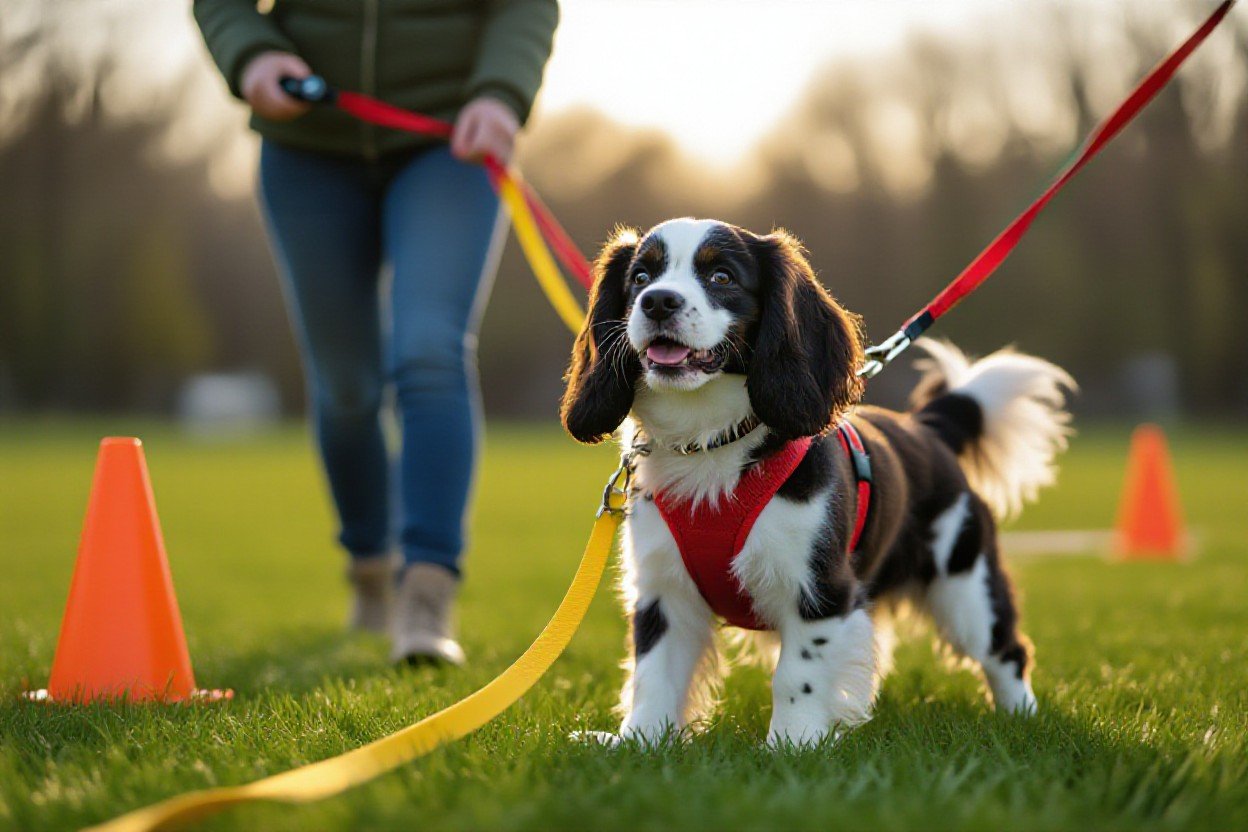
Recall, Jumping & Pulling Issues
Because Cockers are intelligent but sensitive, you should expect training to require patience and gentle consistency. Use short 5-10 minute sessions, repeat exercises 2-3 times daily, and prioritize positive reinforcement over corrections. When you build recall, leash manners and greeting behavior together, you reduce risky situations like off-leash chasing or guest-startled jumping; practice indoors at 1-2 meters, then progress outdoors with a long line (10-30 ft) to safely expand distance and distractions.
Teaching Recall Commands
Begin recall work with a high-value treat and a happy, single-word cue like “come.” Train at close range (1-2 m) first, using 5-10 minute drills 2-3 times daily, then add distractions and distance via a 10-30 ft long line. Reinforce immediate response within one second and avoid repeating the cue; if your Cocker hesitates, lure gently rather than force. Games like hide-and-seek or recall-to-treat often speed progress for sensitive dogs and build reliable responses in 1-4 weeks with consistent practice.
Managing Jumping and Pulling
Use replacement behaviors: ask for a sit or “four on floor” before greeting and only reward when all four paws are down for 2+ seconds. Fit a front‑clip harness to reduce pulling and teach the stop-and-wait method-halt until slack returns, then proceed-repeating 10-15 reps per walk. Because your Cocker is sensitive, avoid harsh corrections; instead make calm greetings more rewarding so jumping decreases and a loose leash becomes the norm.
Specific drills accelerate results: practice 5-10 minute greeting sessions with friends who ignore jumping and reward calm behavior, and do leash‑stopping drills on every walk until you get 8-10 consecutive loose‑leash steps. Trade-up exercises-offer a toy or treat when your dog sits instead of jumping-work well; many owners see visible improvement in 7-14 days with daily consistency. Prioritize positive reinforcement and the right equipment (front‑clip harness, 10-30 ft long line) to protect your dog’s neck and your patience.
Best Training Tips for Beginners
Keep your sessions short and focused-10-15 minutes for adults, 5 minutes for young puppies-and aim for 2-4 brief practices per day to build momentum. Since Cockers are sensitive, use a calm voice and reward-based methods to preserve trust; harsh corrections often backfire. Incorporate clear cues and predictable routines so you both succeed quickly. Knowing consistent, small wins and immediate rewards accelerate reliable behavior.
- Set clear cues for your Cocker Spaniel
- Use positive reinforcement and a calm tone
- Short, frequent sessions help beginners see progress
- Prioritize socialization and crate training
Getting Started with Training
Begin with importants-sit, down, recall, and name response-using high-value treats you can break into pea-sized pieces. Start puppies at 8-12 weeks with 5-minute sessions 3-4 times daily; older dogs benefit from 10-15 minute sessions twice daily. Vary environments: practice in the yard, then on walks, then in busy parks to generalize cues. Because your Cocker is sensitive, avoid loud corrections and reward incremental progress to keep motivation high.
Tools and Resources
Equip yourself with a clicker, soft high-value treats, a front-clip harness, a 24″ crate for adult Cockers (20-30 lb), and a 4-6 ft non-retractable leash plus a 15-30 ft long line for recalls. Use a training mat for place exercises and a treat pouch for on-the-go rewards. Seek a certified positive-reinforcement trainer (e.g., CPDT-KA) and local puppy classes for guided practice; these reduce common beginner mistakes.
Expand your toolkit with reliable references: AKC articles, step-by-step video lessons, and session-timing apps to track progress. Join group classes of about 6-8 dogs to safely boost socialization and realistic distractions. Plan to phase treats to intermittent reinforcement over 4-8 weeks, and if you detect signs of separation anxiety or fear, get professional help early to avoid escalation.
Conclusion
As a reminder, Cocker Spaniels are intelligent but sensitive, and you can successfully train one as a first-time owner if you use consistent, patient, positive-reinforcement methods, establish clear boundaries, and prioritize early socialization; set realistic expectations for grooming and occasional stubbornness, seek help from a trainer when needed, and you’ll find they reward your effort with a loyal, responsive companion.
FAQ
Q: Are Cocker Spaniels suitable for first-time dog owners?
A: Cocker Spaniels can be good for beginners because they are intelligent, eager to please and quick to learn basic commands. They are also sensitive: harsh corrections or inconsistent rules can make them anxious or shut down, so a calm, patient owner who uses gentle, positive reinforcement will have the best results. Expect to invest time in socialization, consistent routines and daily mental and physical exercise to prevent boredom-driven behaviors like barking or chewing.
Q: What training methods work best for Cocker Spaniels?
A: Positive reinforcement methods – treats, praise, clicker training and short, frequent sessions – work exceptionally well with Cockers. Use clear, consistent cues and reward desired behaviors immediately. Avoid punishment-based techniques; these dogs respond poorly to fear and can become clingy or avoidant. Incorporate socialization, leash training and crate training early, and make training part of everyday life so skills generalize across people and environments.
Q: How long does training take and what challenges should beginners expect?
A: Timeline varies: basic obedience (sit, down, stay, recall in low-distraction settings) often appears in a few weeks with daily practice, while reliable off-leash recall and impulse control can take months. Puppies require frequent short sessions (5-10 minutes several times a day); adult rescues may need extra patience to undo past habits. Common challenges include sensitivity to corrections, separation anxiety, and distraction by scents or small animals; addressing these requires gentle counter-conditioning, consistent structure and sufficient exercise. Ongoing reinforcement throughout the dog’s life keeps skills sharp and strengthens the owner-dog bond.