
Just because a Springer Spaniel can adapt to apartment life doesn’t mean it will be easy; you must provide daily vigorous exercise, mental stimulation, and consistent training to prevent boredom and noise issues. If you commit to multiple long walks, off-leash play, and engaging games, your dog can thrive. Consult resources like Springer Spaniel: Your Complete Guide for breed-specific care and realistic expectations.
Typical Springer Spaniel Space Needs
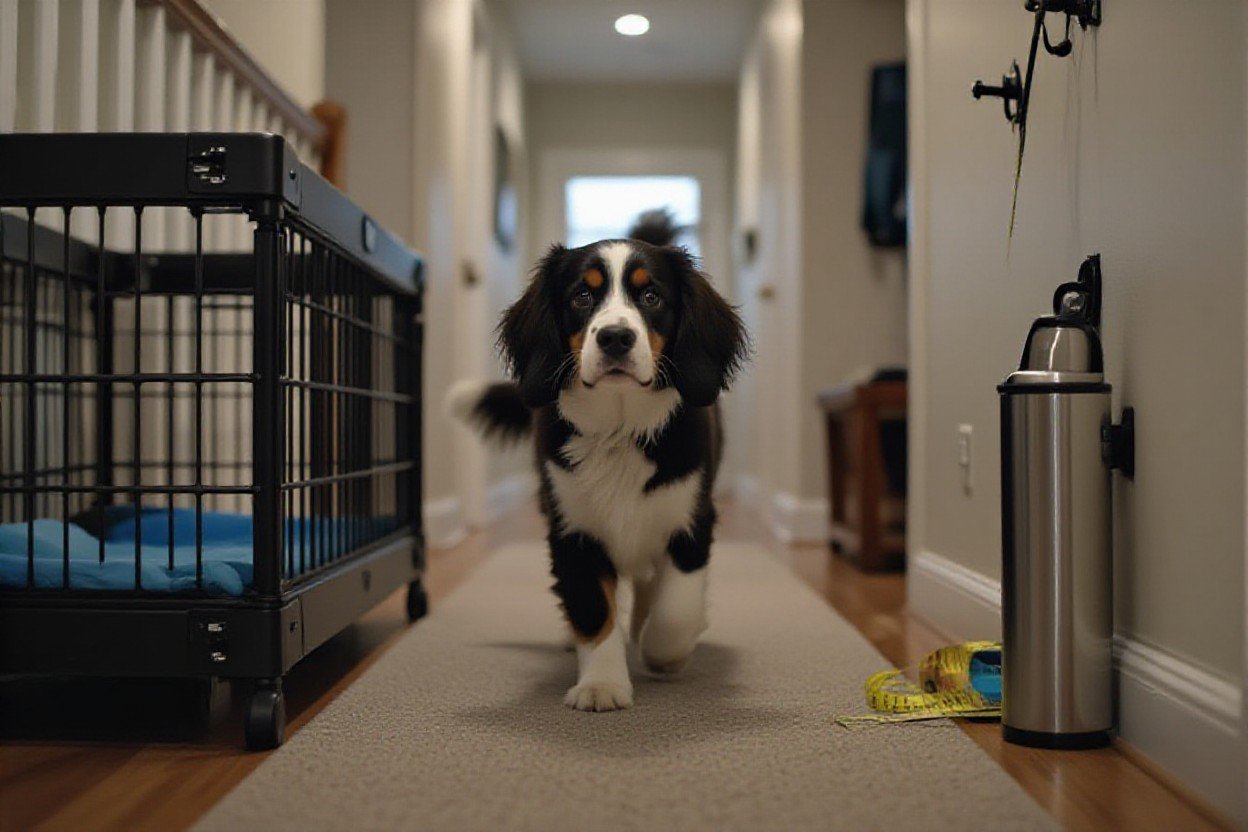
Your Springer is about 18-23 kg (40-50 lb) and 18-20 inches tall, so they need space to stretch, turn and flop comfortably indoors; a small living room plus a dedicated area for toys and a bed is a minimum. Many owners in 50-70 m² flats manage if they commit to 60-120 minutes of daily activity, regular off-lead park visits and a consistent routine to prevent pacing, destructive chewing and frequent vocalising.
Exercise vs Living Space
If your flat is compact, compensate with exercise: aim for 60-120 minutes daily split into at least two walks (30-45 minutes each) plus a higher-intensity 15-30 minute session like fetch or swimming. You can substitute dog-walking services or daycare for part of that load; for example, combining one long morning walk, a mid-day dog-walker visit, and an evening park run keeps most Springers calm at home.
Mental Stimulation Indoors
Physical tiredness alone won’t suffice – give your Springer 20-45 minutes of focused mental work daily using puzzle feeders, scent games, short training drills and chew rotations. Try 10-15 minute training bursts 2-3 times per day teaching reliable recalls, scent searches or tricks; these break up the day, reduce boredom-driven behaviours and make living in tighter spaces far more manageable.
Practical indoor options that work well include KONGs stuffed to last 10-20 minutes, Nina Ottosson-style puzzles for 15-30 minutes, and DIY scent trails using 3-5 hidden treats around the flat for 5-10 minutes per round. Structure sessions with variable rewards, alternate toy types to maintain novelty, and use a clicker or marker word during 5-10 minute trick blocks (sit, down, spin, retrieve) so your dog gets predictable mental challenge totaling 30-45 minutes daily.

Noise & Barking Considerations
Managing Barking in Apartments
You should expect vocal alerting-Springers often bark at passersby or boredom; provide 30-60 minutes of vigorous exercise plus 10-15 minutes of training daily to reduce noise. Use desensitisation: play recorded door-knocks at low volume, reward silence, gradually increase exposure over 2-4 weeks. One owner cut reactive barking from hourly to occasional within a month by adding a morning run and consistent “quiet” cues. If neighbours are close, plan extra mental work to keep your dog calm indoors.
When Apartment Living Can Work
Realistic Conditions
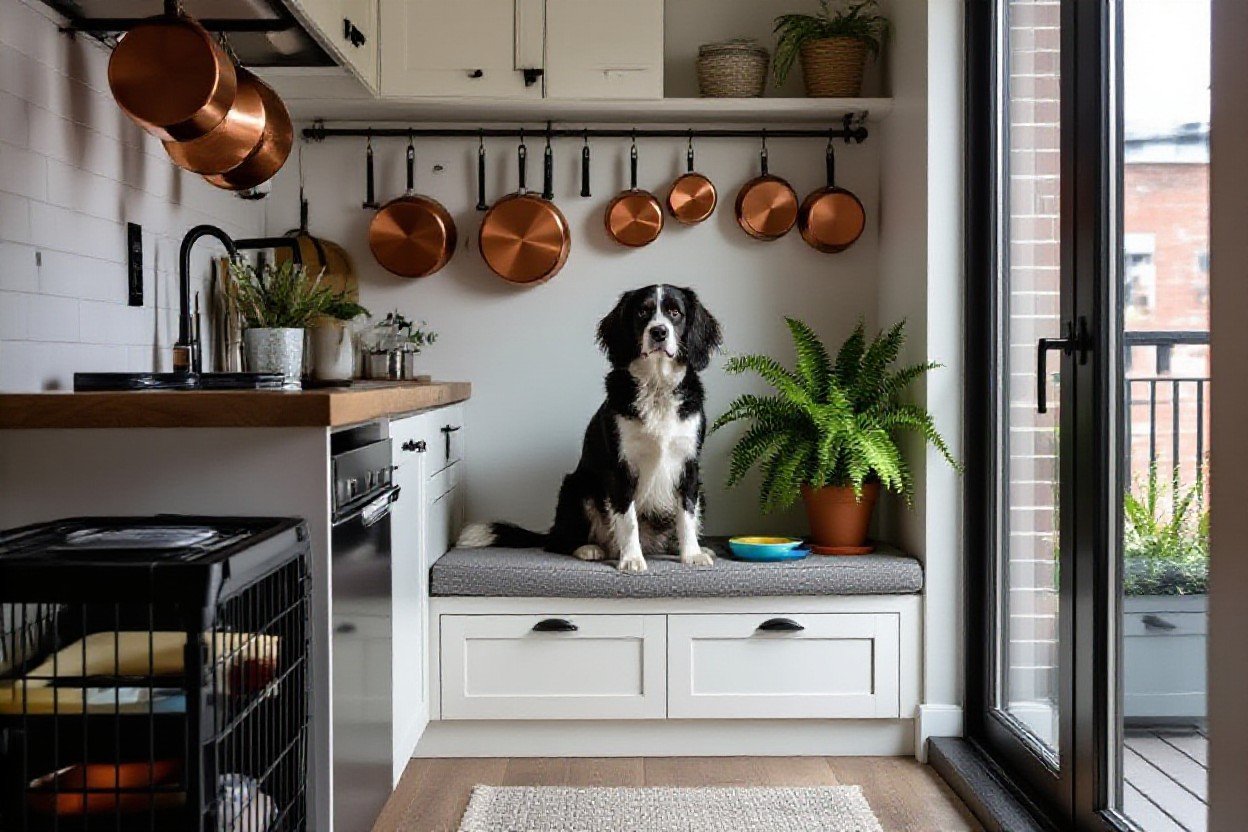
If you can provide 60-90 minutes of daily exercise-such as two 30-minute walks plus a 30-minute play session or a 45-minute off-leash run twice weekly-and arrange at least one mid-day break via a dog walker or neighbor, your Springer can adapt. You should also deliver 15-20 minutes of mental work daily with training or puzzle toys to prevent boredom. Owners who combine a consistent routine, a nearby green space within 10-15 minutes, and early socialization usually report fewer destructive behaviors.
When It Probably Won’t
Too small, too busy, too isolated
If you work 10+ hour days, live in a sub-500 ft² flat with no green space within a 5-minute walk, and can’t provide 60-90 minutes of brisk activity plus daily mental stimulation, a Springer will struggle. Puppies under 6 months confined to small spaces often develop destructive chewing and persistent barking. In practice, owners who lack dog-walking or daycare support face repeated veterinary behavioral visits and higher rehoming risk, so arrange consistent outdoor time or choose a lower-energy breed.
Tips for Flat-Dwelling Springer Owners
Daily routine and management
Organize a routine: give your Springer 60-90 minutes daily – for example, two 25-minute brisk walks plus a 20-30 minute play or training session, and an off-leash park visit 2-3 times weekly. Use puzzle feeders for 15-30 minutes to curb boredom, crate-train gradually up to 3-4 hours alone, and schedule toileting every 4-6 hours. The trade-off is that you must commit to more exercise and structured stimulation than many apartment breeds.
- Walk twice daily (≈25 min each) and add one longer outing per week.
- Rotate two puzzle toys to occupy 15-30 minutes after meals.
- Train 10-15 minutes daily to reduce barking and channel energy.
Conclusion
As a reminder, a Springer Spaniel can live in a flat if you commit to meeting your dog’s high daily exercise, regular mental work, consistent training and grooming; without these you’ll face boredom, destructive behavior and excessive barking. You need reliable access to long walks or a secure run, calm management of separation anxiety and realistic expectations about energy levels. If you can meet these demands, a flat life is possible; if not, a larger home is better for the breed.