
Senior dogs commonly develop osteoarthritis and other joint issues; you must watch for stiffness, limping, and decreased activity because early detection and medical assessment can prevent severe pain and irreversible damage. Your veterinarian may recommend weight management, tailored exercise, physical therapy, joint supplements, and sometimes surgery to restore function, and with prompt, evidence-based care you can achieve improved mobility and a better quality of life for your pet.
Key Takeaways:
- Weight management reduces joint stress and improves mobility.
- Regular low-impact exercise (walking, swimming, controlled play) maintains muscle and joint function.
- Joint supplements (glucosamine, chondroitin, omega-3 fatty acids) may support cartilage and reduce inflammation-consult your vet for dosing.
- Veterinary assessment and tailored pain management (NSAIDs, gabapentin, others) are important for comfort and function.
- Physical therapy, hydrotherapy, and targeted strengthening improve range of motion and recovery.
- Orthopedic aids like ramps, non-slip surfaces, supportive harnesses, and memory foam beds ease daily movement.
- Regular monitoring of mobility, gait, and behavior with early intervention can slow progression and improve quality of life.
Understanding Joint Health in Senior Dogs
The Aging Process and Joint Degeneration
As your dog ages, joint cartilage thins and synovial fluid production declines, increasing friction and pain; studies estimate osteoarthritis affects about 20% of adult dogs and rises substantially in seniors. Large breeds like Labradors and German Shepherds often show changes by 5-7 years, while smaller breeds may develop signs later. If left unmanaged, degeneration leads to chronic pain, muscle loss, and reduced quality of life, so monitoring mobility and body condition is vital.
Common Joint Health Issues
Your senior dog most commonly faces osteoarthritis, hip and elbow dysplasia, cranial cruciate ligament tears, and patellar luxation; hip dysplasia and cruciate disease are frequent in medium-to-large breeds, while patellar problems show up in small breeds. Many of these conditions progress to degenerative joint disease, limiting activity and increasing pain with age.
Clinically, you’ll see intermittent limping, stiffness after rest, difficulty rising, and reduced ability to climb stairs; diagnostics include orthopedic exam, weight-bearing and flexion tests, and radiographs to confirm joint remodeling. Management combines weight loss (even 10-15% bodyweight improves load), NSAID therapy with monitoring, targeted physiotherapy, omega-3 supplementation, and surgical stabilization (e.g., TPLO) when indicated to restore function.
Importance of Early Detection
Detecting joint problems early gives you options to slow progression: targeted weight control, a tailored low-impact exercise plan, and medical analgesia can be started before severe damage occurs. Early action often improves mobility and reduces the chance that your dog will need major surgery later.
Watch for subtle changes-reduced play, slower rises, shorter walks, or hesitancy to jump-and schedule orthopedic checks annually from about 6 years for large breeds and 8 years for small breeds. Diagnostics (gait video, palpation, radiographs) within weeks of first signs allow you to begin trials of NSAIDs, joint supplements, and rehab, preventing long-term disability and chronic pain.

The Rising Demand for Joint Support Products
Market Trends in Senior Pet Care
You’re noticing a clear market shift: the U.S. pet industry topped roughly $136 billion in 2022, and demand for supplements and therapeutic products is outpacing general pet goods as owners prioritize mobility and longevity; surveys and retail data show joint-support SKUs growing faster than 8% annually, driven by an aging dog population and greater willingness to invest in long-term care for pets you consider family.
Innovations in Joint Health Products
Manufacturers are moving beyond basic glucosamine to deliver higher-bioavailability formulas-think liposomal curcumin, undenatured type II collagen (UC-II), green-lipped mussel extracts, and concentrated EPA/DHA chews-plus palatable soft chews, transdermal gels, and veterinary injectables that reduce dosing frequency, so you can see clinical improvements faster and with better compliance.
More specifically, companies are combining multi-modal approaches: microencapsulation and liposomal technologies increase absorption of poorly soluble actives, while standardized extracts (e.g., 30% EPA fish oil or 20% phospholipid GLM) provide predictable dosing; clinical trials and practice audits report measurable reductions in pain scores within 4-8 weeks for several modern formulations, making product selection increasingly evidence-driven.
The Role of Veterinary Recommendations
When you consult a veterinarian, their guidance often determines product choice and treatment plans-vets commonly pair weight management, controlled exercise, NSAIDs, and targeted supplements to manage osteoarthritis; owners cite veterinary advice as the top influence on purchasing, and vets help you weigh benefits versus risk for each option.
In practice, your vet should tailor protocols: start with baseline bloodwork, recommend a monitored NSAID trial if pain is significant, and add supplements with proven data; be aware that NSAIDs carry gastrointestinal and renal risk, supplements can interact with other meds, and follow-up exams and periodic labs (every 3-12 months) are standard to ensure safety and adjust therapy.
Types of Joint Support Options
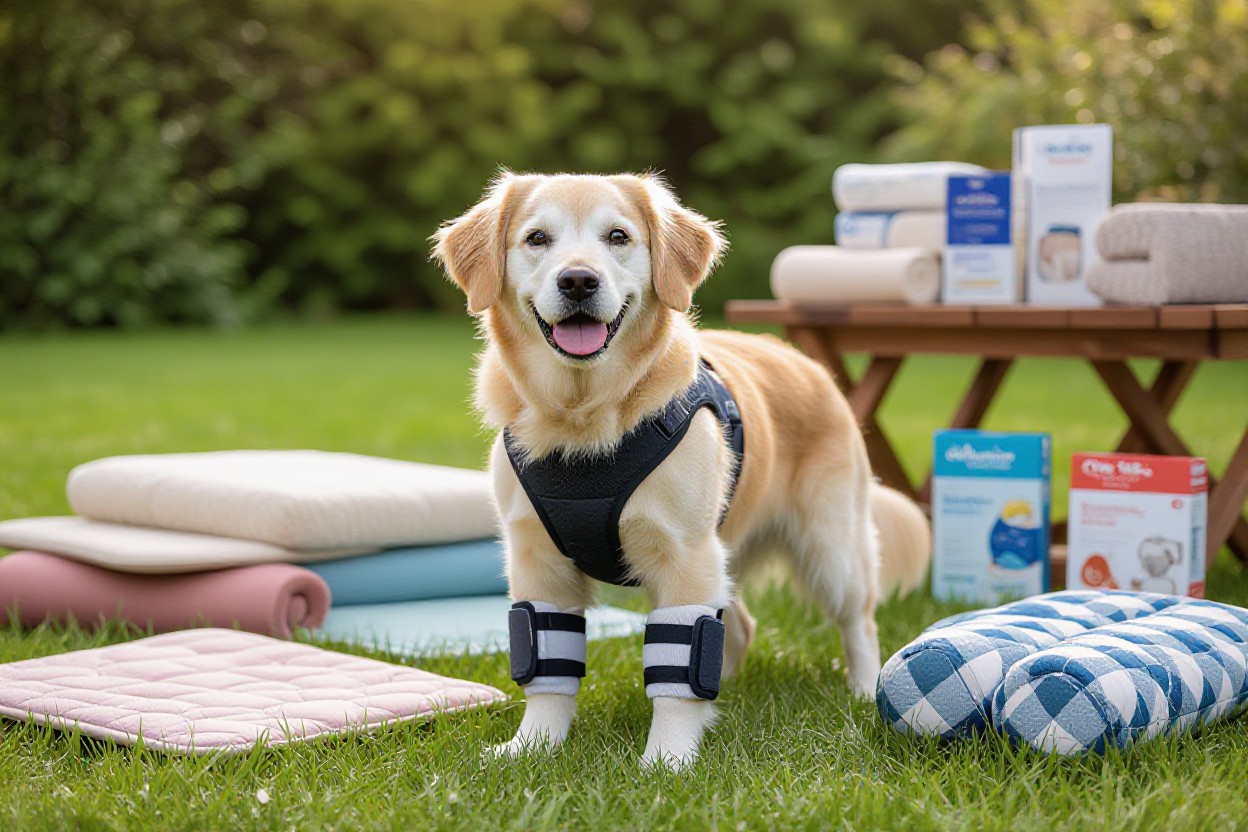
| Orthopedic Beds | Memory foam (3-4 in. layers), bolstered edges for comfort, reduces joint pressure and pressure sores; washable covers improve hygiene. |
| Joint Supplements | Common: glucosamine, chondroitin, MSM, omega‑3 (EPA/DHA); effects may take 4-12 weeks; quality and dosing vary by weight. |
| Braces and Support Gear | Off‑the‑shelf and custom braces (stifle, carpal, hock), harnesses and slings; improves stability but requires correct fitting to avoid harm. |
| Hydrotherapy & PT | Underwater treadmill and targeted exercises increase range of motion and muscle mass; 2-3 sessions/week often recommended for post‑op rehab. |
| Weight Management & Diet | Calorie reduction, high‑protein maintenance, and therapeutic diets with added omega‑3s can lower joint load; 5-15% weight loss often yields measurable gait improvement. |
- Prioritize Orthopedic Beds with at least 3 inches of high‑density foam for large breeds.
- Choose Joint Supplements with third‑party testing and follow weight‑based dosing.
- Have a clinician size any Braces and Support Gear to prevent skin injury or altered gait.
- Combine hydrotherapy and weight loss for faster functional gains when possible.
Orthopedic Beds
You’ll want a bed with medium‑firm memory foam (3-4 inches) and washable covers to reduce pressure points and manage arthritis pain. Many senior dogs show measurable improvement in sleep and reduced rising stiffness within days. Avoid thin, low‑density foam which can compress and offer no relief; choose bolstered rims if your dog likes head support. Improved rest can translate to better mobility during the day.
Joint Supplements
You can use supplements like glucosamine, chondroitin, MSM and omega‑3s to support cartilage health and reduce inflammation; benefits often appear over 4-12 weeks. Dosing varies by weight and formulation, so follow label guidance or your vet’s plan. Quality varies among brands, so opt for products with verification seals.
Clinical results are variable: some placebo‑controlled trials report modest improvement in lameness, while others show limited effect, so you should monitor mobility and pain scores over time. Many veterinarians recommend combining glucosamine with omega‑3 fatty acids (EPA/DHA) for additive anti‑inflammatory effect. Check for interactions if your dog is on NSAIDs or other medications, and consider products certified by the National Animal Supplement Council or equivalent for consistent potency.
Braces and Support Gear
You may find stifle braces, carpal supports, hock sleeves, harnesses and lifting slings useful for added stability and offloading injured joints. Proper sizing and progressive wear‑in are necessary because an ill‑fitted brace can change gait mechanics and cause skin abrasions. Consult your vet for fitting and a rehabilitation plan to use braces safely.
Materials range from neoprene sleeves for mild proprioceptive help to custom carbon‑fiber frames for post‑surgical stabilization; costs span $30-$600 depending on complexity. For example, an off‑the‑shelf stifle brace may reduce intermittent lameness in some dogs for months, but you should reassess fit every 3 months and watch for rubbing or muscle atrophy. Improper fit or overreliance without strengthening exercises can limit long‑term recovery.
Recognizing which combination of Orthopedic Beds, Joint Supplements, and Braces and Support Gear aligns with your dog’s diagnosis, activity level and vet recommendations will guide the most effective plan.
Nutritional Considerations for Joint Health
The Role of Diet in Joint Support
Your dog’s diet directly changes joint workload and inflammation: losing as little as 10% of body weight often produces measurable mobility gains, so a targeted calorie reduction of about 10-20% combined with portion control is effective. Prioritize nutrient-dense, lower-calorie foods to protect cartilage while using higher-quality protein to preserve lean mass; omega‑3 rich fats and antioxidants help reduce inflammatory markers and support function.
Key Ingredients to Look For
Seek formulas containing marine omega‑3s (EPA/DHA), glucosamine and chondroitin, MSM or collagen, plus antioxidants (vitamin E, vitamin C, polyphenols) and adequate high‑quality protein to sustain muscle. Also look for products with a NASC quality seal or third‑party testing and clear labeling of active ingredient amounts so you know what you’re giving your dog.
Omega‑3s (EPA/DHA) act as anti‑inflammatory agents; glucosamine and chondroitin supply building blocks for cartilage repair while MSM may reduce joint pain and stiffness. Collagen type II supports joint matrix, and antioxidants limit oxidative damage to cartilage. For senior dogs, prioritize digestible protein to maintain muscle and watch calcium/phosphorus balance in calorie‑restricted plans; always match ingredient levels to your dog’s size and clinical needs and consult your vet about proven product brands and dosing.
Supplements that Benefit Joint Health
Commonly used supplements include glucosamine/chondroitin combinations, concentrated fish oil (EPA/DHA), MSM, green‑lipped mussel, and therapeutic options your vet may give like injectable polysulfated glycosaminoglycans or hyaluronic acid. Responses vary by dog; many show measurable improvement within 4-8 weeks, but you should use supplements under veterinary guidance to avoid overlap or interaction with medications.
Oral glucosamine/chondroitin regimens often require consistent daily dosing and may take weeks to show effect, whereas injectable PSGAGs or hyaluronic acid administered by a vet can yield faster symptom relief for moderate‑to‑severe cases. Check labels for active amounts, monitor for gastrointestinal upset or allergic reactions, and never combine multiple anti‑inflammatory supplements without veterinary approval-mixing supplements with NSAIDs or certain blood‑thinning drugs can increase risk.
Gentle Exercise Regimes for Senior Dogs
Benefits of Low-Impact Activities
You’ll reduce joint stress while maintaining muscle mass and cardiovascular health by favoring low-impact work like walking and swimming. Short, regular sessions (15-20 minutes, 1-2 times daily) help control weight-each extra pound adds roughly 4× more load on the hips-and improve joint lubrication and balance. Low-impact activities lower pain and slow mobility loss, and they’re safer for dogs with osteoarthritis than running or jumping.
Recommended Exercises for Enhanced Mobility
You can use controlled leash walks (10-20 minutes), hydrotherapy or short swims, and 5-10 gentle sit-to-stand repetitions to rebuild strength. Add 2-3 balance drills per session (cushion or low step) and passive range-of-motion sets-10 slow flexion/extension cycles per limb. Combine with supportive products like Ortho-Flex – Joint Supplement for Dogs. Avoid slippery surfaces and stop for any sudden limping.
You should structure sessions: start with a 5-minute warm-up walk, perform 2 sets of 8-12 sit-to-stands (rest 60s), then 5-10 minutes of hydrotherapy or slow treadmill work, followed by 3 balance exercises and a 5-minute cool-down. For dogs with moderate arthritis (graded II-III) aim for 3-5 sessions weekly; for mild cases (grade I) increase intensity slowly by ~10% per week. Monitor gait symmetry and breathing-if you see swelling or persistent limping, pause and consult your veterinarian.
How to Set Up a Safe Exercise Routine
You’ll begin with a vet assessment and pain-review, then set realistic targets-start at 10-15 minutes per session and increase by small increments. Use a harness for support, choose non-slip surfaces, and schedule sessions at cooler times of day for heat-sensitive breeds. Track sessions in a diary and watch for signs of overexertion like heavy panting or prolonged stiffness. Do not push through acute pain or visible joint swelling.
Start by documenting baseline mobility: timed 5-minute walk distance, number of sit-to-stands, and tolerance for stairs. Aim for an eventual daily total of 20-30 minutes of low-impact activity or 3-5 focused rehabilitation sessions weekly, adjusting by body condition and pain scores. Measure intensity by recovery time-if your dog’s respiration returns to normal within 5-10 minutes, intensity is appropriate. Keep emergency cues in mind (respiratory rate >40/min at rest, new dragging of a limb) and consult a vet or canine rehab specialist before progressing further.
Signs of Joint Issues in Senior Dogs
Identifying Stiffness and Limping
You will often notice your dog is stiff after resting, takes longer to rise, or shows a subtle limp that worsens after exercise. Watch for a limp that shifts from one leg to another, decreased stride length, or reluctance to bear weight; if a limp persists beyond 48-72 hours or the dog becomes non-weight-bearing, schedule a vet visit immediately.
Behavior Changes: Reluctance to Play
Your dog may stop initiating play, refuse fetch, or avoid roughhousing with other dogs. Reduced enthusiasm for toys, shorter play sessions, or repeated stopping during walks are common early signs that pain or stiffness is limiting normal activity.
In practice, owners report playtime dropping noticeably-sometimes by more than half-when joints are painful; younger-senior breeds often stop jumping into cars or onto furniture first. You can track play frequency and duration over weeks to spot trends, and discuss options like weight management, physical therapy, or supplements (How joint supplements can help with orthopedic conditions) with your veterinarian to improve comfort and activity.
Monitoring Weight Changes
Weight gain increases stress on aging joints and can accelerate degenerative changes; even a 5-10% increase in body weight can make daily activities harder. Keep a monthly weight log and body condition score to catch upward trends early.
If your dog gains weight, aim for a controlled plan: reduce caloric intake by 10-20% and increase low-impact exercise like short pool sessions or leash walks. Clinical studies show modest weight loss often leads to measurable improvement in lameness and mobility, so a target loss of 5-10% body weight is a realistic starting point to reduce joint load and improve comfort.
Home Environment Adjustments
Creating a Safe Space for Mobility
Clear at least 3 feet (0.9 m) of uninterrupted walking space through high-traffic rooms, remove low coffee tables and cords, and block off stairways with gates so your dog won’t attempt risky climbs; add a ramp or short ramped steps for rises over 6 inches to keep them moving without jumping.
Importance of Proper Bedding
Choose an orthopedic bed with 3-4 inches of memory foam for small to medium seniors and 4-6 inches for large breeds, a washable cover, and a waterproof liner to protect joints and reduce inflammation-related pain during rest.
For foam selection, opt for high-density memory foam (around ≥3 lb/ft³) or layered support with a foam base plus a softer top to prevent sagging; size the bed so your dog can fully stretch with 6-8 inches of clearance, and consider an elevated frame (6-12 inches off the floor) to ease standing while avoiding excessive vertical effort.
Reducing Slips and Falls
Install non-slip runners or rubber-backed rugs on tile and hardwood, add adhesive treads to stairs, and improve lighting with motion-activated night lights so your dog can see transitions-these simple changes cut the chance of sudden falls and jolts to sensitive joints.
Address slope-related risks by keeping ramp inclines gentle (aim for <20°); for example, a 2-foot rise needs roughly a 6-foot ramp to reach that slope. Pair surface traction (rubber mats, grippy booties) with routine paw and nail care, and place rugs at entry points and alongside furniture where they stand up or lie down to minimize slips during turns and quick movements.
Regular Veterinary Check-Ups
The Role of Preventive Care
You should schedule senior wellness visits every 6-12 months to monitor weight, gait, and pain using objective scores (body condition score, pain scales). During visits, vets often adjust diet, prescribe targeted joint supplements (glucosamine, omega-3s) or low-impact exercise plans; a modest 5-10% weight loss commonly improves mobility. Early detection of limp, stiffness, or decreased stair use lets you start interventions before irreversible changes occur.
Analyzing Joint Health Through Diagnostics
You’ll rely on radiographs (orthogonal views) for osteophytes and joint space narrowing, plus bloodwork to exclude inflammatory or endocrine contributors. When effusion or infection is suspected, vets perform arthrocentesis for cytology and culture. Advanced options-PennHIP/OFA screening, force‑plate gait analysis, CT or MRI-are used selectively to clarify severity and plan treatment.
Radiographs reveal bone remodeling and sclerosis but can miss early cartilage loss, so you may be referred for CT to assess complex elbow dysplasia or MRI for soft‑tissue/ligament injuries like cranial cruciate ligament tears. Arthroscopy combines diagnosis and minimally invasive repair; force‑plate and gait labs quantify asymmetry that you can’t see by eye. Always consider an analgesic trial to confirm pain-driven changes before escalating diagnostics; septic arthritis demands immediate sampling and treatment.
When to Seek Specialist Care
If your dog’s pain or lameness persists beyond 4-6 weeks despite appropriate medical management, shows progressive neurologic signs, or cannot bear weight, refer to a specialist. Surgical options (e.g., TPLO for cranial cruciate rupture, total hip replacement for end‑stage hip disease) and advanced imaging are typical reasons to escalate care to a surgeon or orthopedic specialist.
Specialists offer targeted procedures and multidisciplinary planning: surgeons perform TPLO with staged recovery (most dogs regain function in about 8-12 weeks), while advanced imaging maps surgical strategy. Veterinary neurologists evaluate nerve or spinal involvement, and rehab specialists design postop strength and gait programs. A case example: a 9‑year‑old Labrador with chronic CCL showed marked improvement after specialist TPLO and structured rehab, restoring near‑normal activity within three months.
Choosing the Right Gear for Joint Support
Evaluating Orthopedic Beds and Their Features
Aim for beds with 3-4 inches of high-density memory foam (3-5 lb/ft³) to reduce pressure on hips and elbows; include a bolstered edge if your dog likes to rest their head. You should choose sizes that extend at least 4-6 inches beyond the shoulders, a non-slip base for stability, and a washable, durable cover (waterproof options protect surgical sites). Check weight ratings and hypoallergenic fills for long-term comfort and hygiene.
Selecting Supportive Harnesses and Jackets
Prefer harnesses with a wide, padded chest strap and a sturdy top handle for assisted rises; rear-support slings are best for hip weakness while full-body vests distribute load across the torso. You should select breathable, lightweight materials with reinforced stitching and clear weight limits – a handle placement near the shoulder blades gives better lift without compressing the neck.
Measure your dog’s girth and back length before buying: fit matters more than brand. For dogs over 50 lb choose reinforced handles and wider straps to distribute force; for small breeds aim for adjustable straps and soft lining to avoid chafing. If your dog weighs >70 lb, plan for a two-person lift or a mechanical hoist. Improper sizing can worsen gait or create pressure points, so test lifts gently and adjust accordingly.
Understanding the Fit and Comfort Needs
Focus on fit: you should be able to slide two fingers under straps without excess movement, and the bed or harness must not restrict breathing or shoulder motion. Watch your dog walk for at least five minutes after fitting to check gait and look for rubbing. Prioritize padding at contact points and avoid thin straps that concentrate pressure on bones or nerves.
Measure neck, girth (widest ribcage area), and back length, and allow about 10-15% extra if you layer coats or pads. Check for hotspots after 24 hours of use and adjust straps to eliminate slipping. If your dog has atypical conformation (deep chest, barrel chest, or short legs), consult your vet or a professional fitter to prevent pressure sores and ensure optimal mobility support.
Proper Nutrition and Joint Health
Identifying Joint-Friendly Foods
Focus on whole foods that support lean mass and reduce inflammation: high-quality proteins (chicken, turkey, lean beef), oily fish (salmon, sardines), fiber-rich vegetables, and antioxidant fruits like blueberries. You should aim for a body condition score of 4-5/9 to lower joint load; even a 10% weight loss often improves mobility. Avoid calorie-dense treats and high-glycemic carbs, and be cautious with high-mercury fish that can be harmful long-term.
The Benefits of Omega-3 Fatty Acids
Omega-3s (EPA and DHA) act as anti-inflammatory agents that can reduce joint pain and stiffness; many owners see improvements in activity within 6-12 weeks of supplementation. Good sources include fish oil and sardine-based diets, and veterinary formulations often deliver more reliable doses than over-the-counter blends. Discuss dosing with your vet to align with your dog’s weight and current medications.
Mechanistically, EPA and DHA lower production of pro-inflammatory cytokines and eicosanoids, helping slow cartilage breakdown and improving joint comfort. Clinical studies report measurable reductions in lameness and pain scores when omega-3 intake is optimized alongside weight management and exercise. You should watch for bleeding risk at very high doses or interactions with NSAIDs, so consult your veterinarian before starting therapeutic levels and choose products with third-party purity testing.
Incorporating Glucosamine and Chondroitin
Glucosamine and chondroitin supplements aim to support cartilage repair and joint lubrication; many formulations combine them with MSM or green-lipped mussel for added effect. Expect at least 8-12 weeks to judge response, and prefer veterinary-grade products with clear dosing by weight. If your dog has a shellfish allergy, exercise caution because some glucosamine sources are shellfish-derived.
Evidence for glucosamine/chondroitin is mixed but often positive when used consistently: randomized trials and owner-reported outcomes show modest improvements in pain and mobility for a subset of dogs. You should select standardized products with batch testing, follow weight-based dosing, and monitor for GI upset or reduced appetite. Combining these supplements with omega-3s, controlled weight loss, and low-impact exercise typically yields the best, measurable results in clinical practice.
Integrating Joint Care into Daily Life
Balancing Activity and Rest
Match activity to your dog’s daily pain and energy: aim for 2-3 short walks of 10-20 minutes, add one low-impact session like swimming or underwater treadmill weekly, and use sled-free fetch or leash-controlled play for muscle maintenance. Monitor stiffness after exercise-if limping worsens or persists beyond 48 hours, pause activity and consult your vet. Above all, avoid forced long runs or repetitive jumping, since those increase joint wear despite short-term enthusiasm.
Mental Stimulation as Part of Care
Add cognitive work to reduce boredom and encourage gentle, purposeful movement: 5-15 minute food puzzles, scent-tracking games, or short training drills 2-3 times daily increase engagement without high joint load. You’ll often see dogs that are mentally satisfied move more willingly; consistent mental exercise supports adherence to physical routines and can lower stress-related muscle tension.
Rotate enrichment tools to keep motivation high-use treat-dispensing toys one day, scent trails the next, and 3-5 minute clicker sessions for new tricks to build confidence. For example, scent games that require walking slowly for 10-15 minutes twice weekly can increase exploratory movement without impact. Always pick activities that avoid jumping or twisting, and stop immediately if your dog shows pain, marked limping, or reluctance to continue.
Building a Routine That Supports Mobility
Structure your day around medication timing, short exercise bursts, and restorative rest: give joint meds or supplements per your vet’s schedule (often with food), take a morning 10-15 minute walk, offer a midday enrichment session, and finish with a gentle evening stroll. Weigh your dog monthly and log mobility notes weekly so you can adjust intensity; worsening limp or refusal to rise signals an urgent vet check.
Create a sample week: Mon/Wed/Fri-10-15 minute walks plus 5-minute strength exercises (sit-to-stand, controlled stairs); Tue/Thu-hydrotherapy or swimming 20-30 minutes; weekends-longer, slow-paced 20-25 minute neighborhood walks if tolerated. Adjust for temperature and surface (soft grass over concrete) and keep a simple diary of gait, appetite, and pain scores (0-10) to measure progress and guide your vet discussions.
Comfort and Quality-of-Life Enhancements
Creating Daily Comfort Routines
Small, consistent changes deliver big relief: give your dog a raised feeding station, a 3-4 inch memory-foam or orthopedic bed, and place non-slip rugs on slick floors. Warm compresses for 8-10 minutes before activity and gentle stretching after walks help mobility, and you can review supplement options (glucosamine, omega-3s, MSM) in The Top 10 Supplements for Dogs with Arthritis.
Engaging Activities That Foster Bonding
Short, low-impact play builds muscle and trust: try 5-10 minute nose-work sessions, slow leash walks of 10-20 minutes, or gentle pool therapy 15-20 minutes twice weekly. Use puzzle feeders to stimulate the mind and avoid high-impact jumping that can worsen joints.
Rotate activities so your dog doesn’t overdo one movement pattern: alternate scent games, short hill-free walks, and supervised water sessions across the week. Watch for signs of fatigue-excessive panting, lagging behind, or limping mean you should stop and let your dog rest; scale time up gradually and note improvements in gait and engagement over 4-8 weeks.
Understanding the Emotional Needs of Senior Dogs
Your older dog may show anxiety, reduced interest in play, or sleep changes; maintain a stable daily schedule, offer predictable interactions, and provide quiet, secure sleeping areas. Gentle massage and short grooming sessions foster calm and connection while helping you spot soreness early.
Pay attention to cognitive shifts-disorientation, altered sleep-wake cycles, or increased vocalization-and discuss them with your vet. Implement simple enrichment like 5-10 minute scent games, consistent mealtime routines, and calming aids (pheromone diffusers or soft music). If you observe sudden aggression, repeated pacing, or major behavior change, seek veterinary assessment promptly because these can signal pain or medical issues.
Owner Responsibility and Support
Staying Informed on Joint Care Innovations
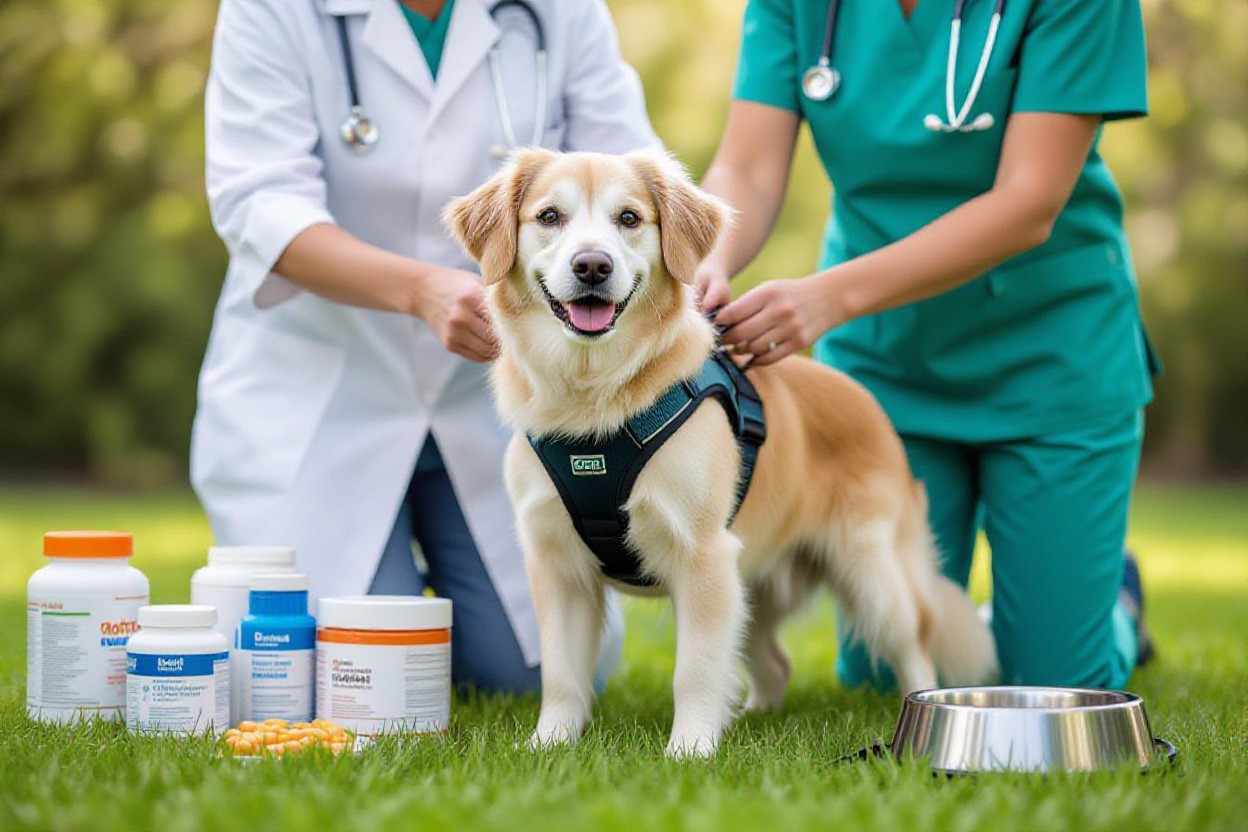
You should follow veterinary journals, conference summaries (ACVS, AARV), and OFA updates to track advances like stem cell therapy, platelet-rich plasma, and novel joint supplements. Subscribe to two reputable sources and set alerts for new studies; clinical trials often report measurable mobility gains within 4-12 weeks. Use 10-30‑second video clips of your dog’s gait to compare progress after any new treatment.
Connecting with Community Resources
You can join local rehab clinics, senior-dog meetups, and online groups (Facebook, Reddit) to share experiences and referrals; many groups list therapists and mobile hydrotherapy units. Ask your vet for referrals to ACVS-certified surgeons or canine rehabilitation specialists; early referral can prevent worsening and reduce long-term costs.
Tap municipal and nonprofit options: humane society low-cost clinics, university veterinary teaching hospitals, and community PT programs often offer sliding-scale services or student-assisted rehab. For example, university programs typically run 4-8 week physical therapy cycles at reduced rates, and peer forums frequently post vetted local listings and trial summaries that help you evaluate providers quickly.
Advocating for Your Dog’s Health Needs
You must document symptoms, frequency, and response to interventions and bring concise records to appointments-include medication history, weight trends, and 10-30‑second gait videos. Ask for objective measures such as pain scores, range-of-motion readings, and follow-up timelines; clear documentation increases the chance of timely diagnostics and tailored treatment.
When communicating with vets or insurers, present a one-page timeline of onset, interventions, and outcomes, and request specific next steps (e.g., diagnostic imaging within 30 days or a trial of rehabilitation for 6-8 weeks). If denied a service, escalate to a specialist referral or a written second opinion; persistence often changes care plans and access to advanced therapies.
Conclusion
From above, you should prioritize a coordinated plan for orthopedic and joint support for your senior dog that combines veterinary assessment, weight management, tailored low-impact exercise, appropriate supplements (like glucosamine and omega-3s) and pain-control strategies when needed. You can enhance mobility with physical therapy, joint-supportive bedding, and home modifications, while monitoring progress and communicating with your vet to adjust treatments so your dog maintains comfort, function, and quality of life.
FAQ
Q: What are common signs that a senior dog is developing orthopedic or joint problems?
A: Stiffness after rest or in the morning, difficulty rising, reluctance to climb stairs or jump, limping or favoring one leg, reduced activity or shorter walks, changes in gait, muscle wasting around hips or shoulders, repeated licking or chewing at a joint, and behavioral changes such as irritability or decreased interest in play.
Q: Which supplements can support joint health in senior dogs and how should they be used?
A: Common options include glucosamine and chondroitin for cartilage support, MSM for soft tissue comfort, omega-3 fatty acids (EPA/DHA) for anti-inflammatory effects, hyaluronic acid for joint lubrication, and green-lipped mussel for multiple joint nutrients. Use veterinary-formulated products at manufacturer- or vet-recommended doses, allow several weeks to assess benefit, avoid combining multiple products without veterinary guidance, and choose brands with third-party testing for purity and accurate dosing.
Q: How does weight management and diet affect joint health in older dogs?
A: Excess weight increases stress on joints and speeds degenerative changes; modest weight loss often yields large reductions in pain and mobility issues. Feeding a balanced diet with appropriate calories, maintaining lean muscle through adequate protein, considering diets enriched with omega-3s and joint-support nutrients, and implementing portion control plus regular weigh-ins all help. Weight-loss plans should be gradual and supervised by a veterinarian to preserve muscle and overall health.
Q: What types of exercise and physical therapy are safe and beneficial for senior dogs with joint issues?
A: Low-impact activities such as swimming, controlled leash walks, and underwater treadmill therapy improve muscle mass and joint range without excessive load. Strengthening exercises (sit-to-stand, controlled hill work), balance and proprioception drills, targeted massage, stretching, and modalities like therapeutic laser or shockwave can reduce pain and improve function. A veterinary rehabilitation specialist or certified canine rehab therapist can design a progressive, individualized program and advise on frequency and intensity.
Q: When are medications or injectable therapies appropriate for senior dogs with osteoarthritis?
A: Oral NSAIDs prescribed by a veterinarian are commonly used for pain control and inflammation; other options include gabapentin, amantadine, or adjunctive pain medications as indicated. Injectable or procedural options include intra-articular hyaluronic acid or corticosteroids, polysulfated glycosaminoglycan (e.g., Adequan), platelet-rich plasma, stem cell therapies, and monoclonal antibodies targeting osteoarthritis pain. These treatments require diagnostic assessment, veterinary oversight, and monitoring for side effects or contraindications.
Q: What home modifications and supportive products can improve mobility and comfort for senior dogs?
A: Provide non-slip flooring or rugs, ramps or low-step access to beds and cars, sturdy harnesses for assisted walking, raised food and water bowls to reduce neck strain, orthotic braces for specific joint support when advised, quality orthopedic beds with good joint cushioning, and paw grips or booties for traction. Temperature control, easy access to favorite areas, and gentle assistance during transitions also reduce strain and fall risk.
Q: When should surgery be considered and what surgical options are available for senior dogs with joint disease?
A: Surgery is considered when conservative management fails to restore acceptable comfort or when structural problems (e.g., cruciate ligament rupture, severe hip dysplasia, fracture, or advanced joint destruction) cause significant pain or loss of function. Options include tibial plateau leveling osteotomy (TPLO) for cruciate tears, femoral head ostectomy (FHO) for severe hip disease in some dogs, total hip replacement for advanced hip osteoarthritis, arthroscopy for joint evaluation and debridement, and fracture fixation. Preoperative imaging, referral to a surgical specialist, and a postoperative rehabilitation plan are important for the best outcome.