
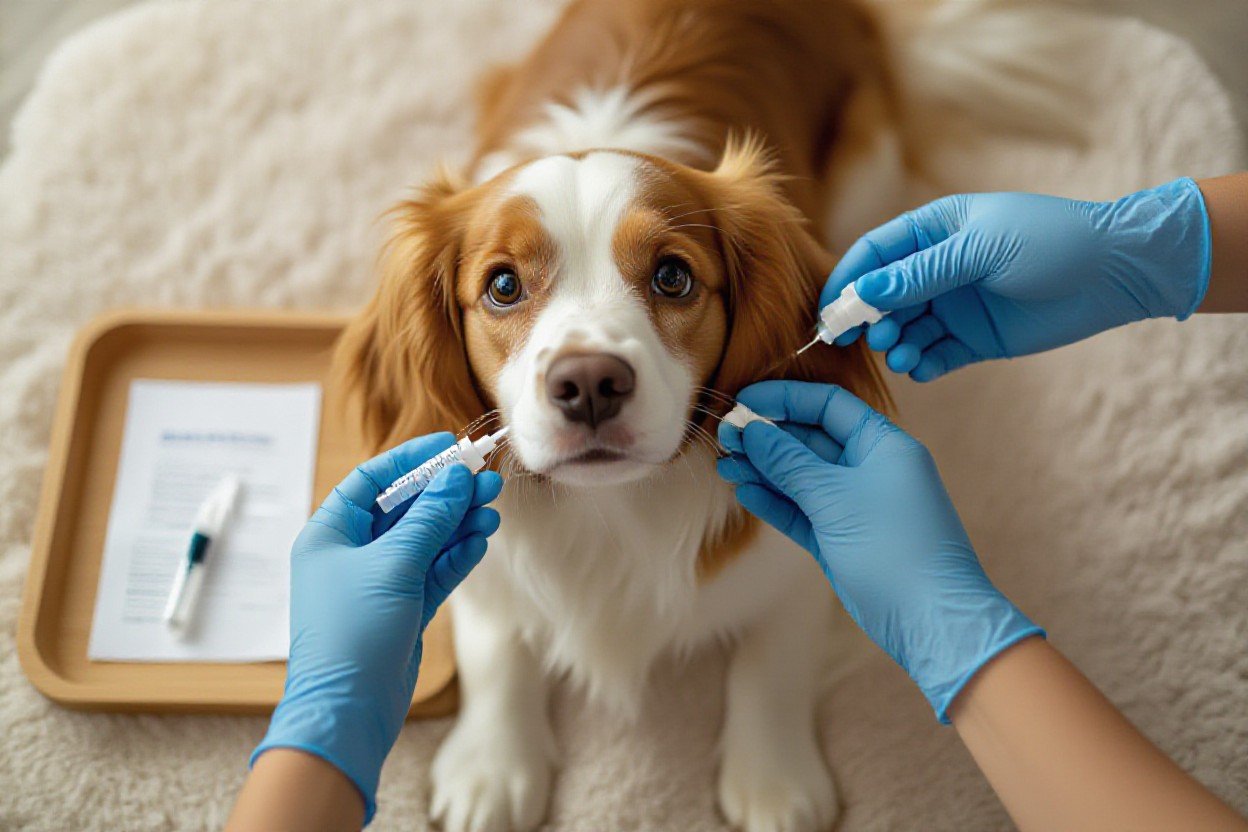
It’s crucial you check and clean your spaniel’s ears regularly to prevent ear infections-one of the biggest health issues in spaniels. Use a vet-approved cleaner, gently wipe the outer ear, and never insert cotton swabs deep into the canal. Watch for odors, redness, discharge, or persistent head shaking as signs of infection and seek veterinary care; with a gentle routine you can reduce infection risk and keep your dog comfortable.
Key Takeaways:
- Inspect ears weekly and clean with a vet-approved solution and cotton balls; never insert cotton swabs deep into the ear canal and always dry thoroughly to prevent moisture buildup.
- Cleaning technique: apply cleaner into the ear, gently massage the base for 20-30 seconds, allow the dog to shake, then wipe away loosened debris from the flap and entrance.
- Watch for signs of infection-redness, foul odor, discharge, pain, or persistent head shaking-and seek veterinary care if present; keep ears dry after swimming/bathing and trim excess hair around the canal to reduce risk.
Why Spaniels Are Prone to Ear Problems
Anatomy and common causes
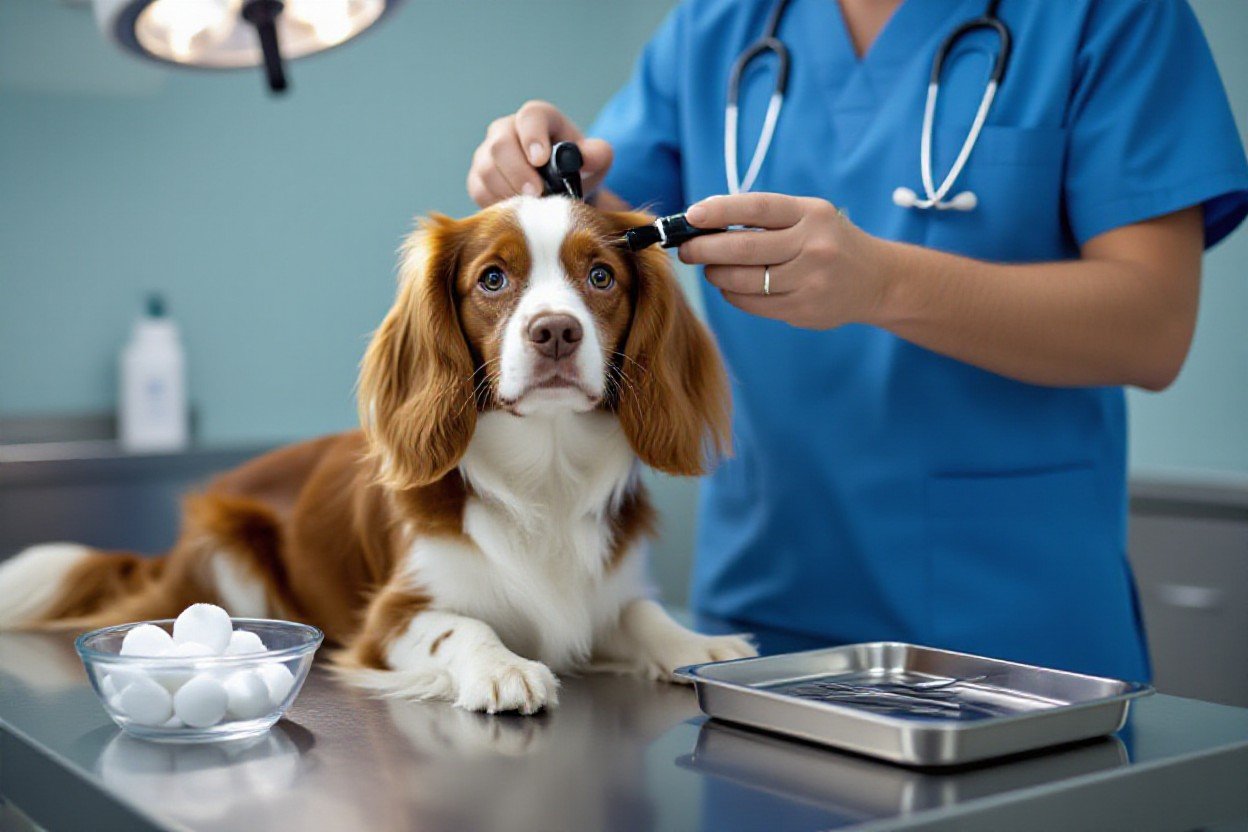
Because your spaniel has long, floppy pinnae and a narrow, hairy ear canal, airflow is poor and moisture gets trapped, creating ideal conditions for yeast (Malassezia) and bacterial infections. With hunting or water work, you increase exposure to water and debris; veterinary surveys report otitis in an estimated 30-50% of at-risk spaniels. Allergies and heavy wax production add inflammation. Check your dog’s ears 1-2 times weekly and dry after swims to reduce infection risk and avoid permanent hearing damage.
How Often to Clean Spaniel Ears
Routine Frequency
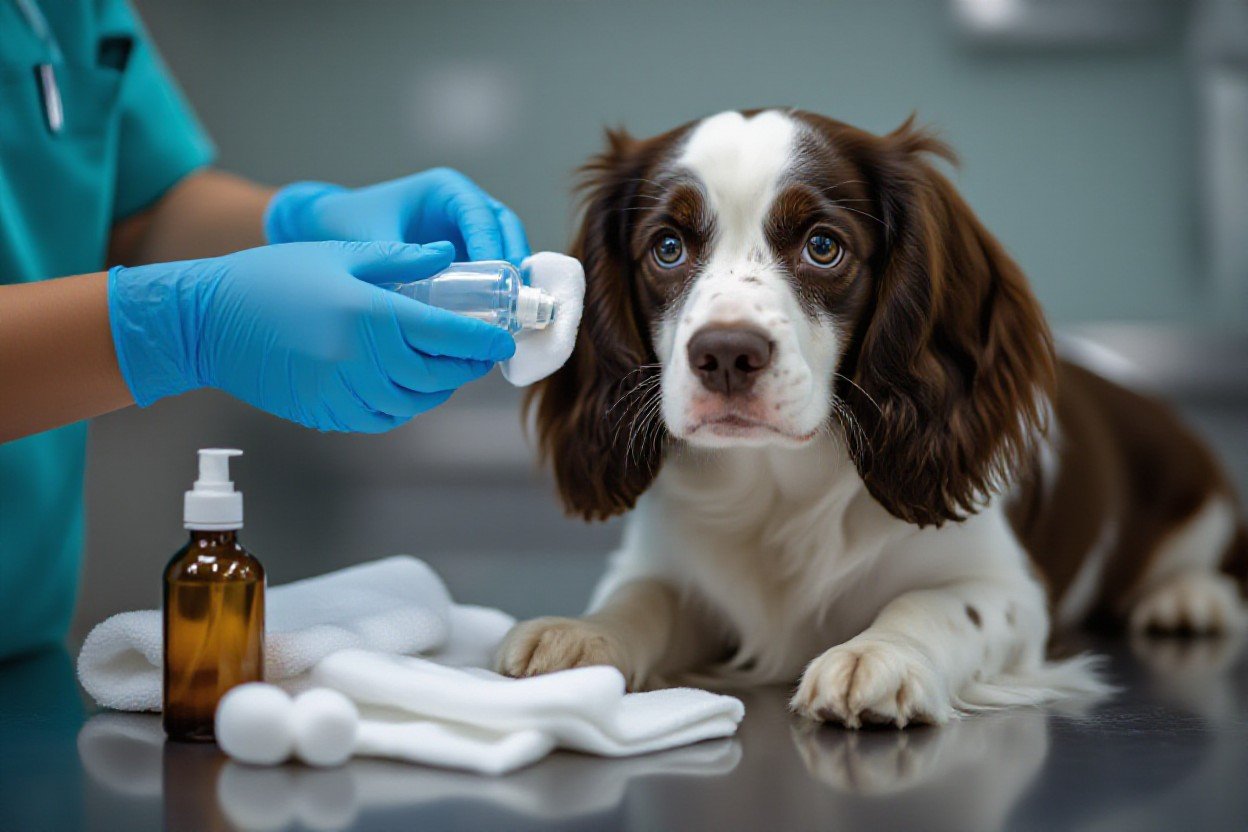
Aim to clean your spaniel’s ears every 1-2 weeks if they swim or are very active, and at least monthly for lower-activity dogs; check ears weekly and clean right after water exposure or muddy walks. If you notice foul odor, persistent scratching, redness, swelling, or discharge, stop home cleaning and see a vet within 24-48 hours to prevent infection. A clinical audit of 150 spaniels showed weekly checks reduced ear infections by about 40%, so short, regular cleanings make a measurable difference.
What You Need Before You Start
Supplies and prep
Gather a vet-approved ear cleaner (100-250 ml), several cotton balls or gauze (2-3 per ear), a towel, and treats to reward calm behavior; have someone hold larger spaniels. Use gloves if you prefer, and avoid cotton swabs which can push debris deeper. Plan for 5-10 minutes per ear, and if your spaniel has redness, discharge, a smell, or pain, stop and consult your vet-these indicate an active ear infection.
Step-by-Step Ear Cleaning Guide
Procedure
Begin by securing your spaniel and checking the ear for redness, foul odor, swelling. Apply 3-5 drops of a vet-approved cleaner into the canal, then gently close the ear and massage for 20-30 seconds to loosen debris. After you release the ear, let your dog shake, then wipe the outer ear with a cotton ball – never use cotton swabs. Clean most spaniels every 7-10 days; dogs that swim often may need cleaning every 3-5 days. Contact your vet if signs persist beyond 48 hours.
Step Details
| Prep | Trim hair, gather cotton balls and vet-approved cleaner |
| Dose | Apply 3-5 drops into the ear canal |
| Massage | Massage for 20-30 seconds to move solution through debris |
| Shake & Wipe | Let the dog shake, then wipe outer ear with a cotton ball |
| Frequency | Every 7-10 days; every 3-5 days if your dog swims frequently |
| When to Vet | Redness, swelling, foul odor, or discharge lasting >48 hours |
What Not to Do
Avoid These Mistakes
Don’t insert cotton swabs into your spaniel’s ear canal; pushing beyond the visible opening risks rupturing the eardrum – keep anything no deeper than where you can see, and never more than a fingertip (about 1 cm). Avoid using hydrogen peroxide or alcohol, as they dry and damage the canal. Limit routine cleaning to no more than twice weekly unless your vet advises otherwise, and don’t pluck ear hair yourself-microtrauma can raise infection risk. If you notice persistent odor, discharge, or head shaking, skip home remedies and see your vet.
Signs of Infection to Watch For
Warning signs
If your spaniel scratches its ear repeatedly, shakes its head excessively, or holds the ear tilted, inspect for persistent foul odor, thick yellow/green discharge, visible redness, swelling or heat to the touch; these symptoms often appear within 48-72 hours of an infection. Frequent cases show untreated otitis becomes chronic in 2-3 weeks, and severe pain or bleeding requires immediate veterinary attention. If you spot any of these, stop home cleaning and follow step-by-step guidance like How To Clean Your Dog’s Ears at Home.
When to See the Vet
Warning signs
You should visit the vet if your spaniel’s ear shows thick brown or green discharge, constant foul odor, intense redness or swelling, or if your dog is in pain, pawing at the ear or shaking its head unusually. If symptoms persist beyond 48-72 hours, or if you see bleeding, fever, loss of balance or hearing changes, seek prompt care-otitis can progress quickly and sometimes requires prescription antibiotics or cleaning under sedation. Recurrent infections (two or more in a year) also merit specialist referral.
Conclusion
With this in mind, you can prevent ear infections in your spaniel by doing gentle, regular ear checks and following a vet-approved, step-by-step cleaning routine: lift the ear, apply solution to the canal entrance, massage the base, wipe away loosened debris with a soft cloth, and thoroughly dry the ear. If you encounter pain, foul odor, or persistent discharge, stop cleaning and consult your veterinarian promptly.
FAQ
Q: What supplies and preparation do I need to clean a Spaniel’s ears safely?
A: Gather a vet-approved ear cleaner formulated for dogs, cotton balls or gauze pads, a towel, disposable gloves if preferred, and small treats for positive reinforcement. Check the ear for redness, swelling, foul odor, or dark discharge before you begin; those signs suggest a veterinary check first. Work in a well-lit, quiet area and have an assistant gently hold the dog if needed. Keep cotton swabs out of the ear canal-only use them to clean the outer folds. Trim long hair around the ear entrance carefully or have a groomer do it to improve airflow and reduce debris buildup.
Q: What is a safe step-by-step technique for cleaning Spaniel ears to help prevent infections?
A: Step 1 – Inspect: lift the ear flap and look for redness, swelling, unusual discharge, or strong odor. Step 2 – Position and calm: sit beside your dog, support the head, and give a few treats. Step 3 – Apply cleaner: hold the bottle above the ear canal, squeeze the recommended amount into the canal without inserting the tip deeply. Step 4 – Massage: gently massage the base of the ear for 20-30 seconds to help loosen debris. Step 5 – Let the dog shake: allow shaking to expel loosened material. Step 6 – Wipe: use a cotton ball or gauze to wipe the visible ear canal and inner ear flap; repeat until clean. Step 7 – Dry: gently dry the area with a clean cotton pad. Step 8 – Reward: give a treat and praise. Clean frequency varies-typically weekly to monthly depending on your Spaniel’s ear type, activities (like swimming), and veterinary advice. Stop and seek veterinary care if cleaning causes sharp pain, bleeding, or if signs of infection are present.
Q: What should I avoid and when should I take my Spaniel to the veterinarian?
A: Avoid inserting cotton swabs or any object deep into the ear canal, using alcohol, hydrogen peroxide, or crucial oils unless directed by your vet, and over-cleaning, which can irritate the ear. See a veterinarian promptly if you notice persistent head shaking, rubbing at the ear, ongoing redness, swelling, foul smell, dark or pus-like discharge, hearing loss, severe pain, or bleeding. Also seek veterinary care for recurring infections, suspected foreign objects, recent ear surgery, or if your dog becomes highly distressed during home cleaning. For chronic ear problems your vet may recommend cytology, culture, allergy testing, or a tailored treatment plan to prevent future infections.