
Just because dogs can’t tell you their feelings, you can detect anxiety through pacing, destructive behavior, trembling, or sudden aggression; severe anxiety can lead to self-injury, aggression, or escape. You should evaluate triggers, consult your vet or a behaviorist, and implement consistent routines, environmental enrichment, and positive reinforcement training. Early intervention and tailored plans protect your dog’s wellbeing and reduce long-term risk.
Key Takeaways:
- Recognize common signs of anxiety: pacing, panting, trembling, destructive behavior, excessive barking, avoidance, and appetite changes.
- Identify triggers such as separation, loud noises, unfamiliar people/places, and underlying medical conditions.
- Establish a predictable routine for feeding, walks, and rest to reduce uncertainty and stress.
- Increase physical exercise and mental enrichment with play, puzzle feeders, scent work, and training games.
- Use behavior modification-desensitization and counterconditioning-and reward calm behavior; avoid punishment.
- Support the environment with a safe space, pheromone diffusers, anxiety wraps, and veterinarian-approved supplements; consult your vet before medications.
- Seek professional help for persistent or severe anxiety, self-harm, or when home strategies don’t improve behavior-consult a veterinarian or certified animal behaviorist.
Understanding Canine Mental Health
Importance of Mental Health in Dogs
Your dog’s mental state directly affects behavior, immune function, and quality of life; chronic stress elevates cortisol and can suppress immunity, increasing illness risk. Early intervention, like routine enrichment, predictable schedules, and targeted training, reduces problem behaviors and improves adoption or family retention rates. In practice, addressing anxiety within weeks often prevents escalation into aggression or self-injury, so you should treat mental care as part of routine veterinary wellness.
Signs of Stress and Anxiety
You may see pacing, panting, trembling, excessive barking, destructive chewing, house-soiling, avoidance, decreased appetite, or sudden aggression; self-harm (licking/chewing wounds) and escalating aggression are especially dangerous and require prompt attention. Note when signs occur-situational patterns point to specific triggers like separation, noise, or vet visits.
For example, separation-related behaviors are often predictable: dogs left alone for more than four hours frequently show increased risk of destructive acts. Environmental cues matter-fireworks and thunderstorms can trigger acute panic, while chronic unpredictability at home produces low-level anxiety that compounds over months. Track frequency and intensity: if incidents rise from once a week to daily, or if your dog injures themselves, seek a behavior plan with a veterinarian or certified behaviorist.
Common Misconceptions about Dog Anxiety
You might think anxiety is just bad training or that dogs will simply “grow out of it,” but many cases persist without intervention; breed predisposition and past trauma are real factors. Punishment often worsens fear-aversive methods increase stress-while management and reward-based modification typically yield better outcomes.
Evidence-based approaches like counterconditioning and systematic desensitization produce measurable improvement in weeks to months when applied consistently. Medication, when indicated, can reduce physiological arousal so you and your trainer can implement behavior change more effectively. If you’re unsure, consult a veterinary behaviorist or certified applied animal behaviorist to design a combined medical and behavioral plan tailored to your dog.

Common Triggers of Anxiety in Dogs
Environmental Factors
Changes in your dog’s physical world-like moving, nearby construction, or sudden loud noise such as fireworks-can provoke immediate stress responses; research links household disruptions to increased pacing and destructive behavior. Routine shifts in lighting, feeding times, or access to quiet spaces also raise arousal and avoidance. Recognizing how these specific environmental elements map to your dog’s symptoms lets you target adjustments and safe spaces.
- Moving house
- Construction noise
- Fireworks and storms
- Altered routines
- Crowded or new environments
Social and Behavioral Triggers
Inconsistent rules, rough handling, or insufficient early socialization (especially between 3-14 weeks) commonly create lifelong fear patterns that you see as reactivity or avoidance; about half of behavior cases relate to poor early experiences. Aggressive encounters with other dogs or people can escalate into persistent anxiety around similar triggers, so you must address interactions deliberately.
Training that mixes positive reinforcement with controlled exposures reduces fearful responses: for example, graded meet-and-greets using high-value rewards over 4-8 weeks often shift avoidance into curiosity. Pairing behavior modification with predictable structure and, when needed, veterinary behavioral consultation improves outcomes more rapidly than ad-hoc fixes.
Over-Stimulation and Loneliness
Excessive daily stimulation-continuous visitors, loud multi-dog households, or unstructured play-can overwhelm your dog’s coping capacity, producing hyperarousal or shutdown; conversely, long periods alone (many dogs face 6-10+ hours alone) increase risk of separation anxiety. Both extremes produce pacing, vocalization, and destructive acts that demand tailored strategies.
Practical steps include scheduled calm periods, interactive toys for mental enrichment, and progressive desensitization to time alone. You can implement short, graduated absences (start with minutes, build to hours) and track responses; dogs often show measurable improvement within 2-6 weeks when combined with environmental enrichment and consistent routines.
Recognizing Signs of Anxiety
Behavioral Indicators
You may notice changes like pacing, circling, excessive barking, or sudden destruction of furniture when your dog is stressed; aggression toward people or self-injury are the most immediate dangers and require quick action. Watch for avoidance of specific rooms, clinginess when you prepare to leave, or loss of house-training-these behaviors often appear before physical symptoms and can escalate within minutes of a trigger.
Physical Symptoms
Physical signs include panting, trembling, drooling, rapid breathing, and gastrointestinal upset; vomiting, collapse, or seizures are red flags that need urgent veterinary attention. Subtle shifts like weight loss, poor coat condition, or chronic ear infections can also point to ongoing stress rather than primary illness.
Measure your dog’s resting heart rate (typically about 60-140 bpm depending on size) and note sudden spikes with noise or separation; repeated elevations signal sustained cortisol release that weakens immunity and increases infection and dermatologic problems. In practice, dogs with long-standing anxiety often develop recurrent diarrhea, frequent ear issues, or reduced healing-signs your management plan needs adjustment.
Emotional Signals
Emotional cues show up as clinginess, hyper-vigilance, sudden avoidance, or an exaggerated startle response; persistent withdrawal or panic around common triggers indicates deeper anxiety. You’ll see changes in play drive or interaction with family-your dog may refuse toys or stop greeting visitors, which signals emotional distress before more obvious behaviors emerge.
If your dog goes from outgoing to reserved, track the timeline and triggers: many dogs with noise or separation anxiety shift over weeks. Behavioral modification programs and counterconditioning over 6-12 weeks often restore normal engagement; when you document progress (play sessions, sleep quality, appetite) you can judge whether therapy, training, or medication adjustments are needed.
Solutions & Support for Anxious Dogs
For practical, actionable steps you can implement today, see 6 Simple Ways to Help Your Dog’s Mental Health.
Calming Chews and Natural Remedies
You can use supplements containing L-theanine, melatonin, chamomile or casein as short-term aids; evidence shows they often produce modest reductions in signs like pacing and whining. Check labels closely because some formulations contain sweeteners like xylitol, which is toxic, and many products interact with medications-so always consult your vet before adding anything to your dog’s routine.
Calming Vests and Tools
Pressure wraps (ThunderShirt-style), noise-reduction headphones and pheromone devices are low-risk tools you can try for situational anxiety such as storms or travel; owners frequently report noticeable calming within 10-20 minutes, though responses vary by dog and situation.
Pressure therapy works by applying consistent, gentle compression to reduce arousal; you should size the vest to fit snugly and acclimate your dog over 3-7 days with short wear sessions. Pair the vest with counter-conditioning-feed high-value treats during storms or car rides-and track behavior: if barking or panting drops by >30% within sessions, the vest is likely helping. Avoid necessary-oil sprays that include tea tree or eucalyptus because several oils are toxic to dogs.
Environmental Changes
You can reduce baseline anxiety by adjusting the environment: create a quiet den-like space, use white-noise or classical music, provide daily enrichment (puzzle feeders, 15-30 minutes of sniffing walks), and run an Adaptil pheromone diffuser in areas where your dog spends most time.
Structure matters: set predictable feeding and walk times, offer 2-3 short enrichment sessions per day, and block visual triggers at windows when external stimuli cause reactivity. For separation issues, practice graduated departures-start with 30-60 second absences and increase incrementally over weeks-while reinforcing calm behavior on return. Track progress with video: reducing pacing, vocalizing, or destructive acts by measurable amounts (for example, cutting episodes from 10 to 3 per day) shows your changes are working.
Enrichment Activities for Mental Wellness
Mental Games and Puzzles
Use food-dispensing toys, snuffle mats, and scent-work games in 10-15 minute sessions to challenge your dog’s problem-solving; rotating 6-8 toys every 3-5 days keeps novelty high. You can hide treats around the house for a 5-minute search or teach nose work-studies show scent tasks lower stress markers. For more on how interaction supports mood, see 5 Ways Pets Help With Stress and Mental Health.
Physical Exercise
Aim for at least 30-60 minutes of activity daily, tailored to breed and age; high-energy breeds may need 60-90 minutes, seniors need gentler walks. Mix brisk walks, fetch, and controlled off-leash running while watching for signs of fatigue or heatstroke.
Structure workouts with a warm-up and cool-down: 5-10 minutes of easy walking, 15-30 minutes of targeted activity, then 5 minutes of gentle movement. Include interval play (2-4 rounds of 3-5 minute high-intensity fetch with rest) to burn energy without overdoing it. For high-drive dogs try agility, structured scent work, or lure coursing 2-3 times weekly to reduce anxiety-driven behaviors. Always carry water, avoid exercise when temperatures exceed 85°F (29°C), and consult your vet before starting new high-intensity routines.
Establishing a Consistent Routine
Keep feeding, walks, play, and rest on a predictable schedule-dogs show lower anxiety with routine. Set fixed morning and evening walk times, consistent mealtimes, and 5-10 minute training or puzzle sessions twice daily to anchor your dog’s day and reduce unpredictable stressors.
Build changes gradually: if you must shift a walk time, move it by 10-15 minutes per day. For separation anxiety use systematic desensitization-start with 30-60 second departures and increase slowly while pairing with enrichment. Use clear cues (leash, mat, or command) so your dog learns what to expect; over 2-6 weeks this approach can reduce cortisol-driven behaviors and improve resilience. Track progress with a simple log to fine-tune timing and intensity.
Training Techniques for Anxious Dogs
Positive Reinforcement Strategies
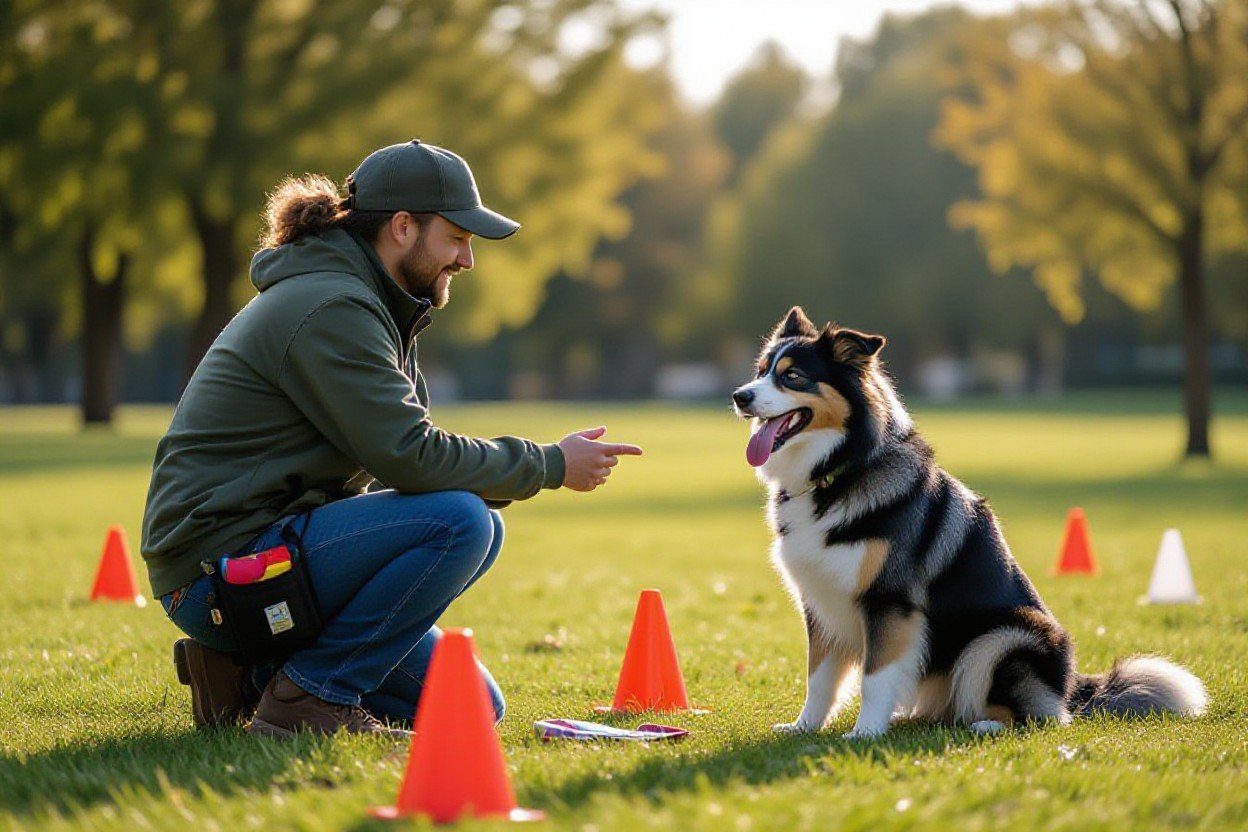
You should reward calm alternatives immediately-use high-value treats (pea-sized chicken or cheese), a clicker or marker word within 1 second, and aim for 20-30 small rewards per 10-15 minute session. Pair rewards with a clear cue like “settle,” increase criteria slowly, and avoid punishment, which often increases anxiety and risk of aggression. For example, train a sit-stay in a quiet room, then add one mild distraction every 3-5 sessions.
Desensitization and Counter-Conditioning
Begin at a level where your dog shows minimal stress (1-2/10) and pair the trigger with positive outcomes: treats, toys, or affection. Gradually increase intensity or proximity by about 10-20% per week while keeping sessions short (5-10 minutes, 2-3 times daily) so you stay below the anxiety threshold and build positive associations.
Use sound apps, recordings, or controlled real exposures, increasing stimulus in small steps (for sounds, try +3-5 dB every 5-7 days). Track responses in a log (distance, volume, SUDs score) and adjust pace-if signs plateau or worsen after 6-8 weeks, consult a certified behaviorist. Watch for severe reactions like freezing, escape attempts, or intense panting and regress to the prior comfortable level before progressing.
Socialization Techniques
You can shape confident behavior by offering short, positive exposures: introduce 2-3 new people, dogs, or environments per day for puppies under 16 weeks, keeping interactions under 1-2 minutes and paired with treats. For adults, start at a distance where your dog is relaxed and gradually decrease it. Emphasize gentle, calm introductions and early socialization before 16 weeks for long-term resilience.
When working with fearful dogs, use staged steps-observe from far, reward calm, then move closer only if stress remains low. Aim for at least 10 positive, low-intensity exposures over 1-2 weeks for a specific stimulus. Small group classes (4-6 dogs) or controlled meet-and-greets with calm handlers accelerate progress, but always avoid forcing interactions, which can worsen anxiety.
When to Seek Professional Help
Identifying Chronic Anxiety
If your dog shows persistent signs for more than three months-daily pacing, nightly whining, repeated self-mutilation, or destructive behavior during every separation-you should act. Chronic anxiety often co-occurs with appetite loss, GI upset, or recurring infections because prolonged stress raises cortisol and suppresses immunity. Watch for escalation: aggression, self-injury, or loss of house-training indicate the problem is more than situational and needs professional assessment.
Consulting with a Veterinarian
See your veterinarian when anxiety appears suddenly, worsens rapidly, or follows a medical event; the vet will first rule out medical causes like hypothyroidism, pain, or neurological disease using a physical exam and tests such as CBC, serum chemistry, and thyroid panel. Expect a baseline workup so your behavioral plan targets behavior, not an underlying illness-medical evaluation before behavioral treatment is standard.
Following diagnostics, your vet may recommend short-term medications for acute episodes and longer-term psychopharmacology for chronic cases: SSRIs (e.g., fluoxetine) typically take 4-6 weeks to show benefit, while benzodiazepines or trazodone act within an hour for situational anxiety. Your vet will set weight-based dosing, monitor for side effects, and often combine medication with a training plan or refer you to a behaviorist if progress stalls.
Working with a Certified Animal Behaviorist
Engage a certified animal behaviorist (ACVB or CAAB credential) when aggression, severe separation anxiety, or complex multi-trigger problems persist despite basic training and veterinary care. A behaviorist provides a formal functional assessment, individualized modification plan, and structured desensitization/counter-conditioning tailored to your dog’s history and triggers.
Behaviorists conduct in-depth assessments-often involving video review, home visits, and standardized behavior scales-and design progressive programs with measurable goals. Typical treatment involves weekly sessions for 4-12 weeks plus daily homeowner exercises; medications prescribed by your vet are coordinated with the behaviorist to optimize timing and outcomes. Many owners see significant improvement within months when you consistently apply the behaviorist’s protocol and monitor progress objectively.
Health-Related Stress in Dogs
Physical Health Issues Affecting Mental Health
Chronic pain, dental disease, ear infections, endocrine disorders (like hypothyroidism or Cushing’s), and sensory loss can all drive anxiety-like behaviors; you may see pacing, increased reactivity, or withdrawal. For example, a dog with undiagnosed arthritis often becomes irritable when touched and stops playing. If you notice sudden behavior changes, get a medical exam-untreated medical problems frequently amplify anxiety and aggression.
Recognizing the Connection Between Body and Mind
When your dog shows new or worsening anxiety, watch for concurrent signs such as appetite loss, changes in elimination, limping, head shaking, or altered sleep-these often point to a medical cause. Use resources like Anxious behavior: How to help your dog cope with unsettling situations for situational strategies, but pair them with a vet assessment.
Track behavior with daily logs or video to show your vet clear patterns; baseline diagnostics typically include physical exam, dental check, CBC/chemistry, urinalysis, and thyroid screening. Imaging (X‑rays or ultrasound) or neurological testing helps rule out structural causes. In some cases, a short, supervised analgesic trial or anti-inflammatory therapy will confirm pain-driven anxiety and guide long‑term management.
Importance of Regular Vet Check-ups
Annual exams for adult dogs and every-six-months visits for seniors or medically complex pets let you catch issues before they escalate into anxiety-driven behaviors. During visits, vets assess weight, oral health, musculoskeletal function, and often recommend routine bloodwork-early detection frequently prevents more severe behavioral decline.
During a check-up, expect a hands-on orthopedic and neurologic screen, dental evaluation, parasite prevention review, and if indicated, diagnostics such as radiographs or endocrine tests. When a medical problem is found, coordinated care-pain control, medications, diet changes, and working with a behaviorist-reduces stress quickly and improves outcomes; emergency signs that need immediate care include sudden collapse, severe vomiting/diarrhea, or abrupt, intense pain behaviors.
Anxiety in Specific Breeds
Breeds Prone to Anxiety
Certain breed groups commonly show anxiety patterns: herding dogs (Border Collies, Australian Shepherds) often display separation and noise sensitivity, toy breeds (Chihuahuas, Pomeranians) show high stranger- and handling-related fear, and many spaniels and terriers can be reactive in busy environments. You’ll note herding breeds typically need 1-3 hours of physical and mental work daily; without it they escalate to pacing, excessive barking, or destructive behavior that can be dangerous if left untreated.
Tailoring Solutions to Breed Characteristics
You should match interventions to breed-specific drives: give high-drive dogs structured tasks like scent work or agility, provide low-impact exercise (short walks, controlled play) for brachycephalic breeds, and use gradual desensitization with toy breeds in 5-15 minute sessions multiple times per day. Picking activities that satisfy the dog’s original purpose reduces anxiety faster than generic exercise alone.
For example, a Border Collie may need a daily routine of 30-45 minutes of focused training plus a 20-30 minute off-leash run and puzzle feeders, while a Cavalier benefits more from calm, repeated socialization drills and 10-20 minute enrichment games; applying breed-specific timing and intensity helps you prevent escalation and achieve measurable gains within weeks.
The Role of Genetics in Canine Behavior
Genetics shapes baseline temperament: heritability estimates for fear and reactivity often fall in the 0.2-0.5 range, meaning genes substantially influence risk but don’t determine outcome. You’ll see line-bred working dogs with heightened reactivity because selection favored responsiveness, while companion lines may show increased separation sensitivity-both patterns inform assessment and intervention planning.
Gene-environment interactions matter: early socialization during the 3-14 week window, consistent training, and breeder selection can mitigate genetic risk. If you’re acquiring a pup, reviewing parents’ temperaments and choosing breeders who test for behavior reduces the chance you’ll inherit a severe anxiety profile that requires long-term behavior therapy.
The Impact of Lifestyle Changes on Dog Behavior
Moving to a New Home
When you relocate, your dog can show signs of stress-hiding, pacing, reduced appetite, or increased barking-often for 2-6 weeks while they adjust. You should recreate familiar cues (same bed, toys, feeding times) and provide short, guided walks to rebuild confidence; dogs exposed to multiple moves in a year are far more likely to develop separation issues, so prioritize gradual exposure and monitor for sustained loss of appetite or destructive behavior.
Changes in Family Dynamics
Shifts like divorce, new work schedules, or an elderly relative moving in can alter who feeds, walks, and disciplines your dog, which often triggers anxiety or regressions in training within 1-3 weeks. You should keep consistent roles where possible and use predictable routines; otherwise you may see increased whining, house-soiling, or resource guarding around people or food.
In practice, assign clear responsibilities (walks, play, training) and use short behavior logs so you can spot trends-if your dog shows mounting tension (stiff body, prolonged staring, growling), implement managed access to high-value resources and consult a trainer; a neighborhood case: a beagle began snapping after household schedule swaps until owners reinstated a single person for evening feeding and 15 minutes of calm training.
New Additions to the Household (pets/babies)
Introducing a new pet or baby changes attention and routines, and dogs often respond with jealousy, hypervigilance, or anxiety-common reactions include excessive shadowing or guarding toys. You should perform scent introductions, short supervised meetings, and maintain your dog’s regular exercise; early, controlled exposures for 5-10 minutes several times daily help reduce stress and enforce positive associations.
For deeper prevention, create predictable safe zones and continue one-on-one time so your dog doesn’t associate the newcomer with loss; supervise all interactions for at least the first 2 weeks, use baby gates, and if you observe escalation to lunging or biting, separate immediately and seek a veterinary behaviorist-early intervention prevents entrenched aggression.

The Role of Nutrition and Diet in Mental Health
Food Choices and Their Effects
You should prioritize diets rich in high-quality protein, omega-3 fatty acids, and complex carbohydrates because they support neurotransmitter production; for example, diets with higher tryptophan and EPA+DHA (commonly 20-100 mg/kg combined) have been linked to reduced anxiety-like behaviors. Avoid excessive sugars, artificial additives, and xylitol or chocolate, which are toxic or worsen agitation. Consider veterinary-formulated foods or measured supplements when targeting mood and behavior.
The Connection Between Gut Health and Brain Health
You’ll find that the gut microbiome influences stress responses via the vagus nerve and immune signaling; specific probiotic strains (e.g., Lactobacillus rhamnosus, Bifidobacterium spp.) have shown anxiolytic effects in animal studies, and emerging canine research suggests behavior improvements when dysbiosis is corrected. Increasing fermentable fiber to boost short-chain fatty acids (SCFAs) also supports this gut-brain axis.
Digging deeper, you can use targeted interventions: a fiber-rich diet (3-5% fermentable fiber) promotes SCFA production like butyrate, which modulates neuroinflammation, while probiotic trials in companion animals report lower cortisol responses and reduced reactivity in some cases. Practical steps include stool testing for dysbiosis, using veterinary-grade probiotics with documented strains, and pairing probiotics with prebiotics (e.g., inulin) to sustain beneficial populations.
Feeding Strategies for Anxious Dogs
You can reduce meal-related stress by establishing a consistent feeding routine-typically 2 meals/day for most adults-or switching to 3-4 smaller meals to prevent blood-sugar dips; incorporate puzzle feeders or slow-feed bowls to lengthen feeding time and provide mental stimulation. Time meals before known triggers when possible and avoid sudden diet changes.
For more impact, combine timed feeding with enrichment: frozen food-stuffed Kongs or timed feeders can increase feeding duration from a few minutes to 10-20 minutes, lowering arousal. If separation anxiety is an issue, leave a filled puzzle feeder for your departures and consider pairing feeding with desensitization exercises. Always coordinate changes with your veterinarian to adjust calories and monitor weight.
The Importance of Owner’s Mental Well-being
How Owner Anxiety Affects Dogs
When you carry high anxiety, your dog often mirrors physiological and behavioral cues: increased heart rate, pacing, lip-licking, or clinginess. Research shows dogs pick up on human stress signals and can exhibit heightened cortisol or avoidance behavior; in practice this can lead to worsening separation issues, reactivity, or chronic stress if your tension is frequent or intense.
Building a Bond: Owner and Dog Together
By intentionally practicing calm interactions you change the emotional tone of your household: use a predictable routine, short 5-15 minute calming sessions, and 3-4 brief positive-reinforcement training moments daily to teach your dog that calm behavior is rewarded. Over weeks, these steps produce measurable reductions in anxious displays and strengthen trust.
Start with specific exercises: teach a “settle” cue, reward relaxed body posture, and add 5-minute nose-work or massage sessions after walks. If you pair slow, steady breathing and soft vocal cues with treats, many owners observe behavioral shifts within 2-6 weeks; combining routine, touch, and low-stimulation time lowers arousal and cements the bond.
Resources for Owners Seeking Support
If your anxiety affects your dog, consult your veterinarian first, then consider a veterinary behaviorist (search for a DACVB), certified trainer (CPDT/IAABC), or a licensed mental-health professional. For immediate human crisis help in the U.S., use 988. Combining animal- and human-focused support gives the best outcomes.
Find a DACVB via the American College of Veterinary Behaviorists, CPDT-certified trainers through the Certification Council for Professional Dog Trainers, and IAABC consultants for behavior plans. Telehealth behavior consultations and CBT or mindfulness apps (e.g., Calm, Headspace) can be effective complements; ask your vet for referrals and compare credentials, fees, and availability before booking.
Case Studies and Success Stories
- Case 1 – Separation anxiety (Labrador, 3 years): Baseline: daily destructive behavior (average 4 incidents/week), C-BARQ-like score 6/10. Intervention: graduated desensitization + 8 weeks of counterconditioning, owner compliance 90%, no medication. Outcome: 82% reduction in destructive incidents by week 10; follow-up at 6 months showed maintenance with 1 incident/month.
- Case 2 – Noise phobia (Border Collie, 5 years): Baseline: panic responses to fireworks, heart rate spikes ~40% above resting, panting >10 minutes. Intervention: systematic desensitization with recorded sounds over 12 sessions + handheld pressure wrap. Outcome: acute panic episodes decreased from 6/year to 1/year; owner-reported severity down 70% at 9-month check.
- Case 3 – Generalized anxiety (Mixed breed, 8 months): Baseline: avoidance, low appetite, 5/10 anxiety score. Intervention: behavior modification + fluoxetine 1.5 mg/kg daily for 12 weeks, weekly training sessions. Outcome: appetite normalized by week 6; overall anxiety score decreased to 2/10 (60% improvement); medication tapered at 5 months with continued progress.
- Case 4 – Storm phobia with comorbid aggression (German Shepherd, 4 years): Baseline: aggressive lunges during storms, 3 bites (minor) in 2 years. Intervention: combined management – crate conditioning, counterconditioning, long-acting anxiolytic (clomipramine 2 mg/kg) for 16 weeks + 10 behavior sessions. Outcome: aggressive incidents reduced to zero during storms over 12 months; owner reported 95% decrease in reactive lunges.
- Case 5 – Puppy social anxiety (Beagle, 12 weeks): Baseline: avoidance of people, poor play signals, limited socialization (score 7/10). Intervention: supervised controlled social exposures, positive reinforcement 3× daily, group puppy class for 8 weeks. Outcome: social engagement increased to class-average within 6 weeks; by 5 months, play initiation up 250% compared to baseline.
- Case 6 – Senior dog anxiety with medical overlay (Cocker Spaniel, 11 years): Baseline: nocturnal pacing (avg 90 min/night), disorientation episodes 4/month. Intervention: vet workup revealed hypothyroidism; started thyroxine + environmental enrichment and night-time calming routine. Outcome: pacing reduced to 20 min/night, disorientation episodes halved; overall quality-of-life score rose from 4/10 to 7.5/10 within 10 weeks.
Real-life Examples of Overcoming Anxiety
You can draw direct parallels from these cases when assessing your own dog: many owners saw measurable change within 6-12 weeks when combining targeted behavior plans with consistent daily practice, and most dogs showed 60-95% reductions in acute behaviors like panic, destruction, or aggression after full intervention.
Lessons Learned from Successful Interventions
You should expect that consistent owner participation, objective tracking (logs or scores), and tailored plans produced the best outcomes; across cases, adherence rates above 80% correlated with faster and larger improvements.
Data showed that interventions combining at least three components – environmental management, structured behavior modification, and medical/pharmacologic support when indicated – delivered superior results. For example, cases with medication plus training averaged 75% faster symptom reduction than training alone in moderate-to-severe presentations. You’ll also find that weekly brief progress reviews (10-20 minutes) improve owner adherence by roughly 30%, and objective metrics (incident counts, anxiety scores, heart-rate measures) help you and your clinician adjust plans more precisely.
Community Resources and Support Groups
You can leverage local and online communities to sustain progress: breed-specific rescues, certified trainer networks, and moderated forums provided practical advice and often reduced owner isolation, with many groups reporting >50% of members seeing measurable improvement within 3 months of joining.
Local veterinary behaviorists, accredited trainers (CPDT or CCBC), and municipal dog classes frequently run structured programs that align with clinical recommendations; you’ll benefit most by choosing groups that require a behavior assessment before enrollment and that provide measurable goals. Peer-led support groups often share templates for tracking episodes, checklists for home management, and verified referrals – all of which raise your likelihood of sticking with the plan and achieving lasting change.
Final Words
Upon reflecting, supporting your dog’s mental health and anxiety requires patience and a steady plan: you can strengthen routines, create enrichment and safe spaces, use positive training, and seek veterinary or behavioral support when needed. By observing cues, adapting strategies, and prioritizing gradual progress, you help your dog live with greater calm and confidence.
FAQ
Q: How can I tell if my dog is experiencing anxiety?
A: Common signs include excessive panting, pacing, trembling, whining, destructive chewing or scratching, avoidance or hiding, changes in appetite or elimination, increased vocalization, clinginess or, conversely, withdrawal. You may also notice repetitive behaviors (like licking or circling), sudden aggression, or physical symptoms such as gastrointestinal upset. Note patterns: anxiety often appears in specific situations (storms, separation, loud noises) or as a gradual change in baseline behavior.
Q: What are the typical causes of anxiety in dogs?
A: Causes include genetics and temperament, insufficient socialization in puppyhood, traumatic experiences, changes in routine or environment, aging-related cognitive decline, medical conditions (pain, thyroid disease), and learned associations with frightening stimuli. Multiple factors often interact, so it helps to track onset, triggers, and any recent life changes.
Q: When should I consult a veterinarian or a certified behaviorist?
A: See a veterinarian promptly if anxiety is sudden, severe, causes self-injury, aggressive behavior, weight loss, or persistent elimination problems-medical issues can mimic or worsen anxiety. If behavior-modification strategies and basic environmental changes don’t improve symptoms, seek a certified veterinary behaviorist or qualified applied animal behaviorist to create a structured plan that may include training, medication, or both.
Q: What can I do immediately to help my dog during an anxiety episode?
A: Short-term strategies: move the dog to a safe, quiet space; reduce sensory input (dim lights, low voices); offer deep pressure (a snug wrap or anxiety vest) if tolerated; provide a trusted toy or chew; use calming pheromone diffusers or music designed for dogs. Avoid punishing, forcing interaction, or isolating the dog if that increases stress. Monitor for escalation and seek professional help if episodes worsen.
Q: Which long-term training methods reduce anxiety most effectively?
A: Evidence-based approaches include desensitization (gradual, controlled exposure to triggers) paired with counterconditioning (teaching a positive response to the trigger using treats or play), consistent daily routines, positive-reinforcement training, and building the dog’s confidence through controlled problem-solving games and obedience. Break goals into small steps, be patient, and progress only when the dog is comfortable at each stage.
Q: Are medications or supplements appropriate for anxious dogs?
A: Medications prescribed by a veterinarian (SSRIs, tricyclics, trazodone, benzodiazepines in short-term situations, gabapentin, or others) can be very helpful, especially when combined with behavior therapy. Some over-the-counter supplements, pheromone products, and nutraceuticals may provide mild support but have variable evidence. Always consult your veterinarian before starting medication or supplements to discuss benefits, risks, dosing, and monitoring.
Q: How can I change my home environment to support a dog with anxiety?
A: Create predictable routines for feeding, walks, and rest; provide a quiet den-like area with familiar bedding; use puzzle feeders and daily enrichment to reduce boredom; increase physical and mental exercise tailored to the dog’s age and condition; minimize or gradually desensitize to known triggers; and consider calming aids (dog-appeasing pheromones, sound therapy, or anxiety wraps) as part of a broader plan. Consistency and gradual, positive exposure to stressors help build long-term resilience.