
Many owners consider freeze-dried and raw diets for your dog because they offer higher nutrient density and minimal processing, but you must balance benefits against risk of bacterial contamination and potential nutritional imbalance. You should evaluate sourcing, handling, and storage, assess your dog’s health status, and consult your veterinarian or a veterinary nutritionist to create a safe, complete feeding plan.
The Growing Popularity of Freeze-Dried and Raw Diets
Trends in Pet Nutrition
You’re seeing a clear shift toward fresh‑ingredient, minimally processed pet foods: freeze‑dried and raw sit at the intersection of premiumization and “human‑grade” expectations. Manufacturers like Stella & Chewy’s, Primal and Instinct expanded SKUs, while retailers report the freeze‑dried segment as one of the fastest‑growing natural food niches, driven by demand for higher protein, limited‑ingredient recipes and perceived freshness; at the same time, pathogen and nutrient‑balance concerns remain widely discussed among vets and regulators.
Health-Conscious Owner Motivations
You choose freeze‑dried or raw often because you want ingredient transparency, fewer fillers, and the hope of improved coat, digestion or allergy outcomes; many owners report visible benefits within weeks. Brands advertise AAFCO‑formatted formulations or feeding trials, and you likely pay a premium for what you view as a more biologically appropriate diet.
Digging deeper, you should weigh the trade‑offs: while some dogs show better energy and reduced skin issues, raw and DIY recipes frequently lack sufficient calcium, vitamin D or other micronutrients unless they follow formulated guidelines or include balanced supplements. Veterinarians advise confirming a product meets AAFCO nutrient profiles or has third‑party nutrient analysis, and you must factor in higher monthly costs and safe handling to reduce bacterial contamination risks.
Influence of Social Media and Influencers
Social platforms accelerate adoption: viral videos, before‑and‑after photos and influencer testimonials create rapid buzz for specific products or homemade raw meals. You may see dramatic transformations that prompt trial purchases, but influencer content often omits lab testing, AAFCO compliance or veterinary oversight-making misinformation and unsafe DIY recipes a real hazard.
When you encounter influencer claims, scrutinize sourcing: check for sponsored posts, ask whether brands publish nutrient analyses, and seek veterinarian input before switching diets. Influencer‑driven spikes can boost a small brand’s sales overnight, yet they also amplify unverified practices; relying on documented feeding trials, batch testing results and professional guidance helps you avoid costly or dangerous mistakes.
Advantages of Freeze-Dried and Raw Diets
Closer to Ancestral Diets
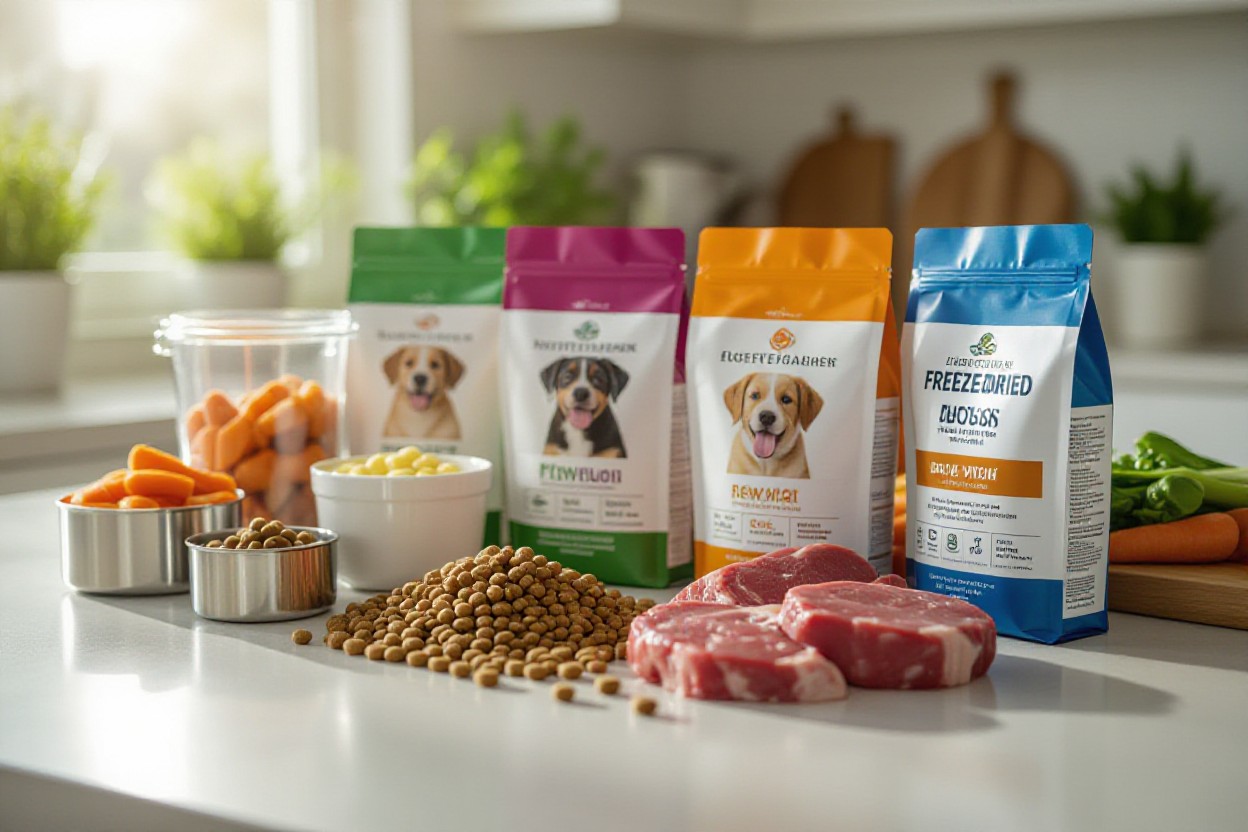
You get a nutrition profile that mirrors prey: higher animal protein and organ content with far fewer carbs than most kibbles. Many prey-model recipes follow roughly an 80% muscle / 10% organ / 10% bone ratio, supplying native vitamins, minerals, and amino acids in their original matrix, which can improve nutrient bioavailability compared with heavily processed formulas.
Minimal Processing Benefits
Because these foods avoid high-heat extrusion, you retain more of the food’s native nutrients, flavors, and texture-often with greater vitamin and enzyme retention than traditional kibble; see a practical comparison of methods in what’s the difference: air-dried vs. freeze-dried.
Freeze-drying removes >95% of moisture by sublimation at low temperature, which preserves heat-sensitive micronutrients and volatile fatty acids that contribute to palatability and nutrient function; air-drying uses low heat dehydration and typically retains more nutrients than extrusion but less than freeze-drying. In contrast, extrusion commonly exposes ingredients to >120°C and high shear, leading to Maillard reactions that can reduce lysine availability and some B vitamins. Note that minimal processing also raises pathogen concerns, so sourcing, GMP manufacturing, and proper handling are imperative.
Potential Improvements in Digestion and Coat Health
Many owners report firmer, smaller stools and a shinier coat within 4-8 weeks after switching, likely from higher protein digestibility and richer omega-3/omega-6 profiles in raw or freeze-dried recipes compared with high-carb kibbles.
Mechanistically, higher levels of bioavailable sulfur amino acids (methionine, cysteine) support keratin synthesis, while EPA/DHA from fish or organ inclusions reduce skin inflammation and improve follicle health. Digestibility studies often show apparent digestibility gains of several percentage points versus standard extruded diets, which can translate to 20-40% less fecal output in some trials. Individual response varies, so you should transition slowly and monitor for food sensitivities or signs of gastrointestinal upset.
Nutritional Composition
Understanding Nutritional Needs
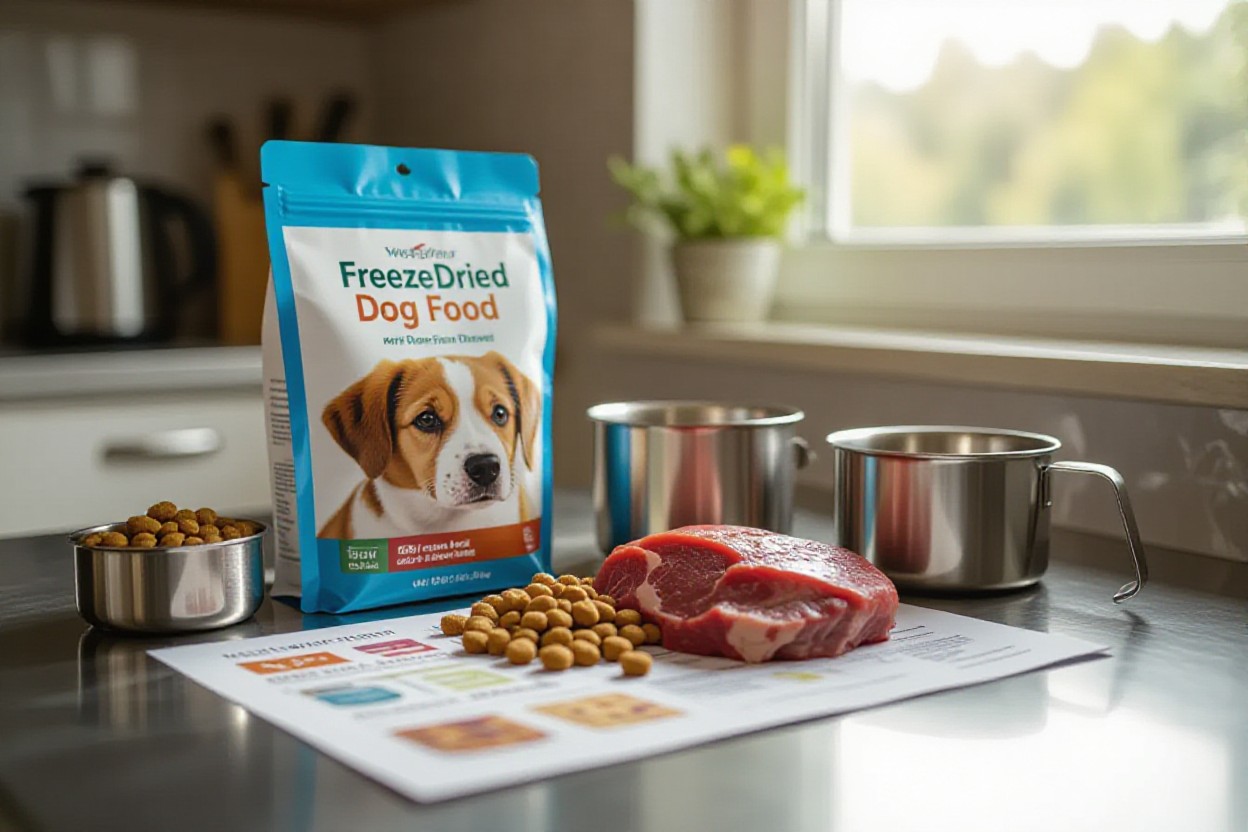
You need diets that meet AAFCO minimums: protein ~18% for adult maintenance (22% for growth), fat ~5% minimum, and calcium ~0.5% (1.2% for growth); energy density and bioavailability matter just as much as percentages. Pay attention to digestible amino acids, necessary fatty acids (omega‑3/6), and micronutrients, because poor balance can produce long‑term deficiencies or metabolic issues that may not show immediately.
Comparing Freeze-Dried and Raw to Traditional Kibble
Freeze‑dried and raw often deliver higher bioavailable protein and natural fats, while kibble typically offers consistent calorie density and full fortification; imbalanced homemade raw diets pose the biggest nutritional risk, whereas many commercial freeze‑dried formulas are designed to be AAFCO‑complete after rehydration.
Freeze-Dried/Raw vs Kibble: Nutrient Snapshot
| Protein | Higher bioavailability in raw/freeze‑dried; kibble provides consistent, processed sources and labeled guarantees. |
| Fat & Calories | Raw tends to be richer in natural fats; kibble is calorie‑dense and predictable per cup. |
| Moisture | Raw = ~60-75% moisture; freeze‑dried low until rehydrated; kibble low moisture (5-12%). |
| Vitamins/Minerals | Kibble usually fortified; freeze‑dried may retain nutrients if formulated correctly; raw varies widely. |
| Microbial Risk | Raw has higher pathogen risk; freeze‑dried reduces but does not eliminate it; kibble lowest risk due to heat processing. |
| Cost & Convenience | Freeze‑dried/raw generally cost more per calorie and may need prep; kibble is cheapest and easiest to portion. |
Many freeze‑dried brands state they meet AAFCO nutrient profiles after rehydration and include premixed vitamins/minerals to avoid gaps, while commercial kibble is often formulated to be complete out of the bag. FDA and CDC advisories have linked some raw products to pathogen recalls, so if you choose raw you should use reputable suppliers and consider batch testing; supplementation is common when feeding non‑formulated homemade raw diets.
Essential Nutrients for Optimal Dog Health
You must ensure adequate levels of complete protein, necessary amino acids (including taurine precursors), balanced calcium:phosphorus, necessary fatty acids (EPA/DHA and LA), fat‑soluble vitamins (A, D, E), and appropriate caloric intake to maintain body condition; deficiencies or excesses can lead to bone, cardiac, or skin disorders.
Practical approaches include choosing products labeled “complete and balanced” per AAFCO, checking guaranteed analysis and caloric density (kcal/kg), and factoring life stage and activity; consulting a veterinary nutritionist is recommended when you formulate diets yourself or switch between raw, freeze‑dried, and kibble to avoid subtle but serious nutrient imbalances.
Challenges of Freeze-Dried and Raw Diets
Cost Considerations for Owners
You’ll pay more for minimal processing: typical retail prices run about $6-$15 per pound for freeze-dried, $3-$8 per pound for frozen raw, versus roughly $1-$3 per pound for mid‑range kibble. For example, a 30‑lb dog eating ~2% body weight (≈0.6 lb/day) costs approximately $3.60-$9/day on freeze‑dried versus $0.60-$1.80/day on kibble, so monthly differences often reach two‑ to four‑times higher for freeze‑dried or raw.
Storage and Shelf Life Issues
Freeze‑dried, unopened bags commonly keep 12-24 months, while frozen raw lasts about 6-12 months at 0°F (‑18°C); refrigerated raw should be used within 2-5 days and rehydrated meals within 24-48 hours. You must plan for freezer capacity, portioning, and the risk of rapid spoilage once items thaw or are left at room temperature.
Practical steps reduce waste: label packages with package and thaw dates, portion into single‑meal vacuum bags or rigid containers, and keep your freezer at ≤0°F (‑18°C) to preserve lipid quality and inhibit bacterial growth. Thaw only in the fridge or in cold water, never on the countertop, and avoid refreezing thawed meat; a 5‑lb pack for a 20‑lb dog (eating ~0.4 lb/day) will last about 12 days, so dividing into 0.4‑lb portions saves repeatedly exposing a large package to temperature swings.
Hygiene and Food Safety Concerns
Raw and some freeze‑dried products can carry Salmonella, Listeria, and E. coli, posing risks to your pet and household-especially children, elderly people, or anyone immunocompromised. You need strict handling: separate prep areas, immediate cleanup, and discard uneaten raw after recommended windows to limit cross‑contamination and zoonotic transmission.
Follow firm protocols: wash hands with soap for 20 seconds after handling, sanitize counters and utensils with a bleach solution (about 1 tablespoon household bleach per quart of water) or an EPA‑registered disinfectant, and use dedicated cutting boards and scoops. Consider buying brands that provide third‑party pathogen testing or commercial irradiation/freeze‑dry validation reports; if your household has high‑risk members or your dog is immunosuppressed, consult your veterinarian before switching and keep veterinary follow‑up for any GI signs.
Sourcing Ingredients
Quality of Sourced Ingredients
Check ingredient lists for terms like human-grade, USDA-inspected, or specific origins such as New Zealand grass-fed lamb or wild-caught Alaskan salmon; you should avoid vague entries like “meat meal” or “animal by-products”. When possible, prefer suppliers that provide batch numbers and third-party lab testing for pathogens and nutrient analysis so you know each lot met safety and nutrient targets before freeze-drying or raw packaging.
Ethical and Sustainable Practices
Choose brands that disclose certifications such as MSC for seafood, GAP or Certified Organic, or publish supplier audits; you’ll reduce risks tied to overfishing, poor welfare, or opaque labor practices. Many premium freeze-dried and raw manufacturers source from single-origin farms or fisheries and state percentage of sustainably sourced proteins on their website or packaging.
For deeper verification, check whether suppliers publish farm IDs, fishing vessel information, or chain-of-custody reports-these let you trace a protein back to a specific farm or catch date. Brands that routinely post Certificates of Analysis (COAs) and sustainability reports enable you to compare antibiotic-use rates, % pasture-raised, or MSC-certified tonnage; this level of disclosure often correlates with higher animal welfare and lower environmental impact.
Transparency in Ingredient Labels
Expect clear labels showing ingredient origin, processing method (freeze-dried vs. raw), guaranteed analysis, and a lot or batch code; brands that make COAs and pathogen-testing results publicly available give you measurable assurances. When a product lists vitamin/mineral inclusion by compound and amount per 100 g, you can compare formulations objectively rather than relying on vague “complete and balanced” claims.
When evaluating transparency, ask whether the company publishes third-party lab results for contaminants (e.g., heavy metals, Salmonella, Listeria) and nutrient assays tied to specific lot numbers. You can often find COAs on brand websites or by contacting customer service-products with accessible, dated COAs and clear supply-chain labels let you verify safety and nutrient consistency before you buy.
Nutritional Completeness
Evaluating Complete vs. Complementary Diets
When you read labels, prioritize products labeled “complete and balanced” per AAFCO (either by formulation statement or feeding trial); those are designed to meet nutrient profiles for a life stage. Foods labeled “for supplemental feeding only” require you to add missing nutrients-most often calcium, vitamin D, or omega‑3s. Pay attention to mineral ratios too: a safe calcium:phosphorus ratio is ~1:1 to 1.3:1, and deviations can cause bone or metabolic problems, especially in growing dogs.
The Role of Supplements
Supplements often bridge gaps in complementary raw or freeze‑dried diets-common additions include calcium, omega‑3 (EPA/DHA), probiotics, and in some cases taurine. You must avoid blanket dosing: over‑supplementing vitamin D or calcium can be harmful, while under‑supplementing leaves deficits. Check whether the product is already fortified before adding anything.
Choose veterinary‑grade supplements when you can and match form to need: calcium citrate/carbonate for bone balance, marine fish oil standardized for EPA/DHA, and chelated minerals for better absorption. Monitor interactions-fat‑soluble vitamins (A, D, E, K) accumulate, so follow guidance from a nutritionist or your veterinarian, and arrange follow‑up bloodwork (CBC, chemistry, and targeted tests like whole‑blood taurine) after 6-8 weeks when initiating major changes.
Importance of Professional Consultation
You should consult a veterinarian or a board‑certified veterinary nutritionist (DACVN) before feeding long‑term raw or home‑formulated freeze‑dried diets; analyses of homemade recipes commonly reveal deficiencies in calcium and vitamin D. Feeding an unbalanced diet can lead to irreversible growth or cardiac issues, so clinical input prevents costly mistakes.
A professional will run baseline labs, perform body‑condition and growth assessments, and either validate a commercial product’s claim or formulate a complete diet using nutrient‑analysis software. Expect specific recommendations for supplements, a written ration plan, and rechecks at about 6-8 weeks to adjust levels based on labs and clinical response, particularly for puppies, seniors, or dogs with preexisting conditions.
Veterinary and Expert Guidance
The Importance of Professional Input
You should get baseline veterinary testing before long-term raw or freeze-dried feeding: CBC, serum chemistry, urinalysis and a fecal parasite screen to detect underlying issues and nutrient imbalances. Puppies, seniors and pregnant dogs need tailored plans and closer monitoring. Vets can recommend target body condition, micronutrient testing (e.g., vitamin D, calcium) and rechecks every 6-12 months or sooner if you see weight loss, vomiting, or chronic diarrhea.
Common Misconceptions in Raw Feeding
Many owners assume raw equals complete and safer; however, raw diets can be nutritionally unbalanced and pose bacterial risk to pets and people. Freezing reduces but does not eliminate pathogens like Salmonella. Feeding whole bones is often believed to prevent dental disease, yet bones can cause fractures or obstructions. Consult experts rather than relying on anecdotes or social media claims.
Specific studies and clinic reports show that homemade raw diets frequently lack correct calcium-to-phosphorus ratios, with ideal targets around 1.2:1 for growing dogs; deviations can cause metabolic bone disease or dental problems. Other common errors include excessive vitamin A from liver-only recipes and insufficient taurine in some protein-limited formulations, which has been linked to dilated cardiomyopathy in certain breeds. If someone in your household is elderly, pregnant, or immunocompromised, the infection risk to humans becomes a deciding factor; many veterinary practices advise against raw in such homes.
Recommendations for Gradual Introduction
Introduce raw or freeze-dried slowly: start with 10-25% of daily calories from the new food and increase every 3-7 days while monitoring stool, appetite, and energy. Weigh your dog weekly and log any GI signs; if diarrhea or vomiting persists beyond 48 hours, pause and consult your vet. Use single-ingredient trials to identify intolerances and keep hygiene strict to prevent cross-contamination.
Begin transitions with a single-protein option (chicken or rabbit) for 7-14 days to watch for allergic signs. Increase the new feed by roughly 10-20% of the meal every 3-5 days, checking bodyweight and stool score; expect minor stool changes but stop if you see blood, sustained loose stool, or lethargy. Also implement kitchen controls: thaw in the fridge, sanitize surfaces, use separate utensils, and discard raw leftovers within 24 hours. If you plan homemade raw, work with a veterinary nutritionist to formulate for life stage needs and to run periodic nutrient panels to ensure balance.
Different Breeds and Dietary Needs
Puppy Dietary Requirements
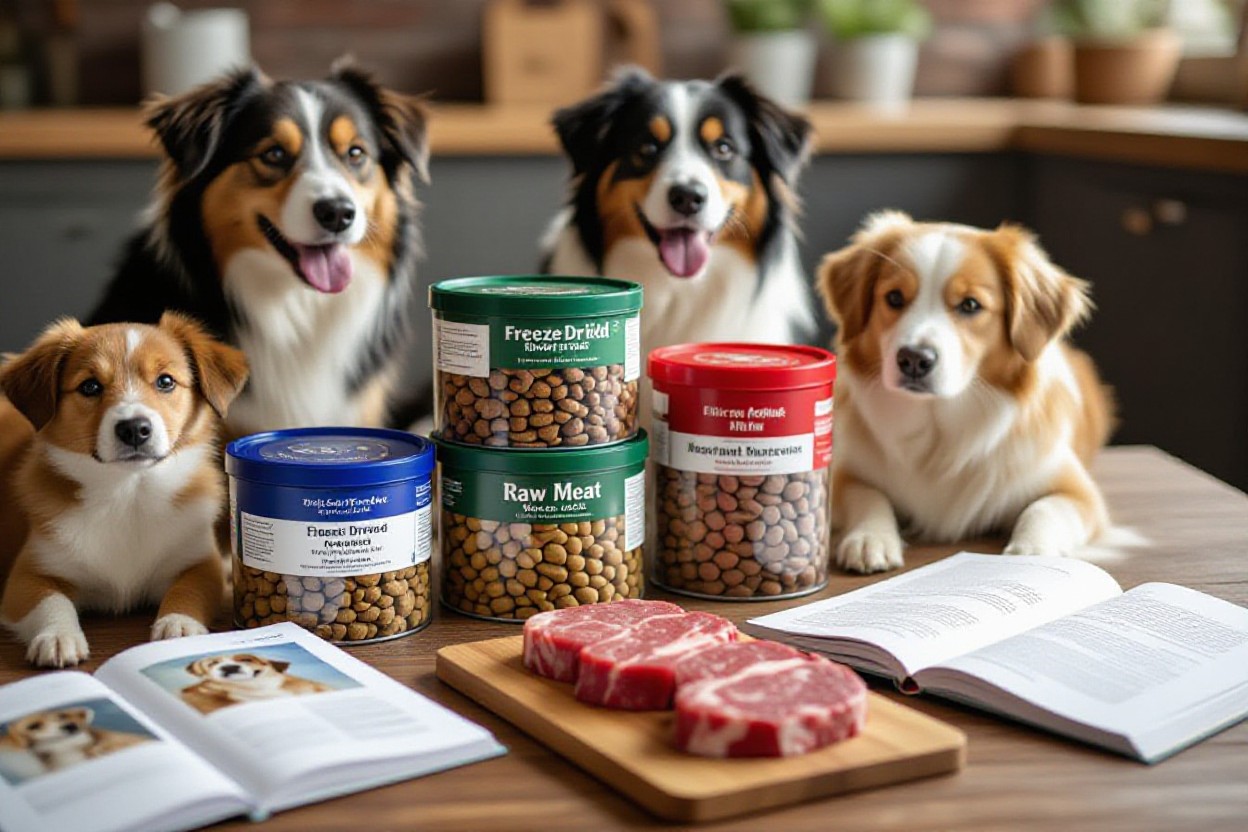
Puppies need more calories and protein per pound than adults; growth formulas typically meet AAFCO growth minimums of ≈22% protein on a dry-matter basis and you should feed 3-4 meals daily until ~6 months. Small breeds require higher calorie density to avoid hypoglycemia, while large-breed puppies need controlled growth to reduce the risk of hip and elbow dysplasia, so avoid excess calcium or overfeeding and consult your vet before adding supplements.
Adult Dogs: Maintenance and Performance
Adult requirements vary: neutered/less-active dogs often need about 1.4-1.6× RER (RER = 70×kg^0.75), while active or working dogs may need 2-5× RER; breeds like Border Collies or Huskies often fall at the high end, so you should adjust calories and fat (higher fat boosts caloric density) based on activity and body condition score.
For example, a 25 kg active dog has an RER ≈ 782 kcal (70×25^0.75); at 2× RER you’d target ~1,560 kcal/day and achieve that by increasing portion size or choosing a higher-fat freeze-dried/raw formula. You should track weight weekly and use a body condition score to tweak feeding-working dogs benefit from energy-dense fats (increasing dietary fat to raise kcal without excess meal volume) and from electrolyte/easily digestible carbohydrate support around prolonged exercise. Be aware that raw or freeze-dried options have variable nutrient concentrations: analyze calcium, phosphorus, and crucial fatty acid content per batch and, if you handle raw, follow strict food safety to protect both you and your dog.
Senior Dogs: Special Considerations
Older dogs typically need 10-30% fewer calories to prevent weight gain due to lower activity, yet they often require equal or higher high-quality protein to preserve muscle mass; you should prioritize digestible protein, joint-support nutrients, and monitor renal markers before making major protein changes. Consult your vet if your senior has chronic disease before switching to raw or high-protein diets.
When managing a senior-say a 10+ year Labrador-you should use bloodwork to guide phosphorus and protein adjustments, increase fiber for gut transit if constipation appears, and consider omega-3 supplementation to reduce inflammation. Adjust meals to maintain a stable body weight and a lean muscle profile; if your dog has reduced immunity or kidney disease, avoid raw feeding or use commercially formulated freeze-dried diets with validated nutrient profiles and pathogen controls. Regular rechecks (every 6-12 months) let you tailor calories, supplements, and texture (softer kibble or rehydrated freeze-dried) as mobility, dentition, and organ function change.
Recognizing Individual Dog Needs
When choosing between raw, freeze-dried, or mixed feeding you need to match diet to your dog’s individual profile: age, body condition, activity and medical history. For many owners the trade-offs come down to nutrient density, handling safety and convenience – see Freeze-Dried Dog Food: The Pros And Cons for a focused comparison. Pay attention to weight trends, stool quality, and any recurrent infections as early signals that the plan needs tweaking.
Allergies and Food Sensitivities
About 1-2% of dogs show true food allergies, most commonly to beef, chicken, dairy or wheat; you should trial a strict elimination diet for 8-12 weeks using a novel or hydrolyzed protein to confirm. If your dog has chronic itching, recurrent ear infections or GI upset, stop suspect ingredients and work with your vet on diagnostics – raw diets can complicate testing due to multiple undeclared proteins and cross-contamination risks.
Activity Levels and Dietary Adjustments
If your dog is a weekend hiker vs. an agility competitor their caloric needs will differ: moderately active adults often need ~30 kcal/kg/day while working or sporting dogs can require 20-50% more calories and higher protein (around 25-30% on a dry-matter basis). Monitor body condition score and adjust portions rather than guessing.
For high-performance dogs you should prioritize energy-dense feeds: sled dogs in endurance work can consume several thousand to >10,000 kcal/day in extreme conditions, and lactating females may need 2-4× maintenance energy. Fat is the most efficient fuel, so many handlers increase dietary fat to 40-50% of calories for sustained work, but you must balance that with stomach tolerance and the risk of pancreatitis in susceptible animals. Track weight weekly and log training intensity to refine daily rationing.
Pre-existing Health Conditions
Chronic conditions like pancreatitis, kidney disease or diabetes mandate tailored diets – for example, pancreatitis-prone dogs typically need low-fat, controlled-calorie plans while renal patients require adjusted protein/phosphorus and diabetics benefit from consistent carbohydrate content. You should avoid raw feeding for immunocompromised dogs or households where human members are at risk from zoonoses.
In practice, pancreatitis cases often respond to diets with fat under 10-15% on a dry-matter basis and small, frequent meals; chronic kidney disease management focuses on reduced phosphorus and moderate-quality protein with sodium control. For diabetic dogs, portion consistency and weight loss (if overweight) improve glycemic control. Always implement these changes under veterinary supervision and use prescription or evidence-based commercial formulas when available to meet specific nutrient targets.
Real-World Owner Experiences
Success Stories from Raw Diet Advocates
You’ll hear owners report changes in as little as 2-6 weeks: shinier coats, higher energy, and smaller, firmer stools. One adopter noted a 30% reduction in itching for a dog with environmental allergies after switching to a balanced raw formula, and another lowered weight from 42 lb to 38 lb over three months while keeping muscle mass. Many attribute gains to higher protein quality and fewer fillers compared with cheap kibble.
Common Challenges Faced by Pet Owners
You face several practical hurdles: bacterial contamination (Salmonella, Listeria) risk during handling, higher per-day cost (raw often $2-$8/day vs kibble $0.50-$1/day for small dogs), more prep time, and the need to ensure balanced nutrition to avoid deficiencies.
In detail, cross-contamination in your kitchen is a frequent issue-raw poultry batches sometimes test positive for pathogens and freezing doesn’t eliminate them. You may spend 10-20 extra minutes daily on thawing, portioning, and cleaning, and veterinarians report increased visits tied to unbalanced homemade recipes: calcium or vitamin D shortfalls can cause metabolic bone problems in growing dogs, while excess liver can lead to vitamin A toxicity. Using commercial complete formulations or having recipes analyzed reduces those risks, as does strict sanitation and refrigerated storage.
Lessons Learned from Cautionary Tales
You’ll read about owners who fed muscle meat only and ended up with dogs showing stunted growth or dental issues; others had to switch back to commercial diets after repeated GI flare-ups. The most common takeaway is that balance, vet oversight, and safe handling matter more than ideology.
One case involved a 9-month-old puppy on a home-prepared, meat-only diet who developed fractures and low blood calcium; after lab testing and targeted supplements prescribed by a veterinary nutritionist, the puppy recovered over months. From these stories you should insist on feeding AAFCO-profiled complete products or having a nutritionist formulate meals, run periodic bloodwork for long-term feeders, and follow strict hygiene: separate prep surfaces, hot wash utensils, and refrigerate leftovers promptly to limit pathogen exposure.
Frequently Asked Questions
Common Myths about Raw Feeding
Many owners assume raw always outperforms kibble; while you may see improved coat condition or energy, controlled research is limited and benefits aren’t universal. Bacterial and parasite risks can be reduced with proper sourcing and handling. Compare preservation and safety differences-see a side-by-side discussion like Freeze-Dried Vs. Frozen Raw Pet Food – Wayne … before choosing.
How to Transition Your Dog to a New Diet
Phase in the new food over 7-10 days: start at 25% new/75% old for 2-3 days, move to 50/50 for 2-3 days, then 75/25 before switching fully, and watch for vomiting, diarrhea, or appetite changes.
For puppies, seniors, or dogs with sensitive stomachs extend the process to 2-3 weeks and adjust increments more gradually. Recalculate daily calories based on your dog’s ideal weight (use kcal/day from the new formula), reduce treats by the same caloric amount, and consider a short course of probiotics (e.g., containing Enterococcus faecium) during the change. Always use safe thawing and hygiene: thaw in the fridge, discard leftovers after 24 hours, and wash surfaces to limit cross-contamination; if GI signs persist beyond 48 hours, contact your vet.
Signs of a Well-Balanced Diet
You should see a glossy coat, stable body weight, good muscle tone, and firm, well-formed stools-typically 1-2 bowel movements daily for most adults. Loose stool, steady weight loss, or dull coat warrant a diet review with your vet.
Beyond appearance, aim for objective checks: body condition score of 4-5/9, consistent muscle mass, and periodic bloodwork (CBC, chemistry panel) to confirm normal albumin, BUN, and electrolytes. Nutrient targets matter-maintain a calcium:phosphorus ratio near 1:1-1.3:1 and adequate protein (most adult maintenance diets provide ≥18% crude protein by dry matter); omega-3s (EPA/DHA) at measurable levels support skin and joint health. If any parameter drifts, adjust the formula or add supplements under veterinary guidance.
Resources and Tools
Recommended Brands of Freeze-Dried and Raw Food
You can start with established options like Stella & Chewy’s (freeze-dried meals and toppers), Primal (frozen and freeze-dried), Instinct Raw (freeze-dried and raw-coated kibble) and Darwin’s (custom frozen raw). Many recipes are composed of 70-95% animal ingredients and some claim AAFCO-complete formulations; still, verify USDA-inspected protein sourcing and batch testing because bacterial contamination and nutrient imbalance remain real risks.
Helpful Apps and Websites
You’ll find tools like DogFoodAdvisor.com for independent reviews and recall tracking, BalanceIT for recipe analysis and nutrient balancing, and the FDA and Pet Poison Helpline sites for safety alerts and recall notices. Use these to cross-check labels, compare guaranteed analyses, and sign up for recall and safety alerts.
BalanceIT offers nutrient analysis services and can generate recipes tailored to weight, activity, and life stage, while Dog Food Advisor aggregates lab reports and user reviews to flag problem batches. The FDA posts every official pet food recall and reason (salmonella, undeclared ingredients), and Pet Poison Helpline provides a 24/7 toxicology hotline (fee-based) you can call if you suspect contamination or accidental ingestion.
Community Support Groups
You should join active communities like Reddit’s raw-feeding forums, multiple Facebook groups, and breed-specific raw-feeding pages to get real-world troubleshooting, recipe feedback, and supplier recommendations. Many groups have moderators and pinned resources, but be aware that anecdotal advice can spread misinformation, so verify with professionals.
Online groups often host Q&A threads, recipe audits, and local vendor threads that help you find bulk meat sources or frozen raw co-ops; some Facebook groups exceed tens of thousands of members, offering quick feedback and product sightings. When you participate, always ask for documented nutrient analyses and cite vet-approved sources before changing your dog’s plan to avoid common pitfalls like calcium/phosphorus imbalance or raw-borne pathogens.
Future Trends in Pet Nutrition
Innovations in Freeze-Drying Technologies
New methods like microwave‑vacuum freeze‑drying and continuous belt systems are cutting processing time and cost, with manufacturers reporting 30-50% faster cycles and higher throughput. You’ll see greater adoption of low‑temperature protocols that preserve texture and retain up to 90-95% of heat‑sensitive nutrients, plus advanced packaging (nitrogen flush, oxygen absorbers, QR traceability) that extends shelf life and gives you batch-level transparency.
Emerging Research on Raw Diets
Recent small trials and observational studies show raw feeding can increase gut microbial diversity and improve stool quality, but they also report pathogen shedding rates ranging from about 5-20% (Salmonella, Campylobacter), a risk for both dogs and household members; you should weigh potential digestive benefits against documented infectious hazards.
Digging deeper, you should look for studies that include control groups and larger sample sizes-several research programs now use shotgun metagenomics to track microbiome shifts and pathogen dynamics over 8-12 week trials. If you feed raw, prioritize suppliers that publish batch PCR/ culture results, follow strict cold‑chain protocols, and discuss screening (fecal PCR, serology) with your veterinarian to monitor health impacts.
Potential Regulatory Changes
Regulators like the FDA and EFSA are moving toward stricter oversight: expect proposals for mandatory lot‑level pathogen testing, clearer nutritional labeling, and formal recall procedures for raw pet foods. Those changes could mean mandatory pathogen testing and faster recalls, aiming to reduce household exposure risks.
For you, that likely translates to higher retail prices but improved safety and transparency-traceability via QR codes, required nutrient adequacy statements, and more frequent inspections. Several jurisdictions are targeting rule proposals within the next 2-4 years, which may push small producers to adopt certified testing or exit the market, ultimately increasing market consolidation but offering better traceability and safety.
Final Words
Taking this into account, you should weigh benefits like higher nutrient retention and palatability of freeze-dried and raw diets against risks such as bacterial contamination, nutrient imbalances, and cost; consult your veterinarian, ensure safe handling and storage, choose reputable brands, and monitor your dog’s health and stool to decide if these options suit your dog’s age, activity level, and medical needs.