


The Cocker Spaniel Temperament: Why They Struggle Alone
Understanding the inherent traits of your Cocker Spaniel is key to addressing their separation anxiety. These charming dogs, bred for companionship and working closely with humans, possess a unique set of characteristics that, while endearing, can make alone time particularly challenging for them. You will find that their very nature predisposes them to struggle when left without their beloved human companions.
Their sweet disposition and eagerness to please often mask a deeper sensitivity that can manifest as distress when isolated. Recognizing these foundational aspects of the Cocker Spaniel temperament allows you to approach their anxiety with greater empathy and more effective strategies. You are not just dealing with a “naughty” dog, but a creature whose instincts tell them to be by your side.
The “Velcro Dog” Nature of the Breed
Cocker Spaniels earned their affectionate nickname, “Velcro dogs,” for a very good reason. They develop exceptionally strong bonds with their human family members, often preferring to be in the same room, if not on the same lap. This deep attachment, while heartwarming, means they can experience significant distress when these connections are broken, even temporarily.
You might notice your Cocker following you from room to room, never wanting to be out of your sight. This constant desire for proximity is a clear indicator of their inherent need for companionship. Their happiness is often intrinsically linked to your presence, making solitude a foreign and often frightening concept for them.
Genetic Factors and Sensitivity Levels
Certain genetic predispositions contribute to the Cocker Spaniel’s higher sensitivity and propensity for anxiety. Their breeding history, focused on close partnership with hunters, instilled a need for constant interaction and direction. This innate wiring means they are often more attuned to their environment and the emotional states of their owners.
You may observe your Cocker Spaniel reacting more intensely to loud noises, changes in routine, or even your own stress levels. This heightened sensitivity can make them more susceptible to developing anxiety when faced with the unfamiliar experience of being left alone. Their delicate emotional makeup requires a gentle and consistent approach to training.
* Cocker Spaniels possess a genetic predisposition for heightened sensitivity.
* Their breeding history emphasizes close human partnership, leading to a natural aversion to solitude.
* These dogs are often more reactive to environmental stimuli and changes in routine, making them prone to stress.
* Any sudden shifts in your schedule can significantly impact their emotional well-being.
Cocker Spaniel Separation Anxiety: Signs + How I Helped My Dog
Destructive Chewing and Household Damage
You might return home to discover your once-perfect sofa now has a gaping hole, or your favorite slippers are shredded beyond recognition. This destructive chewing isn’t mischief; it’s often a desperate attempt by your Cocker Spaniel to relieve intense stress.
Observe if the damage is concentrated around exit points like doors or windows. This pattern suggests your dog was trying to escape or get closer to you, indicating true separation distress rather than just boredom.
Excessive Vocalization: Barking and Howling
A tell-tale sign of anxiety is incessant noise once you’re gone. Neighbors might report continuous barking or howling that only stops upon your return, a stark contrast to their usual quiet demeanor when you’re present.
This vocalization isn’t just a nuisance; it’s your dog’s way of calling out for you, a distressed plea that can last for hours in severe cases.
Often, this sustained noise is not triggered by external stimuli but rather by your absence alone. You might even record your dog’s behavior to confirm the frequency and intensity of their barks and howls, providing concrete evidence of their distress.
Physical Distress: Panting, Pacing, and Drooling
Another indicator of anxiety can be seen in your dog’s physical state. You might notice your Cocker Spaniel is excessively panting or drooling even in a cool environment, a physiological response to stress rather than heat.
Watch for signs of relentless pacing, where your dog walks circuits around the house or in confined areas, unable to settle. This restless movement is a visible manifestation of their internal agitation when left alone.
These physical manifestations can be quite alarming, as they show your dog is in a state of heightened physiological stress. Their heart rate likely increases, and their body enters a “fight or flight” mode, even when no immediate danger is present, simply due to your absence.
Step-by-Step Training Strategies That Worked for Us
| Training Strategy | Description |
|---|---|
| Desensitizing Departure Rituals | Breaking down your departure into small, non-threatening steps. |
| The Incremental Departure Method | Gradually increasing the time you spend away from your dog. |
| Establishing a High-Value “Safe Space” | Creating a positive and comforting area for your dog when alone. |
### Desensitizing Departure Rituals
Your dog observes every small action you take before leaving. We began by performing all the usual departure cues – grabbing keys, putting on shoes, picking up a bag – but then *not* leaving. We would simply sit back down, read a book, or watch TV.
Repeat these actions many times throughout the day, without any actual departure. This helps to break the association between these specific actions and your impending absence, making them less anxiety-inducing for your Cocker Spaniel.
### The Incremental Departure Method
This technique involves leaving your dog alone for very short periods, then gradually extending the duration. Start with just a few seconds, stepping outside and immediately returning. You should not make a big fuss upon returning.
Slowly increase the time you are gone, only moving to a longer duration when your dog remains calm during the previous shorter absence. This methodical approach builds your dog’s confidence in handling alone time, showing them you always come back.
This particular method demands immense patience and consistency. You must never rush the process; pushing your dog too quickly can set back your progress significantly. Always ensure your dog is genuinely relaxed before attempting to extend the time you are away. If you notice any signs of distress, shorten the duration in the next session.
### Establishing a High-Value “Safe Space”
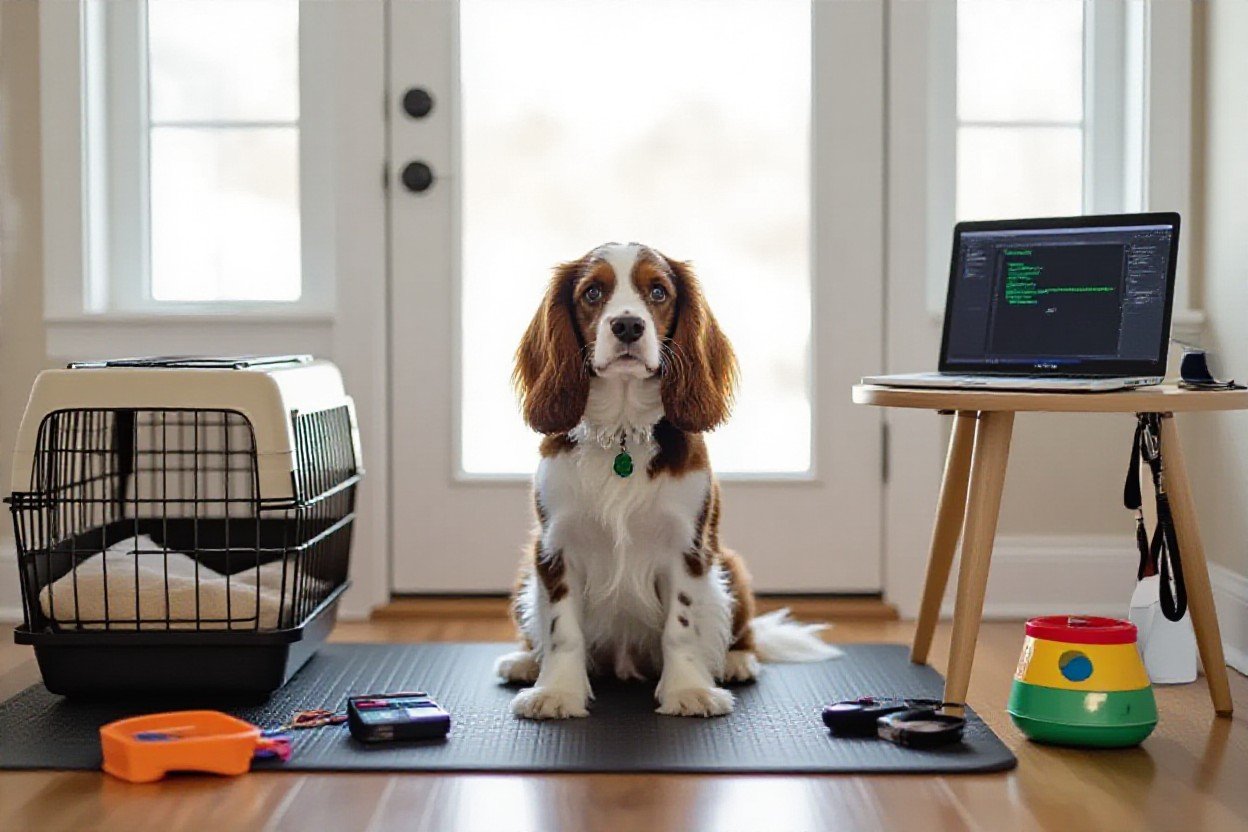
Creating a designated “safe space” provides your dog with a comfortable and secure retreat when you are not home. This could be a crate, a specific room, or a cozy bed, filled with their favorite toys and a long-lasting treat. This space should be associated only with positive experiences.
Always ensure this area is truly a sanctuary for your dog, never used for punishment. You want your Cocker Spaniel to view this spot as a positive and comforting place, reducing their stress when you are away.
To reinforce the positive association with their safe space, you can feed them meals there or give them special toys only when they are in that area. This consistent positive reinforcement will help your dog feel secure and content in their designated retreat, making alone time much less stressful.
Essential Tools: Toys, Calming Aids, and Music
Interactive Enrichment and Long-Lasting Chews
Providing mentally stimulating activities can significantly reduce your Cocker Spaniel’s anxiety. You will discover that puzzle toys filled with treats keep their minds engaged and distract them from your absence. These tools offer a positive outlet for their energy.
Choosing appropriate chews is also beneficial. You should look for durable, long-lasting chews that are safe for your dog and provide sustained engagement. This sustained activity helps tire them out and offers a comforting distraction.
Using Pheromones and Calming Supplements
Many owners find success with specific calming aids. You might consider using dog-appeasing pheromone (DAP) diffusers or collars, which mimic the natural pheromones a mother dog releases to soothe her puppies. These products can create a sense of security.
Some situations may call for gentle calming supplements. You should always consult your veterinarian before introducing any supplements to ensure they are safe and appropriate for your dog’s specific needs and health conditions.
Dog-appeasing pheromones (DAP) are synthetic versions of natural pheromones released by lactating mother dogs to calm their puppies. These pheromones are species-specific and undetectable by humans or other animals. When diffused into the environment or worn as a collar, DAP can help create a more comforting and secure atmosphere for dogs experiencing anxiety, including separation anxiety. The goal is to replicate the natural calming signals that puppies associate with their mother, thereby reducing stress responses in adult dogs.
The Science of Auditory Therapy and White Noise
Introducing specific sounds can create a calming environment. You can utilize specially designed dog-calming music or classical compositions, which often feature slower tempos and frequencies that have been shown to reduce stress in canines. This auditory therapy can be remarkably effective.
Consider incorporating white noise or natural soundscapes into your routine. You will find that these sounds can mask external triggers like barking or street noise, providing a consistent and peaceful background for your dog while you are away.
Auditory therapy for dogs often involves playing specific types of music or sounds designed to reduce stress and anxiety. Research suggests that music with slower tempos, simple harmonies, and a lack of sudden changes in volume or pitch can have a calming effect on dogs, similar to how it can affect humans. White noise, on the other hand, works by creating a consistent sound environment that masks other disruptive noises. This can prevent startling or anxiety-provoking sounds from reaching your dog, creating a more predictable and less stressful auditory experience.
When to Seek Professional Help
Recognizing When Anxiety Becomes Severe
Sometimes, despite your best efforts and consistent training, your Cocker Spaniel’s separation anxiety might escalate beyond what you can manage alone. You might notice self-harm behaviors like excessive licking that leads to raw skin, or frantic attempts to escape that result in injuries. These are clear indicators that your dog is experiencing significant distress.
Observe for destructive behaviors that become extreme, such as chewing through walls or doors, causing extensive damage to your home. These actions, coupled with continuous, loud vocalizations like barking or howling for prolonged periods, suggest a severe level of anxiety that requires more specialized intervention.
Collaborating with Veterinary Behaviorists
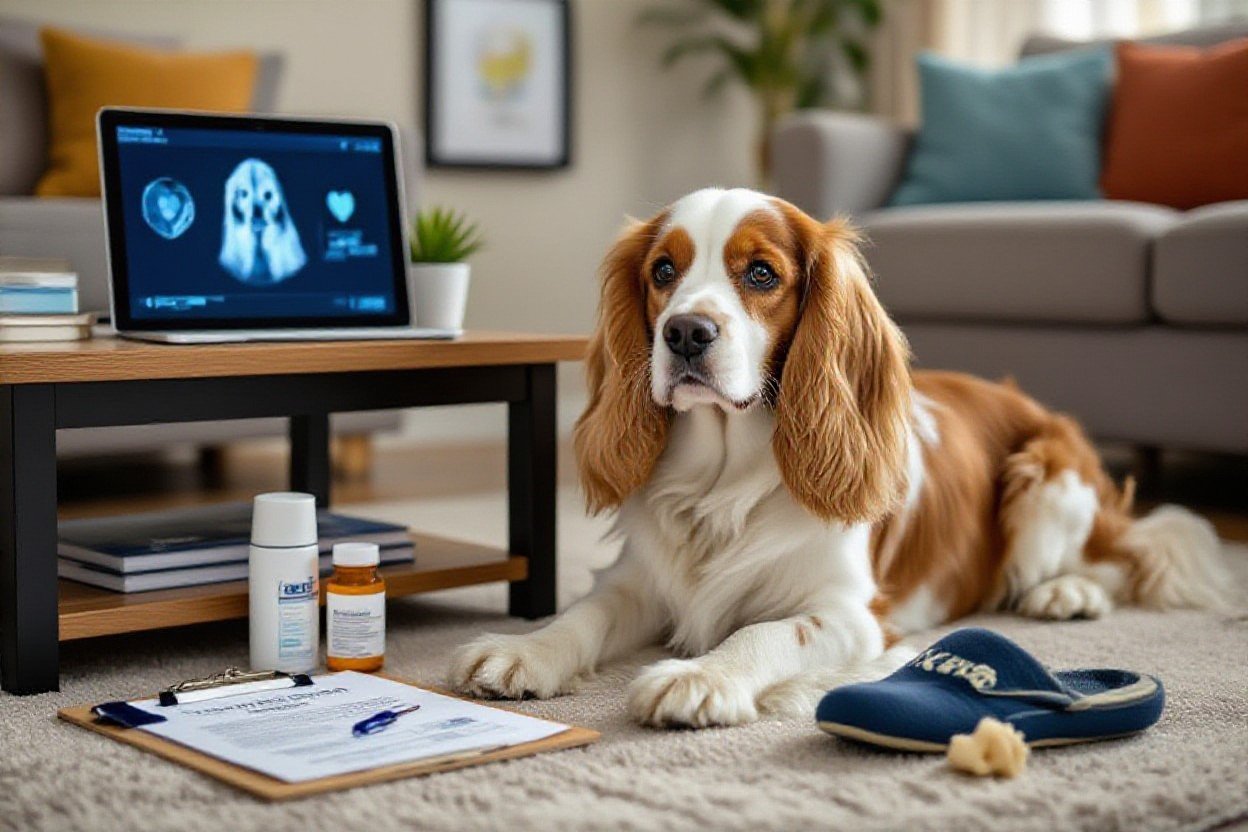
Reaching out to a qualified professional can provide a structured approach and expert guidance when your dog’s anxiety is overwhelming. You will find that veterinary behaviorists are veterinarians with advanced training in animal behavior, making them uniquely equipped to diagnose and treat complex behavioral issues. They can rule out any underlying medical conditions that might be contributing to the anxiety.
Working with these specialists offers a comprehensive plan, often combining behavioral modification techniques with medication if necessary. They can help you implement strategies tailored to your Cocker Spaniel’s specific needs, providing you with the tools to effectively manage and alleviate their distress.
These professionals understand the intricacies of canine behavior and can offer insights you might not have considered. They can help you develop a personalized treatment plan that addresses the root causes of your Cocker Spaniel’s separation anxiety, guiding you through each step of the process to ensure your dog’s well-being.## Final Words
Conclusively, understanding your Cocker Spaniel’s separation anxiety begins with recognizing the signs. You may notice excessive barking, destructive chewing, or inappropriate urination when you are away. Your dog might also display frantic greetings upon your return, an indication of heightened stress during your absence. These behaviors are not acts of defiance; they are expressions of distress, and acknowledging them is the first step toward providing meaningful help.
Addressing separation anxiety requires patience and a consistent approach. You can implement desensitization techniques, gradually increasing the time your dog spends alone. Providing engaging enrichment toys, such as puzzle feeders, can help distract your dog and associate your departure with positive experiences. Consulting with a certified professional dog trainer or veterinary behaviorist offers personalized strategies and support, ensuring you provide the most effective care for your anxious companion.
FAQ
Q: What exactly is Cocker Spaniel separation anxiety, and how does it manifest?
A: Cocker Spaniel separation anxiety is a behavioral condition where your dog experiences extreme distress when left alone or separated from their primary attachment figure. This isn’t just a bit of whining; the signs are often quite dramatic. Your Cocker might bark or howl incessantly, sometimes for the entire duration of your absence. They may engage in destructive behaviors, chewing on furniture, doors, or even trying to escape through windows, often injuring themselves in the process. Some dogs will eliminate indoors, even if house-trained, or pace anxiously. You might also notice excessive drooling, panting, or a loss of appetite when they are alone. These behaviors are not acts of defiance; they are panic responses.
Q: Why are Cocker Spaniels particularly prone to separation anxiety?
A: Cocker Spaniels are renowned for their affectionate and devoted nature. They thrive on companionship and form very strong bonds with their families. This deep attachment, while wonderful, can make them more susceptible to separation anxiety. Their desire to be close to their humans means that being left alone can feel like a profound loss or threat. A history of being rehomed, experiencing trauma, or even a sudden change in routine can also contribute to the development of anxiety in this sensitive breed. Their intelligence means they often pick up on subtle cues that you’re about to leave, triggering their anxiety before you even walk out the door.
Q: What initial steps can I take to help my Cocker Spaniel with mild separation anxiety?
A: Start with very short absences. Leave your dog alone for just a minute or two, then return before they show signs of distress. Gradually increase the time you are away, always staying below their threshold for anxiety. A comfortable, safe space, like a crate they enjoy, can provide security. Give them a high-value, long-lasting chew toy or a puzzle feeder filled with treats just before you leave; this can create a positive association with your departure. Avoid making a big fuss when you leave or return. A calm departure and a quiet return help normalize your comings and goings, reducing the perceived drama for your dog.
Q: How did you specifically help your Cocker Spaniel overcome their separation anxiety?
A: My approach involved a combination of desensitization, counter-conditioning, and management strategies. I began with very short departures, literally stepping out the door for 10 seconds and returning, then slowly increasing the time. During these absences, my dog received a KONG stuffed with frozen peanut butter, which occupied him. We also implemented a “calm down” routine before I left, which included a short walk and some quiet playtime. When I returned, I ignored him for a few minutes until he settled, then calmly greeted him. We also worked on building his independence by practicing “stays” in different rooms while I was still home. A dog walker was hired for longer workdays to break up his alone time.
Q: Are there any specific training exercises or games that can reduce separation anxiety?
A: “Place” or “Stay” commands are excellent for building independence. Practice having your Cocker Spaniel stay on their bed or mat while you move around the house, gradually increasing the distance and duration. Hide-and-seek games, where you hide and your dog finds you, can build their confidence in being alone for short periods and using their nose. Scent work or puzzle toys that require mental effort help tire them out mentally and provide a distraction. These activities strengthen their problem-solving skills and can make them less reliant on your constant presence for entertainment and comfort.
Q: When should I consider professional help for my Cocker Spaniel’s separation anxiety?
A: If your Cocker Spaniel’s anxiety is severe, causing significant destruction, self-harm attempts, or prolonged vocalization despite your efforts, professional help is recommended. A certified professional dog trainer specializing in separation anxiety or a veterinary behaviorist can provide a tailored plan. They can help identify specific triggers, guide you through advanced desensitization protocols, and, if necessary, discuss medication options to help manage extreme panic while behavioral modifications are implemented. Early intervention from a professional can prevent the anxiety from worsening and improve your dog’s quality of life considerably.
Q: What long-term management strategies are important for a Cocker Spaniel prone to separation anxiety?
A: Consistency is key for long-term management. Maintain a predictable routine for departures and arrivals. Continue providing engaging mental and physical exercise daily to help reduce overall anxiety. A safe, comfortable space, like a crate or a specific room, should always be available to your dog. Monitor for any returning signs of anxiety and be prepared to scale back your absences if needed. Consider using calming aids, such as diffusers or calming supplements, under veterinary guidance. Building your Cocker Spaniel’s confidence and independence through ongoing training and positive reinforcement will contribute to their well-being throughout their life.