
Over time, selecting a diet tailored to your dog’s needs helps prevent severe allergic reactions and chronic gastrointestinal upset; you should evaluate ingredient lists, quality protein sources, and additives, and consider novel proteins, limited-ingredient formulas and added probiotics to support a balanced microbiome. Work with your vet to run trials and monitor symptoms so you can identify triggers and optimize your dog’s long-term gut health and comfort.
Key Takeaways:
- Try limited-ingredient or novel-protein diets to simplify antigen exposure and help identify food triggers.
- Use veterinarian-prescribed hydrolyzed-protein diets for confirmed food allergies or severe reactions.
- Prioritize highly digestible proteins, moderate fat, and quality carbohydrate sources; avoid suspected triggers like beef, dairy, wheat, or chicken when indicated.
- Include prebiotic fiber and probiotic strains to support beneficial gut bacteria and improve stool consistency.
- Provide omega-3 fatty acids (EPA/DHA) to help reduce intestinal inflammation and soothe skin-related allergy symptoms.
- Avoid artificial colors, flavors, and preservatives; transition to new diets slowly over 7-10 days.
- Coordinate elimination trials and allergy testing with a veterinarian to confirm causes and ensure nutritional completeness.
Understanding the Gut Microbiome in Dogs
The Role of Microbes in Canine Health
You host a complex community of bacteria, fungi and viruses-typically hundreds of species dominated by Firmicutes, Bacteroidetes, Proteobacteria and Fusobacteria-that break down fiber, synthesize vitamins and help train your immune system; when these microbes function well they support nutrient absorption and steady stool, while shifts in balance can reduce those benefits quickly.
How Gut Health Impacts Overall Well-being
Gut microbial balance directly affects your skin, immune responses and energy: imbalances often coincide with increased inflammation, worse allergy signs and altered nutrient uptake, so maintaining diversity is linked to fewer flare-ups and better coat quality.
For example, dogs with chronic enteropathies frequently show reduced microbial diversity and shifts toward Proteobacteria; boosting short-chain fatty acid producers via fermentable fiber or prebiotics raises butyrate levels that help calm intestinal inflammation, and targeted probiotics (e.g., Lactobacillus, Enterococcus strains) alongside dietary trials can reduce diarrhea and itch in many clinical cases within 6-12 weeks.
Common Gut-Related Issues in Dogs
Frequent problems you’ll encounter include acute or chronic diarrhea, vomiting, gas, food-responsive enteropathy, inflammatory bowel disease and bacterial overgrowth; persistent diarrhea, weight loss or blood in stool are red flags that need veterinary evaluation.
Digging deeper, small intestinal bacterial overgrowth, food allergies and exocrine pancreatic insufficiency often present similarly, so vets use fecal PCR, serum tests, elimination or hydrolyzed-protein diets and sometimes endoscopy to distinguish causes; in practice, an 8-12 week dietary trial plus targeted probiotics or fiber adjustments is a common, evidence-backed approach to restore balance.
Allergy Awareness in Dogs
Types of Allergies (Food vs. Environmental)
Food allergies most often stem from animal proteins like chicken, beef or dairy, and usually produce both skin and gastrointestinal signs, while environmental allergies (pollen, dust mites, molds) mainly trigger itchy skin and recurrent ear disease; you can expect food reactions to show up after weeks to months of exposure and environmental signs to seasonally wax and wane. Thou must work with your vet on diagnostics such as an elimination diet or targeted testing.
- Food allergy – proteins, additives
- Environmental allergy – pollen, dust mites, mold
- Flea allergy dermatitis – flea saliva
- Contact allergy – topical chemicals, fabrics
- Drug/medication allergy – reactions to vaccines or antibiotics
| Food allergy | Common triggers: chicken, beef, dairy; often causes GI upset and pruritus |
| Environmental allergy | Pollen, dust, molds; seasonal or perennial itching and ear infections |
| Flea allergy dermatitis | Intense localized itching, often tail base or rump; fleas may be few |
| Contact allergy | Localized dermatitis where contact occurs: paws, abdomen, groin |
| Drug allergy | Urticaria, vomiting, rare anaphylaxis after medications or vaccines |
Symptoms of Allergies in Dogs
Itching, licking paws, recurrent ear infections, red inflamed skin and patchy hair loss are common; gastrointestinal signs such as chronic vomiting or diarrhea suggest a food-related problem, while hives or sudden swelling signal an acute reaction-anaphylaxis is rare but life‑threatening and requires immediate care. You should track timing, triggers and response to treatments to help your vet narrow the cause.
Chronic cases often present as repeated otitis externa or pododermatitis (chewing at feet) and may be misdiagnosed for months; diagnostic timelines include a 8-12 week elimination diet for suspected food allergy, and intradermal or serum testing to identify environmental allergens, with response-to-therapy (topicals, allergen avoidance, immunotherapy) guiding long-term plans.
The Connection Between Gut Health and Allergies
Your gut microbiome modulates immune responses: dysbiosis can increase intestinal permeability, exposing the immune system to antigens and amplifying allergic sensitization, while targeted nutritional strategies (hydrolyzed diets, high-quality fiber, and selected probiotics) can reduce inflammation and symptom severity. You should view gut health as part of allergy management, not separate from it.
In practice, adding prebiotic fibers to stabilize microbial communities and using well-studied probiotics like Enterococcus faecium or certain Bifidobacteria strains has improved stool quality and reduced flare frequency in clinical cases; combining dietary intervention with elimination trials and, if needed, allergen-specific immunotherapy gives the best chance to lower medication reliance and improve your dog’s long‑term comfort.
Growing Demand for Better Nutrition
Trends in Pet Nutrition
Sales of pet food in the U.S. surpassed $40 billion, and you’re seeing that money flow into functional formulas: probiotics, prebiotics, omega-3s and novel proteins. Veterinarians report food allergies affect about 1-2% of dogs, yet many more show sensitivities, so you’ll notice growth in limited-ingredient and fresh/frozen diets aimed at improved gut health.
The Rise of Tailored Dog Foods
Personalized nutrition-DNA-based kibble, microbiome-informed meals and subscription fresh diets-now targets specific GI and allergy profiles. Surveys indicate roughly 30% of owners will pay a premium for customized feeding plans that promise measurable symptom reductions within weeks.
You can expect several formats: vet-prescription hydrolyzed or novel-protein formulas for diagnosed allergies, monthly subscription fresh meals adjusted by weight and activity, and on-demand kibble blended from your dog’s intolerance data. Clinical guidance shows hydrolyzed and novel-protein diets often produce symptom improvement within 6-8 weeks; companies offering DNA- or microbiome-based diets report higher compliance because meals match your dog’s known triggers and palates.
Owner Awareness and Choices
More owners now read labels, compare AAFCO statements and consult vets before switching diets. You’ll also see social media drive trends-some helpful, some risky-pushing claims like “grain-free” without nuance; the FDA investigation into certain grain-free formulations highlighted potential links to serious heart issues in some dogs.
When you choose food, weigh evidence: look for clinical studies or feeding trials, vet endorsements, and clear ingredient sources. Be alert to marketing language and focus on outcomes-reduced itching, firmer stools, fewer vet visits. For practical steps on selecting formulas specifically for allergy management and gut health, see Choosing the Best Dog Food for Allergies, which outlines elimination diets, novel proteins and when to pursue hydrolyzed prescriptions.
Key Features to Look for in Dog Food
- High-quality, digestible protein – you want sources with >80% digestibility where possible; choose named meats (chicken, lamb, venison) and consider hydrolyzed proteins for dogs with immune-mediated reactions.
- Limited-ingredient formulas – typically 6-10 ingredients to reduce exposure to common triggers and simplify elimination trials; useful when you need to isolate a single culprit.
- Novel proteins (duck, rabbit, kangaroo) – helpful when your dog reacts to traditional proteins like beef or chicken; rotate only under veterinary guidance to avoid new sensitizations.
- Prebiotics and probiotics – look for specific prebiotics like FOS or inulin and probiotic strains such as Enterococcus faecium, Lactobacillus, or Bifidobacterium, with clearly stated CFU guarantees.
- Balanced fiber mix – a combination of soluble (pumpkin, psyllium) and insoluble (beet pulp) fibers supports motility and fermentation; aim for formulas that state fermentable fibers rather than vague “fiber” only.
- Omega-3 fatty acids (EPA/DHA) – anti-inflammatory support is often provided by fish oil; therapeutic formulas commonly add concentrated EPA/DHA for skin and gut inflammation.
- Minimal artificial additives – avoid BHA/BHT, artificial colors, and unnecessary flavors; these can worsen sensitivities in some dogs.
- Clear allergen labeling – the label should list all protein and major carbohydrate sources; you should be able to identify potential triggers at a glance.
- AAFCO statement & feeding trial data – prioritize diets with an AAFCO or FEDIAF statement and, when possible, formulas proven in feeding trials rather than formulation-only claims.
- Thou should verify guaranteed analysis and ingredient order, and consult your veterinarian about prescription vs. OTC options when managing food allergies or chronic gut disease.
Limited-Ingredient Diets
Limited-ingredient diets reduce variables by using a single novel protein and a single carbohydrate source-often just 6-10 total ingredients-so you can run an elimination trial (8-12 weeks) to identify triggers; they’re practical for diagnosing food reactions and for dogs with multiple environmental or dietary sensitivities.
Prebiotics and Probiotics
Including both prebiotics (FOS, MOS, inulin) and viable probiotics helps you rebalance your dog’s microbiome; aim for products that state strain IDs and viable counts (e.g., >1×10^6 CFU/g) and show stability through shelf life or guaranteed post-extrusion viability.
Prebiotics act as fermentable substrates for beneficial bacteria, producing short-chain fatty acids that support mucosal health, while probiotics supply live strains that can reduce incidence and duration of acute diarrhea in dogs; choose formulas with documented strains (for example, Enterococcus faecium or specific Lactobacillus spp.), clear dosing, and, if possible, clinical trial backing to ensure efficacy for conditions like IBD or antibiotic-associated dysbiosis.
Hypoallergenic Formulas
Hypoallergenic diets include hydrolyzed protein formulas-where proteins are broken into smaller peptides-or fully elemental (amino-acid) diets; you should consider these when immune-mediated food allergy is suspected, since many dogs show clinical improvement within 2-8 weeks on an elimination or hydrolyzed regimen.
Hydrolyzed formulas reduce antigenicity by fragmenting proteins so the immune system is less likely to recognize them, though palatability and cost vary; amino-acid-based diets eliminate intact protein completely and are the most definitive option for severe, refractory cases, often prescribed after failed trials with novel-protein or hydrolyzed diets.
Understanding Labels: What’s in Your Dog Food?
Importance of Clean Labels
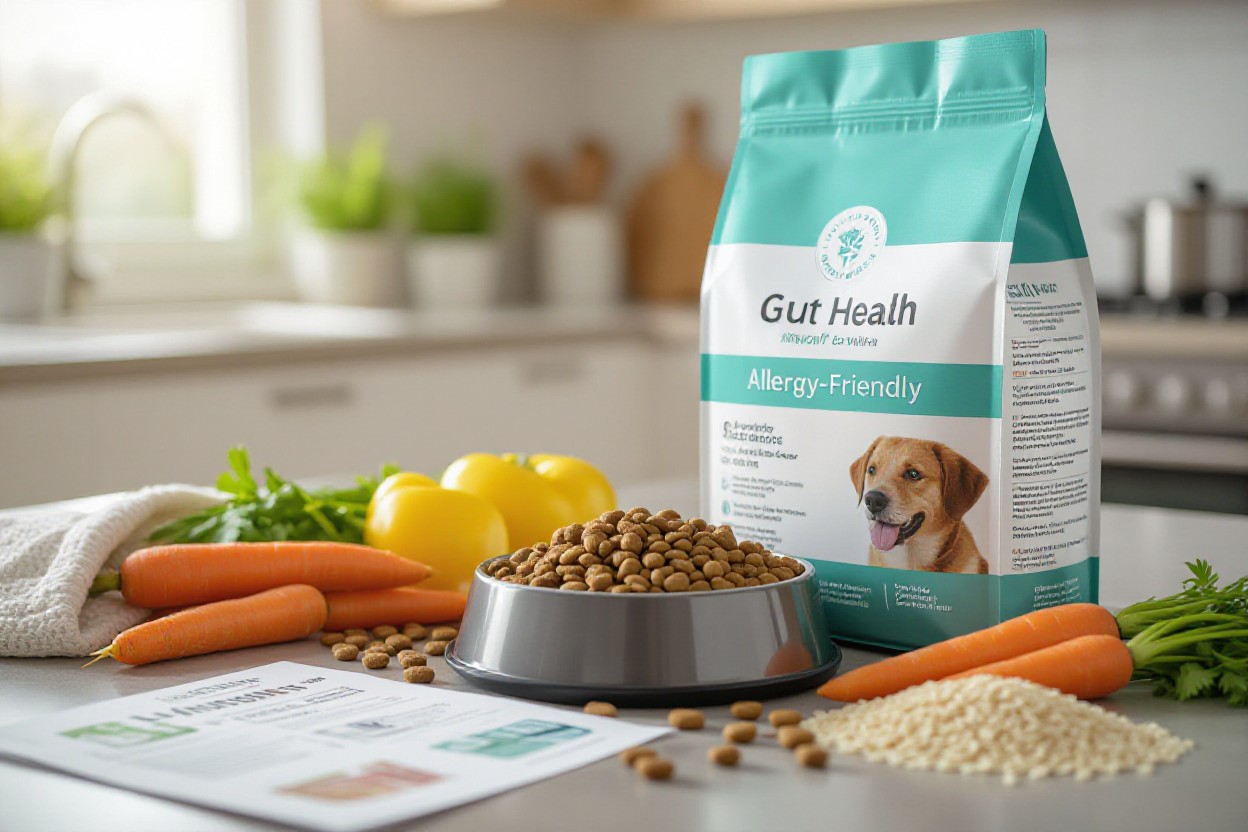
When you’re evaluating foods for gut health or allergies, a clean label-named whole proteins first, clear carbohydrate sources, and minimal additives-makes elimination and diagnosis far easier; for example, choosing a kibble that lists “salmon” or “deboned chicken” as the first ingredient avoids vague entries like “meat by‑product.” You should also check the AAFCO statement and guaranteed analysis to compare protein, fat, and fiber levels across formulas.
Identifying Harmful Fillers and Preservatives
Cheap fillers such as corn, wheat, soy and unnamed “meat by‑products” can raise glycemic load and provoke sensitivities, while synthetic preservatives like BHA, BHT and ethoxyquin have been linked to oxidative stress and are best avoided for dogs with sensitive guts or chronic inflammation.
Scan ingredient lists for order by weight-if a grain or unnamed protein appears in the top three positions, it often comprises 20-40%+ of the dry kibble. Also learn label code words: “meal” can be fine (e.g., chicken meal concentrates protein), but “meat meal,” “animal digest,” and generic “by‑product” are lower quality; preservatives listed by chemical name are red flags compared with explicit “mixed tocopherols” or rosemary extract.
Recognizing Quality Ingredients
High‑quality formulas list a named animal protein first, include whole-food carbs like sweet potato or pumpkin, and add functional ingredients such as probiotics, prebiotics (FOS/MOS), and omega‑3s (EPA/DHA) to support the microbiome and reduce inflammation.
Dig deeper into the label and analysis: aim for recipes with clear protein percentages appropriate to life stage, transparent sourcing, and beneficial additions-examples include novel proteins (duck, venison) for elimination trials, hydrolyzed proteins for diagnosed allergies, and documented probiotic counts (many therapeutic diets target ≥1 billion CFU per serving). Also review the manufacturer’s recall history and whether they publish feeding‑trial results or third‑party testing for contaminants.
Common Dietary Issues Affecting Dogs
Sensitive Stomachs
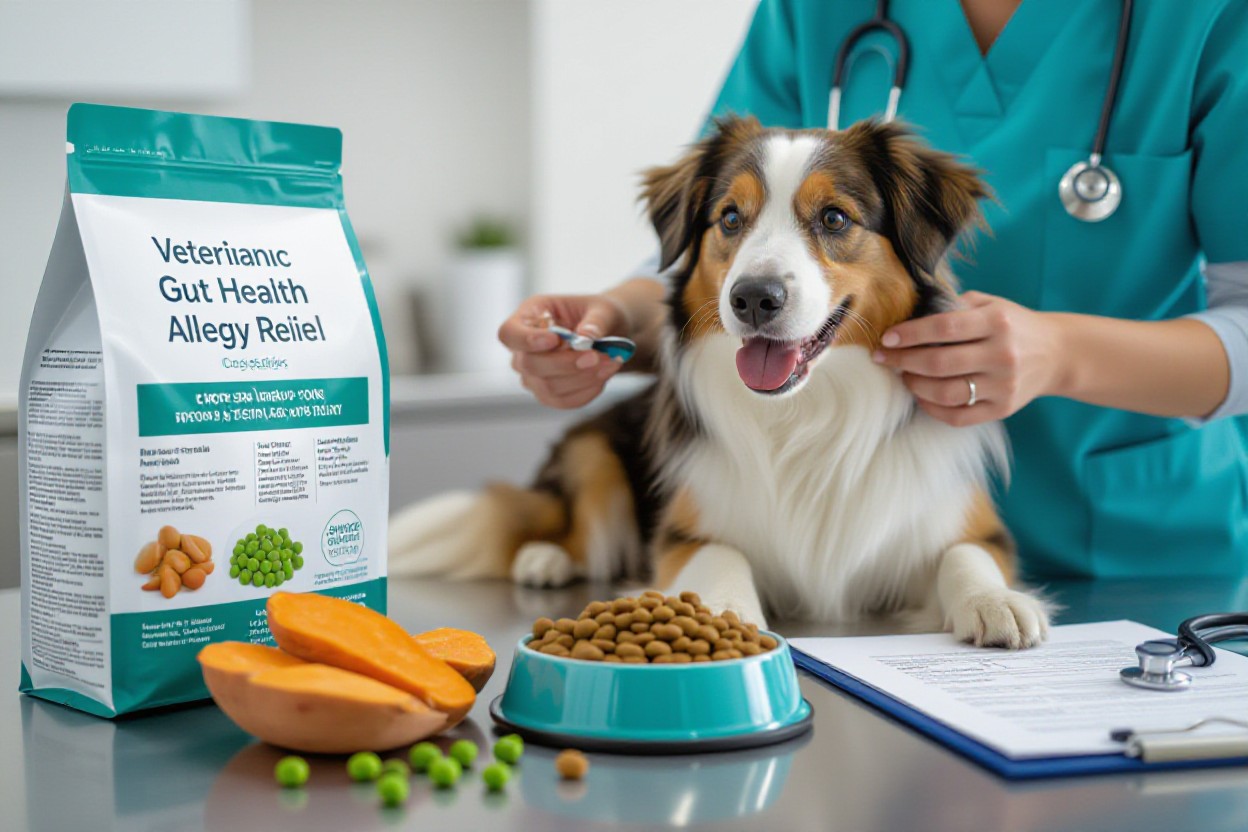
When your dog has a sensitive stomach you may see intermittent vomiting, loose stools, or excessive gas. Try feeding small, frequent meals of easily digestible proteins (boiled turkey, rabbit) and single-source carbs like white rice or sweet potato, and consider a hydrolyzed prescription diet if symptoms persist. Probiotics such as Enterococcus faecium or Lactobacillus strains can reduce diarrhea frequency; seek veterinary care if you observe bloody stool, severe lethargy, or repeated vomiting.
Food Allergies and Intolerances
Food allergies affect about 1-2% of dogs, often showing as chronic ear infections, itchy paws, or recurring GI upset; common triggers include beef, dairy, chicken, wheat, and soy. You should perform an 8-12 week elimination diet using a novel protein or hydrolyzed formula to identify offenders, documenting food exposure and symptoms carefully during withdrawal and re-challenge phases.
For reliable diagnosis you must complete the elimination trial followed by controlled re-challenges because blood and hair tests are unreliable for food allergens. Delayed intolerances can produce intermittent GI signs or skin flares weeks after exposure. Once a trigger is identified, strict lifelong avoidance of that ingredient-including treats, chews, and flavored medications-is the only proven management; many dogs do well long-term on a single novel protein or a prescription hydrolyzed diet.
Skin Irritation and Its Dietary Links
Many cases of chronic itching stem from diet-related inflammation or nutrient imbalance, so you should evaluate omega-3 intake, protein sources, and additives. Supplementing EPA/DHA from fish oil often reduces pruritus within 6-12 weeks, while zinc and biotin deficiencies can cause scaly, alopecic skin. Year-round itching with GI signs suggests a food-related cause rather than purely seasonal allergies.
Addressing diet can meaningfully lower skin inflammation: adding a high-EPA fish oil (salmon or sardine oil) together with an elimination diet frequently reduces scratching within 6-12 weeks. Be aware that secondary bacterial or yeast infections often complicate itchy skin and may require topical or systemic antimicrobials while dietary factors are corrected; work with your vet to monitor response and to ensure treats or supplements don’t reintroduce allergens.
Meat vs. Plant-Based Diets
Benefits of Animal Protein
Animal proteins deliver a complete amino acid profile with highly bioavailable sources of taurine and L-carnitine, which support heart and muscle function; digestibility often sits between 85-95% for cooked meats versus much lower for many plant proteins. If your dog has a history of food-driven allergies, switching to a novel animal protein (venison, rabbit) can rapidly reduce reactions and improve stool consistency within 2-4 weeks.
Plant-Based Alternatives: Pros and Cons
You may consider plant-based diets for environmental reasons, to avoid common animal allergens, or to increase fermentable fiber that supports some microbiome functions; however, plant proteins are generally less digestible and often require synthetic supplementation to meet canine needs. When you try these diets, use veterinary-formulated recipes and monitor clinical signs closely.
Pros and Cons of Plant-Based Diets
| Pros | Cons |
|---|---|
| Reduced exposure to common animal allergens | May lack bioavailable taurine, methionine and certain amino acids |
| Higher soluble fiber can support microbiome diversity | Lower protein digestibility compared with animal sources |
| Often lower in saturated fat | Risk of nutritional deficiencies if not supplemented |
| Smaller environmental footprint for some formulations | Ingredient quality and amino acid balance vary widely by brand |
| Useful in elimination trials when avoiding specific meats | High fermentable carbs (peas, beans) can cause gas or loose stools |
| Easier to formulate hypoallergenic plant-only recipes | Requires veterinary oversight and blood monitoring |
Clinically, you should track taurine levels and cardiac signs if your dog is on a plant-forward or vegan diet; case reports have linked poorly formulated plant-only diets to dilated cardiomyopathy in susceptible dogs. Work with your veterinarian to ensure the food meets AAFCO/FEDIAF nutrient profiles, includes necessary synthetic amino acids and micronutrients, and schedule bloodwork every 3-6 months during transitions.
Finding a Balance in Protein Sources
Blending animal and plant proteins can let you capture the strengths of both: complete amino acids and high digestibility from meat plus the prebiotic fibers and sustainability benefits of plant ingredients. For most adult dogs, aim for diets that meet AAFCO standards and contain roughly 18-25% crude protein on a dry matter basis, adjusting for life stage and activity.
Practically, rotate protein types every 4-8 weeks or use mixed-protein formulas (e.g., chicken plus lentil) to reduce development of single-protein allergies while supporting microbiome diversity. Introduce new proteins over 7-10 days, monitor stool quality, body condition and skin reactions, and supplement with taurine/L-carnitine only if bloodwork or diet formulation indicates a need. When you combine sources thoughtfully and confirm nutrient completeness, you reduce risk while optimizing gut and overall health.
Grain-Free vs. Grain-Inclusive Diets
When choosing between grain-free and grain-inclusive options, weigh both digestive outcomes and allergy histories; some dogs do better on novel-carb grain-free formulas while others thrive on whole-grain recipes that feed beneficial microbes. See specific product comparisons in The Best Dog Food For Allergies for examples and ingredient breakdowns.
Understanding Grain-Free Diets
Grain-free formulas replace rice or oats with potatoes, peas, lentils or tapioca and can reduce inflammation in dogs with specific grain sensitivities. However, the FDA logged several hundred reports linking some grain-free, legume-heavy diets to increased risk of dilated cardiomyopathy (DCM), and that risk is something you should consider if your dog has breed predisposition or cardiac signs.
Risks and Benefits of Grain Inclusion
Including whole grains such as brown rice, oats or barley supplies fermentable fiber, vitamin B, and beta-glucans that support a healthy microbiome and stable stool; for most dogs grains are not a primary allergen. With proper sourcing, grain-inclusive diets often provide a cost-effective way to deliver soluble fiber that promotes short-chain fatty acid production and gut health.
More specifically, studies and clinical experience show that true grain allergies are uncommon; food reactions typically stem from proteins like beef, chicken or dairy. You should note that grains contribute soluble and insoluble fibers-oats and barley provide beta-glucans that encourage butyrate production-while grain-free recipes may rely on concentrated legume fibers that alter fermentation patterns and, in some cases, nutrient balance.
Assessing Your Dog’s Individual Needs
Base your choice on symptoms, history and diagnostics: try an 8-12 week elimination trial or a hydrolyzed diet under veterinary supervision to identify triggers. Monitor stool quality, itching, coat condition and energy, and prioritize formulas with transparent ingredient lists and a balanced amino acid profile.
For deeper assessment, ask your vet about dietary trials, allergy testing limitations, and cardiac evaluation if you pick a grain-free, high-legume diet-early signs of cardiac issues (exercise intolerance, cough, fainting) require immediate attention. If allergies point to common proteins, rotate to a novel or hydrolyzed protein before eliminating entire grain groups, and track improvements with photos and stool logs over the trial period.
How to Transition to a New Diet Safely
Gradual Introduction Techniques
Start mixing the new food in over 7-14 days: days 1-3 use a 25% new / 75% old blend, days 4-6 switch to 50/50, days 7-9 go 75/25 and reach full new food by day 10. For dogs with sensitive digestion, extend to 3-4 weeks and change ratios by smaller increments. Keep feeding times consistent, limit treats, and maintain water access. Sudden switches often trigger vomiting, diarrhea, or increased gas, so slow adjustments reduce GI upset and support the microbiome shift.
Monitoring Your Dog’s Reactions
Watch stool consistency, frequency, color, appetite, vomiting, energy level, and skin/itching closely; note if your dog has >2 loose stools in 24 hours or vomits more than once. Track weight and behavior for subtle changes. If you see persistent vomiting, bloody stool, severe lethargy, or breathing difficulty, contact your veterinarian immediately-those are signs that need prompt evaluation.
When mild loose stool or flatulence appears, pause the ratio progression for 48-72 hours and resume at the previous tolerated mix; if symptoms resolve, continue more slowly. For suspected food allergy, plan an elimination trial of a single-protein diet for 8-12 weeks without treats or table scraps. Bring patterns from your observations to the vet-sometimes skin testing, hydrolyzed diets, or blood tests are needed to identify triggers, and a controlled timeline makes diagnosis easier.
Keeping a Food Diary for Observations
Record date/time, food brand and batch, amount, new/old ratio, stool score (1-7), vomiting, appetite, skin/itch notes, energy, medications and treats; include photos of stool and rashes when possible. Aim for daily entries during the transition and at least two weeks total. A detailed diary is one of the most valuable tools your vet can use to link diet to symptoms.
Use a simple template: Date | Time | Food/Brand | Amount | New%/Old% | Stool score (1-7) | Vomit Y/N | Itch/Skin notes | Energy 1-5 | Weight | Photo link. Store entries in a spreadsheet or notes app so you can filter by day or symptom. Keep the log for the full transition and, if doing an elimination trial, throughout the 8-12 week period-bringing that record to appointments speeds diagnosis and treatment decisions.
Seeking Expert Advice
When to Consult a Veterinarian
If your dog has persistent diarrhea or vomiting beyond 48 hours, visible blood in stool, >10% unexplained weight loss, severe itching or recurrent ear infections (more than three episodes per year), you should see your veterinarian. Acute signs like collapse, severe abdominal pain, or dehydration are medical emergencies. In less urgent cases, bring records of diet, treats, and symptom timelines to speed diagnosis and avoid repeated trials.
Allergy Testing and Diagnosis
You should know that an 8-12 week elimination diet is the gold standard for diagnosing food allergy, with some dogs improving within 2-4 weeks but often needing the full period for clarity. Serum IgE tests frequently give false positives and intradermal testing mainly detects environmental allergens, so your vet will usually recommend a strict food trial first.
For the elimination diet to work you must remove all non-approved foods, treats, flavored medications and supplements; hydrolyzed-protein or novel-protein diets (venison, kangaroo, or duck) are common choices. If results are ambiguous, a referral to a veterinary dermatologist for intradermal testing or controlled re-challenge under supervision may cost between about $200-$600 depending on region and tests performed. Keep a food log and photos to document changes.
Understanding Dietary Restrictions
When managing allergies or gut disease, you may need therapeutic restrictions-low-fat diets (<10-15% fat on a dry-matter basis) for pancreatitis, hydrolyzed or novel-protein diets for food allergy, and phosphate/protein adjustments for kidney disease. Do not impose broad eliminations or homecooked plans without veterinary guidance because improper balance can worsen health.
Learn to read labels on a dry-matter basis and ask your vet to calculate daily calories and nutrient targets for your dog’s size and condition. Transition new diets over 7-10 days unless your vet instructs otherwise, limit treats to the prescribed formula, and discuss supplements (omega‑3s, targeted probiotics) that can support gut health. If you plan homecooked meals, request a balanced recipe or a referral to a veterinary nutritionist to avoid deficiencies.
Real-Life Owner Experiences
Case Studies of Successful Diet Changes
You’ll see consistent patterns: targeted diet changes often cut symptoms within weeks, improved stool quality, and reduced scratching. One-month to three-month timelines are common, and pairing a new dog food with a probiotic or elimination protocol often boosts gut health and reduces allergies-related flare-ups significantly.
- Case 1 – Labrador, 5 yrs: Switched to a novel protein limited-ingredient kibble; vomiting episodes dropped from 3/month to 0 in 8 weeks; weight stable at 30 kg; fecal score improved from 4 to 2.
- Case 2 – French Bulldog, 2 yrs: Hydrolyzed protein prescription diet + probiotic; pruritus reduced by 75% in 6 weeks; antibiotic use stopped after 10 days.
- Case 3 – German Shepherd, 4 yrs: High-fiber, moderate-fat formula to manage loose stools; stool consistency improved from watery to formed within 2 weeks; owner reported 40% fewer vet visits over 6 months.
- Case 4 – Poodle, 8 yrs: Grain-free novel protein eliminated chronic ear infections; ear cytology normalized after 12 weeks; skin scores improved by 60%.
- Case 5 – Mixed-breed rescue, 1 yr: Rotational elimination diet identified soy as trigger; switching to single-protein canned diet removed daily vomiting episodes within 10 days; energy levels increased by 30% per owner activity log.
- Case 6 – Senior Beagle, 11 yrs: Low-fat, easily digestible dog food with added fiber for pancreatitis history; hospitalizations reduced from 2/year to 0 in 9 months; appetite stabilized.
Breed-Specific Considerations
You should tailor choices to breed tendencies: brachycephalic breeds often need weight and gastrointestinal management, while working breeds may require higher caloric density. Choose formulas that address the typical issues-skin-prone breeds may benefit from omega-3-rich dog food to support skin barrier and reduce allergies.
Delve deeper by checking breed studies and clinical patterns: for example, Labrador Retrievers show higher rates of food-related atopy-so you might trial a novel protein or hydrolyzed diet earlier. Meanwhile, German Shepherds commonly face exocrine pancreatic insufficiency and sensitive digestion, so selecting a highly digestible, moderate-fat formula and monitored feeding schedule will better support your dog’s gut health. Monitor breed-specific labs (B12, folate) when symptoms persist.
Age-Related Nutritional Needs
You’ll need to shift priorities as your dog ages: puppies require calorie-dense, growth-focused nutrition, adults need maintenance formulas, and seniors often benefit from higher fiber, joint-support nutrients, and easily digestible proteins to protect gut health and reduce allergies-linked inflammation.
Evaluate nutrient ratios across life stages: puppies typically need ~22-32% protein and higher fat for growth, adults about 18-25% protein with balanced fats, and seniors may need 18-22% protein with added omega-3s, joint supplements, and increased soluble fiber to support stool quality and microbiome diversity. Also consider calorie adjustments-reduce by ~20% for less active seniors and increase for highly active adult dogs-while monitoring body condition score and making lab checks for age-related conditions that exacerbate digestive or allergic signs.
Supplementing Your Dog’s Diet
Nutritional Supplements: The Essentials
When you add supplements, focus on targeted support: probiotics (commonly 1-10 billion CFU/day) for microbial balance, prebiotics like FOS to feed beneficial microbes, digestive enzymes to aid protein and fat breakdown, and a vet-formulated multivitamin if your dog’s diet is home-prepared. Watch for overdosing-excessive vitamin A or D can be harmful-and always match formulation and dose to your dog’s weight and health status.
The Impact of Omega Fatty Acids
Omega-3s from fish oil (EPA and DHA) reduce intestinal and skin inflammation and often improve allergic itching; a typical 1,000 mg fish oil capsule contains ~300 mg combined EPA+DHA, which helps you estimate dosing from product labels. Be aware that high doses can increase bleeding risk or interact with NSAIDs, so coordinate with your veterinarian before starting long-term supplementation.
For deeper effect, monitor the dietary omega-6:omega-3 balance-aiming for an omega-6:omega-3 ratio between 5:1 and 10:1 often supports anti-inflammatory goals. Clinical cases of atopic dogs and those with inflammatory bowel disease frequently show measurable improvements in pruritus and stool consistency when EPA/DHA are added, and you may see steroid-sparing benefits within 8-12 weeks when doses and ratios are optimized under veterinary guidance.
Herbal and Natural Remedies for Digestive Health
You can use mucilaginous herbs like slippery elm and marshmallow root to soothe irritated GI lining, and digestive botanicals such as ginger or fennel to reduce nausea and gas; start with veterinary-formulated products and conservative doses, since not all herbs are safe (e.g., comfrey) and potency varies between extracts.
Mechanistically, slippery elm and marshmallow coat mucosa to reduce irritation, ginger accelerates gastric emptying and has antiemetic effects, and fennel or peppermint can relieve spasms and bloating-however, avoid concentrated vital oils and use lower doses in puppies, pregnant dogs, or animals on concurrent medications. Consult your vet for product-specific dosing and for herb-drug interaction checks.
The Importance of Regular Vet Check-ups
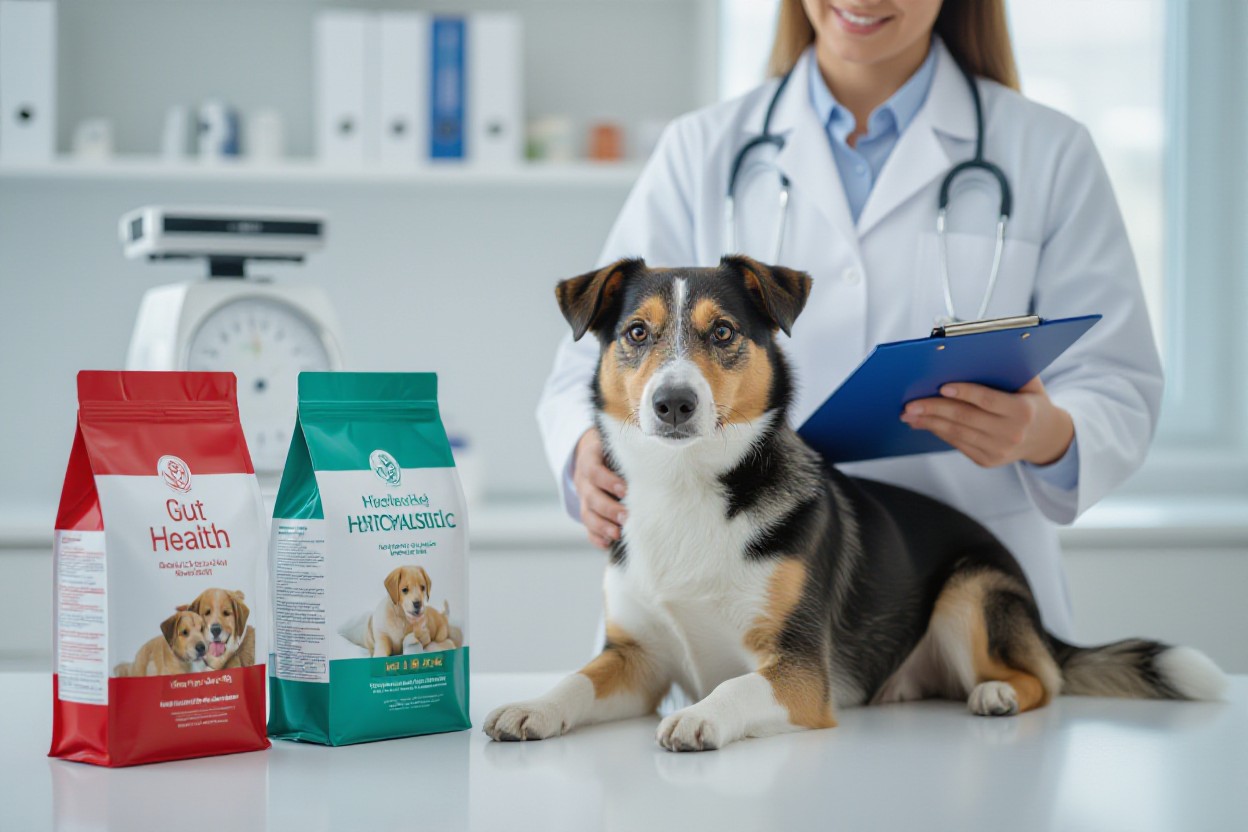
You should schedule at least an annual wellness exam, with dogs over seven years getting check-ups twice a year, plus routine bloodwork every 6-12 months to catch liver, kidney or endocrine issues that can mimic food allergies. Vaccination reviews, fecal parasite screens and skin/ear inspections help pinpoint gut-related problems early. If your dog shows persistent vomiting, diarrhea beyond 48 hours, or rapid weight loss >10%, seek immediate care-these are danger signs. For diet guidance and sensitive-stomach options see Best Dog Food for Sensitive Stomachs.
Monitoring Diet and Health
You should weigh your dog monthly and track stool quality on a 1-5 scale, appetite, coat sheen and energy levels; consistent soft stools or abdominal pain for more than 48 hours signals a problem. Log feed brand, batch and treats so you can trace reactions to specific ingredients, and photograph rashes or ear discharge for vet visits-these simple records cut diagnostic time and unnecessary tests.
Periodic Allergy Testing
You may opt for testing when symptoms persist despite dietary trials; vets typically use serum IgE panels or intradermal testing, each with different accuracy profiles and costs. Testing frequency varies, often repeated when new environmental allergens emerge or symptoms change, and results should be interpreted alongside clinical response, not alone.
Intradermal testing is often considered the most informative for environmental allergies because it assesses immediate hypersensitivity directly in the skin, while serum tests are less invasive but produce more false positives; costs range widely-$150-$400 for panels. If food allergy is suspected, a strict elimination diet (usually 8-12 weeks) with a novel or hydrolyzed protein is the diagnostic standard. When environmental sensitivities are confirmed, allergen-specific immunotherapy helps many dogs, with improvement reported in roughly 60-70% of treated cases over 6-12 months.
Adjusting Diets Based on Vet Recommendations
You should follow a vet-led plan for diet changes: transition over 7-10 days to avoid GI upset, prioritize prescription or hydrolyzed diets during trials, and add veterinary-grade probiotics or omega-3s when advised. Track clinical endpoints-weight, stool score, itch frequency-and report progress at scheduled rechecks so your vet can make evidence-based adjustments.
When a diet change is recommended, conduct a controlled food trial: eliminate all treats, flavored medications and supplements that could confound results, and maintain the trial for at least 8 weeks unless severe reactions occur sooner. Labs such as CBC and chemistry panels before and during changes help detect nutrient deficiencies or emerging disease; if weight drops >5% or clinical signs worsen, contact your vet immediately. For complex cases, collaborate with a board-certified veterinary nutritionist to design balanced home-cooked or prescription plans that address both allergy control and long-term nutrition.
Conclusion
Taking this into account, you should prioritize high-quality, digestible proteins, limited novel or hydrolyzed ingredients if allergies are present, and prebiotic and probiotic support to stabilize your dog’s microbiome; consult your veterinarian for targeted testing and elimination diets, monitor symptoms, and adjust feeding based on results to maintain long-term gut health and allergy control.
FAQ
Q: How can I tell if my dog’s gut issues or allergies are caused by their food?
A: Signs that point to a food-related problem include chronic diarrhea, soft or mucousy stools, frequent vomiting, excessive gas, itchy skin, recurrent ear infections, paw licking, hair loss, rashes, sudden weight loss, and poor coat quality. Keep a detailed food-and-symptom diary noting brand, ingredients, treats, and timing of symptoms. Rule out parasites, infections, and medication side effects with a vet exam and stool tests. If food is suspected, a structured elimination or novel-protein trial under veterinary guidance is the most reliable way to identify a trigger.
Q: Which ingredients most commonly trigger food allergies in dogs?
A: The most common triggers are dietary proteins-beef, chicken, lamb, fish, and dairy lead the list. Eggs, soy, wheat, corn, and sometimes pork or rabbit can also cause reactions. Artificial preservatives, colors, and flavorings can aggravate sensitive dogs. Cross-contamination in manufacturing can complicate identification, so single-protein/single-carbohydrate diets or prescription hydrolyzed formulas are often used during testing.
Q: What is a limited-ingredient diet and when should I use one?
A: A limited-ingredient diet contains a minimal number of protein and carbohydrate sources to simplify identification of allergens. Typically it uses a single, novel protein and one carbohydrate source. Use LID when you suspect food sensitivity or want to run an elimination trial; they reduce the variables you need to test. Ensure the product lists only the approved ingredients, avoid treats and table scraps during the trial, and consult your vet for duration and monitoring.
Q: Do probiotics and prebiotics help a dog’s gut health and allergy symptoms?
A: Probiotics supply beneficial bacteria that can improve digestion, reduce incidence and duration of diarrhea, and modulate immune responses in the gut. Prebiotics (like FOS, MOS) feed those bacteria and support a healthy microbiome. Look for veterinary-grade products with well-studied strains (e.g., Enterococcus faecium, Lactobacillus, Bifidobacterium, certain Bacillus strains) and appropriate CFU counts. Use them alongside diet changes, and consult your vet if your dog is immunocompromised or on antibiotics; transient gas or softer stools can occur while the microbiome adjusts.
Q: Is grain-free food better for dogs with allergies or sensitive stomachs?
A: Grain-free is not automatically better. True food allergies in dogs are most often to animal proteins rather than grains. Many dogs tolerate whole grains fine, and removing grains without identifying the true trigger can be ineffective. Some grain-free formulations high in legumes or exotic ingredients have been linked to nutritional concerns in certain cases. Choose diets based on identified intolerances or veterinary recommendations, not on the assumption that grain-free equals better.
Q: How should I switch my dog to a new diet to minimize gut upset?
A: Transition gradually over 7-14 days by increasing the new food in small increments: start with about 10% new/90% old and raise the new portion every 2-3 days to reach 100%. For highly sensitive dogs, extend the transition to 3-4 weeks and increase more slowly. Feed smaller, more frequent meals during the change, offer hydrated kibble if needed, and pause or slow the transition if vomiting or severe diarrhea develops. If symptoms persist or worsen, stop the new food and consult your veterinarian.
Q: When should I consult a veterinarian or veterinary nutritionist about gut health and food allergies?
A: Seek veterinary help if symptoms are persistent or severe-ongoing vomiting or diarrhea, weight loss, blood in stool, intense itching, recurrent ear infections, or failure to improve on a diet trial. A vet can perform diagnostic tests (stool analysis, bloodwork, skin or elimination testing, imaging, or biopsies) and recommend prescription hydrolyzed diets, novel-protein trials, or therapeutic supplements. For complicated cases, chronic disease, or long-term management, a veterinary nutritionist can create a balanced, individualized feeding plan.