
### Key Takeaways:
* English Springer Spaniels possess a dual nature, capable of being both cherished family companions and dedicated working dogs, depending on their lineage and upbringing.
* Temperament varies between working lines, bred for field performance, and show lines, often selected for conformation and a more sedate family life.
* These intelligent dogs require substantial daily exercise and mental stimulation; insufficient activity can lead to destructive behaviors and anxiety.
* Early socialization and consistent training are important for shaping a well-adjusted Springer, regardless of their intended role.
* A Springer’s personality, while generally friendly and eager to please, can become more independent and less tolerant of boredom as they mature.
* As a Springer owner, I’ve observed their deep affection for family, but also their unwavering drive to explore and retrieve, a testament to their hunting heritage.
* Prospective owners must commit to meeting their high energy demands; a tired Springer is a happy and well-behaved Springer.
English Springer Spaniel Temperament: Family Dog or Working Dog?
The Genetic Divide: Field-Bred vs. Bench-Bred Origins
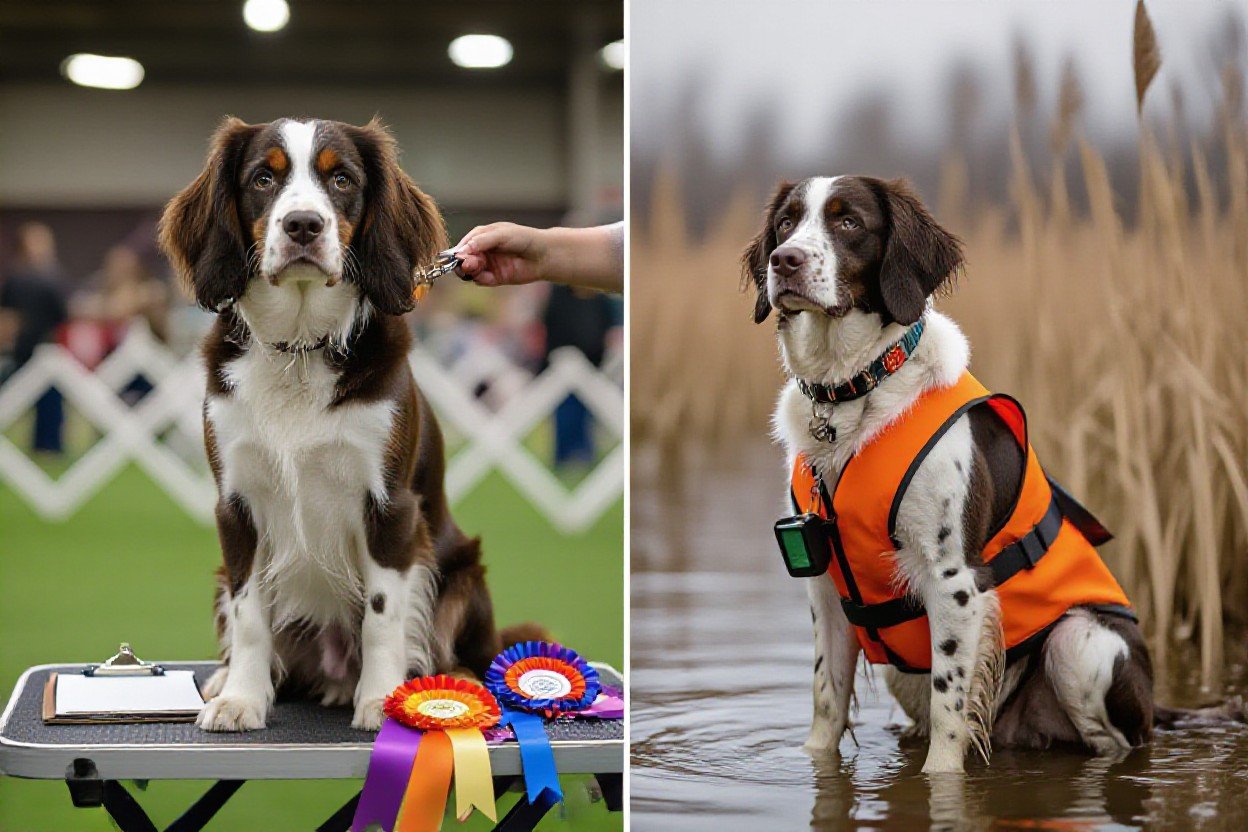
Understanding the distinct genetic paths of English Springer Spaniels illuminates the diverse temperaments you encounter today. Generations of selective breeding have carved out two primary lines: the field-bred spaniel, honed for intense hunting prowess, and the bench-bred (or show-bred) spaniel, developed to meet specific aesthetic standards. These divergent breeding goals have profound implications for a dog’s natural drives and suitability for various lifestyles, directly influencing whether you find a perfect family companion or a dog that truly thrives in a working environment.
Defining the High-Intensity Working Line
Field-bred Springers possess an unquenchable drive and an inherent need to work. Their lineage emphasizes exceptional scenting ability, stamina, and a relentless desire to retrieve. You will find these dogs are often more intense and demanding, requiring significant mental and physical engagement to prevent boredom and destructive behaviors.
The Show Line Influence on Modern Companions
Bench-bred Springers, conversely, were selectively bred for conformity to breed standards in appearance. You typically find these dogs possess a milder temperament, often making them more adaptable to a family setting.
This focus on conformation over working ability has generally softened some of the more intense hunting instincts. These bench-bred Springers still retain the breed’s characteristic eagerness and friendly nature, but their energy levels are often more manageable for typical family life. While they still enjoy retrieving and outdoor activities, they are generally less driven by the constant need for a “job” compared to their field-bred cousins, making them excellent companions for those seeking a less demanding, yet still active, canine friend.
English Springer Spaniel Temperament: Core Behavioral Traits
Understanding your English Springer Spaniel means recognizing the core traits that define this remarkable breed. You’ll find their temperament is a fascinating blend of eagerness, intelligence, and an undeniable zest for life. These dogs possess a high degree of trainability, making them a joy to work with, whether for sport, service, or simply as a well-behaved family member. As an owner, you will quickly discover their innate desire to please, a characteristic that underpins much of their behavior. You can learn more about their history and attributes at English Springer Spaniel: Breed Profile – Gun Dog.
The “Velcro Dog” Phenomenon and Emotional Intelligence
Your Springer will likely become your shadow. This strong bond often translates into high emotional intelligence, allowing them to pick up on your moods and respond with comfort or enthusiasm.
Social Disposition and Interaction with Other Pets
You will find most Springers possess an inherently friendly nature. This generally makes them good companions for other animals.
Their natural inclination towards companionship extends to other furry family members, provided proper introductions and socialization occur early on. You can expect your Springer to be playful and curious, often seeking out interaction with cats, other dogs, and even smaller pets, though their strong prey drive means supervision is always a good idea with very small, quick-moving animals. With appropriate guidance, they usually integrate well into a multi-pet household, often becoming the instigator of games and cuddles.
Sensitivity to Environment and Handler Cues
You will notice your Springer is highly attuned to their surroundings. They often react keenly to your vocal tone and body language.
This breed’s sensitivity means they thrive on positive reinforcement and consistent, clear communication. Harsh corrections can be detrimental, potentially leading to anxiety or a reluctance to engage. Your Springer will look to you for guidance and reassurance, making a strong, trusting relationship absolutely important for their well-being and successful training. They are quick learners, but their sensitive nature means you must be equally quick to praise and reward desired behaviors.
Understanding the Springer Spaniel Personality
You’ve likely heard various anecdotes about English Springer Spaniels, and while individual personalities certainly exist, a core set of traits defines this wonderful breed. Understanding these characteristics is key to determining if a Springer is the right fit for your home, whether you seek a family companion or a dedicated working partner. You can learn more about the breed at Springer Spaniel (English) Dogs – Breeds.
Natural Enthusiasm and Playful Demeanor
These dogs possess an unending zest for life, often greeting every day with wagging tails and bright eyes. Your Springer will likely enjoy active play sessions, often initiating games of fetch or tug. Their cheerful disposition makes them a joy to be around.
Instinctive Drives: Investigating the Hunting Heritage
A Springer Spaniel’s heritage as a gundog is deeply ingrained in their DNA. This means you will observe strong instincts for sniffing, flushing, and retrieving. They are naturally alert and possess an incredible drive to follow scents.
Their innate desire to work means they thrive on purpose-driven activities. You will find that regular walks are often transformed into exciting scent-tracking expeditions by your Springer. This strong prey drive, while fascinating to observe, also means off-leash training requires diligence and a secure environment, especially when distractions are present.
Adaptability to Multi-Generational Households and Children
Springers are generally known for their affectionate and tolerant nature, often making them excellent additions to families with children. They usually enjoy being part of the family action and thrive on companionship.
Your Springer will often form strong bonds with all family members, including younger ones. Supervision is always recommended with any dog and small children, but their generally gentle disposition makes them a good choice for active families. They are often quite patient, though their enthusiasm means they can sometimes be a bit boisterous during play.

Energy Management for the Family and Working Dog
Managing your English Springer Spaniel’s energy is paramount, whether they are a beloved family pet or a dedicated working dog. You will find that both lines possess an inherent drive that, if not properly channeled, can manifest as undesirable behaviors. Understanding their innate need for activity, both physical and mental, is key to a harmonious household. As a spaniel owner myself, I’ve observed firsthand how a well-exercised and stimulated Springer transforms from an energetic whirlwind into a content companion.
Daily Physical Exercise Requirements to Maintain Balance
You must provide ample daily physical exercise for your Springer. A minimum of one to two hours of vigorous activity is typically required to keep them balanced. This can include brisk walks, runs, or active fetch sessions. Insufficient exercise often leads to destructive behaviors and an overabundance of pent-up energy.
The Role of Mental Enrichment in Curbing Hyperactivity
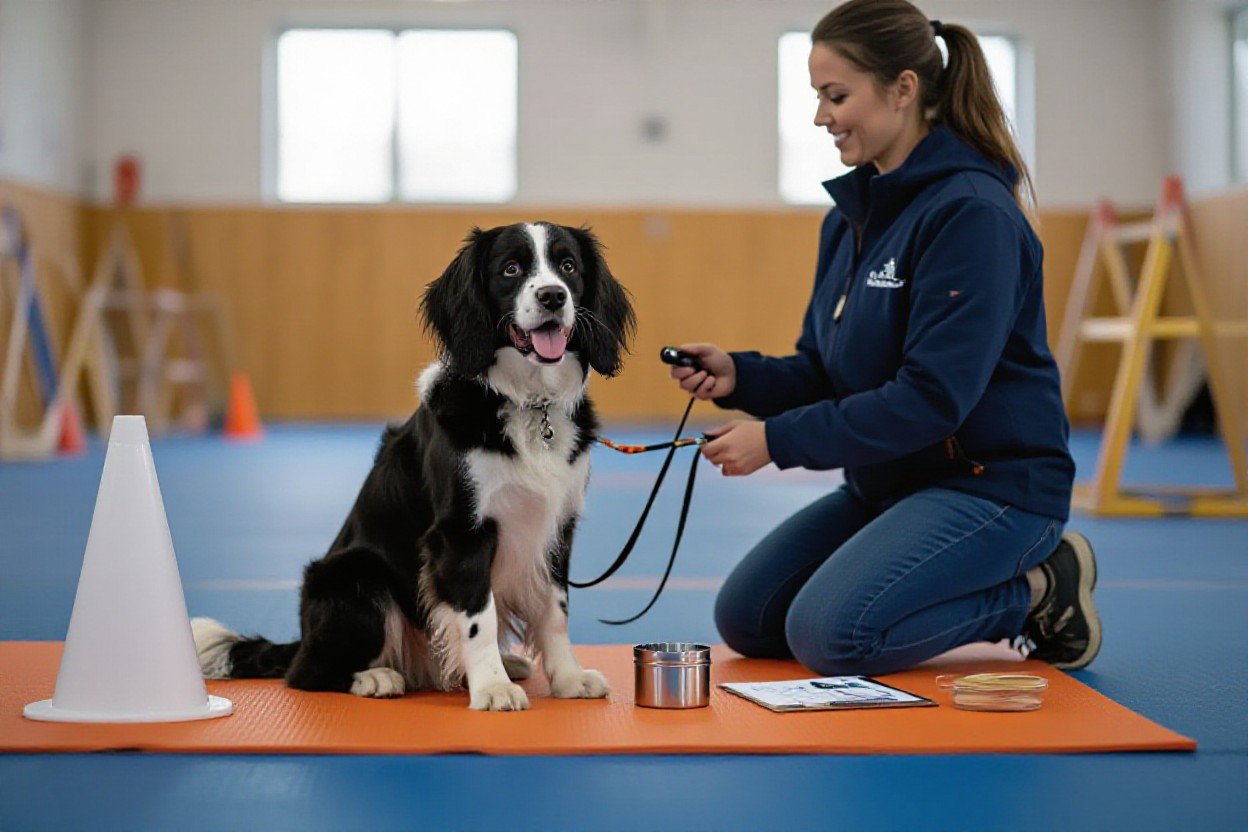
Providing mental enrichment is just as important as physical exercise in preventing hyperactivity. A bored Springer will find its own ways to entertain itself, which can be problematic. Engaging their minds with puzzles and training helps satisfy their intelligent nature.
Your English Springer Spaniel possesses a keen intelligence and a strong desire to work, even if that “work” is simply solving a puzzle toy. You can prevent many common behavioral issues, such as excessive barking or destructive chewing, by integrating regular mental challenges into their routine. Consider scent work games, obedience training, or interactive puzzle feeders to keep their minds actively engaged. This intellectual stimulation helps to tire them out just as effectively as a long run, leading to a much calmer and more manageable dog.
English Springer Spaniel Temperament: Family Dog or Working Dog?
Training and Obedience Potential
You will find English Springer Spaniels are highly intelligent and possess a strong desire to please, making them excellent candidates for various training endeavors. Their sharp minds mean they quickly grasp new commands and concepts, whether you are aiming for basic household manners or advanced field work. This breed thrives on having a job to do, and channeling their energy into structured training sessions is key to a well-adjusted companion. Consistent, positive reinforcement methods yield the best results, transforming their natural enthusiasm into focused obedience.
Eagerness to Please and Positive Reinforcement Techniques
Your Springer Spaniel genuinely wants to make you happy. This innate desire makes them incredibly receptive to positive reinforcement techniques. Reward-based training, utilizing treats, praise, and play, will build a strong bond and encourage enthusiastic participation in every lesson.
Addressing Common Behavioral Challenges and Distractions
You might encounter some common behavioral challenges, particularly if their exercise and mental stimulation needs are not met. Boredom can quickly lead to destructive chewing or excessive barking. Distractions, especially enticing scents or moving objects, can test their focus during training.
You will need to understand that their strong prey drive, a hallmark of their working heritage, means they can be easily sidetracked by squirrels or birds. Consistent training in varied environments, gradually introducing distractions, is imperative to solidify their recall and obedience. Early socialization also plays a significant role in preventing fear-based reactions and ensuring they remain calm and focused in different situations.
English Springer Spaniel Temperament: Family Dog or Working Dog?
Assessing the Demands of a High-Energy Sporting Breed
You must honestly evaluate your capacity to provide for a Springer Spaniel’s considerable needs. These dogs possess an insatiable desire to work and play, requiring significant daily exercise. Neglecting their physical and mental stimulation can lead to destructive behaviors and an unhappy dog.
Key Considerations for Potential Spaniel Owners
Considering a Springer Spaniel means understanding their intrinsic drive. You should be prepared for consistent training and socialization from an early age. Their temperament, while generally amiable, requires guidance to flourish into a well-adjusted companion.
Deciding between a family pet and a working dog line involves examining the specific lineage of your potential Springer Spaniel. Working lines often exhibit heightened prey drive and boundless energy, making them better suited for active homes or actual field work. Family lines, while still energetic, tend to possess a slightly more mellow disposition, making them a better fit for a home without a specific working role. Regardless of lineage, your commitment to their exercise needs will directly impact how their temperament develops, preventing common issues like excessive barking or digging. You will observe their temperament evolve with age, becoming more settled with consistent positive reinforcement and clear boundaries.
To wrap up
Following this, you understand the English Springer Spaniel truly excels as both a dedicated family companion and an energetic working dog. Your Springer’s temperament depends on its lineage and the training you provide. You must meet their significant exercise and mental stimulation needs, ensuring a well-adjusted companion throughout their life. Your commitment shapes their behavior, making them a rewarding addition to any active home.
FAQ
Q: What are the core personality traits of an English Springer Spaniel?
A: English Springer Spaniels are known for their enthusiastic and cheerful dispositions. They typically display high intelligence and a strong desire to please their owners. These dogs are generally affectionate and form strong bonds with their families. A Springer Spaniel’s inherent curiosity and eagerness to explore are evident in their lively nature. They often possess a playful spirit, remaining puppy-like well into their adult years.
Q: Is an English Springer Spaniel better suited as a family pet or a working dog?
A: English Springer Spaniels excel in both roles, though specific lines are often bred for one purpose over the other. Field-bred Springers, or working dogs, exhibit higher drive, more intense focus, and an insatiable desire for activity. Show-bred Springers, often preferred as family pets, tend to have a slightly calmer demeanor and a more relaxed approach to life, while still retaining the breed’s characteristic energy. A well-socialized Springer from either line can integrate beautifully into a family, provided their exercise and mental needs are met. Owners considering a working dog should be prepared for extensive training and engagement in activities like hunting, agility, or scent work.
Q: What kind of exercise and mental stimulation does an English Springer Spaniel need?
A: English Springer Spaniels require substantial daily exercise and mental engagement. Their athletic build and intelligent minds mean a simple walk around the block is often insufficient. These dogs thrive on activities such as long runs, vigorous games of fetch, hiking, or swimming. Mental stimulation is equally important; puzzle toys, obedience training, and scent games can prevent boredom and destructive behaviors. A lack of adequate exercise and mental challenge can lead to a restless and anxious dog. Owners should plan for at least 1-2 hours of active exercise daily, broken into multiple sessions.
Q: How does an English Springer Spaniel’s temperament typically change with age?
A: A Springer Spaniel’s boundless puppy energy gradually settles as they mature, usually around two to three years of age. While they retain their cheerful and affectionate nature, their impulsiveness may lessen, and their focus during training can improve. Senior Springers, typically eight years and older, often become more content with shorter walks and more time spent relaxing with their families. They may still enjoy a good game of fetch, but their stamina will naturally decrease. Owners should adjust exercise routines to suit their dog’s changing needs as they age.
Q: As a Spaniel owner, what is your honest take on their suitability as a family dog?
A: From my experience, English Springer Spaniels are wonderful family dogs, but they are not for everyone. They bring so much joy and laughter into a home with their happy-go-lucky attitudes. My Springer thrives on being part of every family activity, whether it’s a hike or just cuddling on the couch. They are incredibly loyal and protective of their loved ones. However, a potential owner must understand their significant need for exercise and mental engagement. Without it, they can become mischievous and destructive. They also shed quite a bit, and their ears require regular cleaning. For an active family willing to dedicate time to training and outdoor adventures, a Springer Spaniel is an absolutely fantastic companion.
Q: Do English Springer Spaniels generally get along well with children and other pets?
A: English Springer Spaniels typically exhibit a friendly and patient disposition, making them generally good companions for children. Their playful nature often matches the energy of youngsters. It is always important to supervise interactions between dogs and young children to ensure safety for both. Springers usually coexist peacefully with other pets, especially if they are introduced properly during puppyhood. Their innate hunting drive means small, fast-moving animals like hamsters or gerbils might trigger their instinct, so careful introductions and supervision are necessary in those cases. Most Springers readily accept other dogs and cats into their family unit.
Q: Are there any common temperament challenges or considerations for English Springer Spaniel owners?
A: English Springer Spaniels are generally well-behaved, but some temperament challenges can arise without proper management. Their high energy levels, if not channeled, can lead to destructive chewing, excessive barking, or hyperactive behavior. Some Springers can develop “Springer Rage,” a rare but severe form of aggression, though this is primarily linked to specific genetic lines and is not representative of the breed as a whole. Their strong prey drive means they might chase squirrels or birds, requiring consistent recall training. A Springer’s affectionate nature can also translate into separation anxiety if left alone for extended periods. Consistent training, early socialization, and meeting their exercise needs are key to preventing most behavioral issues.