
It’s crucial you understand that English Springer Spaniels are high-energy, highly trainable companions requiring daily exercise, consistent training, and regular grooming; you will handle common health risks like ear infections and hip dysplasia through proactive care and vet checks, and you’ll find this hub links to every detailed Springer article on temperament, socialization, feeding, and mental stimulation to make managing your dog’s needs straightforward.
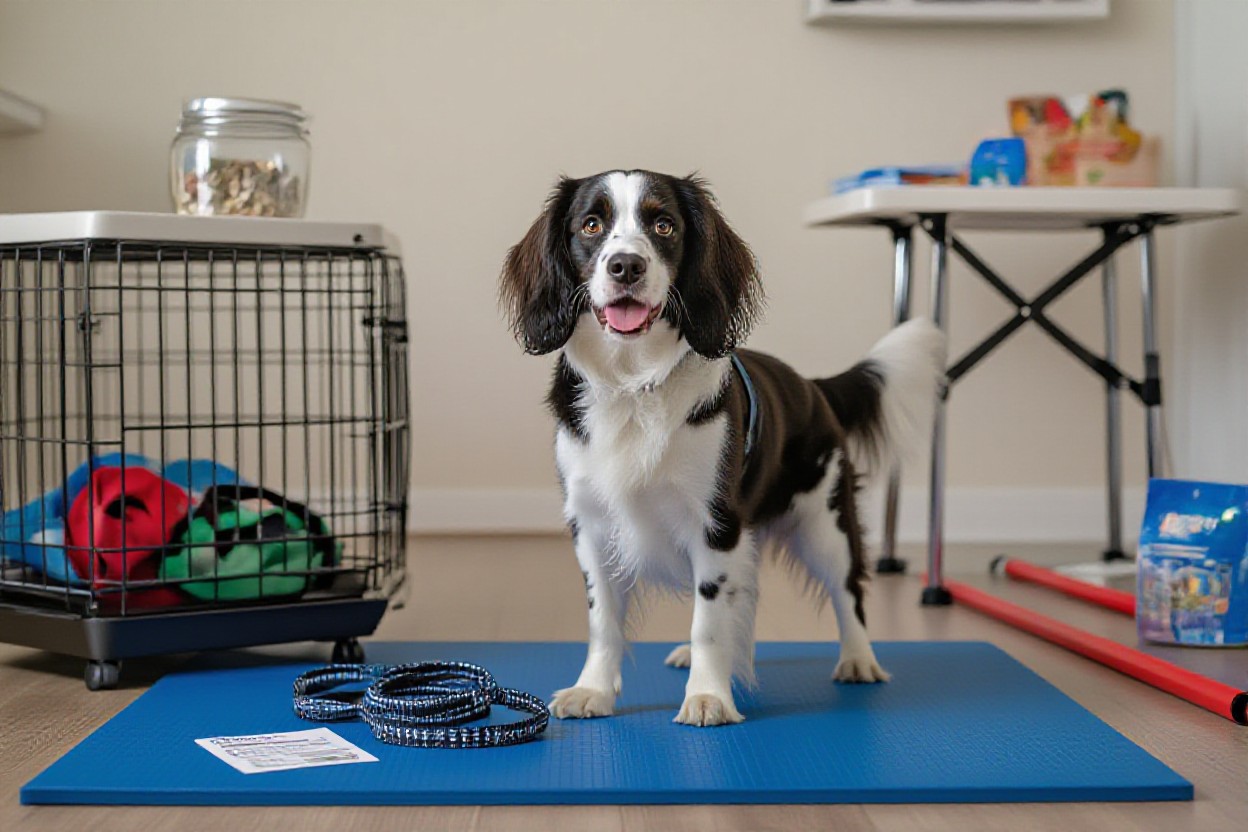
Key Takeaways:
- Comprehensive hub covering Springer Spaniel care and temperament, linking to in-depth articles on training, grooming, exercise and health for easy navigation.
- Practical training and exercise guidance with step-by-step tips for obedience, socialization, and daily mental/physical stimulation to reduce unwanted behaviors.
- Health and grooming roadmap including breed-specific checks, vaccination and parasite prevention, grooming schedules, and clear signs for when to consult a vet.
What Is an English Springer Spaniel?
History and Origin
Originating in Britain, the English Springer Spaniel was bred as a flushing and retrieving gun dog from the 18th and 19th centuries; the name comes from its job to “spring” game from cover so you could flush and shoot it. By the mid-1800s the breed began to be distinguished from the smaller cocker spaniel, and organized kennel standards emerged by the late 19th century, shaping the lines you see today.
You can deepen your understanding of the breed’s development and early working roles with dedicated histories such as The English Springer Spaniel: A Complete and …. On JustSpaniels.com this page serves as your central hub, linking those historical details to practical care, training, and working-breed considerations.
Physical Characteristics
Expect a medium-sized, muscular dog: males typically stand around 19-20 inches at the shoulder and females about 18-19 inches, with most adults weighing between 40-50 lb (18-23 kg). Lifespan usually falls in the 12-14 year range. Their coat is medium length with feathering on the ears, chest, legs and tail, and common colorings include black-and-white, liver-and-white, and tricolor patterns with ticking or roan.
Their long, pendulous ears and dense coat demand attention; you should inspect and clean ears weekly because those ear shapes create a higher risk of infection. Grooming-wise, plan for brushing several times a week and trimming every 6-8 weeks to manage feathering and reduce matting.
Functionally, the Springer is bred to be athletic and agile: compact ribcage, well-angulated shoulders and hindquarters, and a level topline produce a ground-covering, efficient gait. Given that build, you should provide at least 60-90 minutes of varied daily exercise-long walks, retrieval, or scent work-to satisfy their drive and prevent behavior issues.
Breed Standards
Breed clubs emphasize a balanced, working outline: the American Kennel Club and UK Kennel Club both outline similar expectations for height and proportion, with the ideal being a well-muscled dog in proportion rather than extreme size. Acceptable coat colors are primarily black-and-white and liver-and-white, plus tricolor variants; markings such as roan and ticking are standard in the registry descriptions.
Differences between show and field lines matter for you as an owner: show Springers tend to be slightly heavier-boned with fuller coats and a more pronounced silhouette, while field-bred Springers are often leaner, have shorter coats, and display stronger drive for flush-and-retrieve work. Tail carriage, a bold but friendly expression, and clear, ground-covering gait are commonly judged in conformation.
When dicking out a puppy or breeder you should verify health and registry documentation: request hip and elbow scores, ophthalmologist clearance (PRA screening), and any working titles if you want a field-capable dog. Ensuring those clearances is one of the most important steps to reduce inherited problems and match the dog’s lineage to your expectations.

Springer Spaniel Temperament Overview
Personality Traits
You’ll find Springers combine a working-dog drive with a very affectionate nature: they’re highly trainable, eager to please, and happiest when given a job-whether that’s retrieving, scent work, or structured play. Expect bright problem-solving ability and fast learning; with consistent positive reinforcement many owners see reliable obedience within weeks on basic commands.
They carry notable energy: plan for roughly 60-90 minutes of varied exercise daily to keep them balanced. Without that outlet your Springer is prone to boredom-driven behaviors such as chewing, digging, or vocalizing, and many dogs don’t tolerate being alone for long periods without showing stress.
Social Behavior with Family and Strangers
With your family a Springer typically becomes a central companion-they’ll shadow you around the house, seek physical contact, and excel at family activities. This attachment makes them exceptionally loyal and people-oriented, but also means they perform best in homes where you can include them in routine life rather than leave them isolated for long stretches.
Stranger reactions vary by socialization: many Springers greet unfamiliar people with enthusiasm and friendly curiosity, yet some will be reserved or alert until they’re introduced calmly. Early, repeated exposure to varied people and situations usually reduces wariness and prevents nervous or reactive behavior in public settings.
To shape confident interactions, use controlled introductions-short, positive encounters with different ages, clothing styles and movement patterns-and reward calm responses; this reduces the chance of fear-based barking or avoidance later on.
Compatibility with Children and Other Pets
Your Springer is generally an excellent family dog and often very gentle with children, enjoying play and games; however, supervise interactions with kids under 10 and teach respectful handling to prevent accidental knocks or overexcitement. When guided, many families report harmonious, energetic play that benefits both the dog and children’s activity levels.
Compatibility with other pets depends on early experience: Springers usually get along well with other dogs when properly introduced, but they have a strong prey drive and may chase small mammals or birds unless raised with them. If you plan to keep small animals like rabbits or ferrets, manage introductions carefully and consider separate living spaces.
Introduce new dogs on neutral ground, keep initial meetings short and leashed, allow scent investigation, and supervise closely for the first 2-4 weeks-reward calm, non-chasing behavior to help integrate your Springer into a multi-pet household.
Exercise & Energy Levels
Daily Exercise Requirements
You should plan on giving an adult English Springer Spaniel about 60-90 minutes of focused activity each day, split into at least two sessions – for example a 30-45 minute brisk walk plus a 20-30 minute play or training session. Puppies need gentler, shorter outings: follow the guideline of roughly 5 minutes of exercise per month of age, twice daily, and avoid high-impact jumping or long runs until around 12-18 months.
Seniors and dogs with health issues will typically need less intense activity (around 30-45 minutes of low-impact movement daily) and more mental stimulation. You can combine short sprint intervals, controlled off-leash running in safe areas, and 10-15 minute obedience or scent games to keep intensity appropriate while meeting total time needs.
Recommended Activities and Games
Fetch and controlled recall are excellent for burning energy quickly – several 10-20 minute sessions of fast retrieve will tire a Springer faster than a single long walk. Scent work, agility, and structured rally/obedience tap into their working instincts; aim for 2-3 short training or game sessions (10-20 minutes each) spread across the day to provide both physical and mental workload.
Swimming and long trail runs suit dogs with good joints and conditioning; alternate high-intensity play with nosework or puzzle feeders on recovery days so you don’t overload the musculoskeletal system. Many owners find a weekly agility class plus daily short sessions (totaling 60-90 minutes) reduces hyperactivity and improves impulse control within 4-8 weeks.
You can enhance your activity toolkit with practical gear and reference materials – for routines, toy choices and progression plans consider resources like SPRINGER SPANIEL Dog Complete Owners Manual …, using flirt poles, scent kits, and durable retrieving toys for variety and safety.
Signs of Under-Exercised Dogs
Watch for persistent restlessness, destructive chewing, excessive barking, pacing, or digging – these are common indicators that your Springer isn’t getting enough outlet for energy. You may also notice steady weight gain; a dog carrying >10% extra bodyweight compared to its healthy baseline often signals activity shortfall combined with diet imbalance. Escalating escape attempts or aggressive incidents are red flags that warrant immediate change.
Behavior problems often intensify rather than resolve on their own: what starts as intermittent sofa chewing can progress to repeated property damage or reactive leash behavior if activity and enrichment aren’t increased. When you see these signs, raise daily activity by 20-30 minutes, add focused mental work (scent games, training), and monitor for improvement over 2-3 weeks.
If increased exercise doesn’t reduce the behaviors, track patterns (time of day, triggers) and consider a vet check for medical contributors such as hypothyroidism, or a certified trainer/behaviorist for structured intervention – early action prevents escalation and keeps your dog safe and well-balanced.
Training & Intelligence
Basic Obedience Training
You should begin basic obedience as soon as your Springer is settled into your home-typically between 8-12 weeks-focusing on sit, stay, come, and loose-leash walking. Use short sessions of 5-10 minutes, 3-5 times per day, with high-value treats and a clear marker (clicker or word) so your dog links behavior to reward quickly.
Progress by proofing commands in different places and around increasing distractions: start in a quiet room, move to the yard, then to a busy park. Because Springers are eager to please but also have a strong flushing and chase instinct, prioritize a reliable recall early to reduce risk when you’re off-leash.
Advanced Training Techniques
After you’ve mastered the basics (generally by 4-6 months), introduce skills like scent work, advanced retrieving, and agility sequences to channel energy and intelligence. Implement shaping, back-chaining, and variable reinforcement schedules-switch between continuous treats and intermittent rewards-to build resilience and focus under distraction.
Use progressive difficulty: increase distance, add duration, and layer distractions over weeks rather than sessions. Incorporate problem-solving tasks (puzzle boxes, odor discrimination) for at least 10-20 minutes daily to reduce boredom-related behaviors.
- Proofing commands in noisy, crowded environments
- Scent discrimination and tracking games
- Complex retrieve patterns and delivery to hand
- Agility sequences that combine speed and obedience
- Use aversive tools with professional guidance-e.g., e-collars only under a trainer experienced with Spaniels
- Clicker shaping for novel behaviors and tricks
Advanced Techniques Breakdown
| Technique | When to use / Benefit |
| Scent work | At 6+ months; taps into hunting instincts, excellent mental outlet |
| Agility | After reliable recalls; improves coordination and impulse control |
| Shaping & back-chaining | For complex behaviors; builds independent problem-solving |
| Variable reinforcement | Once behavior is established; increases persistence and reliability |
| E-collar (professional use) | For off-leash reliability in high-risk areas; requires trainer-led protocol |
When implementing these techniques, log progress weekly-note success rates, distractions present, and duration-to adjust difficulty logically; many owners see measurable improvements within 4-8 weeks when they increase challenge gradually and keep sessions consistent.
Socialization Tips
You should expose your Springer to a wide variety of people, animals, surfaces, and sounds between roughly 3-16 weeks to build confident adult behavior; include supervised interactions with children, other dogs, strangers, and different types of transport. Puppy classes are especially valuable because they combine social exposure with structured learning and expert feedback.
Pair new experiences with rewards and calm praise so your dog forms positive associations; for example, offer treats for approaching a stroller or for tolerating a car horn at a distance. If your dog shows worry, break the exposure into smaller steps and proceed at a pace where they remain curious rather than fearful-this prevents escalation into long-term anxiety.
- Early exposure: introduce new stimuli in short, positive sessions
- Controlled play: supervised interactions with vaccinated, well-mannered dogs
- Gradual noise acceptance: start at low volume and increase over days
- Any socialization that’s forced or rushed can increase stress and lead to avoidance or reactivity
For ongoing socialization, integrate weekly outings throughout adolescence (3-12 months): vet visits without procedures, brief café sits, and walks in different neighborhoods all keep your Springer adaptable and less likely to develop fear-based reactivity.
- Puppy classes: structured environment with trained instructors
- Playdates: short, supervised sessions with known dogs
- Handling exercises: touch paws, ears, mouth to ease grooming and vet care
- Any forced interaction without positive reinforcement risks creating negative associations
Common Training Challenges
You will encounter a few recurring issues: high energy leading to short attention spans, a strong prey/chase drive that undermines recall, and sensitivity to harsh correction which can shut learning down. Address energy with consistent daily exercise-aim for 60-90 minutes total-and mental work; without this, you’ll often see jumping, mouthing, or destructive chewing.
Separation anxiety and resource guarding occur in a minority of Springers but carry safety concerns; use gradual desensitization and counter-conditioning protocols, and consult a behaviorist if separation anxiety or resource guarding worsens. Maintain calm, predictable routines so your dog learns stability rather than becoming dependent on constant attention.
Troubleshoot by videoing sessions to spot handler inconsistency, keeping sessions short and frequent, and using clear criteria for success; many owners resolve major issues within 6-12 weeks with disciplined, reward-based plans and occasional professional input.
Grooming & Coat Care
Brushing and Bathing Needs
Your Springer has a medium-length, water-resistant coat with feathering on the chest, ears and legs that needs regular attention; plan to brush your dog 3-4 times per week and more during heavy-shedding seasons (typically spring and fall). Use a slicker brush for surface tangles, an undercoat rake or de-shedding tool to remove loose underfur, and a wide-tooth comb to work through feathering-pay special attention to areas that mat easily, such as behind the ears and under the armpits. For a focused reference on Springer-specific techniques and tool recommendations see English Springer Spaniel. English Springer Spaniel Dog grooming guide.
Bathing should be done only when needed-typically every 6-8 weeks for pet Springers, though a working or muddy dog may need a rinse more often. Choose a pH-balanced dog shampoo and a conditioner for feathering to prevent brittle hair; always rinse thoroughly and dry with a towel or low-heat blow dryer to avoid trapped moisture that can lead to skin irritation or ear problems. Trim feathering to keep it tidy and to reduce matting, especially on dogs that swim or run through brush frequently.
Ear Care
You need to inspect your Springer’s ears at least once a week because their floppy ears trap moisture and debris, increasing the risk of otitis externa. Gently lift the ear flap and look for redness, swelling, foul odor, dark or yellow discharge, or excessive ear-scratching; any of those signs warrant a vet check. Clean the outer ear every 1-2 weeks with a vet-approved cleaner applied to a cotton ball-never insert cotton swabs into the ear canal.
After swimming or a bath, dry the ear thoroughly by gently wiping and letting air circulate; if your dog is a frequent swimmer, use a drying ear solution recommended by your vet. When hair is dense at the ear opening you can have a professional groomer thin it to improve airflow, but avoid aggressive plucking unless advised by your veterinarian.
For recurrent infections you should pursue diagnostic testing-cytology or culture-so the vet can target treatment to the pathogen (yeast and bacteria are common). Repeated infections may require topical medicated drops or, rarely, systemic antibiotics; note that persistent malodorous discharge, blood, or sudden head-tilt are red flags that need prompt veterinary attention.
Nail Trimming and Eye Care
Trim nails every 3-4 weeks depending on activity level; if you hear nails clicking on hard floors, they’re too long. Use a guillotine clipper or grinder and take small cuts (1-2 mm) to avoid cutting the quick-on dark nails trim gradually and stop at a pale dot, on light nails you can see the quick and leave about 2 mm of white. Keep styptic powder or cornstarch on hand for accidental bleeds and maintain nails short to prevent altered gait and extra strain on joints.
Wipe your Springer’s eyes daily if you notice tearing or debris using a plain saline eye wash or a damp, soft cloth, and trim stray hairs that rub the cornea with blunt-ended scissors every 4-6 weeks. Watch for persistent redness, green or yellow discharge, cloudiness, excessive squinting, or a sudden increase in tearing-those symptoms can indicate infection, ulceration, or other conditions that need veterinary assessment.
When trimming around the eyes, steady your dog and work in short sessions; avoid topical products unless vet-recommended, and refer to an ophthalmologist if signs persist beyond 48-72 hours. Keeping the hair trimmed and eyes clean reduces irritation and lowers the chance of secondary infections.
Common Springer Spaniel Health Issues
Genetic Predispositions
Hip and elbow dysplasia are among the primary inherited orthopedic concerns in Springers; breeders commonly use hip scoring systems (OFA, BVA) and elbow evaluations to reduce incidence, and you should ask for those clearances when selecting a puppy. Eyes are also an area to watch-progressive retinal atrophy (PRA) and other inherited ocular conditions appear in some lines, so look for eyes cleared by an ACVO/ECVO ophthalmologist or documented DNA testing for known mutations.
Thyroid dysfunction and certain autoimmune issues show up in the breed with variable frequency, and seizure disorders have been reported; strong breeder health programs that include thyroid panels, genetic screening where available, and transparent health histories lower your risk. If you’re planning to breed or buy a pup, insist on documented health clearances and consider contacting national breed clubs for lineage-specific incidence data.
Preventative Health Measures
Vaccination and parasite control form the backbone of prevention: follow a standard puppy vaccine series (typically at 8, 12 and 16 weeks) then booster yearly or as advised by your vet, and maintain monthly heartworm, flea and tick prevention tailored to your region. Dental care matters too-plaque can begin forming within 24-72 hours, so daily or frequent tooth brushing and annual dental checks prevent periodontal disease that can lead to systemic problems.
Routine screening targeted to Springer-specific risks lowers long-term morbidity: get hip/elbow scores before breeding, arrange an ophthalmic exam for hereditary eye disease, and run baseline bloodwork (CBC and chemistry) by age 1 and again as your dog ages. Nutrition and weight management have a direct preventive effect-keeping your Springer at a lean body condition score of 4-5/9 reduces joint stress and slows degenerative changes.
When you choose preventive care, prioritize measures with proven impact: breeder health clearances, consistent parasite control, regular dental maintenance, and an age-appropriate vaccination schedule. Those steps, combined with proper exercise and a balanced diet, are the most effective strategy you can use to cut the likelihood of many common conditions.
Regular Vet Check-ups
Schedule puppy visits for vaccinations and socialization checks, then move to an annual adult exam; after age 7 you should see the vet every six months because seniors develop problems faster. During visits expect weight and body-condition assessment, joint mobility checks, ear and skin inspection, dental evaluation and vaccines/parasiticide review-your vet will flag subtle gait changes or early ear infections that you might miss at home.
Baseline and periodic blood panels are practical: a pre-anesthetic or baseline chemistry and CBC provides a health snapshot, and screening thyroid function (T4/TSH) is recommended if you notice weight changes, coat thinning, or lethargy. For breeding or if genetic disease is a concern, request copies of hip/elbow and eye clearances to keep with your dog’s records.
Act quickly on red-flag signs between check-ups-sudden lameness, persistent vomiting or diarrhea, collapse, difficulty breathing, or acute eye pain warrant immediate veterinary attention rather than waiting for the next scheduled visit, and keeping an up-to-date medical file (vaccines, test results, imaging) speeds accurate diagnosis when problems arise.
Feeding & Weight Management
Nutritional Requirements
Your Springer needs a diet that matches its life stage and activity: puppies require energy-dense growth formulas, adults do well on balanced maintenance diets, and seniors benefit from lower-calorie, joint-support blends. Aim for roughly 20-30% protein and 10-20% fat on a guaranteed analysis for most active adults; working Springers at high activity levels may need more fat and calories. Include omega-3s (fish oil) for coat and anti-inflammatory support, and consider a glucosamine/chondroitin supplement if your dog has hip concerns.
Calorie needs vary: a typical adult Springer at ~20 kg (44 lb) often needs about 600-900 kcal/day depending on activity – use ~30 kcal/kg for a moderately active pet and up to 40-50 kcal/kg for very active dogs. You can find complete feeding charts and recipe guides linked from your JustSpaniels.com hub to match commercial kibble labels to these targets and adjust by body condition score (BCS) rather than package recommendations alone.
Portion Control and Feeding Schedule
Feed adults twice daily to stabilize digestion and reduce begging; puppies should eat 3-4 smaller meals until about four months, then drop to three meals and eventually two. Measure strictly: a digital kitchen scale is more reliable than cups – many owners discover their “cup” underfeeds or overfeeds by 10-25%. Count treats as part of the daily allotment and keep them to no more than 10% of daily calories.
Calculate portions with a simple rule-of-thumb then fine-tune by BCS: for example, a 20 kg moderately active Springer begins around 600 kcal/day – if your dog gains weight after a two-week check, reduce by ~10-15% or increase exercise. When switching foods, transition over 7-10 days (start 25% new/75% old and shift ratios daily) to prevent GI upset.
Weigh your dog weekly and record body condition: if ribs are difficult to feel under a light fat cover, you need to cut portions or add activity; if ribs are easily visible, increase food by 10-15% and recheck in two weeks. Use the feeding calculators and portion charts on JustSpaniels.com for brand-specific guidance.
Common Weight-Related Issues
Obesity is the most frequent problem – excess weight worsens joint disease and can increase the likelihood of osteoarthritis, diabetes, and a shortened lifespan. You should aim for a palpable waist behind the ribs and a visible tuck from the side; when in doubt, consult your vet for a BCS assessment and a targeted weight-loss plan that reduces calories by ~20% while preserving lean mass with modest protein levels and consistent exercise.
Other concerns include pancreatitis from sudden high-fat feeding or rich table scraps and unintended weight loss from parasites, dental disease, or hypothyroidism. If your Springer has a rapid weight change (>10% in a month) or shows lethargy, vomiting, or changes in appetite, get veterinary diagnostics (CBC, thyroid panel, fecal) to rule out medical causes before adjusting the diet long-term.
For long-term management, set realistic goals (loss of 0.5-1% body weight per week for overweight adults), log food and activity, and use follow-up weigh-ins every 2-4 weeks; your JustSpaniels.com hub links to clinic-grade weight-loss protocols and case studies showing sustained success when owners combine portion control, reduced-calorie diets, and consistent daily exercise.

Is an English Springer Spaniel Right for You?
Lifestyle Considerations
Springers are high-energy, people-oriented dogs that thrive when they’re part of daily family life; if your routine leaves long stretches of alone time, they can develop separation anxiety and destructive behaviors. You should plan for at least one secure outdoor area for play or a routine that provides off-leash time in a safe, fenced space-their strong prey drive means they’ll chase small animals and birds if given the chance. Apartments can work if you commit to vigorous daily exercise, but a suburban or rural home with a yard is a more natural match.
They typically do very well with children and make affectionate companions, responding best to homes where someone engages them regularly with training, games, or scent work. Coat care and ear maintenance affect daily life too: expect to brush 2-3 times weekly to avoid mats and check floppy ears weekly for signs of infection-untreated ear problems can become persistent and painful. This page on JustSpaniels.com links out to detailed guides on grooming, ear care, and activity ideas to help you plan your household setup.
Time Commitment
Daily activity needs are substantial: most adult Springers do best with 60-90 minutes of physical exercise plus 20-30 minutes of mental stimulation (training, scent games, puzzle toys). A practical day might include a 30-45 minute brisk walk or run in the morning, a midday short play session or training drill, and another 30-45 minute activity in the evening. Puppies demand even more hands-on time-multiple short training sessions, frequent potty breaks, supervised play, and socialization spread across the day.
Training and socialization are ongoing commitments: consistent short sessions (10-15 minutes, 2-3 times daily) get the best results, and group classes or a trainer for the first few months can accelerate recall and impulse control. House training and chewing behaviors commonly take 3-6 months to stabilize with steady management, and working on off-leash reliability requires months of deliberate practice in safe areas.
Grooming and preventive care add weekly time: plan on 30-90 minutes per week for brushing, nail checks, and basic ear cleaning, plus periodic professional trims every 6-12 weeks depending on your grooming choices. Senior dogs will need adjustments-shorter hikes, more frequent rest, and often increased vet visits-so your time investment shifts over their life stages.
Financial Commitment
Initial costs vary widely: adopting from a rescue typically runs $150-$500, while reputable breeders often charge $1,200-$2,500 for a well-bred Springer puppy; show or special-lines can be higher. Budget for starter supplies-crate, bed, leash, collar, toys, initial vaccinations and microchipping-at roughly $300-$700 in the first few months.
Ongoing annual expenses commonly fall between about $1,200 and $3,000 depending on your location and care level: food $400-$800, routine vet care $300-$800, pet insurance $300-$700, grooming $150-$500, and training/activities $100-$400. If you invest in regular agility or scent work classes, expect an additional $200-$600 per year. Emergency or specialist care is the biggest variable; plan an emergency fund or comprehensive insurance.
Health risks such as hip dysplasia, ear infections, and certain eye conditions can drive major costs-a single surgical procedure or extended specialist treatment can run $2,000-$6,000. For that reason, many owners find pet insurance or a dedicated vet emergency fund necessary; check breed-specific health pages on JustSpaniels.com for common conditions and typical treatment cost examples to help you budget realistically.
Final Words
As a reminder, this Complete Owner Guide on JustSpaniels.com centralizes the vitals of Springer Spaniel care – temperament, training, exercise, grooming, and health – and links you to deeper articles for every topic. Follow the practical routines and training approaches provided here to develop a balanced, well-mannered companion who thrives on activity, mental stimulation, and consistent boundaries.
Use your hub to build a tailored plan: steady training, ongoing socialization, scheduled veterinary care, targeted grooming, and varied exercise will keep your Springer fit and content. Apply the linked, age-appropriate tips to your dog’s individual needs so you can prevent issues, reinforce good behavior, and enjoy a long, rewarding partnership.
FAQ
Q: What daily care, exercise, and grooming does an English Springer Spaniel need?
A: Springers are high-energy, working-breed dogs that need at least 60-90 minutes of daily physical activity plus mental stimulation. Combine brisk walks, off-leash play in a secure area, scent work, and short training games; swimming and organised field activities are excellent outlets. Grooming basics include brushing 2-3 times weekly (daily during heavy shedding), trimming feathering as needed, weekly ear checks and cleaning to prevent infections, nail trims every 3-6 weeks, and baths every 4-8 weeks or after messy outings. Feed a balanced diet tailored to age, weight and activity level and monitor body condition to avoid obesity. See the hub’s linked articles: Exercise & Activity Plans, Grooming Guide, Nutrition & Feeding for schedules and product recommendations.
Q: How do I train an English Springer Spaniel and what is their typical temperament?
A: Springers are intelligent, eager-to-please and highly trainable, but they can be lively, mouthy and prone to separation anxiety if left idle. Start socialisation and basic obedience early with short, frequent sessions using positive reinforcement (treats, toys, praise). Incorporate recall, impulse control, leash manners and problem-solving tasks; clicker work and scent/field training keep them engaged. Consistency, clear rules and regular social exposure reduce unwanted behaviours. For specific programs and troubleshooting, see Puppy Socialisation, Obedience Steps, and Behaviour Solutions in the hub.
Q: What health issues should I watch for and how should I plan preventive care?
A: Common concerns include hip and elbow dysplasia, ear infections, eye conditions (e.g., progressive retinal atrophy), and skin allergies. Implement a preventive plan: annual or biannual vet exams, age-appropriate vaccinations, parasite control, dental care, weight management and routine ear/coat maintenance. If acquiring a puppy, request health clearances (hip/elbow evaluations, eye exams, relevant DNA tests) and follow breeder health recommendations. Contact your vet promptly for persistent lameness, recurring ear problems, vision changes, sudden appetite loss, or unusual swelling. See Health & Genetics, Vet Care Checklist, and Senior Care Guide in the hub for screening timelines and test details.