
With a Cocker Spaniel, understanding their healthy weight is paramount. You want to ensure your beloved companion thrives. This guide provides a comprehensive weight chart, helping you monitor your dog’s growth and identify any potential health risks. See How Big Does a Cocker Spaniel Get? Average Weight & … for more detailed insights.
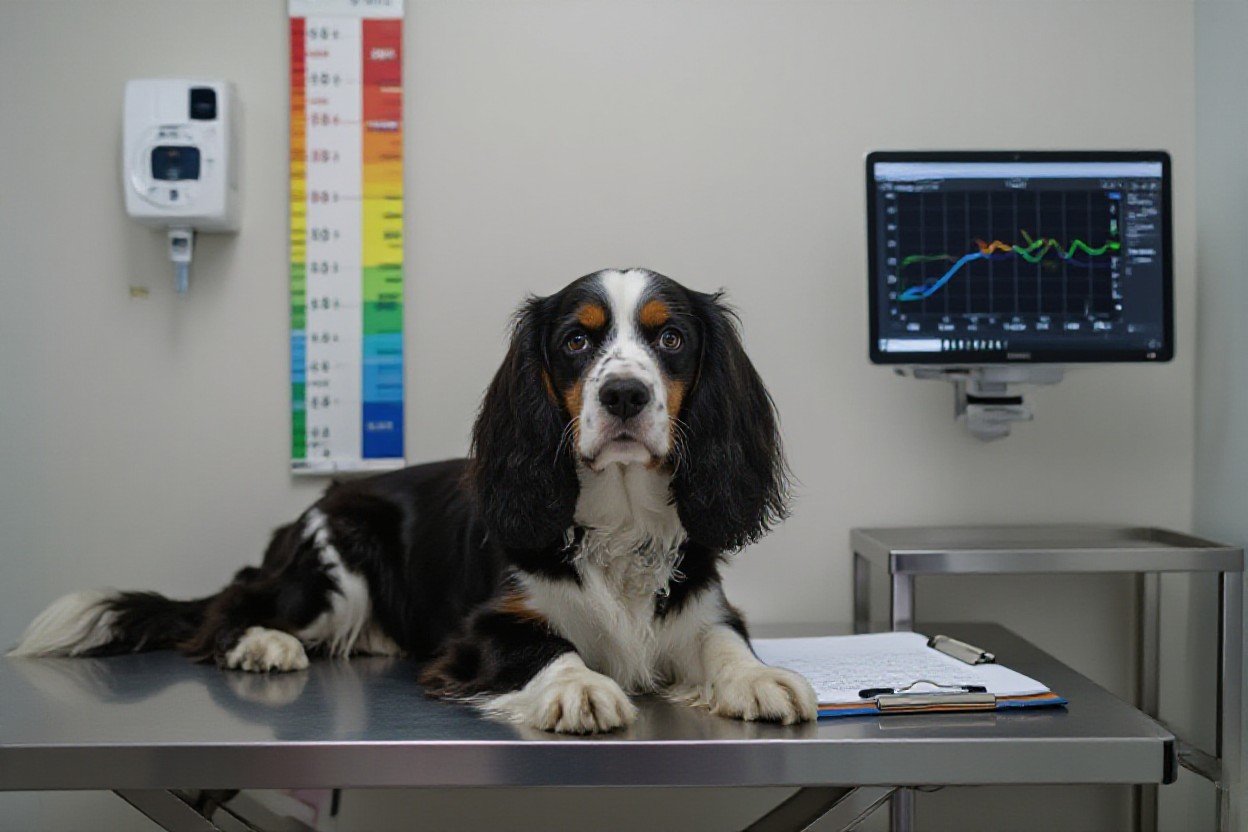
Key Takeaways:
* Cocker Spaniel weight charts offer a practical tool for owners to monitor their dog’s growth and health, ensuring they stay within a healthy range for their age and breed.
* Age is a primary factor influencing a Cocker Spaniel’s weight, with puppies having distinct growth patterns that differ from adult dogs.
* Sex plays a role in weight, as male Cocker Spaniels are typically heavier than females.
* Individual variations exist even within the breed, meaning a healthy weight can fall within a specific range rather than being a single fixed number.
* Regular veterinary check-ups are crucial; a vet can interpret weight chart data in context with a dog’s overall health, diet, and activity level.
* Maintaining a healthy weight is critical for preventing common health issues in Cocker Spaniels, such as joint problems, diabetes, and heart disease.
* Owners should use a weight chart as a guide, combining it with visual assessments (like checking for a visible waist) and tactile checks (feeling for ribs) to determine their dog’s ideal body condition.

Understanding Breed Standards: English vs. American Cocker Spaniel Weight Ranges
You might wonder why a single weight chart doesn’t cover all Cocker Spaniels. The breed standard, established by kennel clubs, defines the ideal physical characteristics, including weight, for each distinct variety. These standards guide breeders and judges, ensuring the preservation of specific traits. Recognizing the differences between the American and English Cocker Spaniel is paramount for understanding their respective healthy weight ranges.
Ideal Weight Ranges for the American Cocker Spaniel
Your American Cocker Spaniel typically exhibits a compact build. Males usually weigh between 25 to 30 pounds, while females fall within the 20 to 25-pound range. These figures represent a healthy adult weight, supporting their characteristic energetic and cheerful disposition.
Size and Weight Benchmarks for the English Cocker Spaniel
Generally, English Cocker Spaniels possess a larger and more athletic frame. Males weigh between 28 to 34 pounds, and females usually range from 26 to 32 pounds. Their slightly longer muzzle and less domed head also distinguish them.
Their larger size reflects their working heritage, originally bred for flushing game in the field. This athletic build necessitates a slightly higher weight range to support their active lifestyle and muscular development. Maintaining your English Cocker within these parameters ensures they retain the agility and stamina characteristic of the breed, preventing undue stress on their joints and organs.
Cocker Spaniel Weight Chart: Healthy Weight By Age + Breed
Puppyhood Development: From 8 Weeks to 6 Months
Your Cocker Spaniel puppy will experience rapid growth during these initial months. Expect a steady increase in weight, but avoid overfeeding, which can lead to future joint problems. Regularly consult your vet to ensure development stays on track.
Reaching Adult Maturity: Weight Expectations at 12 to 18 Months
Most Cocker Spaniels reach their adult weight between 12 and 18 months. You will notice their growth plateaus during this period.
At this stage, your Cocker Spaniel has likely settled into their adult size and weight. A healthy adult Cocker Spaniel typically weighs between 20-30 pounds (9-14 kg) for males and 20-25 pounds (9-11 kg) for females. Maintaining this ideal weight is paramount for their long-term health, as being overweight can significantly increase the risk of conditions like arthritis, heart disease, and diabetes. Conversely, being underweight could indicate underlying health issues or insufficient nutrition. Monitor their body condition score regularly; you should be able to feel their ribs without seeing them prominently, and they should have a visible waist when viewed from above.
Monitoring Progress: How I Track My Dog’s Weight Month by Month
Monitoring your Cocker Spaniel’s weight consistently provides a clear picture of their health journey. You will establish a routine of regular weigh-ins, ideally on the same day each month, to ensure consistent data. This proactive approach allows you to identify any significant changes early, whether it’s unexpected weight gain or a concerning loss. Your dedication to tracking will become an invaluable tool in maintaining your dog’s optimal well-being.
Effective Tools and Logging Methods for Consistent Data
Accurate weighing requires a reliable scale, like a digital pet scale. You can then log the data in a simple spreadsheet or a dedicated pet health app. This consistency ensures you have an organized record for future reference and discussions with your veterinarian.
Identifying Normal Growth Curves vs. Concerning Deviations
Understanding the typical growth curve for Cocker Spaniels is crucial. You will look for steady, predictable increases in weight during puppyhood, followed by stabilization in adulthood. Sudden drops or spikes outside these norms warrant immediate attention.
Observing your dog’s progress against a reliable Cocker Spaniel weight chart will help you determine if their development is on track. You will notice that a puppy’s weight should gradually increase, reflecting healthy development. An adult dog, however, should maintain a stable weight, indicating good health. Any unexplained weight loss in an adult dog could signal an underlying health issue, while rapid weight gain might point to overfeeding or lack of exercise.
Cocker Spaniel Weight Chart: Healthy Weight By Age + Breed
Physical Assessment: Signs Your Spaniel is Under or Overweight
You have the charts, but how do you apply this information to your Cocker Spaniel? Beyond the numbers, understanding your dog’s physical condition is paramount. This section helps you recognize the visual and tactile cues that indicate whether your beloved spaniel is maintaining a healthy weight or if adjustments to their diet and exercise are needed.
Visual Indicators: Analyzing the Waistline and Abdominal Tuck
Observe your spaniel from above; you should see a distinct waistline. From the side, look for an abdominal tuck – the belly should curve upwards from the ribcage to the hind legs, not sag. A lack of a waist or a hanging belly suggests excess weight.
The Rib Test: Feeling for Healthy Coverage vs. Excess Fat
Gently run your hands along your spaniel’s sides. You should easily feel their ribs, almost like feeling the back of your hand. If you can’t feel the ribs without pressing firmly, your spaniel is likely overweight.
Conversely, if your spaniel’s ribs are visibly prominent or feel sharp and distinct without any gentle pressure, it could be a sign of being underweight or malnourished. A healthy spaniel will have a slight covering over their ribs, making them palpable but not sharply defined. This tactile assessment provides a crucial indicator of your dog’s body condition, complementing the visual cues.
Behavioral Signs of Weight-Related Lethargy or Malnourishment
Watch for changes in your spaniel’s energy levels. An overweight dog might exhibit decreased enthusiasm for play or walks, getting winded easily. Conversely, an underweight spaniel may seem lethargic or unusually restless.
Your spaniel’s overall demeanor and activity level can reveal much about their health beyond just their physical appearance. A dog struggling with excess weight might show reluctance to climb stairs, struggle to keep up on walks, or spend more time sleeping. An underweight spaniel, on the other hand, could display low energy, a dull coat, or even an increased appetite without gaining weight, which might indicate malnourishment or an underlying health issue. Any significant change in these behaviors warrants a conversation with your veterinarian.

Cocker Spaniel Weight Chart: Healthy Weight By Age + Breed: Professional Health Standards: Vet-Approved Weight Checks
Regular veterinary check-ups are your best defense against weight-related health issues in your Cocker Spaniel. Your vet possesses the expertise and tools to accurately assess your dog’s condition, providing personalized guidance beyond any general chart. They can identify subtle changes that might indicate a problem, ensuring your beloved companion stays within a healthy range.
Utilizing the Body Condition Score (BCS) During Clinical Exams
During your visit, your veterinarian will employ the Body Condition Score (BCS) system. This standardized, objective tool evaluates fat stores over ribs, spine, and waist, offering a more nuanced assessment than just scale weight. A BCS helps determine if your Cocker Spaniel is underweight, ideal, or overweight.
Frequency of Professional Weigh-ins Across Different Life Stages
Puppies require frequent weigh-ins due to their rapid growth and developmental needs. Adult Cocker Spaniels benefit from annual checks, while senior dogs might need more regular monitoring.
Your vet will recommend specific check-up schedules tailored to your Cocker Spaniel’s age, health status, and any existing conditions. For growing puppies, monthly or even bi-weekly weigh-ins are common to track their development against breed standards. Adult dogs typically need annual physicals, which include a weigh-in and BCS assessment, to catch any gradual weight gain or loss. Senior Cocker Spaniels, often facing metabolic changes or chronic conditions, may benefit from semi-annual or quarterly visits to proactively manage their weight and overall health.
Cocker Spaniel Weight Chart: Healthy Weight By Age + Breed – Management Strategies: Diet and Exercise Adjustments for Weight Goals
Caloric Management: Tailoring Portions to Life Stage and Activity
Adjusting your Cocker Spaniel’s caloric intake is key. You must consider their age, activity level, and specific weight goals. Overfeeding, even slightly, can quickly lead to weight gain, especially for less active dogs.
Targeted Exercise Protocols for Weight Loss and Muscle Tone
Implementing a structured exercise routine is imperative for both weight loss and maintaining muscle. Regular, consistent activity burns calories and improves overall fitness. Aim for a mix of intensity and duration.
Designing a precise exercise plan involves understanding your spaniel’s current fitness level. Start with shorter, more frequent walks, gradually increasing the duration and intensity as their stamina improves. Consider introducing activities like fetch, swimming, or even agility training to make exercise engaging and mentally stimulating. Avoid overexertion, particularly in warmer weather or with older dogs, and always ensure proper warm-up and cool-down periods.
Strategic Treat Allocation and Low-Calorie Alternatives
Managing treats wisely is a significant part of weight control. Many commercial treats are calorie-dense, contributing to excess weight. Opt for healthier, low-calorie options to reward your spaniel.
Consider using small pieces of plain cooked chicken, carrots, or green beans as healthy alternatives to traditional dog treats. These options provide satisfaction without adding significant calories. Always factor treats into your dog’s daily caloric intake, and reduce their meal portions accordingly. Using treats for training should be strategic, not a constant handout.
Nutritional Adjustments for Spayed, Neutered, or Senior Spaniels
Your spaniel’s nutritional needs change significantly after spaying, neutering, or as they age. These life stages often lead to a decreased metabolism and reduced activity, requiring specific dietary adjustments.
Spayed or neutered dogs typically require fewer calories due to hormonal changes affecting their metabolism; failure to adjust their diet can lead to rapid weight gain. Senior spaniels often have reduced activity levels and may benefit from foods formulated for older dogs, which are typically lower in calories and contain ingredients to support joint health. Consult your veterinarian to determine the precise caloric and nutrient needs for these specific life stages.
To wrap up
To wrap up, understanding your Cocker Spaniel’s ideal weight by age is key to their well-being. You can use a weight chart as a guide, but remember to consider individual factors like build and activity level. Regular vet check-ups will help you maintain your dog’s healthy weight, ensuring a long and happy life together.

FAQ
Q: Why is a Cocker Spaniel weight chart important for my dog’s health?
A: A Cocker Spaniel weight chart provides a clear visual guide for monitoring your dog’s growth and development. Tracking their weight against breed standards helps identify potential health issues early, such as undernourishment or obesity. Regular weight checks allow you to adjust their diet and exercise routine as needed, ensuring they maintain a healthy body condition throughout their life. This proactive approach supports their overall well-being and can prevent many common health problems.
Q: What is the typical healthy weight range for an adult Cocker Spaniel?
A: An adult Cocker Spaniel typically weighs between 20 to 30 pounds (9 to 14 kg). Females generally fall on the lower end of this range, while males tend to be heavier. Individual variations exist based on genetics and build, but staying within this general guideline indicates a healthy weight. A veterinarian can assess your dog’s specific body condition and confirm if they are within an ideal range for their size and structure.
Q: How does a Cocker Spaniel puppy’s weight progress from 8 weeks to 1 year?
A: Cocker Spaniel puppies experience rapid growth in their first year. At 8 weeks, they typically weigh around 5-8 pounds (2.3-3.6 kg). By 4 months, their weight might be 12-18 pounds (5.4-8.2 kg). They continue to gain weight steadily, reaching near their adult size by 9-12 months, often weighing 18-28 pounds (8.2-12.7 kg). Growth charts often show a steady upward curve, with the most significant gains occurring in the first six months.
Q: What are the signs that my Cocker Spaniel is overweight or obese?
A: Several signs indicate an overweight or obese Cocker Spaniel. You might notice they have lost their waistline, making their body appear more barrel-shaped. Feeling their ribs becomes difficult, as a layer of fat covers them. Their energy levels may decrease, and they might struggle with activities they once enjoyed, like running or jumping. Breathing can become labored, especially after light exercise. Observing these changes suggests it’s time to consult your veterinarian for a weight management plan.
Q: How can I help my underweight Cocker Spaniel gain healthy weight?
A: Helping an underweight Cocker Spaniel involves a careful approach. First, consult your veterinarian to rule out any underlying medical conditions causing the weight loss. Once health issues are excluded, you can increase their caloric intake by feeding them a high-quality, nutrient-dense dog food formulated for active breeds. Consider adding an extra meal or slightly larger portions. Ensure they receive adequate protein and healthy fats. Monitor their weight weekly and adjust their diet gradually to prevent digestive upset.
Q: Does an English Cocker Spaniel have a different weight range than an American Cocker Spaniel?
A: Yes, there are slight differences in the typical weight ranges between English and American Cocker Spaniels. English Cocker Spaniels generally tend to be a bit larger and heavier, often weighing 28-34 pounds (13-15 kg). American Cocker Spaniels are typically more compact and usually fall within the 20-30 pound (9-14 kg) range. These distinctions reflect the different breed standards and physical characteristics of each type.
Q: What role does diet and exercise play in maintaining a healthy weight for my Cocker Spaniel?
A: Diet and exercise are the foundations of a healthy weight for your Cocker Spaniel. A balanced diet, appropriate for their age, activity level, and size, provides the necessary nutrients without excess calories. Portion control is crucial; avoid free-feeding. Regular exercise, such as daily walks, playtime, and mental stimulation, burns calories, builds muscle, and supports cardiovascular health. Combining a proper diet with consistent physical activity prevents both obesity and malnourishment, keeping your Cocker Spaniel fit and energetic.