
Over time, you’ll face the decision of whether to clip or hand-strip your Cocker Spaniel’s coat; hand-stripping preserves coat texture and a healthier, breed-appropriate finish, while clipping is faster and more convenient for busy owners. Consider that clipping can cause altered regrowth, matting and the risk of skin irritation if done incorrectly, and hand-stripping often needs skilled hands to avoid discomfort. Weigh your dog’s lifestyle, coat condition and willingness to invest in professional grooming when choosing the right method for your pet.

What Is Hand Stripping?
Definition and Process
You remove dead guard hairs and old undercoat by hand using a stripping knife or by plucking with fingers, working with the hair grain to avoid breaking live follicles; sessions for Cocker Spaniels typically occur every 8-12 weeks, and a full-body strip often takes about 60-120 minutes depending on coat density. Experienced groomers follow coat lines-ears, chest, saddle and tail-so the harsh texture and natural outline are preserved without shortening living hair.
Benefits of Hand Stripping
Hand stripping preserves the Cocker’s harsh topcoat, natural outline and water repellency, reduces loose-hair shedding and frequent matting, and can improve skin airflow compared with clipper-cut coats; show handlers and many breed clubs prefer stripping because it maintains correct texture, color depth and the breed-standard silhouette that clipping often softens.
Practically, many owners see restored texture after 2-3 stripping sessions, and groomers report easier maintenance between visits with less severe matting. You should know stripping is time- and skill-intensive-professional rates reflect that-but the payoff for coat health, longevity and function (for field or show Cockers) is significant; however, improper technique can damage follicles or cause skin abrasions and infection, so trained hands matter.
What Happens When You Clip a Coat?
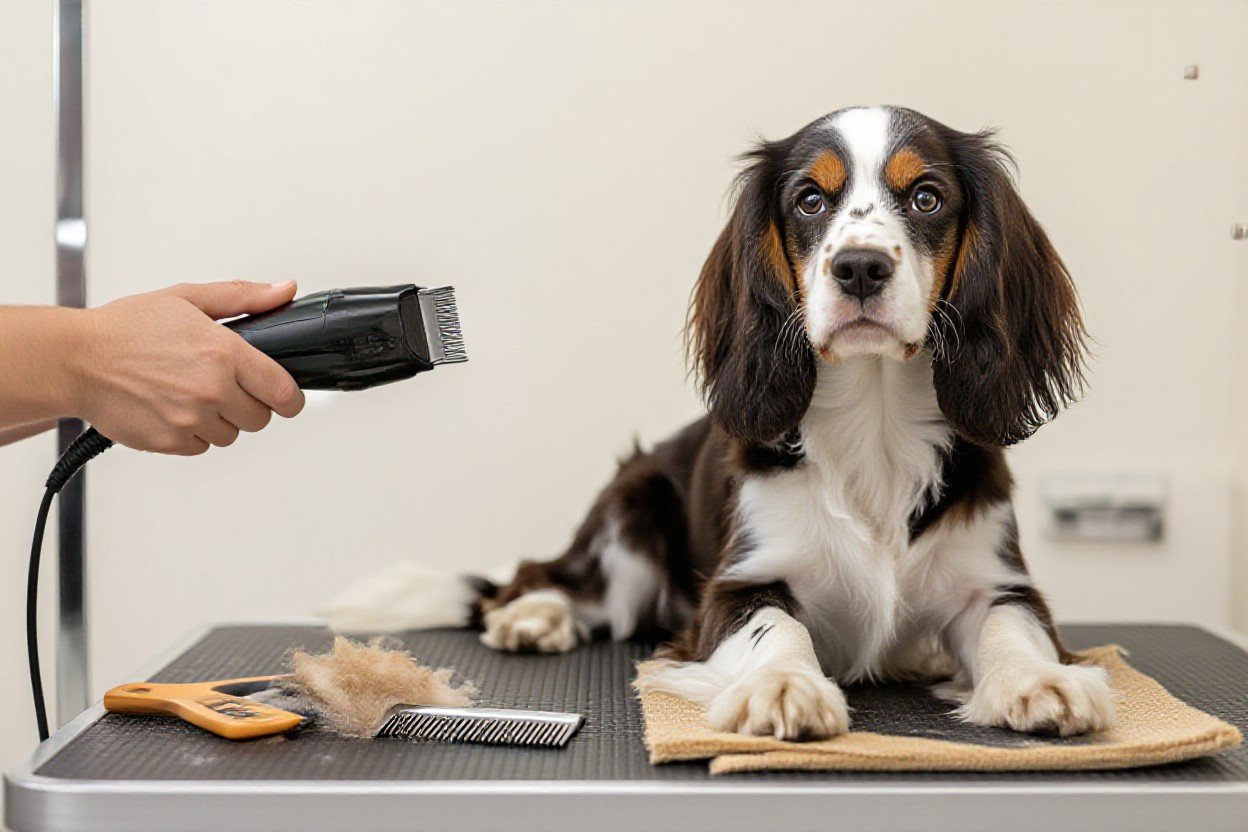
Clipping cuts the coat’s length and often removes protective guard hairs, changing texture and insulating properties; if you clip to under 6 mm you can expose skin and reduce natural oil distribution, increasing dryness and sun sensitivity. For practical aftercare and techniques see How to groom a Spaniel.
Effects on Coat Health
When you clip, growth cycles are interrupted: the undercoat can become denser while guard hairs thin, and in some dogs it takes 6-12 months for normal texture to return. You may see increased matting, irritation, or dry skin because oils no longer travel along long hairs, so plan more frequent bathing and conditioning if you choose clipping.
Changes in Appearance
Clipping flattens the natural silhouette: feathering on legs, ears and chest disappears and coat sheen can look duller; reducing a 5 cm coat to 5 mm transforms your dog’s outline and can make your dog appear younger or less breed-typical, which matters if you show or sell your dog.
For example, if you clip to 3-5 mm, ear fringes and leg feathering vanish and color contrast can soften because the undercoat shows through; many owners report the original wave and texture returning in roughly 6-9 months, but hand-stripping preserves the coat’s natural outline and sheen immediately, so choose based on whether you value show-type appearance or short-term manageability.
Which Cocker Spaniels Are Suitable for Hand Stripping
If your Cocker comes from field or show lines with a mix of coarse guard hairs and a dense undercoat, hand stripping will usually give the best texture and coat health; you’ll typically strip every 8-12 weeks and wait until the adult coat develops at about 8-12 months. Conversely, if your dog has a silky, profuse pet coat or you want low-maintenance care, clipping is often the more practical choice.
Breed Variations
English Cocker Spaniels and field-bred Cockers frequently present the harsher topcoat that responds well to stripping, while many American Cocker lines have finer, silkier hair that shows better when clipped; you’ll notice English Cockers often need hand work to preserve breed texture, and American pet lines usually prioritize ease, not hand-stripping.
Coat Characteristics
You should choose stripping when your dog’s coat has obvious coarse guard hairs, a defined undercoat, and a shedding pattern that benefits from removing dead guard hairs; if your Cocker’s fur is uniformly soft, extremely curly, or the skin is sensitive, hand stripping can cause irritation and clipping may be safer.
In practice, hand stripping targets the outer guard hairs so new ones grow in with correct texture-professionals often strip most suitable Cockers 3-6 times per year. You’ll look for hair that pulls with slight resistance (not whole follicles), avoid stripping inflamed skin, and focus on areas prone to matting like behind the ears and the chest; when done properly, stripping reduces matting and preserves the coat’s natural function and appearance.
Coat Texture & Colour Changes
Hand stripping preserves the coarse guard hairs that give a Cocker Spaniel its characteristic texture and often keeps colours more vibrant, while clipping removes those hairs and can make the coat noticeably softer and sometimes duller within 4-8 weeks. You may see deeper contrast retained in black-and-tan or liver dogs with stripping; conversely, heavy clipping can cause a paler, mattified look and increased shedding as the undercoat regenerates.
Impact of Clipping vs. Hand Stripping
When you clip, the coat’s structure changes quickly: guard hairs are cut and the new growth tends to be softer and fluffier, which can reduce dirt-shedding and water resistance. Hand stripping every 6-12 weeks retains the coat’s natural weather protection and colour saturation, but requires skill or professional help. For pets, clipping every 4-10 weeks is common, yet you trade texture and some protective function for convenience.
Seasonal Considerations
Spring and fall moults are when you’ll notice the biggest texture and colour shifts; stripping before a major shed removes dead hairs and helps the new coat come in properly, while clipping just before winter can leave your dog with less insulation. You should match your method to climate and lifestyle rather than habit-warm regions tolerate closer clips; cold, wet areas favour retaining guard hairs.
Plan hand stripping 4-6 weeks before peak shedding to clear old guard hairs and support healthier regrowth; this is especially helpful if you live where temperatures swing between extremes. If you’re in sub-zero winters, avoid full-body clipping in late autumn or risk reduced insulation and potential cold injury. Conversely, in hot, sunny areas keep some guard hairs to prevent sunburn and skin damage even if you clip for cooling.

Maintenance & Time Commitment
Grooming Frequency
You should brush your Cocker daily if clipped and especially if hand-stripped to prevent tangles; professional hand-stripping is typically needed every 8-12 weeks to remove dead guard hairs and maintain texture, while a tidy clip usually requires attention every 6-10 weeks. Sanitary and ear trims may be needed every 3-4 weeks. Matted hair can hide sores and lead to skin infection, so address mats promptly and schedule upkeep based on your dog’s activity level.
Time Needed for Each Method
A professional clip generally takes about 45-90 minutes; a pro hand-strip often runs 60-180 minutes depending on coat density and condition. Doing work at home typically requires more time: expect 90-180 minutes for a full clip and multiple sessions totaling 3-6+ hours for hand-stripping. Mats, coat length and a nervous dog increase time dramatically; plan accordingly and factor in breaks for your dog.
If you tackle hand-stripping at home, break it into short sessions of 10-30 minutes over several days to avoid stressing your dog; for example, a lightly coated Cocker may be hand-stripped in 2-3 one-hour sessions, whereas a dense, matted coat can require 4-8 sessions or a pro’s 2-3 hour appointment. Use a stripping knife, slicker and comb, and always factor in time for calming, treats and inspection for skin issues so the process stays safe and effective.
Health & Skin Considerations
Your choice of clipping or hand-stripping directly affects skin health: clipping very short removes protective guard hairs, increasing sunburn, flea bites, and moisture penetration, while hand-stripping preserves the coat’s natural barrier and oil balance. You should watch for mats that trap moisture and lead to hot spots or secondary bacterial infections; those can develop under damp mats within days. If your dog has a history of ear infections or dermatitis, factor that into the grooming method and interval.
Skin Sensitivity and Irritation
Many Cockers have thin, easily irritated skin in the belly, armpits and groin; if you clip too close or use dull blades you may cause razor burn, nicks, or folliculitis. You should opt for a gentler approach in these areas-longer clip lengths or careful hand-stripping-and monitor for redness, oozing, or excessive chewing, which often signal a problem that needs topical treatment or a vet check.
Allergies and Other Health Issues
Atopic dermatitis, food allergies and chronic otitis externa are common in Cockers and can be aggravated by grooming choices: clipping exposes inflamed skin to environmental allergens and UV, while maintained coat can reduce direct exposure. You should note patterns-seasonal itching, recurrent ear infections, or paw licking-as they guide whether grooming should be more protective (longer coat) or allow medicated topical access.
Diagnosis of allergic skin disease often requires an elimination diet for 8-12 weeks, intradermal testing, or serum allergy panels; treatment options include fatty acid supplementation, topical shampoos, antihistamines, ciclosporin, or allergen-specific immunotherapy that may take 6-12 months to show benefit. If you spot fever, spreading redness, foul odor, or systemic signs, treat as potentially serious-those suggest secondary pyoderma or deep infection needing immediate veterinary care.
Summing up
Summing up, you should weigh grooming goals, coat health and your willingness to learn; hand-stripping preserves texture and can benefit show or working Cockers, while clipping is quicker and often kinder for pet dogs-consult a groomer, try both, and follow advice like Hand strip or trim? to decide which suits your dog.
FAQ
Q: What is the difference between clipping and hand-stripping a Cocker Spaniel’s coat?
A: Clipping uses electric clippers or scissors to cut the coat short; it is quick and gives a uniform, softer regrowth because the guard hairs are cut rather than removed. Hand-stripping removes dead guard hairs by pulling them out by hand or with a stripping knife, preserving the coat’s natural texture, color and harshness. Hand-stripping encourages new, healthy guard hairs to grow in, helps prevent matting when combined with regular maintenance, and maintains the breed’s traditional look; clipping can make the coat feel softer and denser, alter color and texture over time, and may require more frequent trimming and brushing to manage mats and undercoat.
Q: What are the pros and cons of each method for pet owners versus show handlers?
A: Hand-stripping pros: preserves breed type and texture (important for show dogs), can improve coat health by removing dead hairs, and can reduce the tendency for tangles when maintained properly. Cons: time-consuming, usually more expensive, requires skill to avoid discomfort or skin injury, and needs ongoing maintenance with regular stripping sessions. Clipping pros: faster, less costly, comfortable for many dogs, easier for owners who want a tidy, low-maintenance pet trim. Cons: changes coat texture and color over time, can hide structural coat problems rather than correct them, and is not acceptable for many show classes. For pet-only dogs, clipping is often practical; for show dogs or owners who prioritize a traditional look and coat function, hand-stripping is usually preferred.
Q: How do I decide which method is right for my Cocker Spaniel?
A: Base the choice on your dog’s lifestyle, coat condition, budget, and access to a skilled groomer. If you plan to show or want the classic coat and have a groomer experienced in stripping, hand-stripping is the better match. If your priority is convenience, lower cost, or your dog hates having hair pulled, clipping is a valid option. If the dog has heavy matting, painful skin, very young or elderly age, or certain skin conditions, clipping may be the kinder short-term option before restoring the coat. Combine your decision with regular brushing, appropriate bathing, and consultation with a professional groomer or your veterinarian; try a transitional approach (strip a small area or test a shorter clip) to see how your dog tolerates the process and how the coat responds.