
Bathing your spaniel roughly every 4-8 weeks is a sensible starting point, though you should tailor this to your dog’s activity, coat oiliness and skin sensitivity; over-bathing can strip natural oils, leading to dry, irritated skin and secondary infections, while targeted baths after muddy outings and consistent brushing maintain a healthy coat and reduce matting. Check and gently clean ears regularly to prevent infections, and consult your vet if your spaniel has persistent itching, odor or skin lesions.
Key Takeaways:
- Bathe most spaniels every 4-8 weeks, adjusting for activity level, coat condition, and local climate; bathe immediately after heavy soiling or odors.
- Over-bathing strips natural oils and can cause dry, irritated skin, increased oil production, flaking, and higher risk of infections-less frequent, gentle baths protect skin health.
- Maintain cleanliness between baths with regular brushing, spot-cleaning, ear checks, and use of mild, dog-formulated shampoos; consult a vet for sensitive-skin or allergy concerns.
How Often Spaniels Really Need Bathing
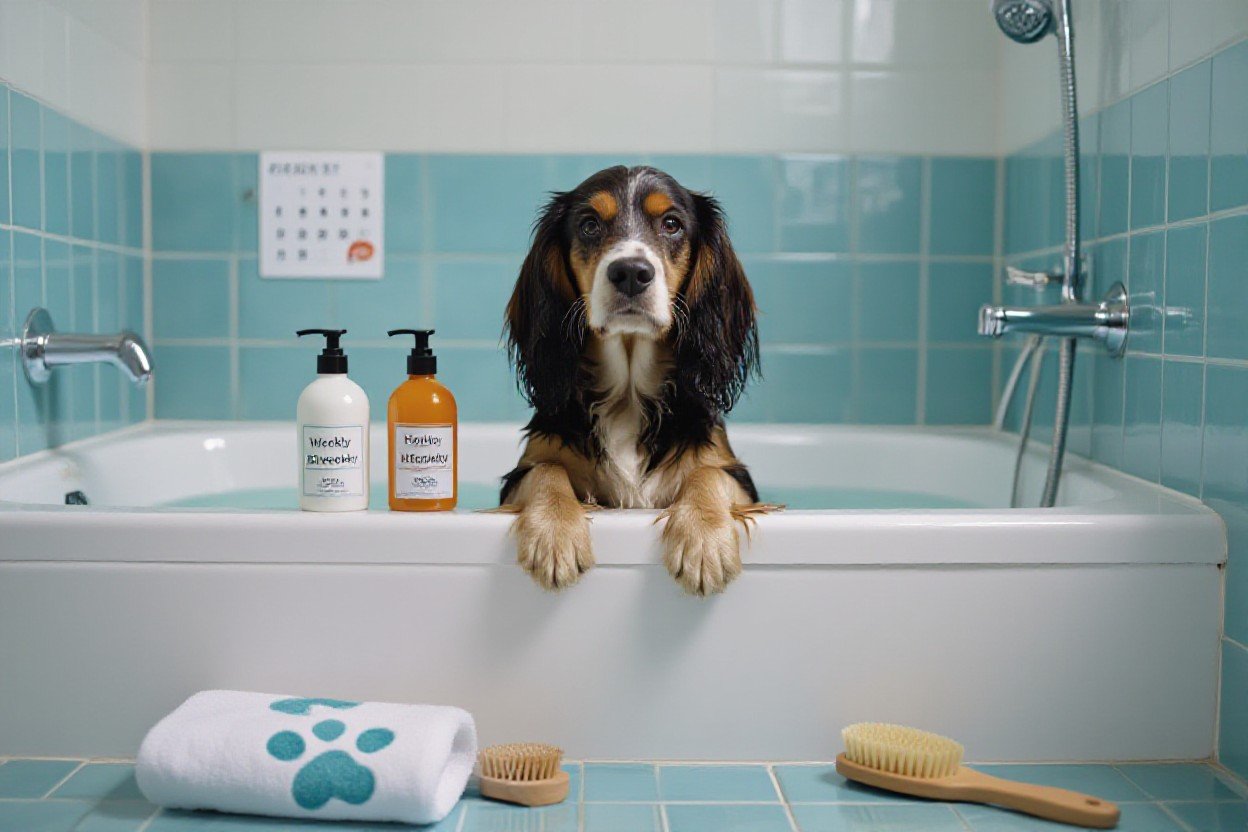
You should treat bathing as maintenance: aim for roughly 4-8 weeks for most household spaniels, shorten to 2-4 weeks when your dog swims, works, or gets heavily soiled. Over-bathing can strip natural oils and cause dry, flaky skin and increased itchiness, while too infrequent cleaning can hide parasites or infections-check coat texture, odor, and skin redness to decide rather than following a rigid schedule.
Recommended Bathing Frequency
For low-activity indoor spaniels bathe about 6-8 weeks; if your spaniel is a hunting or working dog, rinse after each wet or muddy outing and plan full baths every 2-4 weeks. Puppies and allergy-prone dogs may need medicated baths as often as weekly to biweekly during flare-ups, always using a pH-balanced dog shampoo and watching for irritation.
Seasonal Considerations
During spring and fall shedding you’ll likely rely more on brushing and less on bathing to preserve oils, whereas summer’s mud, ticks, and frequent swims often require more rinses; in humid climates reduce full baths to avoid fungal issues and instead perform spot-cleans and conditioner sprays to keep the coat healthy without stripping moisture.
For example, many handlers rinse spaniels after each hunt and give a full bath every 7-14 days during active seasons, using an oatmeal or hypoallergenic shampoo and a leave-in conditioner to restore oils. You must dry the coat thoroughly and pay special attention to the ear canals-keeping them dry dramatically lowers the risk of otitis externa-and adjust frequency if the skin becomes red, scaly, or excessively oily.
Factors That Affect Bath Frequency
Several elements change your spaniel’s ideal bath frequency: coat type, activity level, climate and skin sensitivity. If your dog swims or works weekly you may need baths closer to 2-4 weeks; low-activity indoor dogs can stretch to 8-12 weeks. Over-bathing strips natural oils and increases risk of skin irritation and secondary infections. Assume that you should tweak schedules based on odor, matting and visible skin problems.
- Coat type and matting
- Activity level (swimming, hunting, mud)
- Local climate and allergens
- Skin health and history of infections
- Grooming routine and ear care
Coat Type and Condition
Your spaniel’s coat type directly affects how often you bathe: double-coated breeds trap dirt but generally tolerate baths every 6-10 weeks, whereas heavily feathered Cockers need more spot-cleaning and more frequent drying to prevent mats. Wet, matted areas raise the chance of skin irritation, and over-bathing strips oils, so prioritize regular brushing, targeted cleaning of problem spots, and conditioning rather than excessive full baths.
Activity Level and Environment
If your spaniel runs in fields, swims, or works, you’ll need to bathe more often-typically every 2-6 weeks after muddy or salt-water exposure-to remove allergens, parasites, and stubborn odors. Urban dogs exposed to pollution may require gentler cleansing sooner, while sedentary indoor dogs can go longer. Always watch for skin irritation and use a moisturizing shampoo when reducing frequency.
For example, a working spaniel retrieving in brackish estuaries often needs rinses after each outing and full baths every 2-4 weeks to prevent ear infections and skin yeast; a couch-bound companion may need baths only every 8-12 weeks. If your dog frequents muddy trails, remove debris quickly and dry the undercoat thoroughly because trapped moisture can lead to secondary infections and matting that demand more aggressive grooming.
Cocker vs Springer Bathing Needs
You’ll find Cocker Spaniels generally need more frequent cleaning than Springers because their long, silky feathering traps dirt and oils; expect baths around every 4-6 weeks for pet cockers and as often as 3-4 weeks for show prep. Springers’ denser, water-resistant coat usually stretches to 6-8 weeks between full baths, though working springers often need rinses or spot washes after fieldwork. Always balance cleanliness with skin health to avoid dry, irritated skin.
Differences in Coat Maintenance
Cockers demand daily to every-other-day brushing to prevent mats in feathering and frequent trims around the ears and feet; professional grooming every 6-8 weeks helps. Springers benefit from regular de-shedding and a thorough weekly brush, with daily brushing during heavy shed seasons. Regular brushing reduces how often you must bathe, and consistent brushing preserves natural oils and coat function.
Specific Considerations for Each Breed
For cockers, focus on ear cleaning and gentle shampoos: their floppy ears raise the risk of otitis externa, so you should check weekly and avoid over-bathing. Springers need vigilant undercoat care-after muddy retrieves rinse quickly and use a conditioner occasionally to restore oils. If your dog is field-active, plan spot cleaning between full baths to maintain skin balance.
As an example, a pet Cocker that hikes twice weekly often benefits from baths every 4-5 weeks plus weekly ear checks and feather trims to prevent matting; a working Springer retrieving waterfowl may require a rinse or soap-free wash after each outing and a full bath every 2-4 weeks during heavy activity. Prioritize hydration, hypoallergenic shampoos, and avoid bathing more than once weekly to prevent stripped oils.
Best Shampoos for Spaniels
When dicking out a shampoo, you should favor formulations that protect your spaniel’s slightly acidic skin (around pH 6-7) and preserve natural oils; choose sulfate-free, pH-balanced products with moisturizing agents like colloidal oatmeal or ceramides. Avoid human shampoos – they can strip oils and trigger irritation. For regular maintenance, a mild shampoo used every 4-8 weeks paired with a light conditioner will keep the coat healthy without over-drying the skin.
Gentle Formulas for Sensitive Skin
If your spaniel shows redness, flaking, or frequent itching, select hypoallergenic, fragrance-free shampoos containing colloidal oatmeal or aloe vera and labeled pH-balanced for dogs. These ingredients soothe inflammation and retain moisture; studies show colloidal oatmeal reduces itching within days. Use gentle shampoos no more than every 2-4 weeks unless your veterinarian prescribes otherwise, and always rinse thoroughly to prevent residue-driven irritation.
Specialty Shampoos for Specific Issues
For infections or seborrhea, medicated shampoos with active ingredients like chlorhexidine (2%) for bacterial overgrowth, miconazole for yeast, or selenium sulfide (1%) for oily dermatitis are effective; typical regimens call for applications 2-3 times weekly for 2-4 weeks. Use these only under veterinary guidance because overuse can strip lipids and worsen skin health.
When using specialty products, apply the shampoo to wet coat and work lather into the skin, leaving it on for about 5-10 minutes before rinsing to maximize contact time; repeat 2-3 times weekly as directed and reassess at 2-4 weeks. Combine topical therapy with oral treatment when prescribed, perform a patch test on a small area first, and stop and consult your vet if the condition worsens, since improper use can cause dryness, contact dermatitis, or prolonged flares.
Bathing Puppies vs Adults
Younger spaniels have thinner, more sensitive skin and immature immune systems, so you should treat baths as therapeutic rather than routine: wait until the pup is at least 8 weeks old and vaccinated, use a mild, pH-balanced puppy shampoo, and limit full baths to situations when your pup is visibly soiled or smelling; over-bathing can strip oils and cause dryness, irritation, or secondary infections, so spot-cleaning and brushing often serve better for routine care.
Differences in Bathing Techniques
You should use lukewarm water, low-pressure spray, and a small amount of gentle shampoo for puppies, rinsing thoroughly within 2-3 minutes to avoid chilling; adults tolerate longer baths and conditioning, detangling and blow-drying at low heat to prevent matting in feathered coats. For both ages, protect ears with cotton (avoid deep insertion), keep soap out of eyes, and never use human shampoos-adult products can irritate puppy skin and cause flare-ups.
Frequency Adjustments for Age
Adjust intervals by combining age with lifestyle: many adult spaniels do well on a every 4-8 week schedule, while puppies often need baths only when dirty-roughly every 6-8 weeks at most once past 8 weeks-because you want to preserve natural oils; if your dog swims, rolls in mud, or has skin allergies, shorten or lengthen intervals accordingly, and consult your vet when changing routines to avoid dermatitis from over-bathing.
In practice, you can follow a simple timeline: keep puppies under 8 weeks to spot-cleans and emergency baths only, introduce monthly full baths from 8-16 weeks if needed, then move adults to a 4-8 week baseline-show dogs or very active spaniels may need baths every 2-4 weeks. Watch for signs like flaking, itching, or greasy coat; if your spaniel develops increased itching or persistent dryness after frequent baths, reduce frequency and seek veterinary advice to rule out allergic or microbial skin conditions.
Signs of Over-Bathing
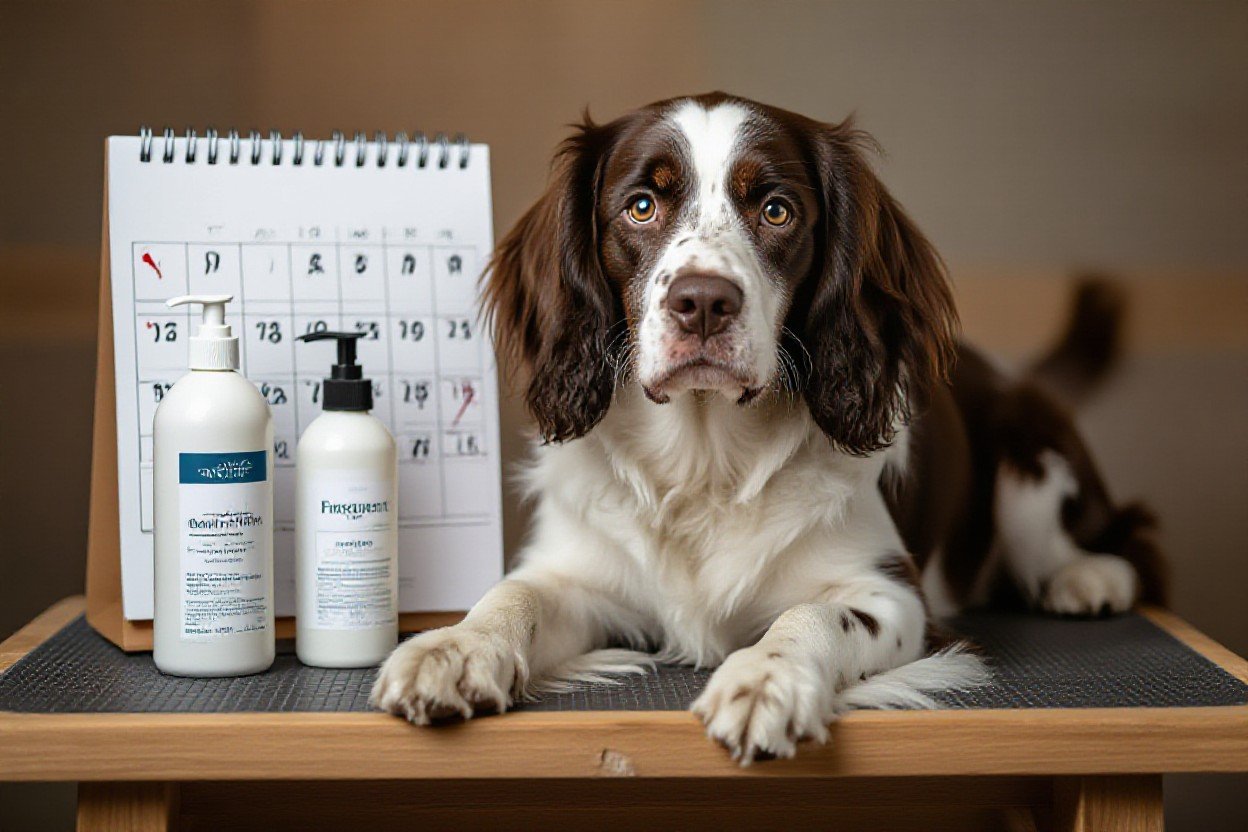
You’ll notice signs when cleaning shifts from helpful to harmful: dry, flaky skin, persistent itch, and a dull, brittle coat are common. If you bathe your spaniel weekly or more often than every two weeks, expect increased risk of disrupted skin barrier and rebound oiliness. Watch for repeated ear or skin infections and behavior changes like excessive licking; these often indicate you need to lengthen intervals or change products.
Skin Irritation Symptoms
You may see redness, scaliness, or tiny crusts between hairs, often starting where baths and shampoos contact the skin most – belly, groin, and armpits. Increased scratching and hotspots that won’t heal within 7-10 days suggest a compromised barrier. In severe cases you’ll find raw patches or secondary bacterial or yeast infections, which require veterinary treatment rather than more baths.
Effects on Coat Health
Frequent washing strips natural oils, flattening guard hairs and leaving the undercoat coarse and prone to tangles; shine fades and mats form faster, especially around ears and feathering. You’ll notice increased breakage at the tips and a loss of the typical spaniel bounce, and if you keep bathing too often the coat can take months to recover normal texture.
Specifically, the lipid layer that provides water repellency and gloss is delicate: repeated shampooing can remove surface lipids and oxidize hairs, so groomers often see a measurable loss of sheen after 4-8 consecutive weekly washes. To restore coat health you’ll need longer intervals, conditioning treatments, and sometimes a protein or lipid-enriched salon treatment to rebuild resilience.
Keeping a Spaniel Clean Between Baths
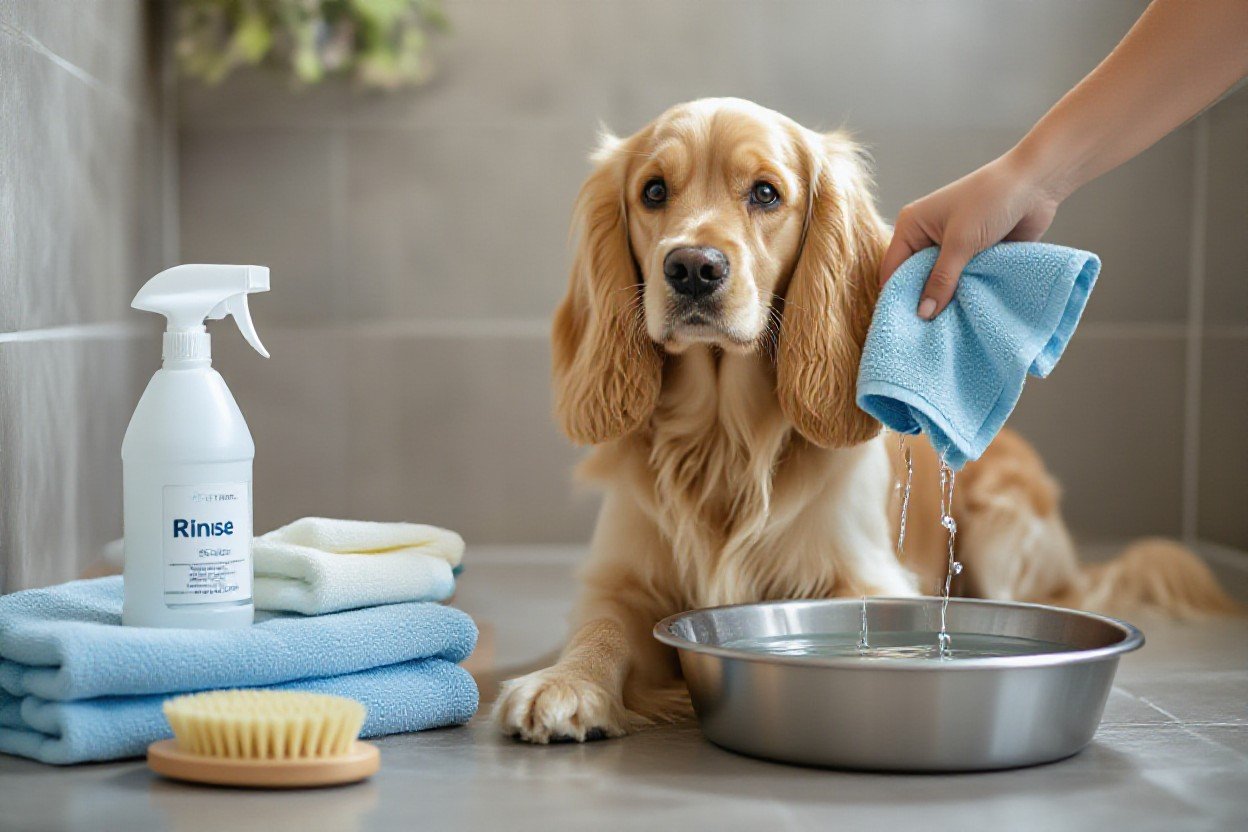
Between full shampoos you should rely on targeted upkeep: wipe paws after every walk, dry and air-fluff feathering, and trim hair behind ears and feet every 4-6 weeks to cut down on dirt. Use a damp microfiber cloth for spot stains and limit full baths-bathing more than once a week can strip natural oils, increasing itch and risk of dermatitis. Consistent light maintenance usually keeps your spaniel comfortable and extends the recommended 4-8 week bath interval.
Brushing Techniques
Use a slicker brush for tangles and a wide-tooth comb for feathering; for long-coated spaniels you should brush daily, while medium coats benefit from 3-4 sessions weekly. Work from the tips toward the skin, hold the hair at the root to avoid pulling, and aim for 10-15 minutes per session. Regular brushing not only prevents mats but also redistributes natural oils to support skin health between baths.
Wipes and Other Cleaning Alternatives
Choose dog-specific, fragrance-free wipes formulated for canine pH and avoid alcohol-based or human wipes. Use wipes after muddy walks or to clean facial grease; a waterless foam shampoo can tackle larger spots and is safe for weekly use when labeled for dogs. If your spaniel gets dirty twice a week, spot-cleaning with wipes can reduce the need for full baths. Avoid tea-tree and certain necessary oils, which may irritate or be toxic.
Select wipes containing soothing agents like colloidal oatmeal or aloe and mild cleansers; you can use antiseptic wipes with about 0.05% chlorhexidine for recurring hotspots, but they shouldn’t replace veterinary treatment. Always patch-test a new product on a 2 cm skin area and wait 24 hours for a reaction. Use wipes gently around the muzzle, avoid inserting into ear canals or eyes, carry 15-20 wipes for outings, and dispose of used wipes properly.
Final Words
Hence you should bathe your spaniel only as often as needed-typically every 4-8 weeks-adjusting for activity, coat oiliness, and skin sensitivity; over-bathing strips natural oils, dries and irritates the skin, and can increase itchiness and infection risk. You should use a gentle, dog-formulated shampoo, rely on brushing and spot-cleaning between baths, and consult your vet when your dog’s skin shows persistent problems.
FAQ
Q: How often should spaniels be bathed?
A: Most spaniels benefit from a bath every 4-8 weeks, but the right interval depends on coat type, activity level, and skin condition. Active outdoor dogs or spaniels that swim or roll in dirt may need baths nearer the 4-week mark or as-needed after messy outings. House dogs with minimal outdoor exposure often do well on a 6-8 week schedule. Use a gentle, pH-balanced dog shampoo and avoid more frequent full baths unless directed by a veterinarian.
Q: Can over-bathing harm my spaniel?
A: Yes. Frequent bathing strips the coat’s natural oils, which help protect the skin and maintain moisture balance; this can lead to dryness, itchiness, increased shedding, flaky skin, and greater susceptibility to irritation or infection. Overuse of harsh shampoos or hot water makes these problems worse. To protect skin health, limit full baths, use mild shampoos or conditioners formulated for dogs, and follow up with thorough rinsing and careful drying.
Q: How do I balance cleanliness with skin health and handle special situations?
A: Spot-cleaning muddy patches, using leave-in conditioners or waterless shampoos between full baths, and regular brushing to remove debris and distribute oils will reduce the need for frequent washing. Check ears, paws, and feathering for trapped dirt or moisture and dry those areas thoroughly to prevent infections. Puppies and dogs with allergies or dermatitis should follow a veterinarian-recommended bathing plan, which may include medicated shampoos and specific intervals. Watch for signs that a bath is needed-persistent odor, visible grease or grime, matting, or worsening scratching-and adjust the schedule accordingly.