
Spaniel grooming demands that you prioritize coat care, ear cleaning, and a bathing routine tailored to your dog’s coat type; focus on regular brushing and timely trims to prevent mats that can hide skin infections, clean ears weekly to prevent painful ear infections, and use gentle, breed-appropriate products to maintain skin and coat health-visit JustSpaniels.com for detailed, problem-specific procedures and professional trimming recommendations.
Key Takeaways:
- Comprehensive coat care: outlines breed-specific brushing, detangling, seasonal shedding management and targeted trimming to prevent mats, with links to detailed, problem-specific grooming articles.
- Ear health protocol: step-by-step cleaning routine, signs of infection or irritation to watch for, safe products and techniques to keep long, floppy ears dry and free of mats.
- Bathing & maintenance routine: guidance on appropriate bathing frequency, shampoo/conditioner selection, drying, plus ongoing hygiene tasks (nail trims, dental care) and when to seek professional grooming.
Why Spaniel Grooming Is So Important
Health Benefits of Regular Grooming
By brushing your spaniel 3-5 times weekly and bathing every 4-8 weeks you cut down on mats, remove loose hair, and lower flea and tick load. Inspect ears every 1-2 weeks to catch wax buildup or redness; untreated ear infections can become very painful and lead to hearing loss. Grooming also helps you spot lumps, hot spots, or parasites early so you can get veterinary care before problems escalate.
Enhancing Bonding Through Grooming
Short, calm grooming sessions of 10-15 minutes strengthen trust and reduce anxiety as you handle paws, ears, and muzzle; use gentle strokes, soft praise, and treats to make the experience positive. Over time your spaniel learns to accept trimming and ear checks, and consistent, gentle handling lowers stress-related behavior during vet visits.
When you start grooming as a routine-five-minute puppy sessions building to 15-20 minutes-you desensitize your dog to tools and touch. For clippers introduce them off, then on with rewards, and break sessions into focused areas (ears, feet, coat). Track body language: yawns, lip-licking, or stiffening are signs to pause. This gradual, reward-based approach yields a calmer dog and faster, safer grooming results.
Importance of Grooming for Spaniel Breeds
Spaniels have feathering on ears, chest, and legs that traps dirt and moisture, so you must trim and inspect those areas more often than with short-coated breeds. Schedule trims of feathering every 6-8 weeks and professional grooming every 8-12 weeks; neglected feathering can mat and hide skin infections, especially after field work or swims.
Cocker Spaniels often need daily ear checks and more frequent footpad trims because long drop ears and dense coats create a moist environment for bacteria and yeast. English Springers benefit from brushing 4-5 times weekly after hunting to prevent heavy matting, while American Water Spaniels require post-swim drying and lighter trimming. Tailor your routine-brushing frequency, targeted trims, and ear-cleaning intervals-to the specific spaniel type and activity level.
Understanding Spaniel Coat Types
Spaniels present a spectrum of coat constructions that affect how you manage grooming routines: from the long, flowing fur of some Cocker lines to tight, water-resistant coats on working spaniels. You should match tools and frequency to coat structure-use a slicker for feathering, a de-shedding tool for dense undercoats, and regular trimming around sanitary areas to prevent mats that can lead to skin infections. Inspect ears and feathered legs during every session because trapped debris increases risk of otitis externa.
- Spaniel coat categories – silky, wavy, dense undercoat, curly, feathered
- Brushing frequency – daily to weekly depending on length
- Bathing guidance – mild, pH-balanced shampoo, not more than once every 4-6 weeks unless needed
- Trimming targets – paw pads, sanitary areas, ear fringes for hygiene
| Silky/Flat | Long, smooth fur on heads and ears; requires daily brushing to prevent tangles and maintain sheen. |
| Wavy | Moderate curl along body; best managed with routine brushing and occasional trimming to control feathering. |
| Dense Undercoat | Thick insulating underlayer seen in working lines; needs seasonal de-shedding and airflow to avoid matting. |
| Curly/Tight | Tighter curls trap moisture and debris-dry thoroughly after baths and clip close where hygiene matters most. |
| Feathering Zones | Legs, ears and tail with longer fringes; trim and comb regularly to prevent mats and foreign-body retention. |
Different Coat Textures in Spaniels
You will find three common textures: fine-silky, wavy medium, and dense double coats; each demands different brush types and schedules. For example, a silky coat benefits from a pin brush to preserve shine while a double coat needs a rake to remove dead undercoat during spring and fall. Match tool selection to texture for best results.
Shedding Patterns and Seasonal Changes
Shedding varies by genetics and environment-most spaniels shed more in spring and autumn when they blow undercoats; expect a 2-4 week peak each season. Increase brushing frequency to every other day during those periods to reduce mats and household hair accumulation.
During heavy shedding you should use a de-shedding tool or undercoat rake and schedule more frequent baths with conditioner to loosen dead hair; avoid shaving double-coated spaniels as this can disrupt thermoregulation. Track weight and skin condition while you increase maintenance, since changes in shedding can indicate hormonal or nutritional issues that warrant veterinary evaluation, and address excessive, patchy shedding promptly to rule out parasites or allergies.
Identifying Common Coat Problems
Watch for matting, hot spots, flaky skin, discoloration and hair thinning; mats over joints and underarms are common and can hide infections. When you find a mat, assess whether it can be combed out or needs careful clipping-forced removal risks tearing healthy hair and damaging skin.
More severe signs include persistent scratching, odour, or localized hair loss-these often indicate parasites, fungal infections or allergic dermatitis and should be treated quickly. You should keep a grooming log noting onset, frequency and any topical products used; if topical treatments fail within 7-10 days or the area worsens, consult your veterinarian because untreated conditions can escalate to deep skin infection or systemic illness.
Any owners wanting step-by-step help can visit Cocker Spaniel Grooming and Bathing Tips.
Grooming Differences: Cocker vs Springer Spaniels
Coat Characteristics of Cocker Spaniels
Your Cocker typically has a silky, longer coat with heavy feathering on the chest, ears and legs; you’ll see tendrils 2-4 inches long in many adults. Because the coat is fine and dense, you should brush 3-5 times weekly to prevent mats, especially behind the ears and under the belly, which can trap moisture and lead to skin infections. Professional trimming every 6-8 weeks keeps the outline tidy and reduces mat hotspots.
Coat Characteristics of Springer Spaniels
Your Springer usually carries a denser, weather-resistant coat with moderate feathering along legs, chest and tail; overall length is often 1-3 inches depending on line. Seasonal shedding peaks in spring, so you should increase brushing to 2-4 times weekly and expect a professional trim every 8-12 weeks to manage undercoat and prevent heavy matting.
Field (working) Springers often have shorter, practical trims to 3-10 mm using clippers, while show lines require hand-stripping or scissoring to preserve texture and natural outline. If you maintain a show coat, plan on regular carding and occasional hand-stripping sessions; if you keep a working trim, using clipper blades #4-#10 and a comb finish speeds upkeep and reduces debris collection.
Grooming Techniques Tailored to Each Breed
For Cockers you should focus on daily feather care: use a slicker brush plus a metal comb to work from tips to skin, detangle with conditioner or a dematting tool for stubborn mats, and use thinning shears to blend. For Springers, concentrate on removing dead undercoat with a rake or stripping knife for show dogs, or clip body hair shorter for working dogs; aim to bathe both breeds every 4-6 weeks and check ears weekly for debris.
When confronting mats, work in sections: apply a conditioner spray, hold the base of the mat to protect skin, tease out tangles with a mat splitter or dematting tool, then finish with scissors or a comb-if a mat is inseparable, clip close to the mat rather than tugging. For Springers kept long, use carding followed by scissor shaping to preserve feather flow; for clipped Springers, finish with a comb and a slicker to remove loose undercoat and inspect skin for redness or hotspots.
Brushing & De-Matting Basics
Choosing the Right Brush for Your Spaniel
Match tools to coat: use a slicker brush for finishing and removing loose hair, a pin or bristle brush for long, silky feathering (English and American Cockers), and an undercoat rake for Springers or thicker undercoats. Keep a stainless-steel comb (7-10 teeth per inch) for checking tangles. You’ll typically need 2-3 tools per dog; swap tools when brushing different zones-feathers, body, legs-to prevent damage and speed the session.
Techniques for Effective Brushing
Work in 2-3 inch sections, starting at the tips and gently working toward the skin to detangle without pulling; spend 5-10 short strokes per section and hold the hair base to protect the skin. Focus on high-mat zones-behind ears, armpits, tail-and spend 10-15 minutes for a full brush on average. Use a leave-in detangler for stubborn areas and praise your spaniel to keep sessions calm.
When you encounter a tight tangle, first apply a water-based detangler or conditioning spray and let it sit 30-60 seconds, then use a mat splitter or rake to break the mat from the outer layers inward. For feathering, angle the brush at 45° and stroke in the hair’s natural lay to preserve length and shine; repeat weekly if your dog swims or hikes frequently. If skin reddens, the mat pulls or the dog yelps, stop and consult a professional-skin damage can happen quickly.
De-Matting Tools and Methods
Carry a dematting rake, a mat splitter or comb, and a pair of blunt-tipped scissors as a last resort. Work small areas, hold the mat at the base to reduce tension on the skin, and use lubricant or detangler to ease teeth through fibres. If a mat is matted to the skin or covers an area larger than a quarter, escalate to professional grooming to avoid injury.
For stubborn mats, alternate between a rake (to loosen) and a fine-tooth comb (to check progress), spending 5-20 minutes per mat depending on tightness. You can also gently tease layers apart with your fingers before tools to reduce tool stress. In severe cases, a short clipper pass around the mat’s perimeter can relieve pressure without shaving the entire coat; still, never cut mats flush against skin and seek a groomer if your efforts cause bleeding, raw skin, or persistent pain.
Bathing Frequency & Products
How Often Should You Bathe Your Spaniel?
You should generally bathe your spaniel every 4-6 weeks, but if your dog swims, hunts, or gets muddy you may need baths every 2-3 weeks; if your spaniel has sensitive skin or chronic dermatitis, follow your vet’s schedule. For puppies under 12 weeks use minimal bathing and sponge-clean as needed. The most common maintenance rhythm for pet spaniels is monthly bathing to balance coat health and natural oils.
| Situation | Recommended Frequency |
|---|---|
| Typical pet | Every 4-6 weeks |
| Active/outdoor | Every 2-4 weeks |
| Skin conditions | Veterinary plan; often weekly with medicated shampoo |
| Show or long-feathered | Every 6-8 weeks with conditioning |
Recommended Shampoos and Conditioners
Choose a pH-balanced dog shampoo and a lightweight conditioner for spaniels; use oatmeal or aloe formulas for itch-prone skin and reserve medicated shampoos for vet-diagnosed infections. Avoid human products and strong fragrances that cause irritation. The right base formula prevents drying and helps control odor without stripping natural oils.
- pH-balanced shampoo for everyday use
- oatmeal or aloe for sensitive skin
- medicated shampoo for bacterial/yeast issues (vet-prescribed)
- conditioner or detangler for long feathering
| Product Type | Best Use |
|---|---|
| pH-balanced | Routine maintenance, prevents dryness |
| Oatmeal/aloe | Soothes itch and mild irritation |
| Medicated | Treats bacterial or yeast infections (vet) |
| Conditioner/detangler | Reduces tangles in feathering |
You should patch-test new products on a small area and monitor for redness or increased scratching; if you see persistent redness, swelling, or foul odor stop use and consult your vet. The right product routine reduces flare-ups and keeps your spaniel’s coat glossy.
Bathing Techniques for Different Coat Types
For single-coated spaniels use lukewarm water and a quick lather, rinsing thoroughly; for double-coated breeds avoid over-conditioning the undercoat and use a rake brush when damp to remove dead hair; for long-feathered types apply conditioner and detangle gently from tips to roots to prevent matting. Always protect ears from water to reduce infection risk. The goal is efficient cleaning without disrupting natural oils.
- water temperature: warm, not hot
- brush: pre-bath to remove loose hair and mats
- rinse: thorough-no residue
- drying: towel then low-heat dryer for thick coats
| Coat Type | Technique |
|---|---|
| Single-coated | Quick shampoo, full rinse, light towel dry |
| Double-coated | Minimal conditioner, rake when damp, blow-dry to lift undercoat |
| Silky/feathered | Condition, detangle from ends, comb through |
| Curly/wavy | Use moisturizing shampoo, scrunch while drying to define curls |
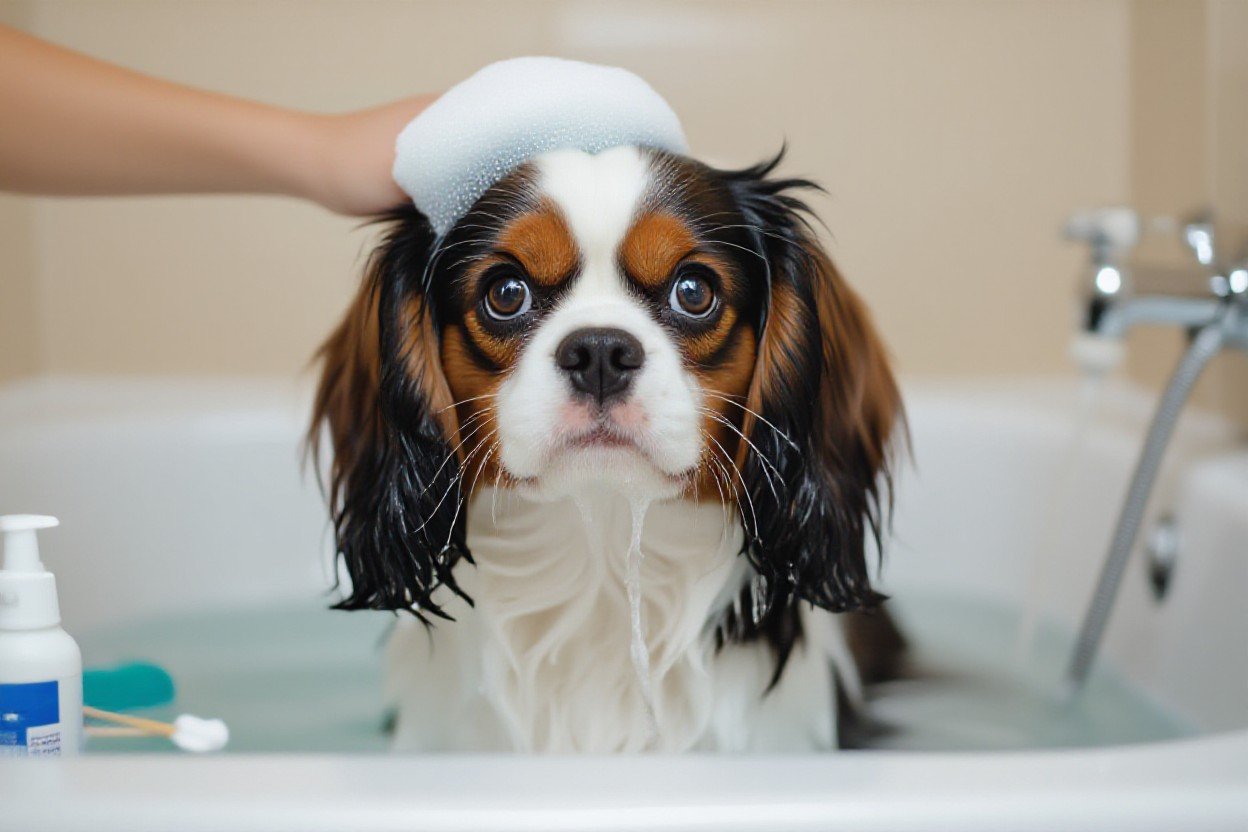
Start by thoroughly brushing to prevent mats, lather from neck to tail avoiding ear canals, and rinse until water runs clear; finish by drying while brushing to set the coat and check skin for issues. The step-by-step approach minimizes matting and skin irritation.
Ear Care for Spaniels
Importance of Ear Health in Spaniels
Your spaniel’s long, floppy ears and dense ear hair trap moisture and debris, raising infection risk; breeds like Cocker and Springer are affected more often than many others. Inspect ears at least once a week and clean on a schedule-typically every 2-4 weeks or after swimming-to prevent buildup. Untreated ear disease can cause chronic pain, hearing loss, and recurring vet visits, so early attention pays off.
Cleaning Techniques and Tools
Use a veterinarian-approved ear cleaner, cotton balls or gauze, and avoid cotton swabs or anything inserted deep into the canal. For routine maintenance, apply cleaner, massage the ear base 20-30 seconds, let your dog shake, then gently wipe away debris. Schedule hair thinning or plucking with a professional every 4-8 weeks if your spaniel produces excess cerumen.
Measure about 3-5 mL of cleaner per ear for small to medium spaniels and up to 10 mL for large ones; warm the bottle in your hands to reduce discomfort. If you encounter thick dark discharge, bleeding, or intense odor, stop home cleaning and consult your vet-these signs often need topical prescription drops or cytology. Maintain a calm restraint, reward your dog afterward, and note frequency: heavy waxers may need cleaning 1-2 times weekly for several weeks, then return to maintenance.
Signs of Ear Infections and How to Address Them
Watch for head shaking, repeated ear scratching, redness, swelling, brown/black discharge, foul odor, or a head tilt. For mild wax or activity-related debris, a targeted cleaning often suffices. If your spaniel shows pain, bloody discharge, or balance changes, seek veterinary care within 24-48 hours rather than continuing home treatments.
At the clinic the vet will perform otoscopy and cytology; typical treatment is medicated drops for 7-14 days, sometimes combined with oral antibiotics if the middle ear is involved or infection is severe. Recurrent cases may require culture and sensitivity testing and a change in maintenance routine-drying after swims, scheduled cleanings, and professional hair management cut recurrence rates significantly.
Trimming, Clipping & Coat Maintenance
When and How to Trim Your Spaniel’s Coat
Plan to trim your spaniel every 6-8 weeks for a pet dog and every 4-6 weeks for very active or field-working dogs; start by brushing thoroughly to remove mats, then do a sanitary and paw trim before shaping feathers and ear fringes. Use scissors and thinning shears to blend lines and finish with clippers for flat areas. If you find raw skin or persistent hotspots, stop trimming and consult your vet. Avoid shaving to the skin unless directed.
Clipping Techniques for Different Areas
For ears, trim the fringe so it falls just past the ear edge and thin excess hair to promote airflow; for feet and pads, clip hair between toes to the pad surface to prevent slipping; for the tail, taper the underside while keeping a natural plume; for chest and belly, shorten hair but leave enough length to protect skin. Use guards or set clippers to leave 3-12 mm depending on the area and blend with thinning shears.
Work with short, controlled strokes in the direction of hair growth and keep the coat slightly taut to avoid nicks; check clipper blades often and lubricate every 10-15 minutes during a full groom, and let blades cool or swap spares to prevent heat burns. Carry a blunt-tipped curved scissor for paw and sanitary work and a 20-30-tooth thinning shear to soften harsh lines-if you nick skin, apply styptic powder and monitor for infection.
Maintaining a Healthy and Stylish Appearance
Brush your spaniel 3-5 times weekly for feathering and at least twice weekly for shorter coats, bathe every 4-8 weeks depending on activity level, and schedule professional grooming every 6-12 weeks to keep shape consistent; regularly clean and dry ears after swims to prevent infections. Consistent trimming and brushing reduces mats and lowers the risk of skin irritation.
Track grooming tasks in a simple log-dates for trims, baths, ear checks-and adjust frequency seasonally (shorter trims in summer, longer coats in winter). Feed a balanced diet with omega-3s to support coat sheen, replace clipper blades when dull, and have contingency tools (extra blades, styptic powder). If you spot recurring mats, hot spots, or unusual coat loss, escalate to a professional groomer or your vet for targeted care.
Grooming Tools Every Spaniel Owner Needs
Essential Brushes and Combs
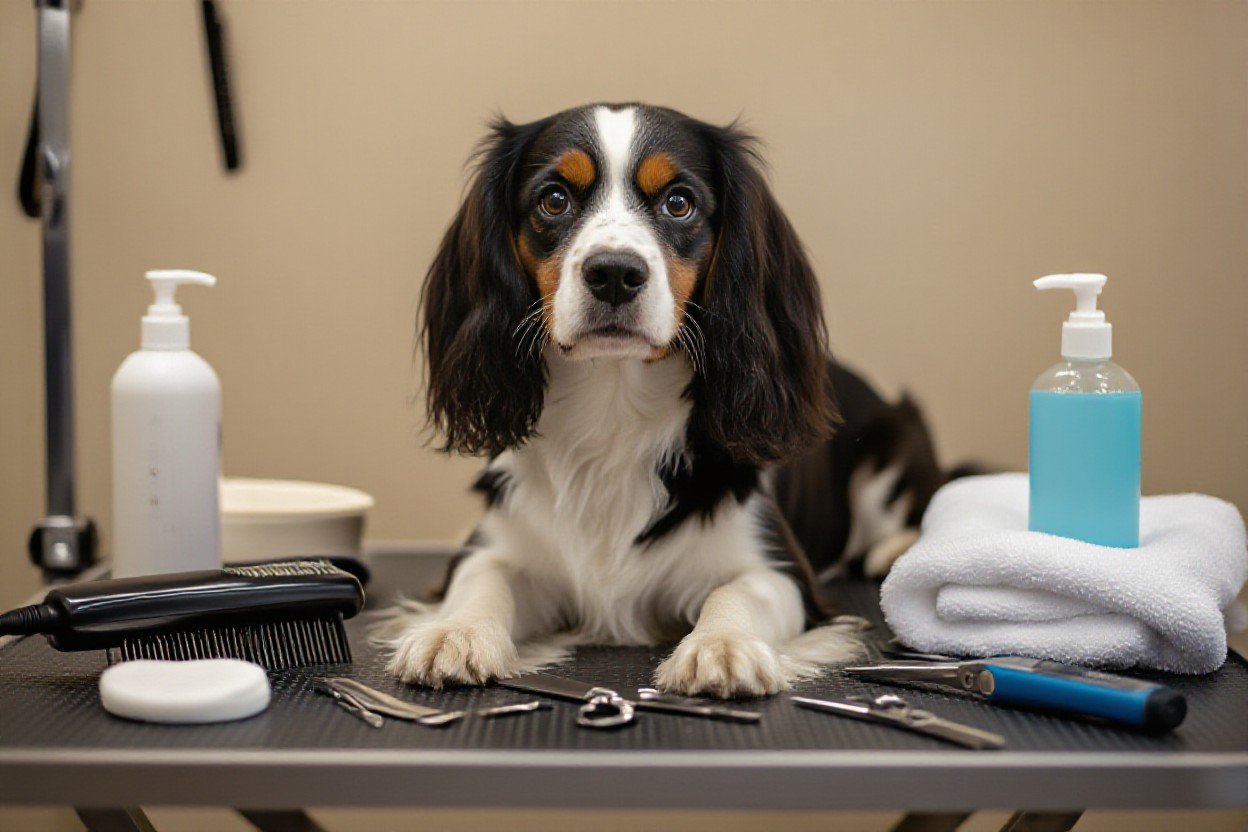
You’ll want a small toolkit: a slicker brush for mats and tangles, a pin brush to lift feathering, a bristle brush for finish, and a stainless-steel comb for checking skin and pulling out debris; add a de-shedding rake if your spaniel has a dense undercoat. Brush 3-4 times weekly and daily during heavy shedding to prevent painful mats and skin irritation.
Clippers and Trimming Scissors
Choose a low-vibration, quiet cordless clipper and a few blade sizes (common choices: #10 for close sanitary trims and #7F for body/feather blending). Pair these with curved and straight trimming scissors for face, feet and feather work; quality tools make at-home trims safer and help reduce infection risk around ears and sanitary areas.
Use blades intentionally: employ a #10 blade for sanitary and paw pads, a #7F or #5F for feather blending, and guards for longer finishes. Oil blades every 5-10 minutes of continuous use and keep a small cooling spray or manicuring break to avoid heat burns; practice on a less visible area first and always pull hair taut to avoid nicking skin.
Bathing Supplies and Ear Cleaning Products
Stock a pH-balanced dog shampoo, conditioner for long feathering, a hypoallergenic or medicated option if your spaniel has dermatitis, plus ear cleaner with ceruminolytic action and a mild antiseptic (e.g., chlorhexidine). Include cotton balls, ear wipes, and a bulb syringe; bathe typically every 4-6 weeks, and always dry ears thoroughly to lower infection risk.
When deciding on products, pick an oatmeal or hypoallergenic shampoo for sensitive skin and a silicone-based conditioner to protect feather tips. For ears, apply cleaner into the canal, gently massage the base for 20-30 seconds, then let your dog shake and wipe away debris-never insert deep swabs. If you see persistent odor, yellow/green discharge, or pain, stop home treatment and consult your vet.
When to Use a Professional Groomer
Signs You Should Consider Professional Grooming
If you struggle with persistent mats that you can’t slide a comb through, see redness, foul odor, or constant scratching around the ears, or notice your spaniel’s nails touching the ground and altering gait, you should consider professional help. Severe matting can cause skin sores and untreated ear issues often progress to otitis externa; a groomer can safely address heavy shedding, hygiene trims, and painful nails you can’t manage at home.
What to Expect from a Professional Grooming Service
A full professional groom typically includes a bath with breed-appropriate shampoo, conditioning, blow-dry, thorough brushing/de-matting, ear cleaning, nail trim, sanitary trim, and coat trimming or scissoring to breed standards; sessions commonly last 45-90 minutes for routine grooms and up to 2-3 hours for heavy mat removal, with prices often between $45-$120 depending on location and services.
During the appointment the groomer should perform a brief health check-looking for skin lesions, inflamed ears, or parasites-and flag anything needing veterinary attention. Expect professionals to use high-velocity dryers, dematting tools, and blunt-tipped clippers, plus record notes on temperament and coat history so future grooms improve. For severe mats they may recommend sedation or a vet exam; ethical shops will refuse risky handling and refer you if needed.
How to Choose the Right Groomer for Your Spaniel
Pick a groomer with documented experience on spaniels, clear pricing and service lists, and positive local reviews; ask for before/after photos of spaniels they’ve handled, confirm they carry liability insurance, and verify vaccination requirements and drop-off policies to protect your dog and others.
When vetting options, ask specific questions: “How many spaniels do you groom weekly?”, “Can you demat without shaving when possible?”, and “What ear-cleaning and de-shedding methods do you use?” Visit the shop to check cleanliness, watch handling techniques, and request references. Prioritize groomers who offer trial sessions (30-60 minutes) for anxious dogs, who document skin/ear findings, and who will refer to a vet if they see infection-avoid anyone evasive about methods, unwilling to show credentials, or with frequent negative handling reports.
Dealing with Common Grooming Challenges
Managing Sensitive Areas During Grooming
When you work on ears, paws, eyes and the underbelly, move deliberately and in short bursts: lift ear flaps to inspect and clean with a vet-approved solution, trim hair around pads every 4-6 weeks, and use blunt-tipped scissors or a comb-and-scissor technique to avoid nicks. Apply gentle restraint with a towel if needed, keep sessions under 10 minutes for anxious dogs, and stop immediately if you see blood, intense pain, or sudden aggression-those are signs to seek professional help.
Addressing Anxiety and Fear in Spaniels
Start with tiny steps: touch the tools, then touch the dog, then brief grooming for 30-60 seconds, rewarding every calm response with high-value treats. Watch for avoidance, trembling, or excessive panting as escalation signs, and reduce intensity if they appear. Use calming aids like pheromone diffusers or a snug thundershirt, and consult your vet if anxiety causes aggression or self-injury.
Use a structured desensitization plan: begin with 1-2 minute handling sessions, 2-3 times daily for a week, then introduce the brush for 30 seconds and gradually increase by 10-15% each session. Pair every step with a powerful reward (chicken, cheese) on a variable schedule to strengthen positive association. Track progress: if your spaniel stays calm for three consecutive sessions at a step, advance; if not, reduce intensity. For moderate-to-severe cases, discuss short-term veterinary anxiolytics (e.g., gabapentin or trazodone) and a certified behaviorist to create a customized program.
Ways to Make Grooming a Positive Experience
Turn grooming into a reward-rich routine: offer high-value treats every few strokes, keep sessions under 5 minutes initially, and end on a positive note with play or a walk. Use a non-slip mat, a grooming arm only when necessary, and praise specific behaviors-this consistency builds trust and reduces resistance.
Create a grooming kit and ritual: greet the dog with a calm tone, give a short treat before you touch sensitive spots, and use clicker training to mark calm behavior. Progress to full 10-15 minute grooming twice weekly once your dog tolerates short sessions; alternate brushing and handling days so grooming never feels overwhelming. Incorporate enrichment-Kongs or chew toys-post-groom to reinforce that sessions predict something good. Over 3-6 weeks most spaniels show measurable improvement when you combine short, frequent sessions with high-value rewards and clear, incremental goals.
Seasonal Grooming Tips
Adjust your routine seasonally: increase brushing and inspection when the coat changes, schedule baths every 4-8 weeks depending on activity, and treat ears after swims to prevent infection. Use a slicker brush for surface tangles and an undercoat rake for heavy undercoats; aim for 10-15 minutes daily during peak shedding and 2-3 times weekly otherwise. If you need a practical timetable, see this Maintenance schedule for a healthy and happy cocker …
- spaniel grooming
- coat care
- ear cleaning
- bathing routines
- brushing
- trimming
- hygiene
Grooming Your Spaniel in Winter
Prevent dry skin and salt irritation by rinsing paws after walks and applying a pet-safe balm; bathe less frequently-about every 6-8 weeks-with a moisturizing shampoo, and dry ears thoroughly to avoid ear infections. Check paw pads for cracks and watch ears and extremities for signs of frostbite after exposure to cold or icy wind.
Grooming Considerations for Spring and Summer
Increase brushing to daily as shedding spikes and add flea/tick checks after outdoor time; trim feathering at the legs and belly to reduce matting and help cooling. Use sunscreen on sparsely haired areas and choose tear-free rinses after swims to keep ears healthy.
Plan a lighter trim every 8-12 weeks during warmer months, and if your spaniel swims often, towel-dry and use a cotton ear plug or thorough ear-drying technique-untreated moisture can lead to infections within 48-72 hours. Also, switch to a flea/tick prevention protocol validated by your vet and keep an eye out for hot spots where mats trap moisture.
Preparing for Shedding Season
Start ramping up grooming 2-4 weeks before heavy shed: switch to daily brushing sessions of 10-15 minutes, add an undercoat rake once weekly, and schedule a professional de-shed every 6-8 weeks if needed to control loose undercoat and prevent mats.
Vacuum living areas daily during peak shed, introduce an omega-3 supplement after vet approval to support skin health, and treat mats promptly-left unmanaged they can cause skin irritation and localized infections; a short, regular regimen prevents those issues and reduces grooming time overall.
The right seasonal routine-consistent brushing, timely trims, attentive ear care, and a clear maintenance schedule-keeps your spaniel comfortable year-round.
Special Considerations for Senior Spaniels
Adjusting Grooming Routines for Aging Spaniels
You should shorten sessions to 10-20 minutes and split grooming into multiple, gentle visits to reduce stress on joints; many spaniels over 7-9 years benefit from daily short brushing with a soft-bristle brush to prevent mats, nail trims every 3-4 weeks, and baths only every 4-6 weeks using a moisturizing shampoo to avoid drying fragile skin. Use non-slip mats, ramps, and lift supports so you don’t aggravate arthritis during handling.
Identifying Age-Related Coat Changes
Expect gradual graying around the muzzle and eyes, increased shedding, and slower regrowth; thicker undercoats may thin while guard hairs break, and you might see more tangles around the ears and feathering. Watch for sudden patchy hair loss, scaly skin, or persistent mats, since those are signs that need faster intervention to prevent secondary skin infections.
In practice, coat thinning often appears between ages 7 and 10 and can be linked to endocrine issues (like hypothyroidism) or nutritional deficits. You can track changes by photographing a standard view every 3 months and noting texture, density, and sheen. If you spot pustules, raw areas, or a hairless patch larger than a coin, document size and growth rate and consult your veterinarian for skin scraping, bloodwork, or a dietary plan that may include omega-3 supplementation.
Health Monitoring During Grooming
Use grooming sessions as mini checkups: inspect for lumps, hot/swollen joints, ear odor or discharge, discolored gums, and dental tartar. Check mobility by watching rise and gait; note any limping or stiffness after handling. If you find a firm lump over 1 cm, red/inflamed ear canal, persistent limping, or pale gums, schedule a vet visit-early detection of tumors, infections, or anemia improves outcomes dramatically.
DIY Grooming vs. Visiting a Professional
Pros and Cons of DIY Grooming
You can save money and build trust by grooming at home, handling routine brushing, spot de-matting, and weekly ear checks; many owners cut costs by 30-70% annually versus salon visits. However, you must accept a learning curve: improper clipping or nail quicking can cause bleeding or infection, and severe mats often require professional tools or sedation. Use the table below to weigh common trade-offs for spaniel coat types and ear care.
DIY Grooming – Pros vs Cons
| Pros | Cons |
|---|---|
| Save money on routine care | Time investment for learning |
| Stronger bond through handling | Risk of cuts or quicked nails |
| Immediate attention to small issues | Difficulty removing deep mats |
| Control over products used | May miss subtle skin or ear infections |
| Flexible scheduling at home | Requires purchase of quality tools |
| Good for regular brushing (3-5x/week) | Challenging with anxious or wriggly dogs |
| Personalized trimming style | Uneven trims without experience |
| Lower stress for some spaniels | Hard to perform thorough sanitary trims |
| Learn to monitor long-term changes | May overlook ear canal problems |
| Convenient for senior spaniels (short sessions) | Severe mats/infections need pros |
Building Your Grooming Skills at Home
You should start with short, consistent sessions-10-20 minutes-practicing brushing, gentle ear inspections, and nail filing; video demos or a single professional lesson can cut your learning time by weeks. Focus first on low-risk tasks, reward calmly, and track progress with photos every 2-4 weeks so you can spot coat or skin changes early.
Progress by mastering one tool at a time: a slicker brush for tangles, a pin brush for finishing, and a grinder for nails rather than scissors; use a veterinarian-approved ear solution and train your spaniel to accept gentle swabs weekly. If you hit persistent mats or anxious behavior, arrange a pro session to learn clipping angles and safe restraint techniques-then replicate those methods at home.
When to Rely on the Experts
You should book a professional groomer when mats are so tight you can’t slide a comb under them, when you see recurrent ear infections, or when your spaniel needs full-body clipping with clippers you don’t own. Many pet spaniels benefit from professional trims every 6-12 weeks; choose a groomer experienced with spaniel coat types and ear anatomy.
Expect professionals to handle heavy dematting, medicated baths, anal gland expression, and safe sedation if required; ask about their experience with spaniels and request before/after photos or references. Prioritize a groomer who communicates about skin lesions, persistent odor, or blood from grooming, and coordinate with your vet for any suspected infections or surgical needs.
Conclusion
Considering all points, you now have a clear, authoritative roadmap for maintaining your spaniel’s coat, ears, bathing, brushing, trimming and hygiene; this JustSpaniels.com hub helps you follow routines, spot and address specific issues, and link to detailed guides so your spaniel stays healthy, comfortable and well-groomed with the consistent care you provide.
FAQ
Q: How often should I bathe and brush my spaniel to keep its coat healthy?
A: Frequency depends on activity level and coat type: most spaniels benefit from brushing every day to every other day to prevent tangles and mats, especially around ears, feathering, and behind the legs. Bathing typically every 4-8 weeks is sufficient for general maintenance; shorten to as-needed after muddy outings or strong odors. Before bathing, detangle with a slicker brush and wide-tooth comb; apply a dog-formulated shampoo and a conditioner on heavy feathering to keep hair supple. Rinse thoroughly and dry fully-use towels then a low-heat blow dryer or a groomer’s dryer to avoid damp skin that can encourage infections. Professional grooming visits every 6-10 weeks are common for trimming, thinning, and sanitary care. Watch for skin irritation, persistent odor, or excessive shedding-these warrant a vet or pro groomer consultation.
Q: What is the safest method to clean my spaniel’s ears, and how often should I do it?
A: Clean ears weekly to twice weekly for dogs with floppy ears or a history of wax buildup; less often for dogs with very dry, clean ears. Use a veterinarian-recommended ear cleaner, cotton balls, and treats. Steps: have the dog steady, lift the ear flap, squirt a small amount of cleaner into the canal, gently massage the base for 20-30 seconds, let the dog shake its head, then wipe the entrance and inner flap with a cotton ball. Do not insert cotton swabs or probe deep into the canal. Dry the outer canal after cleaning using a dry cotton ball or a low-heat dryer setting. Signs of infection-foul odor, dark discharge, redness, swelling, pain, or frequent head shaking-require a veterinary exam. For dogs that swim or bathe often, gently dry ears after wet activities and consider shorter cleaning intervals to prevent infections.
Q: How can I safely trim my spaniel’s coat, remove mats, and maintain hygiene areas at home?
A: Prepare a calm area, use appropriate tools (slicker brush, metal comb, dematting tool, blunt-tipped scissors, clippers with guard combs) and take short sessions with rewards. For mats: hold the hair close to the skin to avoid tugging, try working a mat apart with fingers and a dematting tool; if a mat lies flat against skin or is painful, carefully cut it out with blunt-tipped scissors or clip it close to the skin-stop and seek professional help if the dog resists or the mat is extensive. For sanitary trims: lift the tail and trim the hair around the anus and vulva to prevent fecal buildup; trim hair between paw pads and around toes to reduce slipping and debris collection. Use clippers on low speed for large areas and scissors for detail; avoid shaving the entire coat unless directed by a groomer or vet. Maintain nails (every 4-6 weeks) and brush teeth regularly; have a groomer or vet express anal glands if needed. If you encounter heavy matting, bleeding, severe skin irritation, or the dog becomes highly stressed, request a professional groomer or veterinary appointment rather than forcing more work at home.