
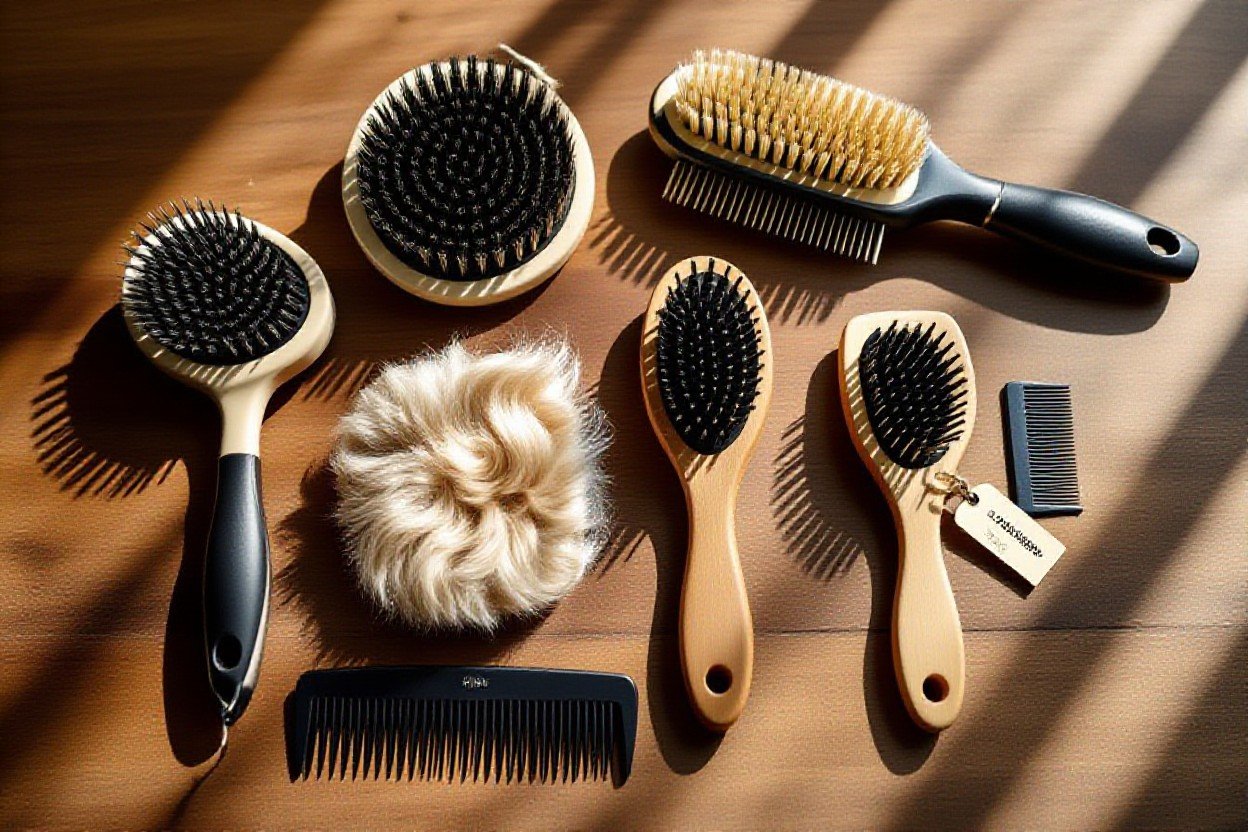
Brushes are your first defense for a Spaniel’s silky coat; choose a gentle slicker brush for tangles, a pin brush for fluff and a dematting tool for stubborn mats, and brush regularly to prevent painful mats and skin irritation while also reducing shedding and improving coat health. Use short, calm strokes, check your dog’s skin, and pick ergonomic, high-quality tools so you can groom confidently and spot issues early.
Key Takeaways:
- Pick the right tools: a fine-pin slicker for tangles and mats, a bristle or finishing brush for shine, and an undercoat rake or de-matting tool for heavy feathering-choose sizes suited to your spaniel’s coat length.
- Prioritize quality and comfort: stainless or rounded pins, a cushioned pad, an ergonomic, non-slip handle and washable construction extend tool life and reduce skin irritation.
- Brush with purpose: groom 2-3 times per week (daily during heavy shedding or after wet outings), work in sections from tips to roots while supporting the skin to avoid pulling, and reward your dog to build a calm routine.
Understanding Spaniel Coat Types
| Silky flat | Low undercoat, smooth feathering; brush 3×/week with a bristle brush and comb to prevent matting. |
| Wavy / feathered | Moderate undercoat with long ear and leg feathering; requires daily short sessions using a slicker brush and metal comb. |
| Curly / coarse | Holds debris and tangles, sheds less; use a slicker plus dematting tool every 3-4 days and rinse debris after walks. |
| Dense undercoat | Heavy seasonal blowouts; employ an undercoat rake weekly, increase to daily during spring/fall shedding. |
| Short smooth | Minimal feathering and low maintenance; rubber curry or bristle brush weekly and wipe-downs post-outings work well. |
- Slicker brush: ideal for wavy and curly feathering
- Undercoat rake: necessary during seasonal blowouts
- Bristle brush: smooths silky coats and distributes oils
- Dematting tool: for stubborn tangles near ears and tail
- Metal comb: final check to catch hidden mats
Differences in Coat Textures
You’ll notice silky coats lie flat and show oil distribution, while wavy feathering traps debris and forms tangles around ears and legs; curly textures cling to burrs and can hide matting until painful knots form. Studies of spaniel breeds show feathering regions often need daily attention-10-15 minutes-to prevent a 50-70% increase in mat severity over two weeks if neglected.
Grooming Needs for Each Coat Type
You should match tools to texture: use a slicker brush and metal comb for feathered spaniels, an undercoat rake during seasonal sheds, and a bristle or rubber curry for short or silky coats; plan 10-20 minutes per session, daily for heavy feathering, and 2-3 times weekly for silky types to keep coats healthy and reduce matting risk.
The practical routine for you might be: Cocker Spaniel-daily 10-15 minutes with a slicker and comb plus monthly trim; English Springer-3×/week 10-20 minutes and undercoat raking in spring; curly-coated spaniels-slicker every 2-3 days and dematting sessions as needed. If you encounter tight knots, use a dematting tool slowly and consider a professional groomer for extensive matting to avoid skin injury; bathing every 4-8 weeks helps, but overbathing strips oils and increases tangles.
Slicker Brushes vs Pin Brushes
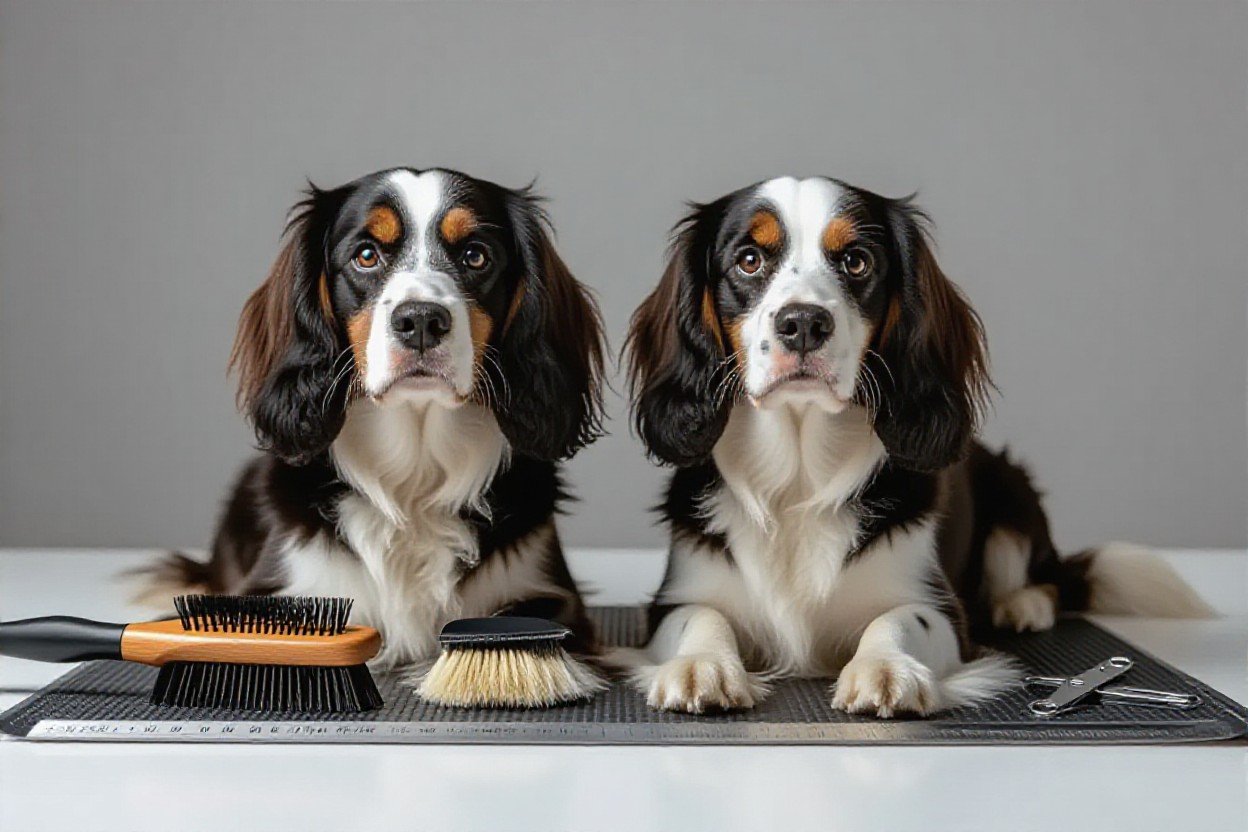
Slicker brushes excel at removing mats and loose undercoat, while pin brushes give a gentle, natural finish to feathering; you’ll often use both in sequence. For shopping, consider a Cocker Spaniel Brush suited to feathered ears and tail. Slickers remove embedded debris, but use them carefully because aggressive brushing can irritate thin skin.
Benefits of Slicker Brushes
Slicker brushes have dense, fine wire bristles that reach the undercoat, letting you remove loose hair and small mats efficiently; many groomers recommend using them 2-3 times weekly. You can tackle mats up to about an inch by working from the ends toward the skin in short strokes. If your Spaniel has heavy shedding seasons, a slicker paired with a detangling spray cuts grooming time by half.
Advantages of Pin Brushes
Pin brushes feature widely spaced, often rounded pins (typically 12-25 mm long) that glide through long feathering without tearing hair, so you can finish coats to a glossy, tangle-free look. You’ll find them ideal for daily maintenance of ears, chest, and legs; their gentle action reduces breakage and helps distribute natural oils.
Use the pin brush after you’ve detangled with a slicker or comb: start at the tips and slowly work up to the base to avoid pulling. If you groom show-quality Spaniels, daily pin-brushing preserves alignment and shine, while casual owners can maintain appearance with 3-4 sessions weekly. Choose pins with ball tips for extra skin protection.
Combs for Feathering & Ears
Importance of Combing for Feathering
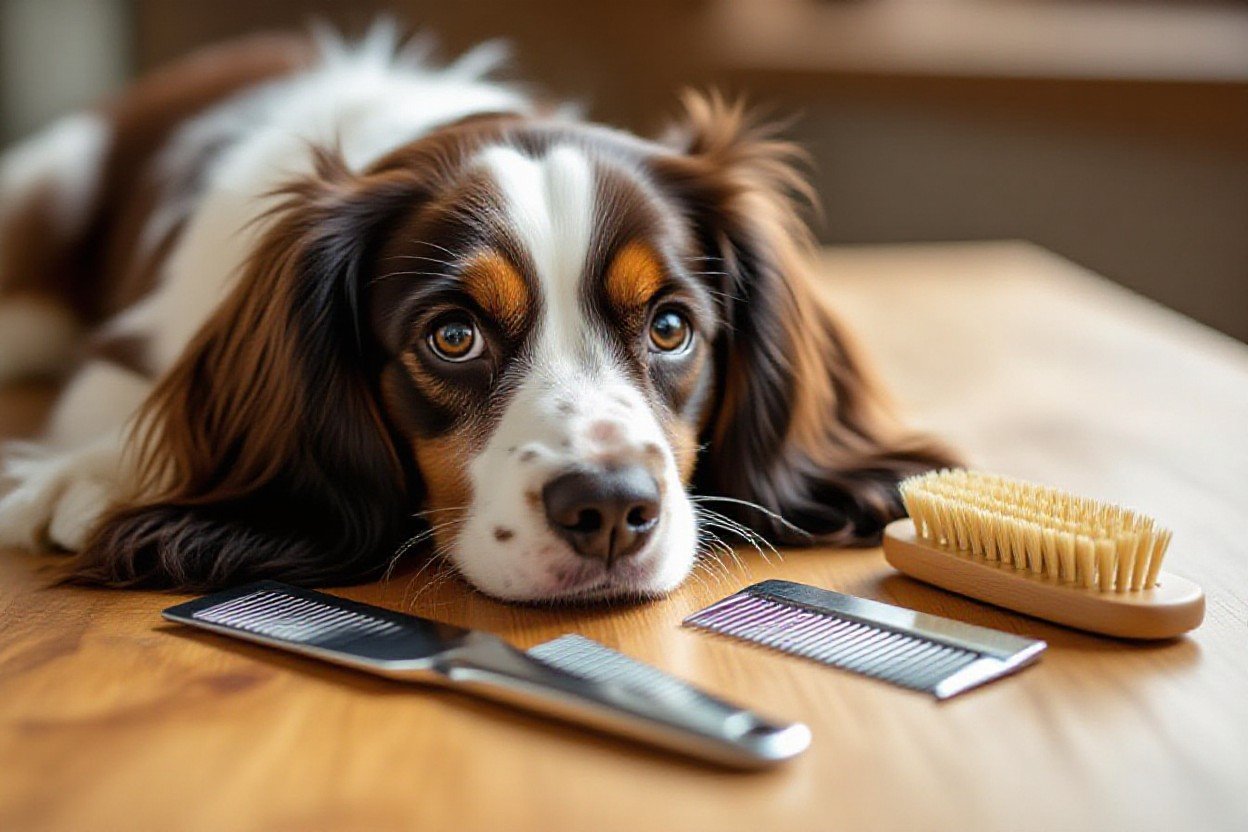
Daily or at least 3-4 times weekly combing prevents the long feathering behind legs and chest from forming tight mats that trap moisture and debris, which can lead to skin irritation and ear issues; use a wide-tooth comb first to remove tangles, then a finer comb or soft brush to smooth, aiming for 5-10 gentle passes per section so you don’t pull or stress the hair.
Selecting the Right Comb for Ears
Use a stainless-steel, dual-tooth comb (6-8 inches) with rounded tips so you can detangle and finish without scraping the thin ear skin; plastic teeth can flex and snag, while very coarse pins miss finer tangles-avoid combs with sharp or uneven teeth and choose one with both wide and fine teeth to handle mats near the ear base safely.
Choose a comb with corrosion-resistant metal and a long handle for control; for example, a 7-inch stainless comb with 2-3 mm spacing on the wide side and tighter spacing on the fine side lets you work out nestles at the ear base without overworking the area. When you comb, hold the ear flat, work from tip toward the base in short strokes, and spend about 1-2 minutes per ear after walks or swims; never force a tangle, use a detangling spray or conditioner and gently tease mat edges apart to avoid skin tears or pain.
Brushes for Working vs Show Coats
Working coats demand tools that remove burrs and dead undercoat quickly, while show coats need brushes that enhance lay and shine. You’ll use a firm slicker or de-matting rake for fieldwork and a soft pin or boar-bristle brush for ring prep; see curated Products for Setters/Spaniels. Use rigorous de-burring after outings and a gentle finish brush before shows to protect the coat.
Grooming Requirements for Working Coats
For working coats, you should brush 2-3 times weekly and always check for burrs, ticks, and mud after outings; perform a full comb-through weekly to prevent matting. A de-shedding tool plus a coarse slicker clears dead undercoat quickly, and prompt attention to knots prevents skin irritation and hotspots. When you bathe after heavy work, use an invigorating shampoo and fast-rinse to speed drying in cold weather.
Specialized Brushes for Show Coats
When preparing a show coat, use a soft pin brush to lift feathering, a boar-bristle or finishing brush for shine, and a fine-toothed comb for parting and checking for hidden mats. You’ll pair conditioning sprays with light brushing to enhance gloss and maintain natural lay; avoid over-brushing which dulls the finish. Focus on precision strokes and consistent direction to achieve the polished, natural look judges expect.
Choose brushes by specifications: a pin brush with 20-30 mm pins for feathering, a boar-bristle 50-75 mm pad for finishing, a slicker with fine 0.5-1.0 mm wires for dematting, and a rake with 6-10 teeth for deeper coat work. When you use a metal slicker, apply gentle pressure and short strokes-too aggressive can abrade skin; instead, work knots from the tips inward with a mat splitter or curved comb for safe removal.
Brushes for Puppies
You’ll want a forgiving tool for young spaniels: a soft-pin slicker, rubber grooming mitt, or a boar-bristle brush used for 5-10 minutes, 2-3 times weekly to build tolerance. Introduce brushing with treats and short sessions, and consult community feedback like What is the best brush you use to groom your cocker … for real-world tips. Watch for redness or skin scrapes and switch tools immediately if you see irritation.
Gentle Brushes for Sensitive Skin
Opt for a rubber curry mitt or a rounded-tip soft-pin slicker to detangle without breaking the skin barrier; these lift loose hair gently and distribute natural oils. You can use a natural boar-bristle brush to smooth the coat after detangling. Limit sessions to under 10 minutes on young or reactive skin, and test any new brush on a small area first to avoid abrasions or hotspots.
Transitioning to Adult Grooming Tools
Begin introducing adult tools around 6-9 months, starting with medium-pin slickers and a wide-tooth comb, then add an undercoat rake once you see undercoat development; phase tools in over 4-8 weeks to avoid shocking your pup. Use short, calm sessions and praise so you don’t create fear, and check that blades or pins have rounded tips to prevent injury.
When you step up tools, follow a practical sequence: keep the mitts and soft bristles for daily handling, add a medium slicker for weekly detangling, then use a de-shedding tool like a FURminator-style comb no more than once every 2-4 weeks during heavy shed periods to avoid over-thinning. Try new tools on a 3-4 inch test patch, hold the skin taut, and use slow strokes in the hair’s natural direction. If mats exceed 1-2 cm, work them out with conditioners or dematting tools slowly; severe mats often need professional attention to avoid cutting into healthy coat or skin.
How to Brush Correctly
You should brush spaniel coats in short, regular sessions-aim for 10-15 minutes per session, 3-4 times weekly for most medium-coated spaniels; longer or daily for heavy feathering. Work in 1-2 inch sections, keeping a comb nearby to follow the brush and catch hidden tangles. Use a slicker for surface hair, an undercoat rake for dense areas, and finish with a wide-tooth comb to check for hidden mats that can irritate skin.
Techniques for Effective Grooming
Start at the head and work backwards, brushing in the direction of growth to remove surface debris, then lightly against the grain to loosen undercoat. Hold the skin taut to avoid pinching and use short, gentle strokes-especially on feathering around ears and legs. For tangles, apply a spritz of detangler, tease apart with fingers, then comb through from tip to base; treating sections methodically reduces stress and cutting or pulling.
Avoiding Common Grooming Mistakes
Avoid brushing a soaking wet coat-hair is weaker when wet and tears easier-and don’t yank at mats; that causes pain and damaged hair follicles. If a mat exceeds about 2 cm across, use a dematting tool or seek a professional rather than forcing it. Also refrain from using scissors near the skin; cutting mats risks serious nicks and hidden infections.
For small tangles, work with conditioner or detangler and comb from the ends inward while holding the base to protect skin; repeat until the knot loosens. When mats are tight against skin, stop and consult a groomer-attempting to shave out dense mats yourself can lead to cuts or missed skin issues. Investing in quality tools (slicker, rake, wide-tooth comb) and scheduling a professional trim when mats cover more than one area keeps your spaniel comfortable and coat healthy.
How Often to Replace Grooming Tools
Signs It’s Time for a Replacement
You should replace tools when wear affects performance: bent or rusted bristles, missing pins, or blades that pull rather than cut. If you groom one spaniel weekly, expect brushes and combs to show wear in 6-12 months, while clippers or blades used professionally may need replacement or sharpening every 1-3 months. Faulty tools increase the risk of skin nicks and coat damage, so prioritize replacing items that compromise comfort or safety.
Maintaining Your Grooming Tools
Clean hair from brushes after each session, wash metal combs with mild soap weekly, and disinfect cutting blades with 70% isopropyl alcohol every 1-2 weeks. Oil clipper blades after every 15-20 minutes of continuous use or after each grooming to prevent overheating and dulling. Proper maintenance extends life and keeps your tools safe and effective for routine coat care.
Store tools dry and separate: keep blades in protective covers, brushes bristle-up to avoid deformation, and replace foam or rubber handles when cracked. If you groom multiple dogs, plan blade sharpening or replacement monthly; for single-dog home use, expect blade service every 3-6 months. Choosing stainless steel or ceramic blades can extend replacement intervals to 1-2 years compared with cheaper alloys.
FAQ
Q: What brush types work best on spaniel coats and when should I use each?
A: Slicker brushes remove tangles, mats and surface debris from the dense, medium-length topcoat and feathering; use them for regular detangling and after outdoor activity. Pin brushes are ideal for fluffing and finishing the coat without breaking hairs-use gently on the longer show or pet coat. Undercoat rakes or deshedding tools are for seasonal blowouts to remove loose undercoat without cutting topcoat. A sturdy metal comb (wide-tooth to start, fine-tooth to finish) helps find hidden mats and check skin. Bristle brushes or rubber curry brushes distribute natural oils and polish the coat for shine. For severe mats, a dematting rake or blade can help, but work slowly and hold the hair close to the skin to avoid pulling.
Q: How often should I brush my spaniel and what technique gives the best results?
A: Most spaniels benefit from brushing 2-4 times per week; increase to daily during heavy shedding or after muddy outings. A quick daily comb through ears and feathering prevents matting. For a full session: separate the coat into manageable sections, start with a wide-tooth comb or rake to remove tangles, follow with a slicker to lift loose hair and debris, and finish with a pin or bristle brush for smoothing. Use short, gentle strokes in the direction of hair growth and support the coat near the skin when tackling tight tangles. Brush damp but dry (after towel/dry blow-dry) rather than soaking wet to avoid breakage. Regular light brushing reduces the need for painful mat removal later.
Q: What should I look for when buying brushes for affiliate product recommendations?
A: Prioritize build quality: stainless-steel, ball-tipped pins to protect skin; a flexible cushion pad to follow body contours; an ergonomic, non-slip handle for control; and rust-resistant materials for longevity. Offer size options for toy to large spaniels and full brush kits (slicker, pin brush, comb, undercoat rake, and bristle brush) because buyers value complete solutions. Highlight features that convert well: replaceable heads, easy-clean designs, warranty, and positive real-world reviews showing gentle detangling and durability. For niche listings, call out specialty tools (dematting tools with safety guards, rotating-pin slickers) and usage cues-e.g., “best for heavy feathering” or “gentle around ears”-so shoppers can match the product to their spaniel’s activity level and coat condition.