
It’s vital you recognise and address common issues in Springer Spaniels, from aggression and separation anxiety to excessive hunting drive and destructive chewing, because early action reduces risk. You’ll learn authoritative, practical steps to manage triggers, set consistent training and exercise routines, and prevent escalation. This post is a problem-solving hub linking you to targeted training, exercise and behaviour resources so you can restore balance to your affectionate, highly trainable dog and home.
Key Takeaways:
- Identify underlying causes-exercise deficits, anxiety, boredom-and use the hub’s linked assessments and vet-check guidance to target the root problem.
- Implement consistent, reward-based training and management routines; follow the hub’s step-by-step behaviour and exercise programs for practical solutions.
- Combine regular physical activity, mental enrichment and gradual desensitization to prevent relapses; consult a professional behaviourist via the hub if progress stalls.

Common Springer Spaniel Behaviour Issues
You’ll see recurring patterns: high energy, strong prey drive, separation anxiety and chewing that often link back to unmet needs. For example, springers typically need 60-90 minutes of daily exercise plus mental work; puppies benefit from the “5 minutes per month of age” guideline for walks. Owners commonly report hyperactivity, door-related vocalisation, or targeted destruction-address these with training, enrichment and management rather than one-size-fits-all fixes.
Overstimulation & Hyperactivity
When your springer is overstimulated you may notice panting, mouthing, spinning or inability to settle after play; sessions longer than 20-30 minutes without breaks often trigger this. Break activity into 5-10 minute controlled recall or scent games, alternate high-intensity fetch with calm obedience drills, and aim for 3-5 short training sessions daily to channel arousal into predictable behaviour.
Destructive Behaviour Causes
Chewing and household damage generally stem from separation anxiety, boredom, teething (3-6 months) or insufficient exercise; you might see targeted chewing of door frames or shoes. Lack of outlet for scenting and foraging raises risk, and swallowed items can cause life-threatening obstructions. Identify whether the behaviour is attention-seeking, anxiety-driven or exploratory before deciding interventions.
For example, a 3-year-old springer who chewed baseboards due to separation anxiety improved after an 8-week programme of graduated departures, crate conditioning and scent enrichment; you should start with 30-60 second departures, increase by 10-20% and add interactive feeders like frozen KONGs. Rotate toys weekly, provide 60-90 minutes exercise daily, and consult a behaviourist if destruction continues or you observe frantic pacing or excessive drooling.

Separation Anxiety
Symptoms and management
When left alone your springer may show pacing, frantic barking, or destructive chewing; destruction and escape risk are common and can cause injury. Estimates suggest separation problems affect about 14-17% of pet dogs, and in practice you may see repeated episodes lasting hours. Often therapy combines counterconditioning and gradual desensitization, crate training, and 20-30 minute enrichment routines; see owner experiences like What is bad about the English Springer Spaniel? for real-world examples.
Poor Recall & Pulling
Training & Risks
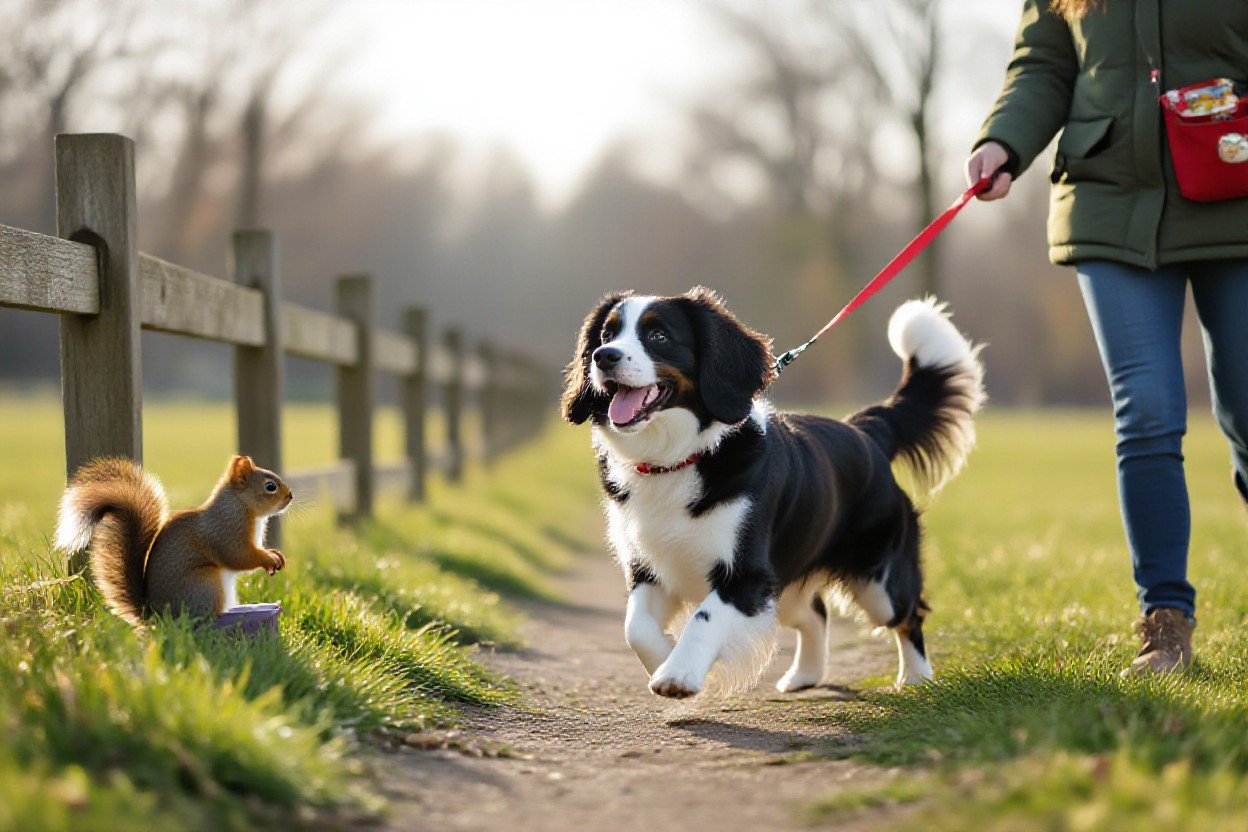
When your Springer ignores recalls off‑lead, scent drive and distractions often override weak cues. Use a 5-10 m long line and run 5‑minute recall games three times daily, rewarding with high-value treats (diced chicken, cheese) about 80% of the time at first. If they bolt near roads or livestock it’s dangerous; keep them on a line and train in fenced areas for 6-8 weeks. Gradually increase distance and distractions, praising returns to build a reliable recall and reduce leash pulling.
The Impact of Exercise on Behaviour
Exercise targets and effects
Aim for 60-120 minutes daily for a Springer, split between aerobic play (30-45 minutes off‑lead) and structured work like scent games or two 15-20 minute training sessions; owners who add a 20‑minute scent session often report calmer evenings. If your dog gets under 60 minutes, insufficient exercise can escalate to destructive chewing or escape attempts. Conversely, consistent, varied activity improves focus, leash manners and reduces nuisance barking, so treat exercise as behavioural management as well as fitness.
When to Seek Professional Help
Indicators and next steps
If your Springer shows repeated aggression (more than two biting incidents in a week), persistent self-injury, or escapes/separation destruction across 3+ days, you should consult a qualified behaviourist or your vet. Seek immediate attention for human-directed aggression, escalating fear responses, or repeated self-harm. You can compare cases in specialist forums such as English Springer Spaniel behavior and temperament examples and follow tailored training, exercise, and medical pathways.
To wrap up
Following this guide, you can identify common Springer Spaniel behaviour problems and apply practical strategies to reduce anxiety, barking, digging and hyperactivity. Use consistent training, structured exercise and environmental management to address root causes, and consult targeted resources for step-by-step plans. With persistence and informed action, you will improve your dog’s responses and strengthen your bond.
FAQ
Q: How can I tell if my Springer Spaniel has separation anxiety, and what steps help them cope?
A: Signs include excessive whining, barking, drooling, pacing, destructive behavior when left alone, and intense greeting behavior on return. Start by building tolerance to alone time using short, frequent departures that slowly increase in duration (desensitisation). Pair departures with high-value, longer-lasting enrichment (stuffed Kongs, frozen treats, puzzle feeders) and provide a predictable leaving routine so departures are less emotional. Increase daily physical exercise and mental work (nose games, training sessions) before alone periods to reduce pent-up energy. Teach calmness at the door: cue a sit or settle and reward quiet behavior instead of giving attention during hyper-excited departures/returns. Crate training can help if done positively and the dog accepts it. For severe cases involve a veterinary check for medical factors and consult a qualified force-free behaviourist; medication or short-term anxiolytics prescribed by a vet can be part of a treatment plan alongside behaviour modification. See linked training, exercise, and behaviour resources for step-by-step programs and long-line/short-duration practice plans.
Q: My Springer demands attention and barks or scratches to get it. How do I stop attention-seeking and nuisance barking without making it worse?
A: Identify triggers and what the dog gains (attention, play, access). Stop inadvertently rewarding the behavior: withhold attention during demanding barking or pawing and only reward with calm attention when the dog is quiet or performing an alternative behavior. Teach and reward an alternative (for example “place” or “settle”) and use cue-reward training to make calm behavior more valuable than noise. Train a clear “quiet” cue by rewarding brief periods of silence and gradually extending them. Increase daily exercise and add structured mental tasks (obedience games, scent work, food puzzles) to reduce boredom-driven demands. Manage environments when practice is needed: use baby gates, long-line control, or short supervised breaks to practice calm responses. Avoid harsh punishment or yelling; that can escalate arousal and worsen the problem. If barking is triggered by external stimuli (passersby, doorbell), use desensitisation and counterconditioning with graded exposure and rewards for relaxed responses. For persistent or complex cases consult a behaviour specialist for a tailored plan.
Q: My Springer chases wildlife and won’t reliably come back off lead. How do I improve recall and channel their prey drive safely?
A: Accept that strong prey drive is normal for Springers; work with it rather than against it. Start recall training in low-distraction settings with high-value rewards (meat, favorite toy) and a reliable marker (clicker or enthusiastic cue). Use very short distances at first, gradually increasing distractions and distance only when recall is perfect. Practice emergency recall (distinct cue and higher reward) and reward generously every successful response, never punish a dog for returning. Train with a long line to allow freedom while maintaining safety, and teach directional recalls and two-stage recalls (come here, then reward with a play or fetch session) so returning is rewarding. Provide outlets for prey drive: structured ball/bumper games, scent work, and safe supervised chasing games; these reduce the urge to hunt during walks. Use management where necessary (leash, fenced areas, GPS tracker in high-risk zones). For dangerous chasing or if recall doesn’t improve with systematic training, consult a qualified trainer or behaviourist for hands-on guidance and tailored strategies.