
Just bred as versatile working gun dogs, your Springer Spaniel inherits high endurance, strong scent drive, and a need to flush and retrieve that fuels constant activity; you manage this by providing daily vigorous exercise, mental challenges like scent work and obedience games, consistent training, and purposeful outlets such as fieldwork or agility to channel energy constructively so your dog stays balanced, focused, and less prone to destructive behaviors.
Springer Spaniel Working History
Origins and Purpose
You see the breed’s roots in Britain, where spaniel types from the 1700s were bred to “spring” game-flush birds into gun range-so breeders selected for stamina, a keen nose and a soft mouth. Over decades, selective breeding emphasized endurance for long upland days, agility to move through dense cover, and temperament suited to close handler cooperation, which directly explains why your springer still expects purposeful work and frequent stimulation.
Evolution as a Hunting Dog
Over the 19th and 20th centuries, lines specialized: field-bred springers became leaner, faster and more driven to quarter ground and flush pheasant, partridge and grouse, while show lines developed heavier coats and calmer temperaments. You’ll notice field traits in a springer’s persistent forward drive and high exercise needs; field trials and working tests pushed breeders to favor scenting ability, range and responsiveness, shaping the modern working dog you handle today.
Digging deeper, you’ll find that breeding for specific working patterns altered body and training demands: field strains often quarter 10-40 yards ahead, maintain intense scenting focus, and perform multiple flush-and-retrieve sequences across a shoot day. Trainers use drills like blind retrieves, quartering on a long line and whistle recalls to harness that energy, so when you train with sport-style exercises you’re tapping directly into the behaviors these dogs were bred to perform.
High Drive & Stamina Explained
Natural Instincts
Bred to quarter ground, flush game, and retrieve, springer spaniels are wired to keep moving: you’ll notice them working 10-20 yards ahead, using scent and sight to sweep fields. Their drive comes from generations of field work where dogs routinely covered several miles and worked full days; when you give them only short walks they’ll invent activity, so channel that instinct into structured scent, recall, and retrieving exercises that mimic real tasks.
Impact of Breeding
Selective breeding created a split between working and show lines: working-line springers have higher endurance, leaner builds, and intense prey drive, while many show-lines emphasize appearance and calmer temperaments. If you own a working-line dog, plan on 90-120 minutes of vigorous activity daily-flushing drills, agility, or long runs-to match the energy breeders preserved for field performance.
Genetics explain much of this difference: breeders selected for muscle tone, drive, and stamina across decades of field trials and shoots, producing dogs that sustain repeated sprints and retrieves. In practice, you’ll see working-line springers perform multiple retrieves per hour during driven shoots and excel in timed field trials; adapting your routine to include interval training, scent work, and job-like tasks will reduce frustration and unwanted behaviors.

Mental vs Physical Energy
Springer Spaniels split their drive between high-intensity physical work and sustained mental engagement; practical owners schedule roughly 60-90 minutes of aerobic activity plus 20-30 minutes of focused mental tasks daily. You’ll notice physical energy in sprints, retrievals, and off‑lead runs, while mental energy shows as intense scenting, problem solving, or obedience focus. Trainers often use 10-20 minute nosework drills and 15-30 minute training blocks to exhaust cognitive drive without overtaxing the body.
Understanding Energy Types
Physical energy is fast, visible and depletes with running or long walks; mental energy is quieter but persistent, often resurfacing as boredom-driven behavior. You should track activity by intensity: sprint play versus focused scent games. For example, a 20‑minute scent session can tire mental capacity as effectively as a 30‑minute jog tires muscles.
- Physical signs: bounding, hard panting, quick play bursts-best met with fetch, running, or swimming.
- Mental signs: repeated searching, problem-solving attempts, or sudden attention shifts-best met with nosework and puzzle toys.
- Combined activities: agility or interactive training deliver both in 20-40 minute sessions.
- Thou should rotate formats across the day-mix one high‑intensity session, two short mental sessions, and calm walk-downs.
| Physical | Fetch, running; 30-60 minutes high intensity |
| Mental | Nosework, puzzles; 10-20 minutes focused work |
| Combined | Agility, training sequences; 20-40 minutes |
| Signs | Restlessness/pacing vs intense sniffing and repeat behavior |
| Schedule tip | Split day: morning run, midday mental game, evening walk |
Balancing Mental and Physical Stimulation
You balance energy by sequencing: deliver high‑intensity exercise first to burn adrenaline, then follow with 10-20 minute mental challenges to use residual drive productively. A practical plan: morning 30-45 minute run, midday 15-20 minute scent session, evening 20-30 minute walk plus a puzzle feeder. Owners who split work into 3-4 focused bouts report fewer destructive episodes and steadier attention during training.
When refining the mix, measure responses: if your Spaniel remains wired after a walk, increase mental difficulty-hide ten treats across the yard or add scent discrimination; conversely, if focus fades in 5 minutes, reduce complexity and lengthen physical play. Try tracking three variables for two weeks-duration, intensity, and timing-and adjust so calm behavior increases each week.
Energy Differences by Age
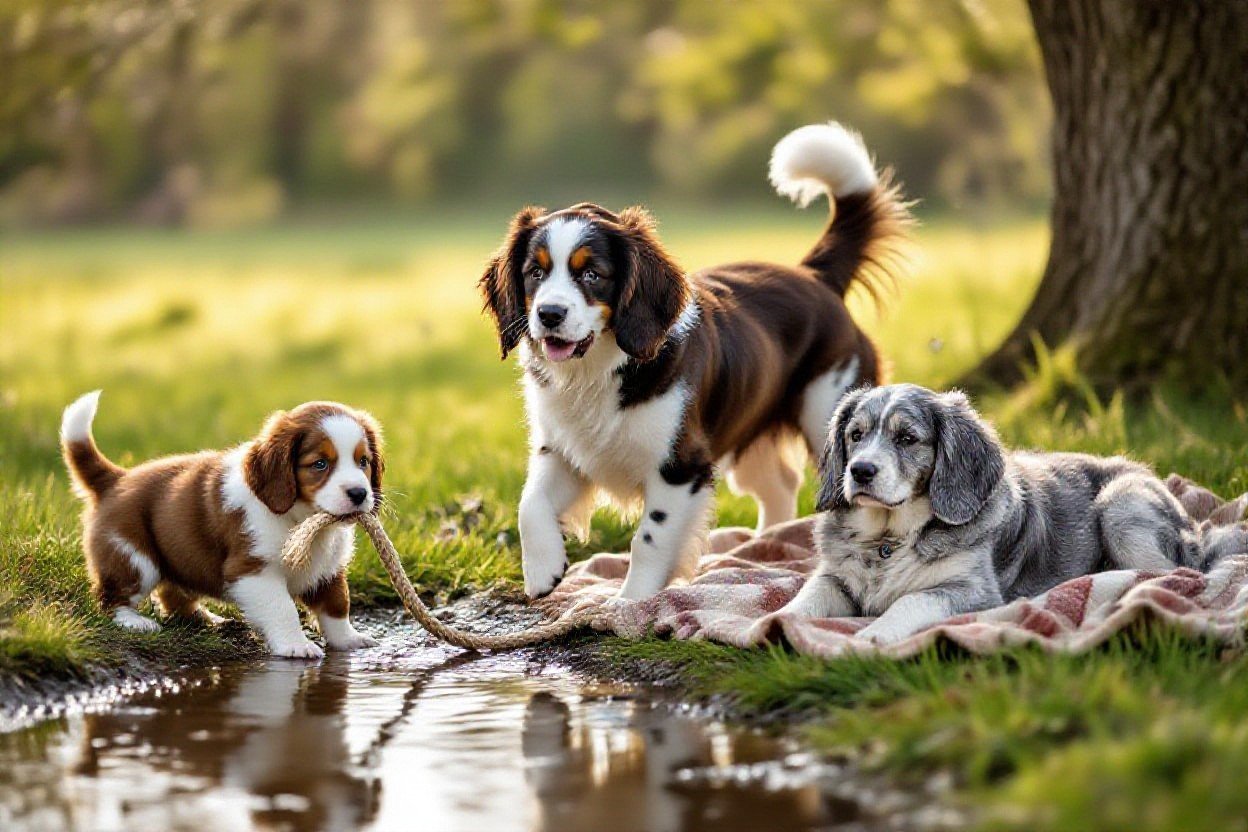
Your springer’s energy shifts with age: puppies have short, explosive bursts, adults need sustained daily work (typically around 60-90 minutes), and seniors require lower-impact activity and more recovery. For specific time recommendations and sample routines you can adapt to your dog’s workload, see How much exercise does a Springer Spaniel need?, which helps you match intensity to age and job.
Puppies vs. Adults
When your springer is a puppy (up to ~18 months) energy comes in intense short bursts, so give multiple 5-15 minute sessions and avoid long runs to protect growth plates. As an adult (roughly 1-7 years) your dog can handle longer bouts-use a mix of 30-60 minute runs, brisk walks and training to reach that 60-90 minute daily target and channel its working drive constructively.
Senior Spaniels and Energy Levels
After about 8 years your springer’s stamina and joint resilience often decline; switch to lower-impact activities like swimming, short hikes, and split sessions totaling 30-45 minutes daily, and increase mental challenges so your dog stays engaged without joint strain.
Monitor slower recovery, stiffness after rest, or reluctance on stairs-these suggest you should lower intensity and consult your vet about arthritis; keep your dog lean with controlled strength exercises, use enrichment toys for mental work, and aim for two 10-20 minute walks plus brief play to preserve mobility while satisfying your springer’s need to stay active.
Managing Over-Excitement
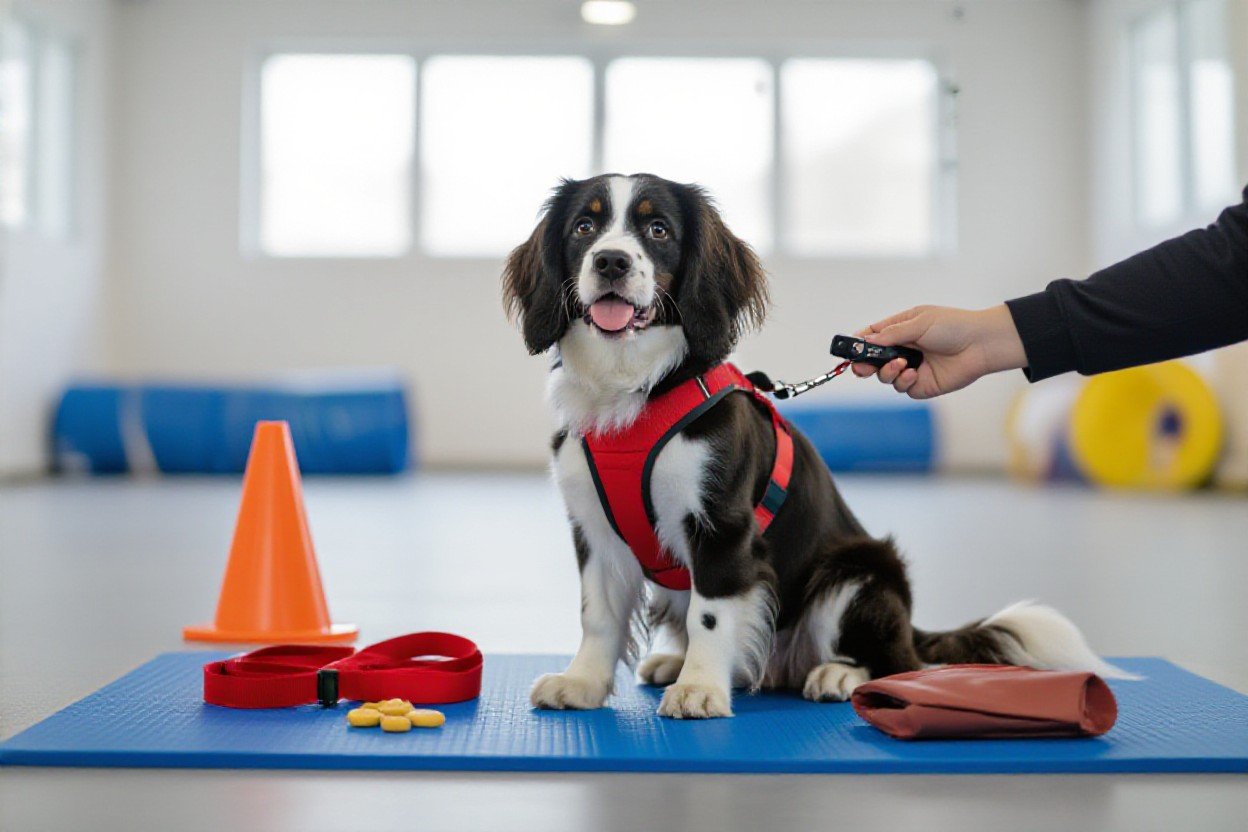
To rein in over-excitement, set a predictable routine combining 30-60 minutes of physical exercise with 20-30 minutes of mental work daily; your springer’s working heritage means it needs both. Use timed fetch sessions, nose-work puzzles, and short obedience drills before high-stimulation events like visitors. Consistent pre-activity structure lowers arousal and makes calm behavior more likely.
Identifying Triggers
Identify specific triggers by keeping a 14-day log noting time, context, trigger (doorbell, jogger, feeding), and intensity on a 1-5 scale; patterns often show doorways, leashed walks, and high-value toys as common culprits. You’ll spot repeat scenarios-morning deliveries or evening walks-so you can preempt spikes with targeted exercise or cue practice.
Techniques for Calming
Use impulse-control exercises such as sit‑stay with progressive duration (add 5-10 seconds each repetition); you can practice 10 short repetitions per session, three times daily. Combine graded exposure to visitors using a long line and calm rewards, and schedule a 5-10 minute low-key walk immediately before anticipated high-stimulus events to reduce baseline arousal.
Practice a “settle” routine: place a mat, ask for a sit, lure your dog onto the mat with a treat, reward quiet for 5 seconds and increase by 5‑second increments until 2 minutes; you should repeat 4-6 times across the day. Use interactive feeders (LickiMat or slow feeders) for 10-20 minutes to channel drive, employ a soft voice and small treats for calm reinforcement, and use graded door-entry rehearsals to desensitize responses.
Training an Energetic Springer
When training an energetic Springer you should structure short, focused sessions – 20-30 minutes twice daily – alternating obedience, scent work and recall drills; reward high-value treats and gradually increase distraction levels. Use the breed guide at English Springer Spaniel – Dog Breeds for breed-specific exercises and session plans, and add 2-3 off-leash 10-minute play bursts after training to boost focus.
Effective Training Strategies
You should start with clicker or marker training and keep criteria small: teach a reliable sit at home, then add five distractions before moving outdoors. Implement variable reinforcement (treat every 2-5 correct reps) to build persistence. Practice 30-50 recall repetitions at increasing distances, and use impulse-control drills like a 10-20 second “wait” before meals. Track progress with notes or short videos so you can adjust difficulty based on measurable gains.
Socialization and Exercise
Expose your Springer to people, dogs, noises and surfaces between 8-16 weeks with short, positive sessions; aim for 20+ varied experiences and at least one supervised playdate per week. Provide 60-120 minutes of daily activity split into brisk walks, runs, and scent games to channel working instincts and reduce reactive behavior.
You should introduce novel stimuli gradually: begin with quiet park visits, then add busy streets and dog-friendly stores over several weeks, pairing each exposure with treats and short training tasks. Enroll in a weekly puppy class or try agility foundation sessions twice monthly, and set up scent-work games (hide 10-15 treats for 5-10 minute searches) to satisfy mental drive while monitoring for over-arousal and giving calm-down intervals.
Accepting the Breed for What It Is
Practical acceptance
You can embrace a Springer’s working instincts by planning 60-90 minutes of daily activity-split into a 30-40 minute off-leash run, two 15-20 minute training sessions, and a 20-30 minute scent or puzzle task. Field-bred examples excel in scent work, agility, or retrieving, and owners who adopt structured outlets report fewer destructive behaviors. When you convert energy into tasks, your home becomes calmer and your dog more focused.
To wrap up
Presently you understand that Springer Spaniels’ high energy derives from generations of breeding for endurance, scenting and retrieving; you manage it by providing regular vigorous exercise, structured training, scent and retrieval tasks, and interactive enrichment so your dog expresses its instincts constructively and remains balanced in a home setting.