
Diets that prioritize whole proteins, fresh vegetables, and carefully balanced fats can improve your dog’s longevity and energy; scientific studies now favor controlled, minimally processed options over extreme raw trends, which can pose serious pathogen and nutrient-balance risks. You should consult veterinary-guided plans that match life stage, monitor allergens, and focus on measurable outcomes like weight, coat quality, and bloodwork.
Key Takeaways:
- Whole-food diets formulated to meet AAFCO nutrient profiles offer the best balance of “natural” ingredients and complete nutrition.
- Raw/biologically appropriate diets may benefit coat and dental health for some dogs but increase bacterial, parasitic, and nutrient‑imbalance risks unless veterinary‑formulated and handled carefully.
- Cooked or home‑prepared diets can be safe alternatives to raw when recipes are professionally formulated and supplemented, with periodic bloodwork to confirm adequacy.
- Choose commercial natural diets with transparent sourcing, third‑party testing, and evidence of AAFCO feeding trials to reduce contamination and deficiency risks.
- Individualize diet by life stage, breed, activity level, and health conditions; monitor weight, stool, and lab work and adjust accordingly.
- Targeted supplementation (EPA/DHA, probiotics, taurine where indicated) can address specific gaps; avoid indiscriminate supplement use.
- Sustainable novel proteins (insect, plant‑forward) show growing scientific support as viable alternatives but should be chosen based on tolerance, allergen history, and veterinary guidance.

The Rise of Natural Diets for Dogs
Trends in Pet Nutrition
You’re seeing a shift from commodity kibble to whole-food and fresh formulations: the natural/organic segment documented double‑digit growth through the early 2020s, driven by refrigerated and human-grade offerings. Manufacturers are adding named proteins, single‑ingredient lists, and limited‑ingredient lines, while veterinary nutritionists push for AAFCO‑balanced recipes; subscription fresh‑food companies and refrigerated retail launches now account for a growing share of new product introductions.
Consumer Demand for Less Processed Foods
You choose less processed options because many owners report improvements in coat, stool quality, and energy; surveys show that more than half of buyers now prioritize ingredient transparency and minimal processing when switching foods. Retail data confirm higher basket spend on fresh or refrigerated formulas compared with traditional dry kibble.
Cost, convenience, and safety shape that demand: fresh and refrigerated diets commonly cost roughly 2-3× per day compared with basic kibble, yet you accept the premium for perceived health gains. At the same time, agencies like the CDC and FDA note increased reports of pathogen risk and product recalls tied to raw or minimally processed meats, so you must balance ingredient quality with proven nutritional completeness and hygiene controls.
The Role of Social Media in Shaping Preferences
You’re influenced by platform content-Instagram reels, TikTok shorts, and Facebook groups featuring before‑and‑after pet photos and unboxing videos have amplified fresh‑food brands and DIY feeding trends, with viral posts reaching millions and directly lifting searches and sales for featured products.
Algorithms favor visually appealing transformations and emotive testimonials, so a single influencer video can spike Google Trends queries and reorder rates within 48-72 hours. That amplification also spreads misinformation-claims about miracle cures or unbalanced home recipes-making it imperative that you cross‑check viral advice with science‑based sources, veterinary nutritionists, and AAFCO‑formulated product data before changing your dog’s diet.
Understanding Diet Types
You’ll encounter several distinct approaches when evaluating natural feeding options for your dog; each balances nutrition, processing, and practical factors differently.
- Raw (BARF/prey-model)
- Freeze-Dried whole-food and single-protein formulas
- Air-Dried minimally processed complete diets
- Fresh refrigerated meals formulated to AAFCO profiles
- Dehydrated concentrates that you rehydrate at home
| Diet Type | Quick profile (what you get) |
| Raw | Uncooked proteins ± bones, high protein, variable micronutrient balance |
| Freeze-Dried | Fresh ingredients preserved with low-heat removal of water; long shelf life |
| Air-Dried | Cooked at low temperatures to remove moisture; retains more intact proteins than kibble |
| Fresh / Refrigerated | Complete formulations with high moisture, often subscription-based |
Raw Diets: Benefits and Considerations
You can see appetite improvements and shinier coats on some dogs fed raw protein-first plans, but you must weigh those gains against pathogen risks (Salmonella, Listeria) and inconsistent micronutrient levels; pairing with a tested commercial raw line or working with a veterinary nutritionist reduces imbalance risk and protects household members from contamination.
Freeze-Dried Diets: Nutritional Value and Convenience
Freeze-dried options convert fresh recipes into shelf-stable meals while preserving many heat-sensitive nutrients, so you get concentrated protein and vitamins without refrigeration; they rehydrate quickly and are often AAFCO-formulated for complete nutrition.
Manufacturers typically use low-temperature sublimation to retain amino acids and fat-soluble vitamins, producing products that cost more per kilogram but deliver higher biologic value than standard kibble; clinical comparisons show comparable digestibility to fresh diets for adult maintenance, and you can review vetted product lists like 7 Best Dog Foods in 2025, Recommended by Vets when evaluating brands.
Air-Dried Diets: Pros and Cons
Air-dried formulas give you a middle ground: cooked sufficiently to kill pathogens but dried gently to retain texture and many nutrients; they usually require no refrigeration and are convenient for travel or transitions.
Air-Dried Pros & Cons
| Pros | Cons |
| Higher protein integrity than high-heat kibble | Price per calorie often higher than kibble |
| Lower moisture loss than extrusion | Some brands add oils post-dry-watch labels |
| Usually shelf-stable without refrigeration | Variable micronutrient fortification between brands |
| Palatable for picky eaters | Can be denser in calories-portion control matters |
| Less bacterial risk than raw | Not standardized; check for AAFCO or feeding trial data |
When you compare options, focus on guaranteed analysis, ingredient sourcing, and whether the brand provides feeding trials or formulation by a board-certified veterinary nutritionist; prioritize products with transparent testing and batch traceability so nutrient adequacy and safety are verifiable. Assume that you consult your veterinarian before making a major diet change, especially if your dog has health issues.
Whole-Food Ingredients: The Building Blocks of Natural Diets
When you scan labels, focus on whole-food items-fresh muscle, organ meat, vegetables, whole grains and healthy oils-because they deliver intact nutrient matrices that isolated additives don’t. For step-by-step help if you plan a transition, consult Re-evaluating your dog’s diet. Make sure your chosen recipe meets AAFCO nutrient profiles so you don’t trade natural ingredients for nutritional gaps.
Understanding Whole Foods vs. Processed Ingredients
You should know processing methods matter: extrusion and rendering commonly expose kibble ingredients to temperatures around 120-200°C, which can reduce heat-sensitive B vitamins and some enzymes by measurable amounts (often tens of percent). Whole foods retain more intact proteins, fiber structure and micronutrient complexes, and that translates into higher bioavailability for many nutrients-so when you choose foods, weigh ingredient integrity alongside convenience.
Nutritional Value of Whole Foods for Dogs
You get more than crude numbers from whole foods: muscle meat supplies complete amino acid profiles, organ meats concentrate fat‑soluble vitamins and trace minerals, and whole vegetables add fermentable fiber that supports the microbiome. In practice, whole-food diets often improve stool quality and coat condition within 4-8 weeks when balanced correctly.
Digging deeper, organs like liver offer dense vitamins A, D, and B12 plus copper, while heart provides taurine precursors and arginine-nutrients sometimes marginal in single-ingredient diets. Too much liver can cause vitamin A excess, so you must balance organ proportions and monitor calcium:phosphorus ratios (aim near 1.2-1.4:1 for adult maintenance) or work with a nutritionist to avoid long-term imbalances.
Common Whole Food Ingredients in Dog Diets
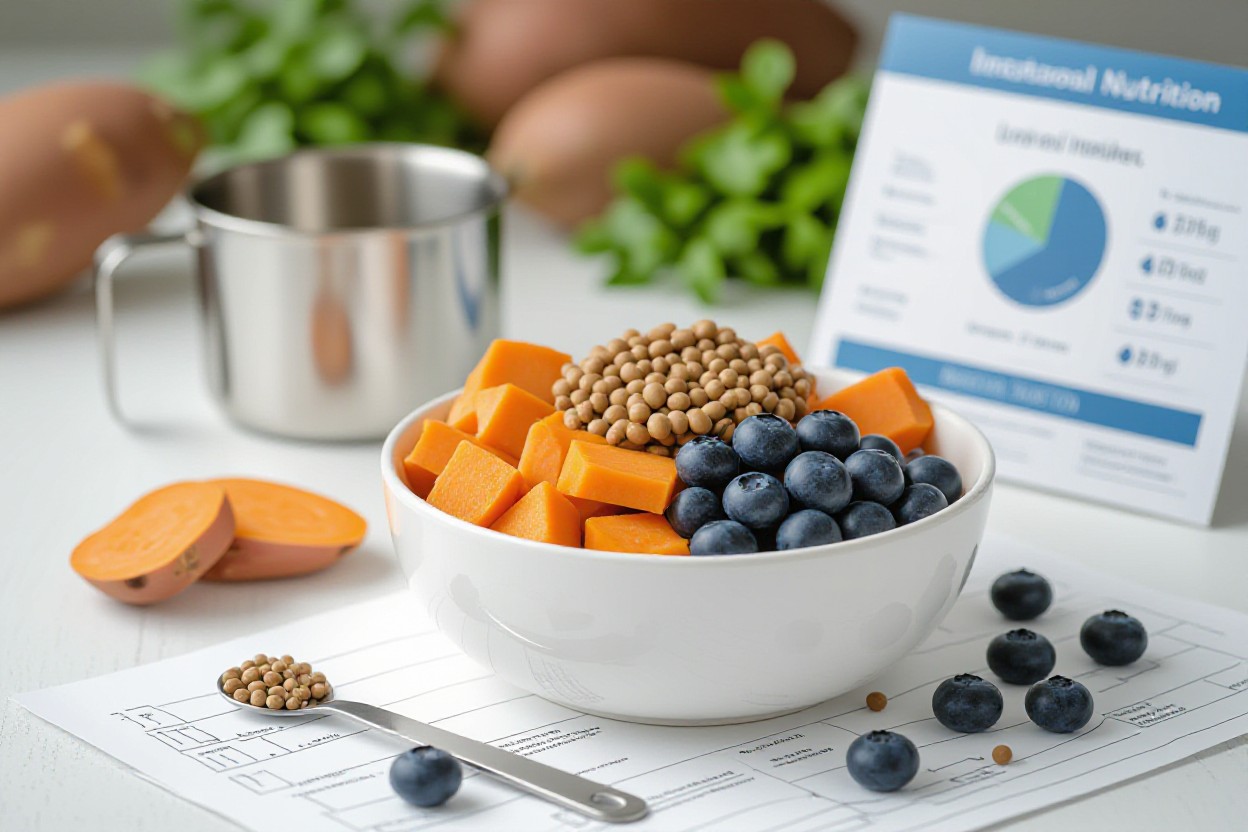
You’ll commonly see protein sources such as chicken, turkey, beef and salmon; organ inclusions like liver and kidney; carbohydrate choices like sweet potato, brown rice or oats; and fats from fish oil, flaxseed or chicken fat. These ingredients supply a broad spectrum of macro- and micronutrients when you combine them thoughtfully.
Practically, many natural home-prepared or commercial whole-food recipes use guidelines like ~70% muscle meat, ~10% organ (half liver), ~10% edible bone (or calcium source), and ~10% vegetables/complex carbs-adjusted for breed, weight and life stage. Salmon contributes EPA/DHA for anti-inflammatory support, eggs add choline and highly digestible protein, and pumpkin supplies soluble fiber for stool regulation. Always verify nutrient completeness or add vet-recommended supplements to correct predictable gaps.
Limited-Ingredient Diets: Tailored Nutrition for Sensitive Dogs
What Are Limited-Ingredient Diets?
Limited-ingredient diets reduce the number of protein and carbohydrate sources so you can isolate triggers; they typically use a single novel or hydrolyzed protein and a few carbohydrate sources to simplify digestion and allergy testing. You’ll often see these labeled as single-protein or hypoallergenic, and they’re designed to support an elimination trial while still meeting AAFCO nutrient profiles.
Identifying Potential Allergens
Common food triggers include beef, chicken, dairy, wheat, soy, and corn; you’ll watch for recurring GI signs (vomit, diarrhea) and dermatologic signs (pruritus, recurrent otitis). Most clinicians recommend an 8-12 week elimination trial on a truly limited diet to determine response, because intermittent feeding of suspected items will mask results.
Diagnosis relies on methodical change: you should stop all snacks/treats and use only the test diet, since serum IgE and many commercial tests have low predictive value. Evidence indicates the elimination trial is the clinical gold standard, and if symptoms improve, a controlled re-challenge confirms the specific allergen; hydrolyzed proteins and novel proteins (e.g., kangaroo, rabbit) are common next steps when standard options fail.
Case Studies of Limited-Ingredient Success
Clinical series and case reports show meaningful improvements: you can expect many dogs to show symptom reduction within weeks, with literature and clinic audits commonly reporting a 60-80% responder rate for food-responsive dermatopathy or chronic GI disease when properly conducted.
- Case 1 – Labrador, 4 y/o: chronic otitis + pruritus; switched to single-protein duck limited diet; pruritus score fell from 8→2 in 6 weeks; ear infections resolved by week 10.
- Case 2 – Terrier, 2 y/o: chronic diarrhea (stool score 5/7); placed on hydrolyzed protein diet; stool normalized (2/7) in 3 weeks and weight stabilized (+1.8 kg over 8 weeks).
- Clinic series – n=30: retrospective review found 68% (21/30) had ≥50% pruritus reduction within median 4 weeks on a novel-protein limited diet.
- Dermatology audit – n=120: elimination trials yielded a 72% response rate for food-responsive signs; median time to clinical response was 3.5 weeks.
Across these examples you’ll notice patterns: novel or hydrolyzed proteins produce faster symptom control, and objective scores (pruritus, stool, body weight) help quantify response. When you track outcomes, aim to document baseline scores and reassess at 2, 4, and 8 weeks so you can differentiate spontaneous fluctuation from true dietary response.
- Study-style cohort – n=45: prospective trial using a single-novel protein reported 65% complete or marked improvement by week 8; average pruritus reduction was 5.2 points on a 10-point scale.
- Practice audit – n=52: hydrolyzed diets produced clinical remission in 77% of cases with concurrent GI and skin signs; relapse occurred in 12% after accidental re-exposure.
- Owner-reported series – n=88: switching treats to the matched limited-ingredient line improved outcomes in 59% within 6 weeks, highlighting the impact of hidden treats and supplements.
Hypoallergenic Diets: A Solution for Allergic Reactions
Understanding Allergies in Dogs
You’ll see food-related allergies in roughly 1-2% of dogs, often presenting as chronic itching, recurrent ear infections, or persistent gastrointestinal signs like vomiting and diarrhea. Diagnosis typically requires an 8-12 week elimination trial because skin testing and blood tests are unreliable for food allergens. When you suspect a food trigger, prioritize controlled dietary trials over symptomatic treatments to identify the true cause.
Ingredients to Avoid in Hypoallergenic Diets
Common culprits include beef, dairy, chicken, wheat, soy, corn, and eggs, with beef and dairy among the most frequently implicated. You should also watch for hidden sources in treats, flavored medications, and supplements that can re-expose your dog during a trial.
Cross-contamination in manufacturing and communal feeding can undermine elimination diets, so you must eliminate all non-prescribed foods and treats. Choose either a novel-protein limited-ingredient diet (e.g., rabbit, kangaroo, venison) or a hydrolyzed protein diet-the latter breaks proteins into small peptides less likely to trigger immune responses. Be aware that some grain-free formulations have been associated with an increased risk of DCM in certain breeds, so consult your vet before switching.
Recommended Hypoallergenic Diets for Dogs
When you need reliable options, prescription hydrolyzed diets (e.g., Royal Canin Hydrolyzed, Hill’s Prescription Diet z/d) and single-source novel-protein limited-ingredient diets are primary choices; both have documented success when strictly followed. For severe cases, your vet may recommend a hydrolyzed formula first because of its higher reported response rates.
Hydrolyzed diets can reduce clinical signs in up to 80% of food-allergic dogs in some studies, while novel-protein trials are effective if the offending protein is avoided. During an elimination trial you must feed only the trial food-no table scraps, flavored medications, or mixed treats-and document progress at 4, 8, and 12 weeks. If signs improve, a supervised re-challenge confirms the specific allergen before long-term management decisions.
Health Benefits of Natural Diets
Improving Gut Health: The Role of Probiotics
You’ll see measurable changes when you add targeted probiotics: strains like Enterococcus faecium, Lactobacillus, and Bifidobacterium help stabilize the gut microbiome, often shortening diarrhea episodes by about 1-2 days in clinical trials and lowering recurrence in chronic cases. Supporting microbial diversity improves nutrient absorption and can reduce antibiotic-associated dysbiosis, so choose products with documented colony-forming unit (CFU) counts and strain IDs to get reliable results.
Enhancing Coat and Skin Condition
You can improve coat luster and reduce itching by ensuring adequate omega-3 intake (EPA/DHA) and high-quality protein; many dogs show visible improvement within 8-12 weeks of supplementation. EPA/DHA-rich sources like salmon or algal oil plus complete amino acid profiles support skin barrier repair and reduce flakiness.
Specific actions matter: you should aim for diets that supply balanced methionine and cysteine for keratin synthesis and at least 0.5-1% dietary zinc (on a dry-matter basis) to avoid alopecia and delayed wound healing. Clinical feeding trials report meaningful reductions in pruritus and scaling when diets combine an AAFCO-complete formula with added omega-3s; however, choose tested fish-oil sources to avoid contaminants and consult dosing by weight to prevent overdosing fat-soluble nutrients.
Reducing Additives and Preservatives: Healthier Choices
You should prefer formulas that rely on natural antioxidants (vitamin E, vitamin C, rosemary extract) over synthetic preservatives like BHA, BHT, and ethoxyquin, which have been linked to adverse findings in long-term rodent studies and raise owner concern about chronic exposure. Natural-preserved diets often deliver similar shelf stability with lower perceived risk.
When evaluating labels, prioritize brands that publish batch testing for contaminants and list preservative types and concentrations. If you choose refrigerated or frozen whole-food diets, follow handling and storage instructions to reduce spoilage risk. Also note that some preservation is necessary for safety; avoid formulations with unspecified “preservatives” and opt for transparent manufacturers that provide AAFCO statements and third-party lab results.
Nutritional Balance: Challenges and Solutions
Understanding Canine Nutritional Needs
To meet your dog’s needs, focus on life-stage targets: AAFCO minimums are 18% protein and 5% fat for adult maintenance and 22% protein and 8% fat for growth/reproduction (dry matter basis). Calculate energy using RER = 70 × (kg)^0.75, adjust by activity/maturity, and keep calcium:phosphorus near 1:1-1.5:1 for growing dogs to avoid skeletal problems.
The Importance of Balanced Diets
When you feed a balanced diet formulated to meet AAFCO nutrient profiles, your dog is more likely to maintain ideal body condition, stable blood markers, and reduced disease risk; clinical trials link complete diets to better long-term weight control and fewer nutrient-deficiency presentations than unbalanced homemade plans.
Practical solutions include using commercially complete foods or following veterinary-tested homemade recipes; for example, work with a board-certified veterinary nutritionist to convert calorie needs (RER × activity factor) into gram portions and ensure micronutrients like taurine, copper, zinc, and vitamins are adequate. Pay attention to breed-specific issues-large-breed puppies need controlled calorie and calcium intake to prevent growth plate disorders-and monitor body condition score, blood work, and stool output every 6-12 months to catch imbalances early.
Common Nutritional Pitfalls to Avoid
Avoid raw-only diets without vet oversight due to bacterial contamination risk and the documented possibility of taurine-deficiency DCM with some grain-free formulas; also steer clear of over-supplementation, vitamin/mineral excesses, and excessive calcium in growing large-breed puppies, all of which can cause harm.
Specific pitfalls: feeding untested homemade recipes often misses micronutrients (iodine, selenium, vitamin E), while abrupt transitions to novel protein or high-fat table scraps can precipitate GI upset or pancreatitis. Mitigate risk by choosing AAFCO-complete foods or tested recipes, using lab monitoring (CBC, chemistry, taurine levels when indicated), and introducing changes gradually over 7-10 days; if you suspect deficiency or excess, stop supplementation and consult a nutritionist for targeted rebalancing.
The Importance of Veterinary Advice
Consulting Your Vet on Dietary Changes
You should bring a complete diet history, current weight and body condition score (aiming for BCS 4-5/9), activity level, and medical records when discussing changes; vets typically recommend a gradual transition over 7-10 days, baseline bloodwork for seniors, and consideration of age, breed, and comorbidities. Expect your vet to run a brief nutritional review, advise on appropriate calorie targets, and flag raw or unbalanced homemade diets that may carry infection or deficiency risks.
Recognizing Signs of Nutritional Imbalance
You should watch for weight loss or gain, poor coat or skin (dull, brittle fur), chronic diarrhea or vomiting, increased thirst, muscle wasting, lethargy, or growth delays in puppies; neurologic signs (ataxia, seizures) or persistent GI upset are especially dangerous and warrant immediate veterinary evaluation. Cases of thiamine or vitamin deficiencies have presented with acute neurologic decline after prolonged unbalanced feeding.
When you suspect imbalance, your vet will often order CBC, serum chemistry, urinalysis, and targeted tests such as serum cobalamin/folate, thyroid panel, and pancreatic markers; fecal cultures or pathogen screens may be used if infection is suspected. Advanced assessment can include diet analysis by a board-certified veterinary nutritionist (ACVN) and specific nutrient assays; supplementation and dietary correction are guided by diagnosis, since some deficiencies (fat‑soluble vitamins, trace minerals) develop over weeks to months while puppies show problems within weeks.
Veterinary-Approved Brands and Diets
You should prioritize diets with an AAFCO feeding statement or those used in clinical trials and consider prescription therapeutic diets (Hill’s Prescription Diet, Royal Canin Veterinary Diet, Purina Pro Plan Veterinary Diets) for disease management; these products provide documented nutrient profiles and, for many conditions, clinical evidence of benefit. Your vet can prescribe and monitor a therapeutic plan and caution against off-label homemade mixes that may worsen medical problems.
Vets select brands based on the condition: renal diets with restricted phosphorus and controlled protein, hydrolyzed or novel-protein diets for food-responsive dermatitis, and calorie‑restricted, high-protein/high-fiber formulas for weight loss (targeting ~1-2% body weight loss per week). You can ask for the diet’s feeding trials, nutrient analysis compared to NRC/AAFCO profiles, and follow-up testing schedules; many clinics will provide transition plans and measurable goals to track progress.
Hygiene and Food Safety: Best Practices
Safe Handling of Raw Ingredients
You should handle raw meats and bones with the same precautions as raw human food: wash hands for at least 20 seconds, use separate cutting boards and knives, and wear gloves when possible. Thaw frozen ingredients in the refrigerator-not on the counter-and prep raw and cooked components on separate surfaces to avoid cross-contamination; studies show raw pet foods are often contaminated with Salmonella, Listeria, or E. coli, so strict separation matters.
Best Storage Practices for Natural Diets
Store perishable natural diets at or below 4°C (40°F)-18°C (0°F)1-2 days3-6 months
Vacuum-seal or airtight containers reduce freezer burn and oxygen exposure-vacuum-packed portions thaw faster and maintain nutrient quality. You should rotate stock FIFO (first in, first out), avoid refreezing thawed meat, and thaw only in the fridge, under cold running water, or in a microwave if you will cook it immediately; frequent temperature fluctuations between 4-10°C accelerate bacterial growth. You must clean feeding bowls and prep surfaces after every use with hot, soapy water and sanitize with a 1:10 household bleach solution or run through a dishwasher at >60°C; households with young children, pregnant people, elderly or immunocompromised members should avoid handling raw diets due to higher risk of transmission. Proper waste disposal and handwashing cut infection risk dramatically. In addition, isolate pet food prep from human food areas, launder towels used for raw prep separately at high heat, and seal pet waste promptly-pets on raw diets can shed pathogens in feces for days to weeks, so routine fecal checks and veterinary guidance help you monitor and reduce public-health risks in the home. Start by phasing the new food over 7-10 days: begin with a 25% new / 75% old mix and increase by roughly 25% every 2-3 days, slowing if your dog shows GI upset; if vomiting or bloody stool appears, stop and consult your vet immediately. Use measured portions, keep calorie intake steady, and prefer AAFCO-complete whole-food formulas to avoid nutrient gaps. Transition Schedule Watch for digestive changes in the first 24-72 hours; score stool on a 1-7 scale (ideal 2-3). If stool softens or appetite falls, reduce the new-food proportion by one step for 48 hours. For daily calories, a moderately active 20 kg dog needs about 900-1,100 kcal/day; adjust portions in 5-10% increments if weight shifts. Weigh your dog weekly and record stool, energy, and skin changes; if weight changes >5% over 4 weeks, recalc calories using RER = 70×(kg)^0.75 and adjust MER (~1.4-1.8×RER by activity). Use a kitchen scale for accuracy, count treats within daily calories, and if vomiting, persistent diarrhea, severe lethargy, or bloody stool occur, stop the diet and contact your veterinarian. Within 2-8 weeks you should see steady appetite, consistent energy, a shinier coat, reduced scratching, and firm, well-formed stools (score 2-3). Weight should remain stable; small fluctuations are normal during the first two weeks. Track objective markers: weekly body weight, a body condition score of 4-5/9, and reduced pruritus or GI events. Many dogs show noticeable skin or stool improvements by 4-8 weeks; if you see no positive change or observe weight loss, escalating itch, or ongoing GI signs after 8-12 weeks, pursue veterinary diagnostics or a nutrition consult. You should know dogs have roughly 1,700 taste buds versus a human’s ~9,000, which makes them less sweet-focused and more attuned to fats and umami-rich meats; age, dental pain, and certain medications can blunt taste and cause picky eating. Pay attention if your dog avoids new flavors-bitter medicines or novel proteins often trigger aversion-and avoid feeding chocolate, xylitol, grapes, or raisins, which are toxic even in small amounts. Feed on a predictable schedule-typically twice daily for adults and 3-4 times for puppies-measure portions from the label, and use a guideline of about 30 kcal per kg body weight as a starting point; incorporate puzzle feeders or slow-feed bowls to extend meals and reduce gulping, and rotate proteins over 7-10 days to minimize gastrointestinal upset while keeping meals interesting. Monitor body condition using the 1-9 BCS scale aiming for 4-5, and weigh your dog monthly to adjust calories in ~10% steps. For example, a 20 kg neutered adult typically needs ~600 kcal/day at 30 kcal/kg; if weight drifts up, cut 50-100 kcal/day and increase activity. Avoid free-feeding, log treats, and split daily calories between meals and training to prevent overfeeding. Use food strategically as a reward: allocate no more than 10% of daily calories to treats, favor meal-kibble for training to avoid extra calories, and employ clicker or marker training to reinforce desired eating behaviors like settling calmly at mealtimes; refrain from table scraps to prevent begging and leash-tugging around food. Teach cues such as “wait” and “leave it” in short 5-15 minute sessions with 10-15 reps, gradually extending waits from 3-5 seconds to 30+ seconds before releasing to eat. If your dog shows resource guarding or aggressive behavior around food, stop and consult a certified behaviorist and your veterinarian, since aggression around meals is a serious safety risk and needs structured desensitization and counterconditioning.Preventing Contamination and Foodborne Illnesses
Transitioning to a Natural Diet
Step-by-Step Introduction to New Diets
Day(s)
Mix Ratio (New : Old)
1-2
25 : 75
3-4
50 : 50
5-6
75 : 25
7+
100 : 0
Monitoring Reactions and Adjusting Portions
Signs of Successful Adaptation
Engaging with Your Dog’s Preferences
Understanding Your Dog’s Taste Sensitivities
Encouraging Healthy Eating Habits
The Role of Training and Positive Reinforcement

Economic Considerations
Cost Comparison: Natural vs. Conventional Diets
You’ll typically pay more upfront for whole-food or raw diets, but those costs vary by protein and region; a 20 kg dog eating ~2.5% bodyweight/day (~15 kg/month) will cost roughly $60-$200/month on natural feeding depending on protein, versus $25-$75/month for mid-range kibble. Factor in prep time and storage when comparing true cost.
Monthly and Annual Cost Comparison
| Natural diets (raw/whole-food) | Conventional diets (kibble/processed) |
|---|---|
| Average monthly food: $60-$200 | Average monthly food: $25-$75 |
| Prep & storage: 1-4 hrs/week; freezer space required | Prep & storage: 0.2-0.5 hrs/week; pantry storage |
| Potential long-term vet savings if chronic conditions reduced | Higher obesity-related costs reported in some clinics |
Budgeting for Higher-Quality Ingredients
You can lower per-meal costs by buying in bulk, using whole carcasses or cheaper cuts, and freezing portions; for example, feeding a 20 kg dog at 2-2.5% bodyweight (12-15 kg/month) at $4/kg meat costs about $48-$60/month, versus premium proteins at $10-$15/kg that push monthly costs well over $150.
Plan your shopping around sales and local sources: buy whole chickens, negotiate bulk packs with a butcher, and rotate less expensive proteins like turkey or pork to stay within budget. Allocate about 10-15% of your monthly pet food budget for supplements (omega-3s, minerals) if you prepare meals yourself. Be mindful that improper balancing to cut costs can lead to nutrient gaps; that deficiency risk is dangerous and can drive higher vet bills later.
Long-Term Health Investment: Cost vs. Benefits
Think of higher-quality feeding as an investment: if you spend an extra $300-$1,200/year on food but avoid one chronic condition that costs $500-$2,000/year in treatment, you can break even or save money over time; many owners report fewer obesity and GI cases after dietary changes, which reduces recurring medication and diagnostics.
When you model scenarios, use realistic estimates: an extra $50/month equals $600/year. If better diet lowers vet/medication expenses by even $100-$200/year, or delays costly procedures, the net cost narrows quickly. Also factor in improved quality of life and potential lifespan gains-while exact numbers vary, a single prevented chronic condition can offset multiple years of higher food costs. If you explore alternative pathways like plant-based approaches, read balanced reviews such as Vegan Pet Diets: What Science Says in 2025 to weigh formulation and supplementation costs against potential benefits.
The Future of Dog Diets: Trends to Watch
Innovations in Natural Dog Foods
You’ll see accelerated adoption of insect and cultured proteins, fungal/mycoprotein formulas (for example, Wild Earth-style products), and freeze-dried raw blends that preserve nutrients while lowering handling risk; precision nutrition platforms using DNA and microbiome data are creating individualized kibble and topper plans, and early pilots report these approaches can reduce GI symptoms and overeating by 30-50% in small cohorts.
Evolving Regulations and Standards
Regulators are tightening definitions of “natural,” requiring validated nutrient analyses, batch traceability, and clearer ingredient sourcing; you should expect more inspections and labeling scrutiny, especially for raw and novel-protein products, because raw diets carry elevated pathogen risks that drive enforcement.
Model regulations from AAFCO and guidance from the FDA’s Center for Veterinary Medicine are pushing manufacturers to demonstrate either AAFCO nutrient sufficiency or clinical evidence for alternative formulations, while FEDIAF and national agencies clarify approvals for insect and cultured proteins; you will see mandates for third‑party nutrient certification, lot‑level pathogen testing, and stronger recall plans as a response to past Salmonella/Listeria investigations linked to raw feeds.
Predictions for Natural Diets in 2025
You’ll find hybrid models dominate the market: subscription fresh meals paired with fortified kibble, plus vet‑delivered personalized plans; analysts expect continued double‑digit growth in fresh and personalized segments, and a 20-50% price premium will keep many options in the premium tier.
Clinical practices adopting DNA/microbiome testing report higher client adherence and improved weight‑management outcomes, so you should balance health gains against cost-expect insurers and wellness plans to trial coverage, more clinic-driven manufacturing to reduce margins, and major pet‑food companies acquiring niche fresh brands to scale personalized offerings.
Conclusion
From above, the scientific consensus in 2025 favors individualized whole-food, minimally processed diets balanced for life stage and health conditions; you should prioritize bioavailable proteins, varied vegetables, controlled fats, and veterinary-formulated supplements when needed. You can work with a nutritionist to tailor ratios, monitor biomarkers, and adjust for allergies or breed-specific needs to optimize your dog’s longevity and well-being.
FAQ
Q: What does current science say about “natural” diets for dogs in 2025?
A: Recent studies emphasize that “natural” is a marketing term, not a guarantee of balanced nutrition. Optimal natural diets provide species-appropriate macronutrients (high-quality animal protein for most dogs), vital fatty acids (EPA/DHA), and correct micronutrient ratios (calcium, phosphorus, vitamin D, taurine where relevant). Research also highlights the importance of digestive health and microbiome diversity; diets that support gut function tend to improve stool quality, nutrient absorption, and systemic inflammation markers. Evidence-based natural diets are those formulated or reviewed by veterinary nutritionists and validated by feeding trials or nutrient analysis.
Q: Are raw (BARF) diets supported by scientific evidence?
A: Raw diets can meet macronutrient preferences of dogs but carry notable risks: bacterial and parasitic contamination (Salmonella, Campylobacter, E. coli), nutritional imbalances (especially calcium/phosphorus and vitamin D), and potential for pathogen transmission to people in the household. Controlled studies show mixed clinical benefit and some metabolic concerns in growing or predisposed breeds. If owners choose raw, best practices are veterinary consultation, laboratory analysis of the recipe, commercial products with batch testing, and strict hygiene protocols to reduce infection risk.
Q: How do cooked whole‑food natural diets compare with commercial natural kibble or canned diets?
A: Cooked whole‑food home diets can be nutritionally complete when formulated by a board‑certified veterinary nutritionist and supplemented correctly, offering improved palatability and digestibility for some dogs. Commercial natural kibbles and cans that undergo feeding trials and meet AAFCO or FEDIAF standards provide consistent nutrient profiles and lower pathogen risk. The trade-offs are convenience, cost, and control: home-prepared meals allow ingredient transparency and variety, while reputable commercial products provide standardized nutrition and quality control measures.
Q: Can dogs thrive on plant‑based or vegetarian diets according to current research?
A: Some dogs can maintain health on carefully formulated plant‑based diets, but research shows that achieving complete amino acid profiles (particularly bioavailable taurine and L‑carnitine), vital fatty acids (ALA is a poor DHA/EPA substitute), and micronutrients requires supplementation and rigorous formulation. Cases of diet-associated dilated cardiomyopathy and other deficiencies have been reported with improperly balanced vegetarian diets. Veterinary supervision, laboratory monitoring (including cardiac screening for at‑risk breeds), and use of nutritionally complete commercial formulas or nutritionist-designed home plans are recommended.
Q: What should I look for on labels when choosing a commercial “natural” dog food in 2025?
A: Prioritize companies that publish full nutrient analyses, use third‑party testing, and have products formulated or reviewed by veterinary nutritionists. Look for completed feeding trials or AAFCO/FEDIAF statement of nutritional adequacy, clear ingredient sourcing, named protein sources (not vague meat meals), appropriate omega‑3 sources (fish oil, algal DHA), and absence of unnecessary fillers or unvalidated additives. Transparency about manufacturing, recalls history, and accessible veterinary support are also strong indicators of quality.
Q: Are supplements necessary with natural diets, and which ones are commonly needed?
A: Supplements are often necessary when diets are homemade or when commercial products lack certain nutrients. Commonly recommended supplements include calcium/vitamin D for bone health in home-cooked recipes, fish oil (EPA/DHA) for skin, joint and cognitive support, probiotic strains validated for dogs to support gut health, and taurine for breeds or diets at risk of deficiency. Supplementation should be based on diet analysis and veterinary guidance; indiscriminate use can create toxicities or nutrient imbalances.
Q: How should I transition my dog to a natural diet and what monitoring is advised?
A: Transition gradually over 7-14 days, increasing the new diet proportion while observing appetite, stool quality, energy levels, and skin condition. Baseline veterinary checks (weight, body condition score, bloodwork including CBC, biochemistry, and specific tests like taurine or thyroid if indicated) are advisable before and 3-6 months after switching, then annually. Seek immediate veterinary advice for vomiting, diarrhea, rapid weight change, lethargy, or signs of nutritional deficiency. Work with a veterinary nutritionist for life‑stage, breed‑specific, or condition‑specific plans.