
Just choose sustainable collars, leashes, toys, and bedding that balance safety and impact: pick non-toxic, BPA-free materials, biodegradable or recycled fabrics and sturdy designs that avoid choking hazards or loose fastenings. You should prefer products with easy-clean finishes, transparent sourcing, and long lifespans to lower waste and keep your dog healthy.
Key Takeaways:
- Choose gear made from recycled materials (recycled PET, reclaimed rubber) to reduce landfill waste.
- Opt for natural, renewable fibers like organic cotton, hemp, and cork for leashes, collars, and beds.
- Select non-toxic, low-impact dyes and finishes certified by OEKO-TEX or GOTS.
- Buy durable, repairable products to extend lifespan and lower overall consumption.
- Use compostable or biodegradable poop bags and minimize single-use plastic packaging.
- Prefer natural rubber or sustainably sourced toys that avoid PVC and phthalates.
- Support brands with transparent ethical sourcing, third-party certifications, and take-back or recycling programs.
The Growing Demand for Sustainable and Ethically Made Pet Gear
The Rise of Conscious Consumerism
You’re part of a shift where around two-thirds of consumers now factor sustainability into purchases, and that extends to pet gear-brands like West Paw (recyclable Zogoflex toys) and Earth Rated (compostable poop bags) rose because you and others prioritize eco-friendly options over cheaper, disposable goods.
The Importance of Sustainable Choices in Pet Care
You reduce long-term environmental impact and exposure to harmful materials when you choose gear made from recycled PET, organic cotton, or plant-based alternatives; for example, harnesses using recycled polyester cut landfill waste while durable construction lowers replacement frequency.
Beyond waste reduction, you also lower health risks: cheap toys and collars can shed microplastics or contain toxic dyes-look for certifications like GRS or OEKO‑TEX and brands that publish material sourcing. Choosing compostable waste bags, refillable grooming products, and lifetime-guaranteed gear means fewer replacements, less plastic, and safer daily use for your dog.
Statistics on Eco-Friendly Pet Product Growth
You’re witnessing this trend in the numbers: the U.S. pet industry topped about $136.8 billion in 2022 (APPA), while sustainable and premium segments have reported double‑digit growth in categories like toys, bedding, and waste management over recent years.
Market reports indicate sustainable SKUs are outpacing the overall category-growth estimates for eco‑focused pet products range from roughly 8-15% annually in key markets-driven by increased online search volume, retailer assortment shifts (major chains adding sustainable lines), and case studies where brands that certify materials or offer take‑back programs see higher customer loyalty and repeat purchases.
What’s Trending in Eco-Friendly Dog Gear
Collars and Leashes from Recycled Materials
You’ll find collars and leashes made from recycled PET (rPET) derived from plastic bottles, reclaimed ocean plastics and upcycled seatbelt webbing; many manufacturers use roughly 2-10 bottles worth of rPET per leash. Designs now pair sustainability with heavy-duty hardware, but you should inspect stitching and buckles-weak metal or poor stitching can create safety risks for strong pullers.
Biodegradable Poop Bags
Biodegradable and compostable bags commonly use PLA, PBAT or cornstarch blends, and certified compostable options (EN13432/ASTM D6400) break down in industrial composting in weeks to months; however, many municipal systems won’t accept them, so you must check local rules to avoid bags ending up in landfill where decomposition stalls.
Oxo-degradable bags still appear on shelves but are widely discouraged because they fragment rather than truly biodegrade; look for clear certifications like EN13432 or a “home-compostable” label if you plan to compost at home. Industrial composting typically needs sustained temps around 55-60°C to meet compostable standards; when you can’t access those facilities, consider biodegradable dog-waste digester systems or flushing policies where allowed and safe.
Eco-Friendly Toys and Play Items
Natural-rubber toys, hemp tug ropes, organic-cotton plushes and items made from recycled rubber or ocean plastics are trending; natural rubber from sustainably tapped Hevea trees is biodegradable and durable, while hemp offers high tensile strength with lower water and pesticide needs than conventional cotton.
Choose toys certified for safety (ASTM/CE) and avoid PVC or phthalate-containing plastics; for heavy chewers, look for thick natural rubber or double-stitched hemp to reduce choking and ingestion hazards. Wooden fetch toys with FSC certification and replaceable parts extend life span, and washable fabrics cut bacterial buildup-plan to rotate toys and inspect for damage every week to prevent accidental ingestion.
Sustainable Pet Food Packaging
Brands are shifting from multi-layer, non-recyclable pouches to mono-material PE films, recyclable paper bags with compostable liners and refill-station programs in-store; opting for bulk refills or mono-material packaging can significantly reduce packaging waste from each bag you buy.
Multi-layer foil and plastic pouches preserve freshness but often end up in landfill; seek packages labeled as curbside-recyclable (HDPE/PE) or participate in refill programs-several retailers report >50% reductions in single-use packaging when customers use refill stations. When you can’t refill, prefer recyclable paperboard or mono-plastic bags and look for brand transparency on post-consumer recycled content and end-of-life instructions.
Minimal-Waste Grooming Kits
Solid shampoo bars, refillable conditioners, bamboo brushes, stainless-steel nail clippers and shampoo concentrates are gaining traction; a single solid shampoo bar often replaces 2-3 plastic bottles, cutting routine plastic use for grooming tasks.
Pay attention to ingredients-some crucial oils (e.g., tea tree oil) can be toxic to dogs in concentrated form-so favor gentle surfactants, oatmeal, clay or hypoallergenic formulations. Refillable pump bottles, metal grooming tools with repairable parts and compostable wipes help you maintain hygiene while minimizing waste; store kits in durable cases to avoid replacement and extend service life.

The Benefits of Choosing Eco-Friendly Dog Gear
Environmental Responsibility
By choosing collars, beds, and toys made from materials like recycled PET and reclaimed rubber, you directly reduce plastic and tire waste-important when an estimated 8 million metric tons of plastic enter oceans annually and roughly 1 billion tires are generated worldwide each year. You cut demand for virgin plastics, lower production emissions, and support circular supply chains that divert waste from landfills.
Higher Quality and Durability
Many sustainable materials are inherently tougher: hemp fibers can be up to three times stronger than cotton, and rPET webbing resists abrasion and UV fading. You’ll often find eco-friendly leashes, harnesses, and beds that last longer under daily use, so you replace gear less frequently and reduce overall consumption.
Manufacturers back durability with measurable guarantees: several eco-focused brands offer warranties from 1 to 10 years and publish wear-test results showing lifespans that are commonly 1.5-2× longer than cheap alternatives. You may pay a bit more up front-typically 5-30% higher-but lower replacement frequency often makes the lifetime cost comparable or cheaper, plus fewer broken items mean less waste and fewer safety risks for your dog.
Healthier Options for Dogs
Eco-friendly gear often avoids PVC, phthalates, BPA, and harmful dyes, using natural rubber, organic cotton, or GOTS-certified fibers instead. You reduce your dog’s exposure to chemicals linked to irritation and long-term health concerns, and you get products that are frequently easier to clean and safer for chewing and prolonged contact.
Look for certifications such as OEKO‑TEX, GOTS, or explicit BPA/phthalate-free labeling when selecting toys and bedding; natural Hevea rubber toys and untreated hemp collars shed fewer residues than many synthetics. Given that skin and allergy issues affect about 10-15% of dogs, choosing non-toxic textiles and low-VOC finishes can noticeably lower irritation and vet visits while keeping your pet safer over time.

Where to Buy Eco-Friendly Dog Gear
Reputable Online Retailers
Major online retailers like Chewy and specialized marketplaces such as EarthHero and Wild One let you compare materials, certifications, and customer reviews side-by-side; you can filter for GOTS, GRS, OEKO-TEX or explicit recycled PET content. Community-sourced recommendations also help uncover niche brands-see [HELP] Eco friendly dog supplies? : r/dogs for user-tested recs. Prefer sites that publish supply-chain info and clear return/repair policies.
Local Pet Shops Embracing Sustainability
Independent pet shops often stock regional makers using reclaimed rubber, hemp, or recycled PET, and you can test harness fit or inspect stitching before buying; this hands-on check reduces returns and waste. Many shops offer refill stations for kibble and treats or partner with local artisans, so supporting them keeps money in the community and often leads to longer-lasting purchases-in-person inspection cuts the risk of impulse purchases that end up in landfill.
When you visit, ask staff for product provenance, material data sheets, and whether they run take-back or repair programs; some independents host pop-up demos where you can see durability tests and repair techniques. If a shop accepts used gear for reuse or recycling, that indicates a deeper sustainability commitment, and local stores can often special-order low-impact brands not listed on big platforms.
What to Look For in Eco-Friendly Brands
Prioritize transparency: you want brands that state the percentage of recycled content, publish third-party audits, and list certifications like GRS (recycled content), GOTS (organic textiles), OEKO‑TEX (harmful substances), or B Corp status. Also favor designers offering repair, warranties, or take-back programs to extend product lifespans; vague “green” language without data is a red flag for greenwashing.
Dig into lifecycle details: check for post-consumer recycled materials, minimal or compostable packaging, and evidence of supply-chain audits. Aim for products with at least 30% post-consumer recycled content where possible, and verify carbon or water footprint claims through linked studies or third-party verifications; brands that publish clear metrics make it easier for you to compare real environmental impact.
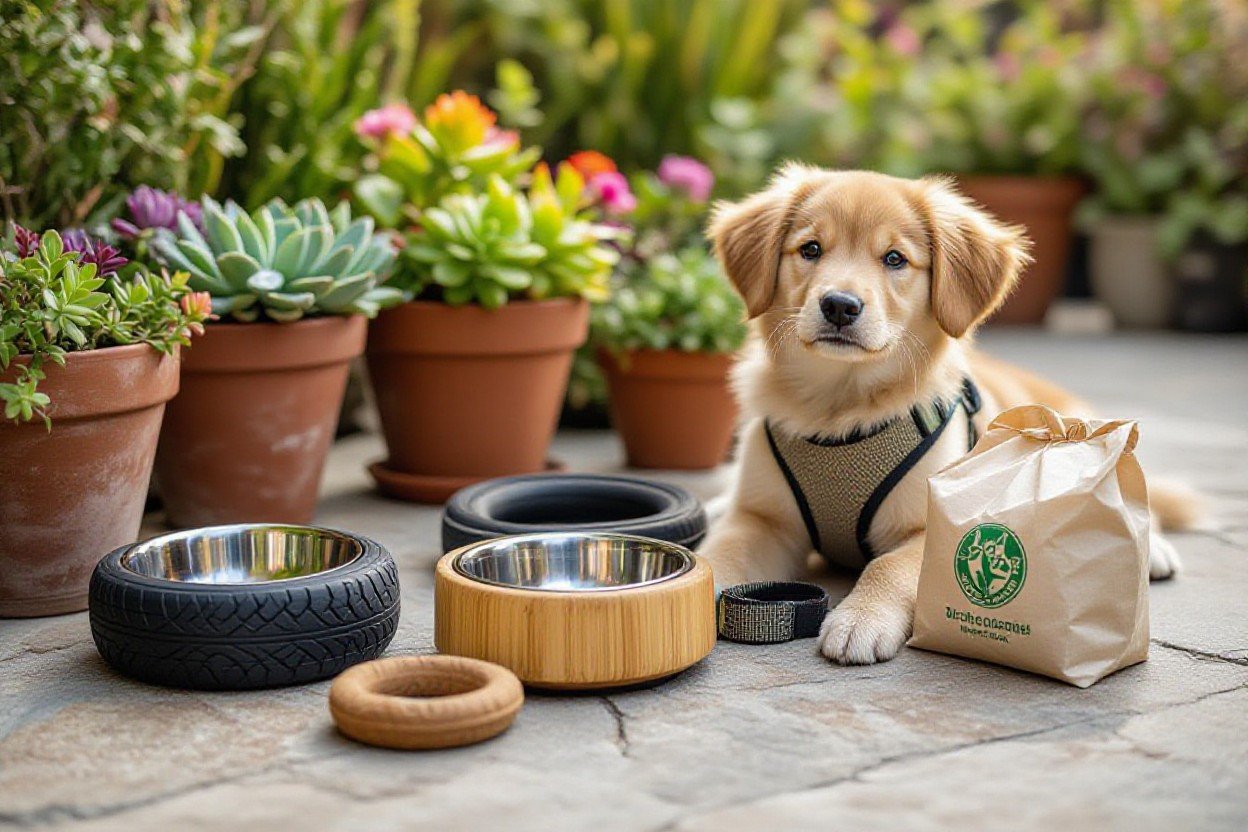
Key Materials to Consider for Eco-Friendly Pet Gear
Organic Cotton and Natural Fibers
You’ll find organic cotton, hemp and linen in beds, bandanas and light harnesses because they use no synthetic pesticides and typically consume far less water than conventional cotton-often up to about 90% less in some systems. Hemp fibers are 2-3 times stronger than cotton and add natural odor resistance, so your gear stays cleaner longer. For heavy chewers you should avoid relying solely on natural fibers, since they can tear faster than reinforced synthetics.
Recycled Plastics and Eco-Friendly Alternatives
You can buy collars, leashes and insulated jackets made from rPET (recycled plastic bottles) and recycled nylon; these materials often cut energy use and greenhouse gases by roughly half compared with virgin polyester, and a typical medium dog jacket can reuse about 10-20 bottles. Advantages include reduced landfill waste and durable water resistance, but be aware of microplastic shedding during wear and washing.
Production usually involves cleaning bottles, converting them to flakes, then spinning fibers-brands validate content via standards like the Global Recycled Standard (GRS) or REPREVE certification. Practical trade-offs matter: waterproof laminates or PU coatings commonly used to finish rPET gear are not always recyclable and can negate some environmental benefits. When you choose recycled gear, prioritize items with clear recycled-content claims and certifications, and wash less frequently or use a microfiber-catching laundry bag to limit microplastic release.
Biodegradable Materials and Their Efficacy
Biodegradable options-PLA (polylactic acid), PHA, natural rubber and some plant-based composites-sound attractive, but they vary widely: PLA typically needs industrial composting (around 60°C for 90-180 days) to break down, while PHA can biodegrade in marine settings. Look for certifications like ASTM D6400 or EN 13432 to confirm real compostability rather than simple “biodegradable” marketing.
In practice, disposal route defines effectiveness: if you toss a compostable waste bag into landfill it may not degrade and can still release methane; conversely, composting pet waste requires high-temperature municipal systems to neutralize pathogens-many facilities won’t accept pet feces. You should check local composting rules, prefer materials with the right certification for your disposal method (e.g., OK Compost HOME vs. INDUSTRIAL), and avoid claims lacking third-party verification to prevent unintentionally prolonging environmental harm.
Certifications and Labels to Trust
Understanding Eco-Certifications
When assessing labels, prioritize internationally recognized marks such as GOTS (Global Organic Textile Standard), OEKO-TEX, GRS (Global Recycled Standard) and FSC for wood or paper-based gear; GOTS requires a minimum percentage of organic fiber for certification and GRS verifies recycled content and chain-of-custody. You should verify certificate numbers on certifier sites and beware of vague “eco-friendly” claims that lack third-party backing.
Recognizing Ethical Sourcing Certifications
Scan for social and welfare standards like Fair Trade, RDS (Responsible Down Standard), RWS (Responsible Wool Standard) and SA8000, which address labor conditions, animal welfare and traceability; these marks indicate independent audits rather than brand promises, helping you choose gear produced with documented ethical practices.
Dig deeper by checking the certifier’s database for the product’s batch or facility number, since many programs require annual audits and public registries. You can also look for brands that publish supplier lists or audit summaries-Patagonia and a few specialty suppliers publish traceability reports-so you can confirm factory locations, audit results and any corrective actions taken when issues were found.
The Role of Customer Reviews
Because around 90% of shoppers consult reviews, use them to validate claims about durability, odor, fit and true recycled content; focus on verified purchase reviews, photos and recent comments to see how gear performs after months of use, and flag recurring complaints about safety or rapid wear.
Cross-check review trends with certification details: if multiple customers note seams failing or off-gassing despite an OEKO-TEX claim, that’s a red flag. Give more weight to reviews with photos/videos and specific testing notes (e.g., chewed leash after 3 weeks), and be wary of oddly generic praise that often signals fake reviews.
How to Vet Eco-Friendly Gear
Assessing Durability for Long-Term Use
Check material specs like denier and hardware: 1000D ballistic nylon resists tears far better than 300D, and stainless-steel buckles outperform plastic in salt and mud. You should review manufacturer test data (abrasion/tensile ratings), warranty length (1-5 years), and user lifespan reports – aim for products that survive >2 years of regular use. For vetted options and longevity notes see Top 5 Eco-Friendly Dog Accessories for 2025.
Ensuring Comfort for Your Dog
Measure neck and chest accurately and use the brand’s sizing chart; you should allow at least a two-finger gap under collars and pick harnesses with 10-15 mm padding and breathable mesh to prevent chafing and overheating. Try gear on short walks and inspect for pressure points after 20-30 minutes.
Pay attention to materials: memory-foam beds with ≥25 mm foam and gel inserts reduce joint pressure for older dogs, while lightweight, quick-dry fabrics (polyester mesh or hemp blends) keep active dogs cooler. You should also factor in weight – heavy hardware can strain small breeds – and prefer adjustable straps with multiple points of fit to distribute load evenly.
Investigating Ethical Sourcing Practices
Look for third-party certifications such as GOTS, GRS, OEKO-TEX or B Corp status and check for transparent supply-chain disclosures (factory lists, audit summaries). You should verify recycled-content claims – products with >50% post-consumer recycled material show stronger circularity – and prefer brands publishing supplier audit results and living-wage commitments.
Dig deeper by checking certificate IDs on certifier sites, requesting a chain-of-custody or COA, and noting audit providers (Sedex/SMETA, Fair Wear). You should also evaluate packaging (minimal or recycled) and product lifespan data; brands that publish per-item carbon or water footprints and make public remediation plans offer higher accountability. Absence of transparent data is a red flag when assessing ethics.
Sustainable Grooming Products and Techniques
Biodegradable Shampoo and Conditioners
Choose shampoos and conditioners with biodegradable surfactants (coco-glucoside, decyl glucoside) and plant-based conditioners like hydrolyzed oat or silk that are formulated for canine skin pH (~6.5). You should avoid SLS/SLES, parabens and artificial fragrances; also tea tree oil is toxic to dogs at even low concentrations, so never use human aromatherapy products on your pet. Look for OECD 301 or similar biodegradability claims.
Eco-Friendly Brushes and Grooming Tools
Pick tools with sustainable materials-bamboo handles, recycled plastics, stainless-steel pins or natural boar bristles-and choose slicker brushes with rounded tips to prevent skin abrasion. You can use de-shedding tools sparingly to cut undercoat shedding, but limit sessions to avoid skin irritation. Prefer durable designs that last years rather than disposable plastic options.
Maintain those tools by rinsing metal parts after each session and drying thoroughly to prevent rust; a 1:1 water-vinegar spray disinfects without harsh chemicals. Replace worn pins or rubber pads-well-kept tools retain efficacy and reduce waste. If you groom multiple dogs, color-code tools to prevent parasite transfer; professional groomers report that investing in high-quality eco tools cuts annual tool replacement by over 50%, saving money and waste.
Bathing Practices that Minimize Water Waste
Adopt low-flow handheld sprayers (around 1.5-2.0 gpm) or use a rinsing bucket and cup to control water use during baths. You should spot-clean with waterless shampoos or wipes between full baths and schedule full baths every 4-8 weeks depending on breed and activity. Quickly lather and rinse to reduce run time and energy use.
Start by brushing thoroughly to remove loose hair-this reduces the amount of shampoo and rinse cycles needed. Use a basin to pre-wet and pre-rinse, then rapid lather with concentrated biodegradable shampoo and a bucket for the final rinse; this approach can cut shelter or grooming-station water use by up to 30-40% according to industry reports. Keep water temperature between about 90-100°F (32-38°C) so you avoid overheating or chilling your dog, and never pour wastewater containing imperative oils or harsh chemicals onto edible garden plants.
Travel Accessories for Eco-Conscious Pet Owners
Eco-Friendly Pet Carriers
You can choose carriers made from recycled PET (600-1000D RPET), hemp canvas or cork accents that cut landfill waste while staying airline-compliant; many under-seat soft carriers measure ~18 x 11 x 11 inches and support up to 15-20 lb. Opt for carriers with reinforced stitching, stainless-steel hardware and breathable mesh panels, and inspect zippers and stitching before travel-faulty fastenings are a common safety hazard.
Sustainable Travel Bowls and Supplies
Collapsible silicone bowls (250-500 ml), 18/8 stainless-steel dishes and bamboo utensil sets keep pack weight low and reduce single-use plastic; choose FDA-grade silicone or food-grade stainless for safety. You can also find vetted lists like 9 Sustainable Pet Supplies For Our Furry Friends to compare options quickly, and prefer dishwasher-safe items for hygiene and longevity-avoid low-grade plastics that can leach chemicals.
When you dig deeper, prioritize bowls with capacities matching your routine (small 250-350 ml for short outings, 500-700 ml for long hikes) and materials that stand up to salt, sun and freeze-thaw cycles: 18/8 stainless resists corrosion and silicone tolerates -40°C to 230°C. Compact filters like the Sawyer Mini (100 g) let you refill safely on multi-day trips, and modular kits (collapsible bowl + water bottle + utensil) reduce single-item redundancy while saving ~200-500 g of pack weight compared with bulky sets.
Zero-Waste Options for Pet Travel
You should pack compostable poop bags (look for EN 13432/ASTM D6400 claims), reusable silicone treat pouches and a small foldable brush to avoid disposable wipes; switching from plastic bags to certified compostables or a scooper and bulk waste bin cuts your travel plastics dramatically. Keep wipes to a minimum and choose biodegradable formulas-single-use plastics are the biggest on-the-road pollutant.
For deeper impact, replace single-use grooming and cleaning items with concentrated solids and refill systems: solid shampoo bars often last 50-70 washes, refillable liquid reservoirs avoid 10-20 plastic bottles per year, and compostable bags certified to ASTM D6400 break down in industrial composters within ~90-180 days. You can also carry a lightweight reusable food wrap or upcycled fabric pouch for snacks and a small collapsible bin to separate compostables from recyclables on longer trips-small swaps multiply: daily walks become hundreds of single-use items avoided annually.
Creating a Sustainable Pet Care Routine
Making Eco-Conscious Feeding Choices
When you pick food, favor brands that disclose ingredient sourcing and offer larger formats (5-25 lb bags) to cut packaging waste; choose options with certifications like USDA Organic or MSC for seafood and brands that use 100% recyclable or compostable packaging. Examples that prioritize transparency include Open Farm, The Honest Kitchen and Wild Earth, and you can reduce waste further by using a gravity feeder or airtight bulk bin to keep food fresh for months.
Minimizing Waste in Daily Care
Swap disposable items for reusable alternatives: stainless steel bowls, silicone feeding mats, and bamboo-bristle brushes extend life and reduce landfill contributions. For waste you can’t avoid, use certified compostable bags (ASTM D6400/D6868) and a dedicated pet-waste digester instead of tossing everything into general trash.
Dog feces carry pathogens like Giardia and E. coli, so you must not add pet waste to compost destined for edible gardens; instead install an in-ground digester (e.g., Doggie Dooley) or enroll in municipal pet-waste programs. Wash bedding every 1-2 weeks in cold water with eco detergent, air-dry when possible, and replace worn gear with durable, repairable items-these steps cut water and energy use while keeping your pet healthy.
Engaging in Community Recycling Programs
Tap into local recycling: most curbside programs accept metal cans and rigid plastics (#1 and #2), while flexible film and mixed-material pet food bags often need special handling. Use store take-back programs, TerraCycle collection boxes, or refill stations to keep non-curbside packaging out of landfill.
Start by auditing your pet-product packaging: rinse and flatten metal cans, separate rigid plastics from films, and label materials when you donate or drop off. TerraCycle’s Pet Food & Treats Zero Waste Box is one clear nationwide option; alternatively, check for regional refill stores and pet-store take-backs that accept kibble bags and treat pouches. When you organize swaps or donate gently used beds and leashes to shelters, you close the loop locally and reduce demand for new production.
The Future of Eco-Friendly Pet Gear
Emerging Innovations in Sustainable Materials
Advances in materials are bringing mycelium-based leathers, algae-derived foams and biodegradable PHA polymers into collars, beds and toy cores; recycled solutions like Econyl reclaim nylon from fishing nets for durable leashes, while brands such as West Paw repurpose post-consumer plastics for toys. You should watch for PFAS-free waterproofing and closed-loop manufacturing claims-those cut reliance on virgin inputs and reduce long-term chemical exposure in pets and homes.
Consumer Trends Shaping the Pet Industry
Around two-thirds of buyers now factor sustainability into pet purchases, so you’re seeing retailers expand eco assortments and label materials more clearly; transparency and third-party marks drive loyalty. Brands that disclose material percentages, end-of-life options and supply-chain origin capture repeat business faster, and subscription boxes and specialty lines are responding to your demand for verified, low-impact choices.
Social media and purchase behavior amplify your influence: when influencers and review communities spotlight a sustainable dog bed or compostable bag, launches can outpace traditional SKUs, prompting larger retailers like Petco and online platforms to list eco lines faster. You should prioritize products with GOTS, Global Recycled Standard or OEKO-TEX tags and those offering repair, takeback or clear recycling instructions-these features correlate with higher retention and less waste over a product’s lifetime.
The Role of Advocacy in Promoting Change
Policy pressure, NGO campaigns and consumer activism are forcing suppliers to phase out harmful additives and improve traceability; advocacy wins like microbead bans illustrate how public pressure translates into safer materials. You can back organizations pushing for stricter chemical limits and demand transparency from brands to accelerate those shifts.
Certifications (GOTS for organic textiles, GRS for recycled content, OEKO-TEX for chemical safety, B Corp for overall responsibility) give you verifiable standards to compare claims. Industry partnerships-think Parley’s ocean-plastic collaborations-show how advocacy converts waste streams into supply chains, and when you favor certified, traceable brands you increase the business case for systemic change and faster adoption of truly sustainable pet gear.
Inspiring Stories of Eco-Friendly Pet Brands
Highlighting Successful Brands and Initiatives
You can point to brands like West Paw (durable toys and beds made from recycled materials), Beco (bamboo bowls and plant-based waste bags), and Earth Rated (biodegradable bags) as practical models; together they show how design and materials choices scale-the U.S. pet market reached $136.8 billion in 2022 (APPA), so every sustainable product you buy nudges a big industry toward greener supply chains.
The Impact of Small Businesses on Sustainability
You should note that small pet brands drive many grassroots changes: with 99.9% of U.S. firms classified as small businesses (SBA), independent makers use local sourcing, made-to-order runs, and refill or repair programs to lower waste and test eco-innovations faster than large players.
For example, you’ll find local leash makers and boutique treat companies that eliminate overstock by producing in small batches, partner with nearby mills to cut transport, and pilot compostable packaging; those tactics reduce inventory waste, shorten supply chains, and create measurable community impact you can support directly.
Personal Stories from Eco-Conscious Pet Owners
You’ll hear owners describe simple swaps-switching to a hemp collar, a single long-lasting recycled toy, and compostable bags-and report concrete results, like avoiding dozens of plastic toys a year and reducing disposable-waste footprints at home and on walks.
One common example you can replicate: a dog owner who replaced weekly single-use shampoo packets and cheap toys with bulk shampoo and two durable recycled toys cut their household pet-related plastic by an estimated ~200 items per year, and converted routine purchases into choices that support circular design and local makers.
Potential Drawbacks and Challenges
Price Comparisons between Eco-Friendly and Conventional Products
You’ll often see a 10-30% upfront premium for recycled, organic, or certified pet gear; for example, recycled-PET beds commonly range $80-$180 versus $40-$120 for polyester alternatives. While higher-quality eco items can outlast cheap goods – lowering cost-per-use – you should factor in initial budget limits, especially if outfitting multiple dogs or replacing bulk items like bedding and collars.
Price Snapshot
| Eco-Friendly | Conventional |
|---|---|
| Higher unit cost; often 10-30% premium | Lower upfront cost; mass-produced materials |
| Examples: recycled-PET beds $80-$180; durable toys $20-$40 (West Paw) | Examples: polyester beds $40-$120; toys $8-$15 |
| Longer lifespan can reduce lifetime cost | Shorter lifespan → more frequent replacement |
Availability Issues and Accessibility
In many areas, eco-friendly dog gear remains harder to find in physical stores, with selection concentrated in urban specialty retailers and online shops; you may face limited sizes, longer lead times, and higher shipping costs when ordering sustainable options, especially for large-breed beds or custom-fitted harnesses.
Supply-side constraints also matter: small brands often have minimum order quantities (MOQs) that keep them from stocking big-box retailers, and manufacturers using reclaimed or small-batch materials can have production delays of several weeks. You can mitigate this by checking local makers, joining community buy-runs, or subscribing to curated eco-pet boxes that aggregate stock and reduce per-item shipping emissions.
Misleading Claims and Greenwashing
Labels like “green,” “natural,” or “eco” are frequently vague; the FTC Green Guides require clear substantiation, so you should look for third-party certifications (GOTS, OEKO‑TEX, GRS, FSC) and concrete metrics such as % post-consumer recycled content rather than marketing copy alone.
Common examples of greenwashing include products marketed as “biodegradable” that contain mixed plastics needing industrial composting, or items claiming “ocean plastic” where only a small share of material is verified reclaimed PET. To protect yourself, request material data sheets, verify certifications, and ask brands for chain-of-custody or lab results showing actual recycled content and end-of-life pathways.
To wrap up
With these considerations you can choose sustainable collars, leashes, bedding, toys, and grooming tools that minimize environmental impact while maintaining durability and safety. Prioritize natural or recycled materials, low-toxicity finishes, and brands with transparent sourcing and repair or recycling programs so your purchases support long-term animal welfare and planetary health.
FAQ
Q: What defines “eco-friendly” dog gear and which certifications should I look for?
A: Eco-friendly dog gear minimizes environmental harm through sustainable materials, low-impact manufacturing, and end-of-life options like recycling or composting. Key certifications and labels to watch for include Global Recycled Standard (GRS) for recycled fibers, OEKO-TEX for low-toxicity textiles, USDA Organic or GOTS for natural fibers, and ASTM or EN standards for safety. Claims like “biodegradable” or “compostable” are meaningful when paired with ASTM D6400/D6868 or EN 13432 certification; otherwise verify the brand’s disposal guidance.
Q: Which materials are best for collars, harnesses, and leashes?
A: Durable recycled polyester (rPET), hemp, organic cotton, cork, and recycled or bio-based TPU are strong sustainable choices. Hemp and organic cotton are natural, breathable, and biodegradable; hemp is highly durable. rPET diverts plastic bottles from landfills and offers good strength. Cork is lightweight, water-resistant, and renewable. For hardware, choose stainless steel or brass over plated metals to extend lifespan. Prioritize well-made construction with reinforced stitching to reduce replacements.
Q: Are biodegradable or compostable poop bags worth using, and how should I choose them?
A: Compostable/biodegradable poop bags reduce plastic waste but vary in performance. Choose bags certified to ASTM D6400, EN 13432, or BPI standards for industrial compostability; home-compostable claims should state suitability for home composting. Consider thickness (mil) for strength, capacity for your dog’s size, and scent options if sensitive. Even compostable bags often require industrial composting facilities, so check local collection options. For rural or no-compost areas, plant-based bags still reduce long-lasting plastic but may not fully degrade in landfill conditions.
Q: What should I look for in eco-friendly dog toys?
A: Prioritize non-toxic, durable materials like natural rubber, recycled plastics, certified organic cotton, hemp rope, or wool. Durable toys reduce waste by lasting longer; double-stitched seams and minimal glued parts are better. Avoid PVC, phthalates, BPA, and lead; look for CE, ASTM, or CPSIA compliance for safety. Biodegradable toys made from natural rubber or cotton will break down more sustainably, but verify dye and finish safety. For heavy chewers, prioritize toughness and plan for responsible disposal through recycling or repurposing programs.
Q: How can I choose an eco-friendly dog bed and bedding materials?
A: Look for beds with covers made from organic cotton, hemp, or recycled polyester and fill made from recycled PET, shredded memory foam reclaimed from manufacturing, or natural fillings like kapok or wool certified to standards such as GOTS or OEKO-TEX. Removable, machine-washable covers extend life and reduce laundering energy. Check brand repair/replacement policies, and prefer beds with minimal flame-retardant chemicals. When a bed reaches end-of-life, explore textile recycling, reupholstering, or donation options.
Q: Are natural grooming and cleaning products effective and safe for dogs?
A: Many plant-based shampoos, conditioners, ear cleansers, and wipes are both effective and gentler than some synthetic formulations. Look for short ingredient lists, avoid common irritants such as artificial fragrances, parabens, sulfates (SLS/SLES), and certain important oils toxic to pets (e.g., tea tree oil in concentrated form). Certifications like Leaping Bunny, ECOCERT, or EWG-Verified help assess safety and ethics. Always patch-test new products and consult your veterinarian for dogs with skin conditions or allergies.
Q: How can I reduce my dog’s environmental footprint beyond buying green products?
A: Extend product life through proper care: wash on gentle cycles, repair seams, and replace hardware when possible. Buy secondhand or trade locally for lightly used gear. Choose multifunctional items (collar/leash combos, convertible beds) and support brands with transparent supply chains and take-back or recycling programs. Optimize pet food waste by measuring portions, composting appropriate organic scraps, and selecting sustainable food brands that use responsibly sourced ingredients and recyclable packaging. When disposing of gear, find textile recycling, maker communities that upcycle materials, or donate still-useful items.